Unit 1
Slides in this set (10)
-
- Distintas técnicas:
- El acento
- Tipos de palabras
- Contenido
- Función gramatical
- Sentence Stress (Sentence stress is the music of spoken English):
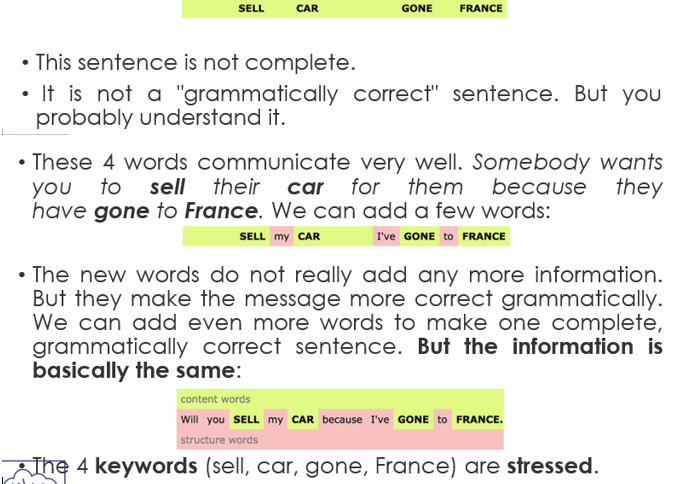
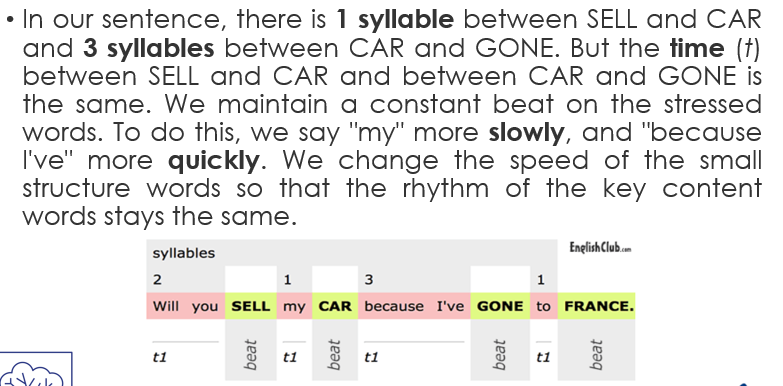
- Sentence stress is what gives English its rhythm or "beat".
- Sentence stress is accent on certain words within a sentence.
- Example: She bought a new car.
-
Sentences have two basic types of word:
- Content Words: keywords of a sentence, they keep the sense are important, as Nouns, main verbs, adjectives and adverbs.
- Structure Words: not very important, they´re small-simple words, make the sentence correct grammatically, as prepositions, conjuctions: but- because- and, until, how, that, so, or, auxiliaries.
-
The rhythm of the English language.
- Kind of words:
- •Nouns.
- •Names.
- •Pronouns.
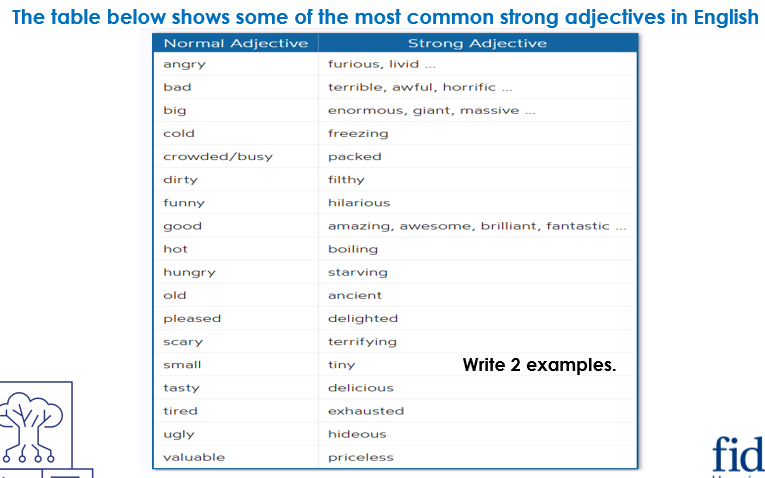
- •Adjectives.
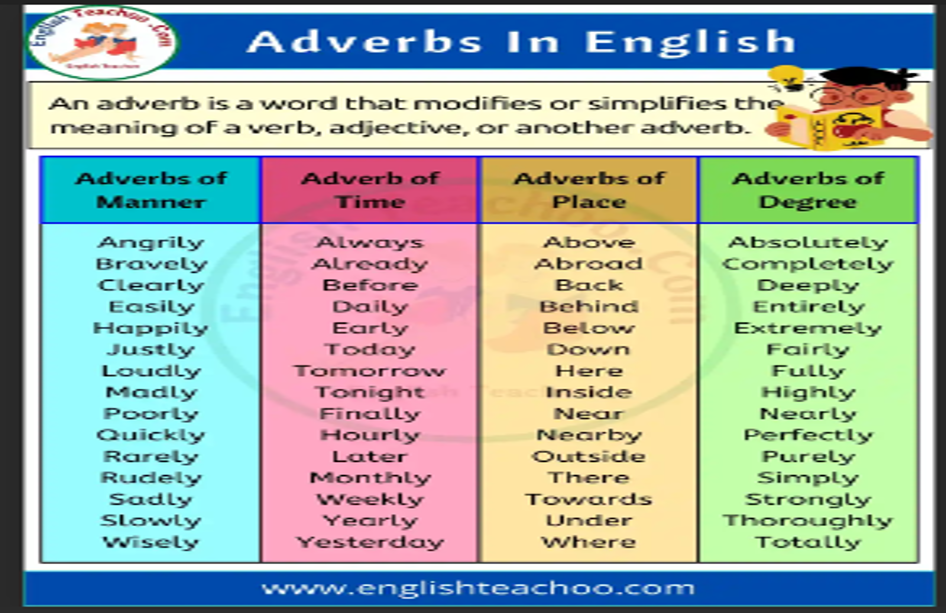
- •Adverbs.
- •Verbs.
- •Prepositions.
- •Conjunctions.
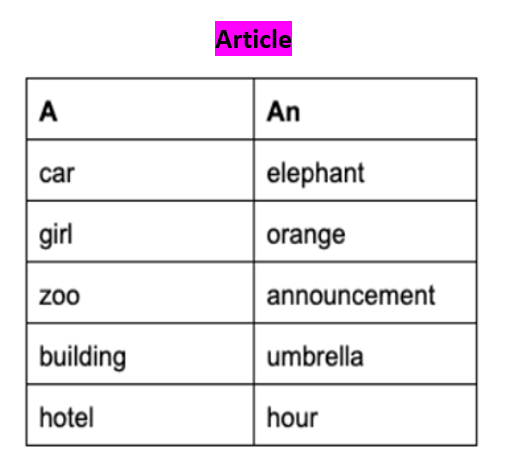
- •Articles.
-
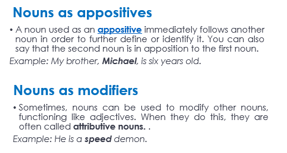
- In a sentence, nouns can play the role of subject, direct object , indirect object, subject complement, object complement, appositive, or modifier (name of: person, places, things, animals).
- Countable nouns: nouns that can be counted, nouns can be singular or plural and can be used with numbers and modifiers like a/an, the, some, any, a few, and many: Here is a cat / hera are a few cats / here are eight cats.
- Uncountable nouns: are impossible to count, they name intangible concepts, most of these nouns are singular: information, wealth, collections, milk, sand, air, Ex: They´d love to rent some property around here / Students don´t seen to have much homework these days.
- Nouns and the possessive case: The possessive case shows the relationship of a noun to other words in a sentence, by adding an apostrophe and the letter s: The cat´s toy was missing / Csey´s sister is a geologist.
-
- Nouns as subjects: Every sentence must have a subject, and that subject will always be a noun or pronoun. Ex: mMaria played the piece beautifully.
- Nouns as objects: can be objects of a transitive verb in a sentence. An object can be either a direct object (a noun that receives the action described by the verb) or an indirect object (a noun that receives direct object).
- •Ex: Cleo passed the salt. / Ex: Cleo passed Otto the salt.
- Nouns as subject complements: A subject complement normally follows a linking verb such as be, become, or seem and gives more information about the subject. Ex: Mary is a teacher.
- Nouns as object complements: It provides more information about the direct object, with a transitive verb.
- Ex: : I now pronounce you husbands.
-
-
-
- Verbs
- Base verb:
- Regular verb:
- Irregular verb:
- Transitive verb: the verb that requires an object to complete its meaning, e.g. bring, buy, call.
- Intransitive verb: the verb that does not require an object to complete its meaning, e.g. sleep, swim, die.
-
- Prepositions
- are short words (on, in, to) that usually stand in front of nouns (sometimes also in front of gerund verbs).
- There are hardly any rules as to when to use which preposition
-
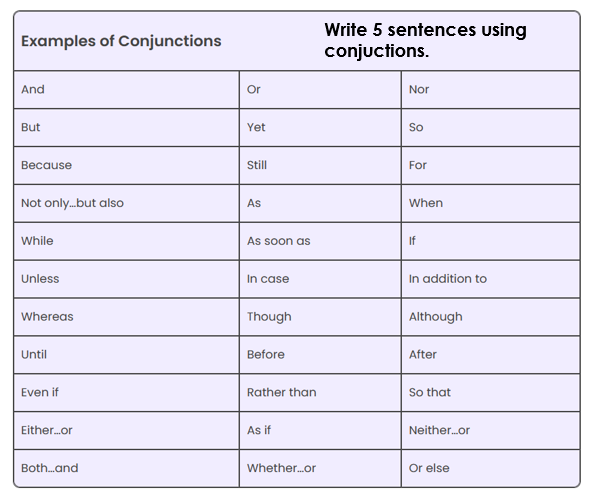
- Conjunctions are used to combine two or more objects, phrases or clauses.
- •Coordinating conjunctions: to combine two independent clauses. Ex: for, and, nor, but, or, yet and so.
- •Subordinating conjunctions: to combine an independent clause and a dependent clause. Ex: if, although, though, after, before, because, as if, unless, until, when, while, etc.
- •Correlative conjunctions: to combine two parts of the sentence which have equal importance, Ex: not only…but also, either…or, neither…nor, whether…or, rather…or, if…then, etc.