
Flashcards
chapter 15
Cards in this deck (78)
- 1nutritionhow the body uses food to maintain health
- 2nutrientsomething found in food that provides energy, promotes growth and health, and helps regulate metabolism
- 3complex carbohydratescarbohydrates that are broken down by the body into simple sugars for energy
(bread, cereal, potatoes, rice, pasta, vegetables, and fruits) - 4simple carbohydratescarbohydrates that are found in foods such as sugars, sweets, syrups, and jellies and have little nutritional value
- 5what are some types of food that human needs1.water
2. carbohydrates
3.proteins
4.fats
5. vitamins
6. minerals - 6NAs should know these 3 facts about water1. most essential nutrient for life
2. we need 64 ounces per day
3. water aids in digestion, absorption of food, elimination of wastes, and maintaining normal body temperature - 7NAs should know these 4 facts about carbohydrates1.provide energy and extra protein
2. provide fiber
3. complex carbs include bread, cereal, potatoes, rice, pasta, vegetables, and fruits
4.simple cabs include sugars, sweets, syrups, and jellies - 8NAs should know these 3 facts about proteins1.essential for tissue growth and repair
2.provides a supply of energy
3.protein sources include seafood, poultry, meat, eggs, milk, cheese, nuts, butters,peas, dried beans or legumes - 9NAs should know these 5 facts about fats1. help the body store energy
2. add flavor and are important for the absorption of certain vitamins
3. fall into 4 categories: saturated, trans, monounsaturated, and polyunsaturated
4. fats from animals fats include butter, beef, pork , fish, and dairy products
5. monounsaturated and polyunsaturated vegetable fats are healthier fats - 10saturated and transincrease cholesterol levels and the risk of some disease such as cardiovascular disease
- 11monounsaturated and polyunsaturatedcan be helpful in the diet, and can decrease the risk of cardiovascular disease and type 2 diabetes
- 12NAs should know these 4 facts about vitamins1. vitamins are substances needed by the body to function
2. most vitamins can only be obtained by eating certain foods
3. fat soluble vitamins are A,D,E and K
4. water soluble vitamins are B and C - 13NAs should know these 5 facts about minerals1.minerals main body functions, including helping build bones, making hormones, and helping in blood formation.
2. include zinc, iron, calcium, and magnesium - 14vitamin A Source and 4 function?dark green and yellow vegetables, such as broccoli and turnips.
function:
1.assists with skin and eye development;
2.keeps the skin healthy
3.helps the eyes adjust light
4. helps respiratory and digestive tracts resist infection - 15vitamin C Source and 4 function?(fruits)
1. assists with healing wounds and building bones and teeth
2.holds cells together
3. strengthens the walls of blood vessels
4. helps the body absorb iron - 16vitamin B2 or riboflavin source and 3 function?milk, milk products, lean meat, green leafy vegetables, eggs, breads, and cereals
Function:
1.helps cells use oxygen, which allows them to release energy from food;
2. important for protein and carbs metabolism;
3.needed for growth - 17vitamin B3 or niacin Source and 3 function?lean meat, poultry, fish, peanuts, and peanut butter, whole grain breads and cereals, peas, beans , and eggs
function:
1.important for protein, carbs, and fat metabolism
2. important for nervous system, digestive system.
3. helps cells use oxygen for energy - 18vitamin D source and 1 functionsmilk, butter, liver, and fish liver oils
functions:
1. responsible for the body absorption of the minerals calcium ad phosphorus and contributes to the formation of health bones - 19vitamin E Source and 3 function?cereals, nuts, vegetable oil, wheat
functions:
1.protects body from damage from free radicals
2. helps boots the immune system
3. assists in formation of red blood cells - 20thiamin Source and 1 function?lean pork, dried beans, peas, whole grain, and enriched breads and cereals, types of nuts
functions
1. helps the body obtain energy from food - 21iron Source and 2 function?egg yolks, green leafy vegetables, breads, cereals
functions
1. necessary for red blood cells to carry oxygen
2. helps the formation of enzymes - 22sodium Source and 1 function?almost all foods and table salt
functions
1. important for maintaining fluid balance - 23calcium Source and function?milk products, cheese, ice cream, and yogurt
function
1. for teeth and bones
2. clotting of blood
3. muscle contraction
4. heart and nerve function - 24potassium Source and function?fruits and vegetables, cereal, coffee, and meats
function
1. essential for nerve and heart function and muscle contraction - 25phosphorus Source and function?milk, milk products, meat, fish, poultry, nuts, and eggs
function
1. needed for the formation of bones and teeth and for nerve and heart function
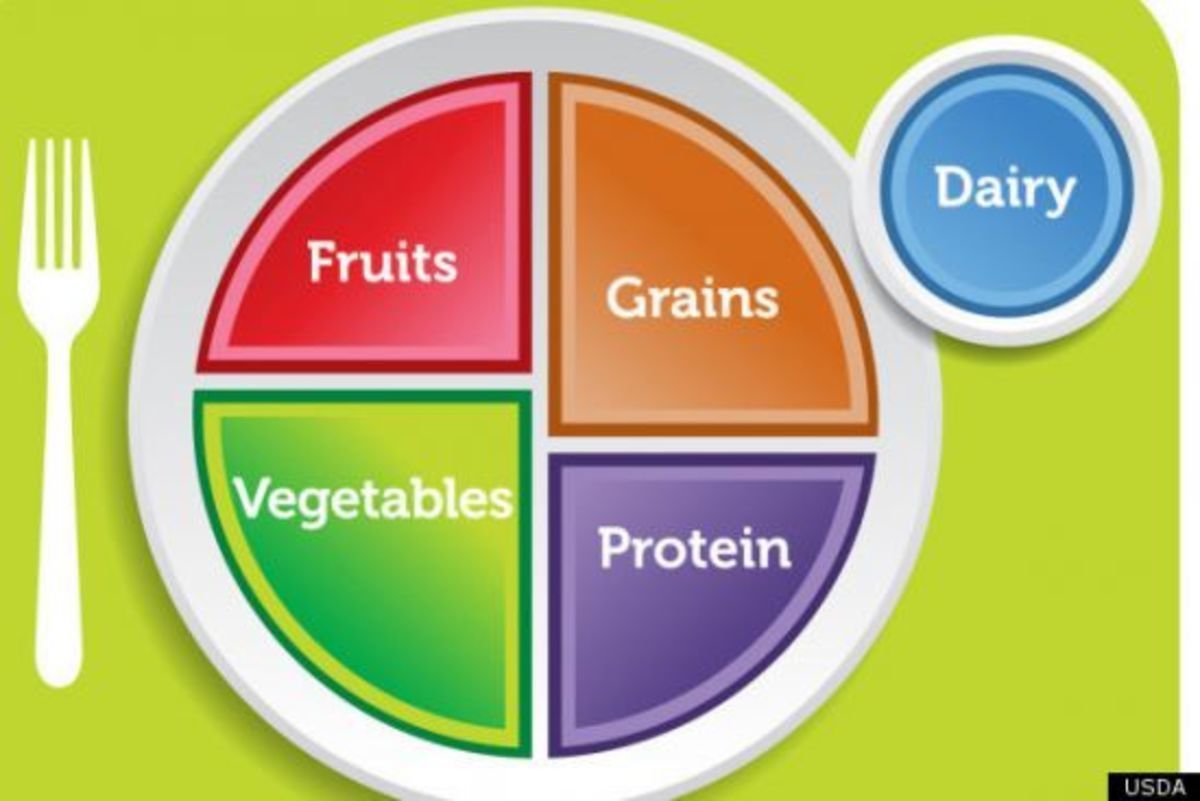
2. important for the body's utilization of proteins ,fats, and carbs - 26how does my plate looks like?
- 27what's the amount of fruits and vegetables of a person's platefruits and vegetables should make up half of an person's plate
- 28which color of vegetables have the best nutritional contentdark green, red, orange vegetables
- 293 things to know about fruits and vegetables1. vegetables are low in fat and calories and have no cholesterol
2. fruits are low in fat, sodium, and calories and have no cholesterol
3. fruits provide fiber and nutrients, including folic acid, potassium, and vitamin C - 303 instructions about grains1. at least half of all grains consumed should be whole grains
2. whole grains contain the bran and germ as well as the endosperm. refined grains retain only the endosperm
3. grains are found in bread, pasta, oatmeal, breakfast cereals, tortillas, and grits - 313 instructions about proteins on my plate1.eat seafood twice a week in place of meat or poultry
2. choose lean meat and poultry. include eggs and egg whites on a regular basis
3. eat plan-based protein food often - 324 instructions about dairy on my plate1. provides protein, vitamins, and minerals
2. includes all of the foods made from milk
3. most dairy group choices should be fat free (0%) or low-fat (1%)
4. choose fat free or low-fat milk or yogurt more often than cheese - 33NAs should remember 4 tips about making healthy food choices1.balance calories
2. enjoy your food, but eat less
3. avoid oversized portions
4. eat these food more often: vegetables, fruits, whole grains, and fat free or 1% milk and low-fat dairy products - 34what are 7 factors that would affect nutrition?1. slower metabolism and body movements
2. loss of vision
3. weakened sense of smell and taste
4. less saliva
5. dentures, tooth loss, or poor dental health
6. less efficient digestion
7. use of certain medications - 35weight loss is a serious problem for the elderly. NAs should remember these 6 guidelines for preventing unintended weight loss1.report observations and warning signs to the nurse
2. food should look, taste, and smell good
3. encourage residents to eat; talk positive
4. honor food dislikes/likes
5. offer different kinds of foods and beverages
6. help resident who have trouble self-feeding - 36NAs should observe and report the 8 things during the meals1.resident needs help eating/drinking
2. resident eats less than 75% of food
3. resident has mouth pain
4. resident's dentures do not fit
5. resident has difficulty chewing or swallowing
6. coughs or chose while eating
7. sad, crying spells ,or withdraws
8. confused, wanders, or paces - 37what are 5 conditions can make it difficult or residents to eat or swallow1.stroke
2. nerve and muscle damage
3. multiple sclerosis
4. Parkinson's disease
5. Alzheimer's disease - 38parenteral nutrition (PN)the intravenous infusion of nutrients administered directly into the bloodstream, bypassing the digestive system.
- 39nasogastric tubea feeding tube that is inserted into the nose and goes to the stomach
- 40percutaneous endoscopic gastrostomy (PEG)tubea feeding tube placed into the stomach through the abdominal wall
- 41gastrostomya surgically-created opening into the stomach in order to insert a tube
- 42what should NA remember about 11 observation and reports on feeding tube1. wash hands before assisting with tube feedings
2. make sure tubing is not coiled or kinked
3. be aware of NPO orders
4. report if tube comes out
5. redness/ swollen around opening
6. cyanotic skin
7. vomiting
8. choking
9.sores
10. sound of feeding pump alarm
11. fever and tube falling out - 433 guidelines for tube feeding1, doctor prescribes feedings, they should be at room temperature and in liquid form
2. head of the bed should always remai 30 degree, but during feedings it needs to be 45 degree
3. give careful skin care - 44diet cardscards that list the resident's name and information about special diets, allergies, likes and dislikes , and other dietary instructions
- 45what are 4 responsibilities from dietary department1. meet residents' different nutritional needs
2. take into account likes and dislikes
3. make sure residents can manage the food they are eating and that it looks appealing
4. strictly follow infection prevention measures - 46therapeutic, modified, or special dietsdiets prescribed for people who have certain illnesses, conditions, or food allergies
- 47fluid balancetaking in and eliminating equal amounts of fluid
- 48diureticsmedications that reduce fluid volume in the body
- 49pureeto chop, blend, or grind food into a thick paste of baby food consistency
- 50what 12 kinds of diets are considered special1, low-sodium diet
2. fluid restricted diet
3. high potassium diet
4. low-protein diet
5. low-fat/low-cholesterol diet
6. modified calorie diet
7. bland diet
8. diabetic diet
9. low-residue diet
10. high residue
11. gluten free
12. vegetarian diet, liquid diet, soft diet, pureed diet - 51NAs should remember these guidelines for promoting appetites'1. groom/hygiene tasks before dining as needed
2. offer toliet
3.encourage dentures, eyeglasses, and hearing aids
4. check environment - 52when resident need their food cut it, when should you eat the food for resident>try to cut food before bringing it to the table, open milk or juice cartons
- 5311 guidelines on assisting with eating1. verify that it is that right resident
2. sit eye level 3. allow time for prayer
4. do not treat them like a child
5. do not touch food to test its temperature. use a hand over the dish instead 6. cut or open food as needed
7. identify foods and fluids to the resident
8. ask resident what he wants to eat first
9. do not mix food unless prefers it, rush the meal
10. give resident full attention
11. alternate food and drink, cold and hot foods, bland and sweet foods - 54resident has a right to choose to wear what?clothing protector
- 55what are some dining techniques residents with CVA, neck control, or visually repaired1. use short, clear cues
2. use physical cues like placing your hand over his
3. for residents with visually repaired, use imaginary clock face
4. residents who have CVA place food in unaffected or stronger side of mouth
5. place food in resident's field of vision
6. resident has tremors, use physical cues and place food and drink close to resident
7.use neck brace if resident has poor neck control - 56what should you do when resident bites utensilsask him to open his mouth. wait until jaw relaxes to remove utensil
- 57if resident pockets food in cheeks, ...remind him to chew and swallow. touch cheek. ask him to use his tongue to get the food
- 58if resident holds food in mouth, ask her to ...check and swallow. gently press tongue when removing spoon from the mouth to help trigger swallowing
- 59dysphahiadifficulty swallowing
- 60aspirationthe inhalation of food, drink, or foreign material into the lungs
- 61which conditions may cause dysphagia1.stroke
2.cancer
3. multiple sclerosis
4. Parkinson's disease
5. Alzheimer's disease - 62NAs should know these facts about thickened liquids1. thickening improves the ability to control fluid in the mouth and throat
2. a doctor orders the necessary thickness after evaluation by a speech therapist
3. NA CANNOT OFFER REGULAR LIQUIDS, INCLUDING WATER, TO RESIDENT WHO MUST HAVE THICKENED LIQUIDS. - 63What's the three basic thickened consistencies are?N
- 64NAs should report these 8 signs and symptoms of swallowing problems to the nurse1. coughing during or after meals
2. choking during meals
3. dribbling saliva, food, or fluid from the mouth
4. having food residue inside the mouth or cheeks during and after meals
5. losing voice
6. eating slowly
7. avoid eating
8. spitting out pieces of food
9. diffculty chewing and swallowing
10. clearing throat often
11. food or fluid coming up into the nose
12 breathing rapidly while eating or drinking - 65how long should resident be on upright position after eating and drinking?30 minutes
- 66intakethe fluid a person consumes; also called input
- 67outputall fluid that is eliminated from the body; includes fluid in urine, feces, vomitus, perspiration, moisture that is exhaled in the air, and wound drainage
- 681 cup= oz?8oz, 240 mL
- 691/2 cup=oz 1/4 cup4 oz, 120mL
2 oz, 60mL - 70NPOperson should not have anything to eat or drink
- 71dehydrationresulting from inadequate amount of fluid in the body
- 72how much should a person drink in a day. whats the function and prevention of fluid intake64 ounces
1. dilutes wastes and flushes out urinary system
2. may help prevent confusion - 73what are 3 ways for NA to encourage resident to take fluids?1. ask "would you like water or juice" everything you go into the room
2. offer favorite beverages at least 3 times each day
3. offer other forms of liquids if permitted - 74NA should report these 5 signs and symptoms of dehydration1. drinking less than six- 8 ounce glasses of liquid per day
2. drinking little or no fluids at meals
3. needing help drinking from cup or glass
4. having trouble swallowing liquids
5. having frequent vomitting, diarrhea, or fever - 757 signs and symptoms of dehydrationbeing easily confused or tired
1. dry mouth
2. cracked lips
3. sunken eyes
4. dark urine
5. strong smelling urine
6. weight loss
7. complaints of abdominal pain - 76fluid overloada condition that occurs when the body cannot handle the amount of the fluid consumed
- 77edemaswelling caused by excess fluid in body tissue
- 78what are 8 signs for fluid overload1. swelling of extremities
2. weight gain
3. decreased urine
4. shortness of breath
5. increased heart rate
6. anxiety
7. skin that appears tight, smooth, and shiny
Information
- Description
- Flashcards on chapter 15, created by Alice Sonic on 23/10/2020.
- Created by
- Alice Sonic
- Views
- 0
- Rating