GoConqr has a new look! Let us know what you think.

Flashcards

Gen Bio Lab Final
CLAIRE SCHMIDT Biology English 33 cards

Gen Bio Lab Final

Cards in this deck (33)

  1. 1—RED ALGAE:
    chlorophyll A & B, Floridean starch, and Agar
    RED ALGAE: chlorophyll A & B, Floridean starch, and Agar
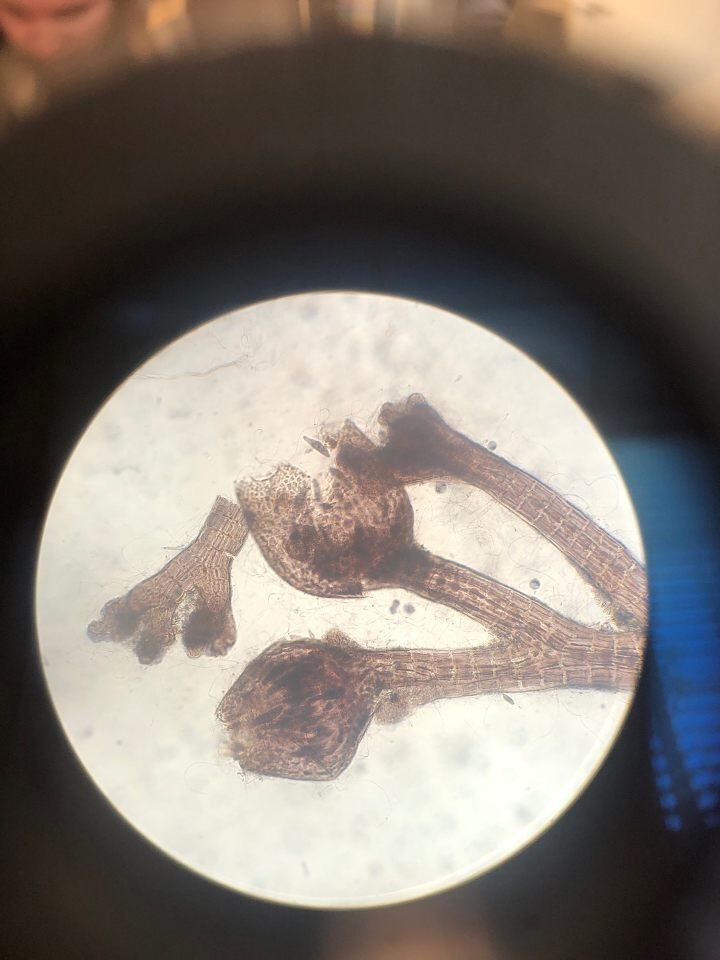
  2. 2—BROWN ALGAE:
    chlorophyll A & C, Laminarin, Algenic Acid
    BROWN ALGAE: chlorophyll A & C, Laminarin, Algenic Acid
  3. 3—BLUE-GREEN ALGAE:
    Chlorophyll, Glycogen, proteoglycan walls (protein walls), NITROGEN FIXERS!
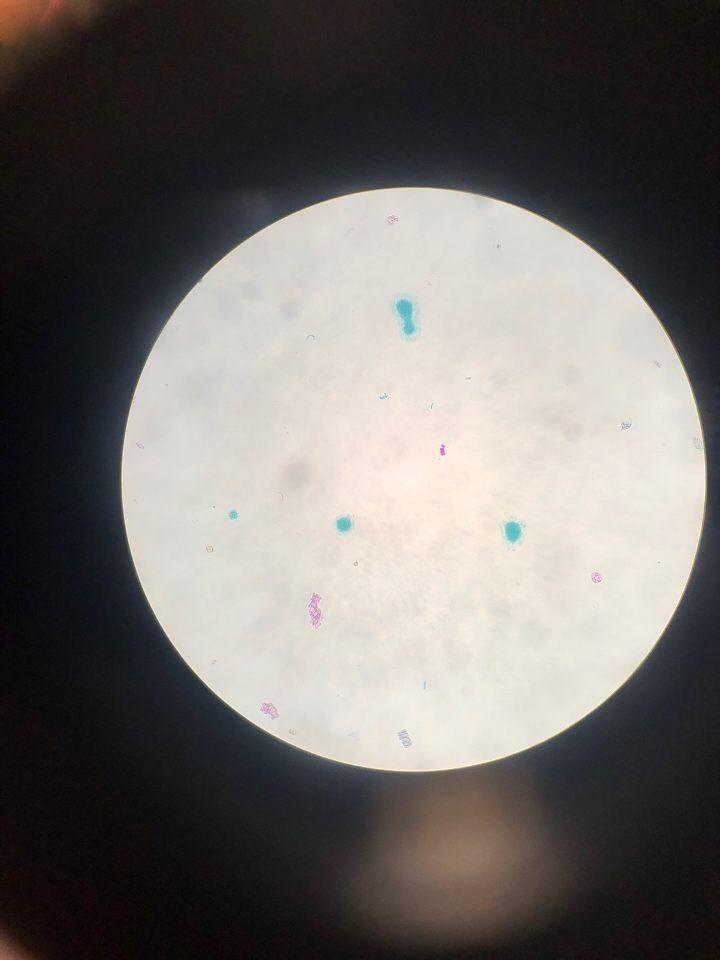
    BLUE-GREEN ALGAE: Chlorophyll, Glycogen, proteoglycan walls (protein walls), NITROGEN FIXERS!
  4. 4—GREEN ALGAE:
    Chlorophyll A & B; Starch, and Cellulose; simplistic organism that goes through differentiation
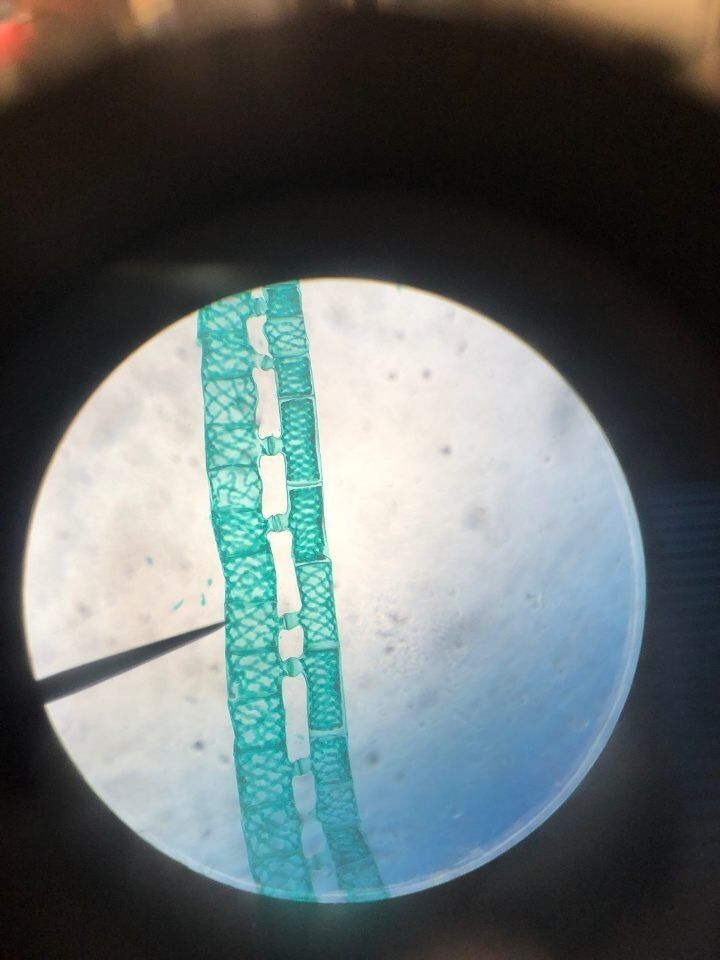
    GREEN ALGAE: Chlorophyll A & B; Starch, and Cellulose; simplistic organism that goes through differentiation
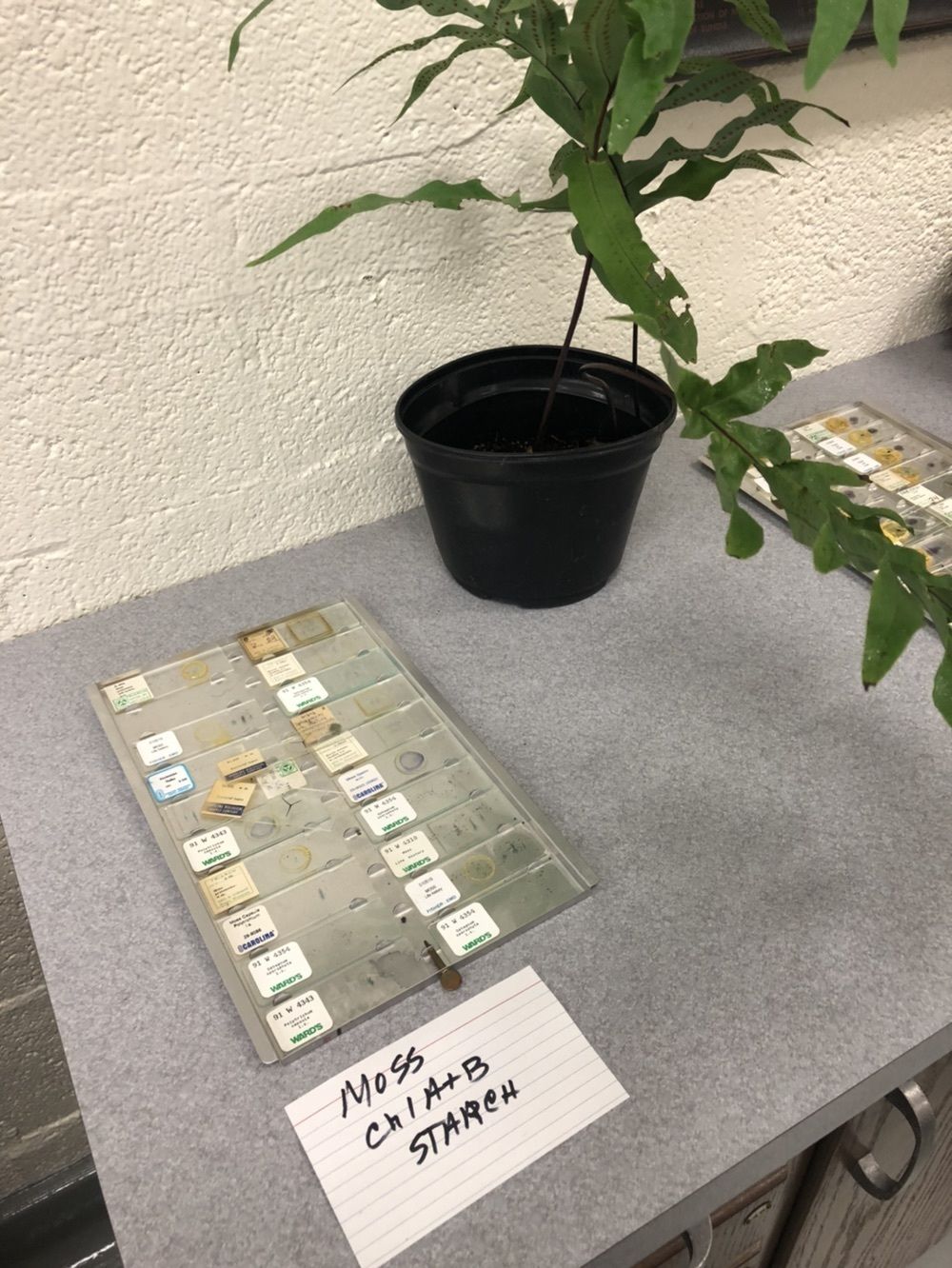
  5. 5—MOSS:
    chlorophyll A & B, non photosynthetic
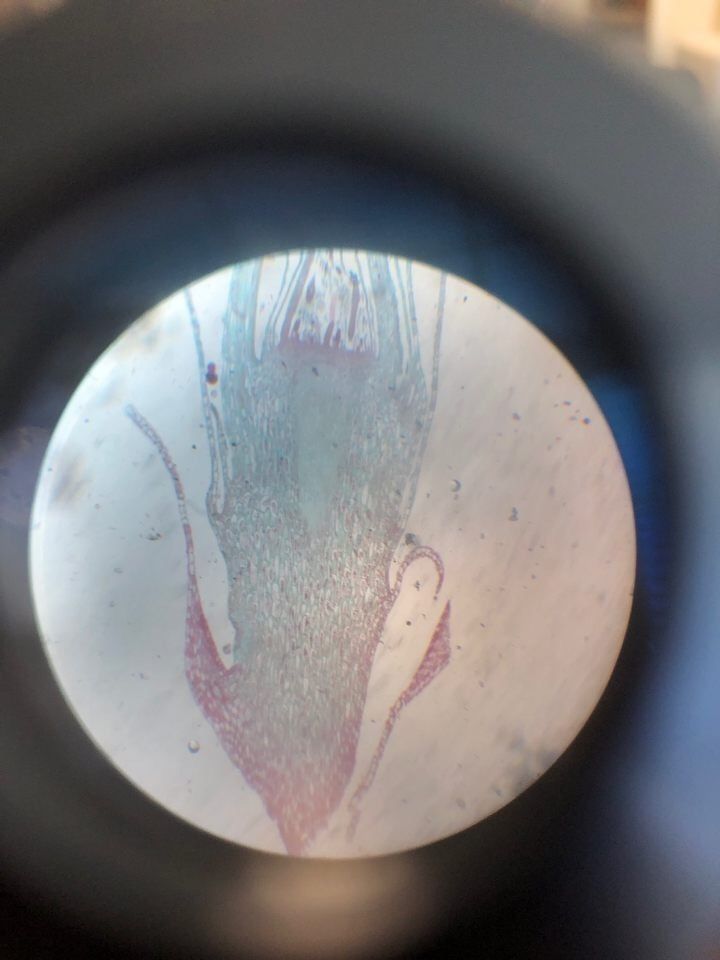
    MOSS: chlorophyll A & B, non photosynthetic
  6. 6—FERN:
    Chlorophyll A & B, cellulose and starch; needs water for reproduction; sori is the beginning of reproduction
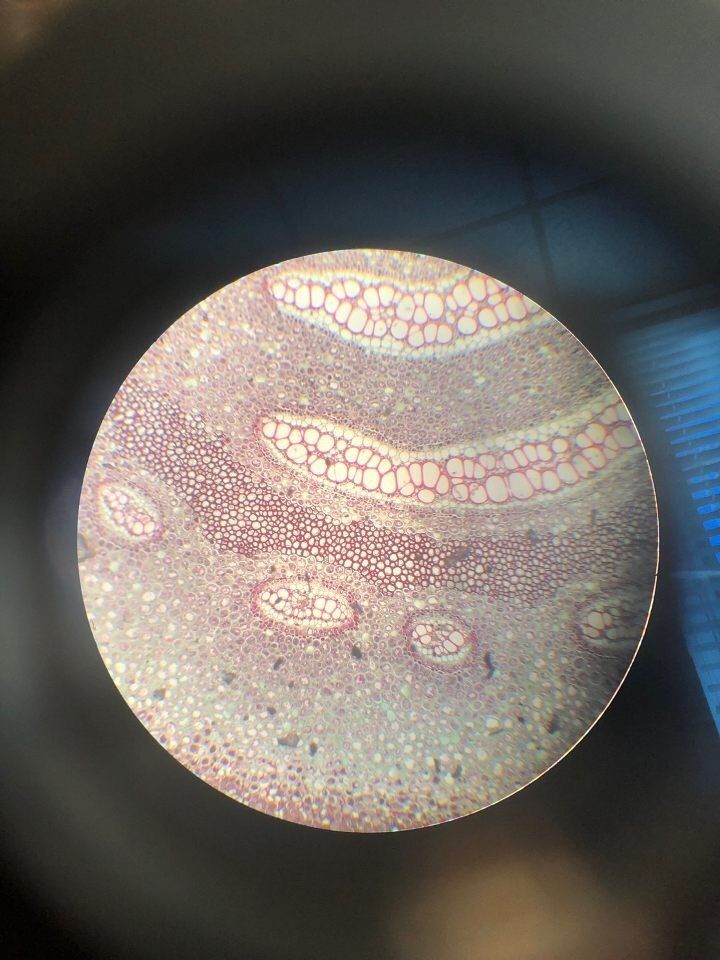
    FERN: Chlorophyll A & B, cellulose and starch; needs water for reproduction; sori is the beginning of reproduction
  7. 7—FEMALE PINECONE;
    eggs on top of branches
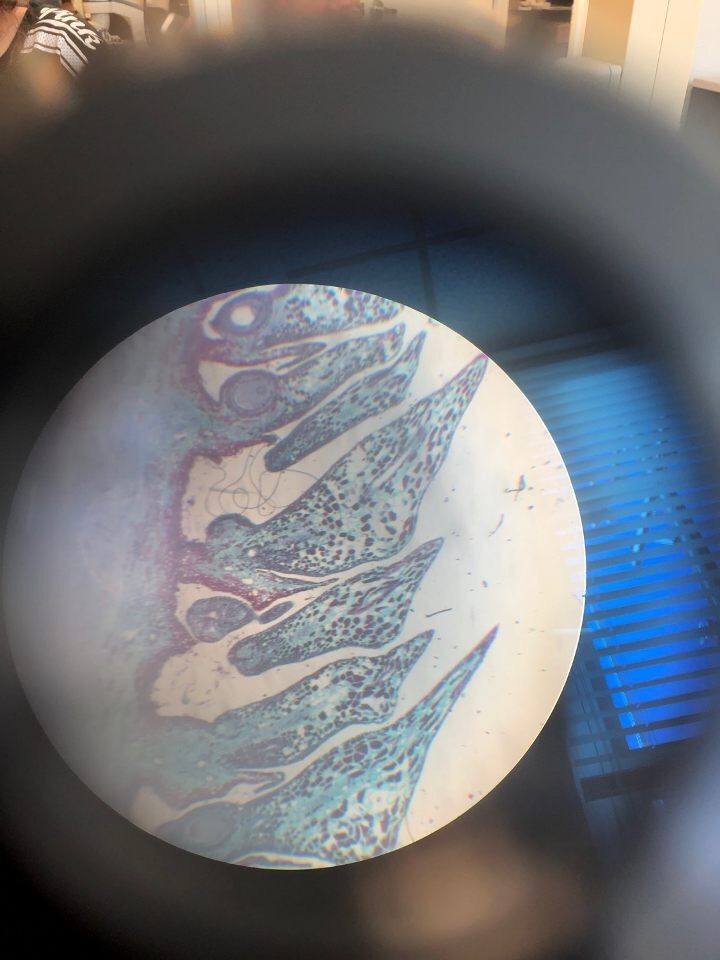
    FEMALE PINECONE; eggs on top of branches
  8. 8—MALE PINECONE:
    Pollen on bottom of branches
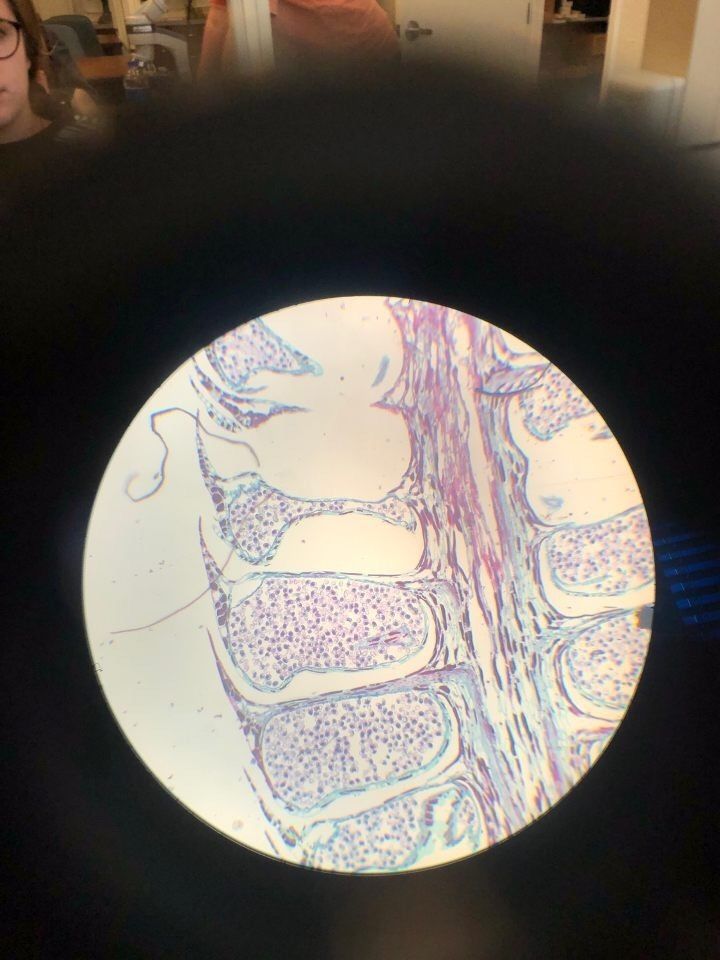
    MALE PINECONE: Pollen on bottom of branches
  9. 9—FLOWERING PLANT:
    produces flowers
    FLOWERING PLANT: produces flowers
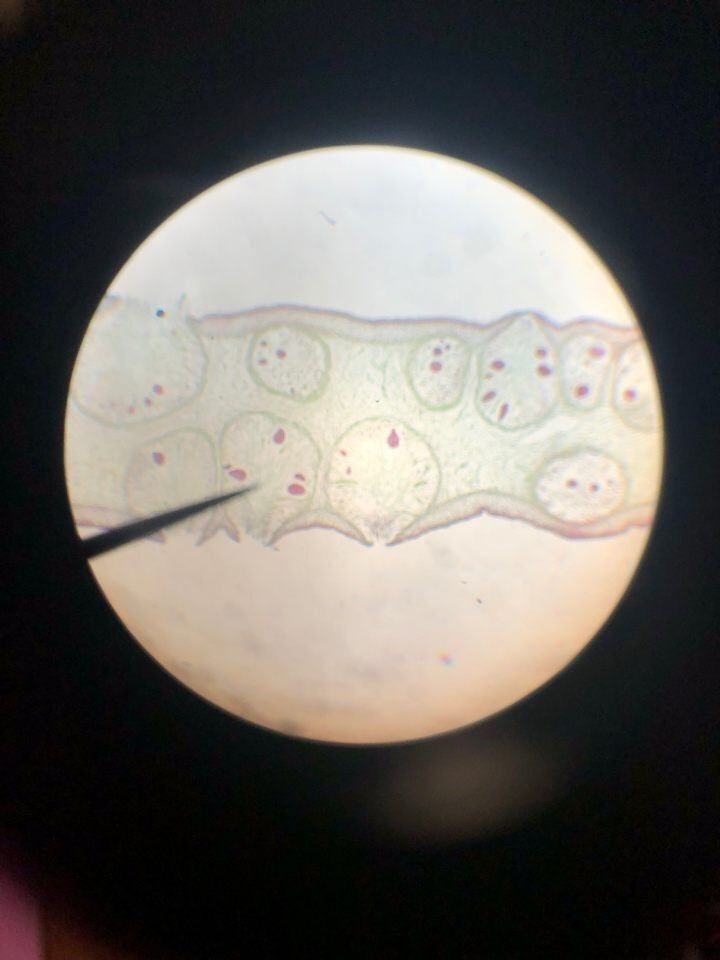
  10. 10—ASCOMYCETES:
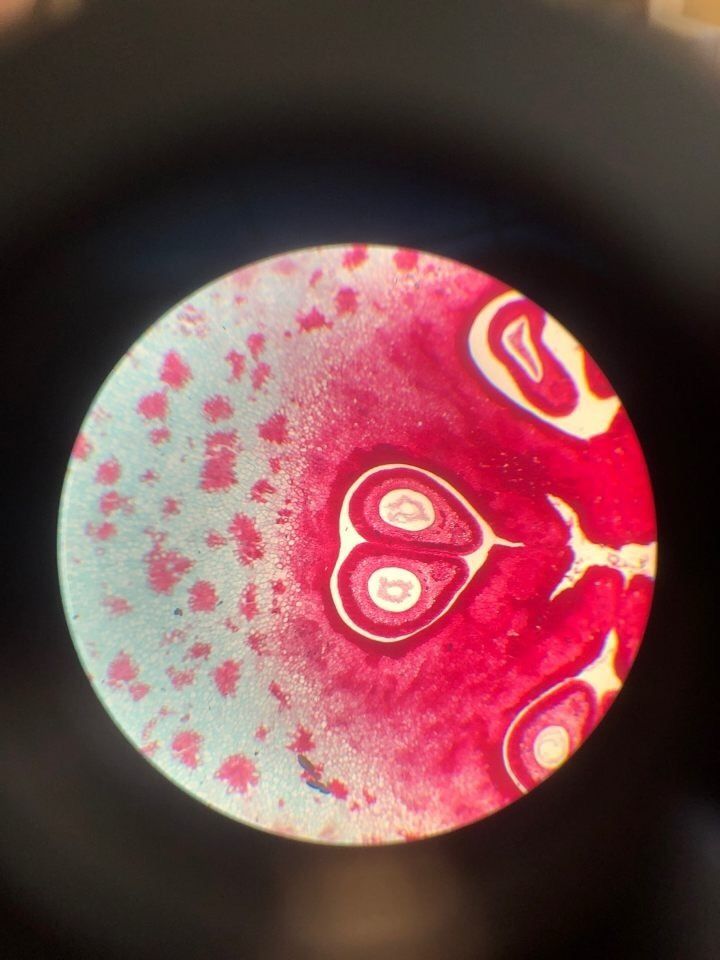
    produces asci, 8 spores for cell reproduction, spores on inside
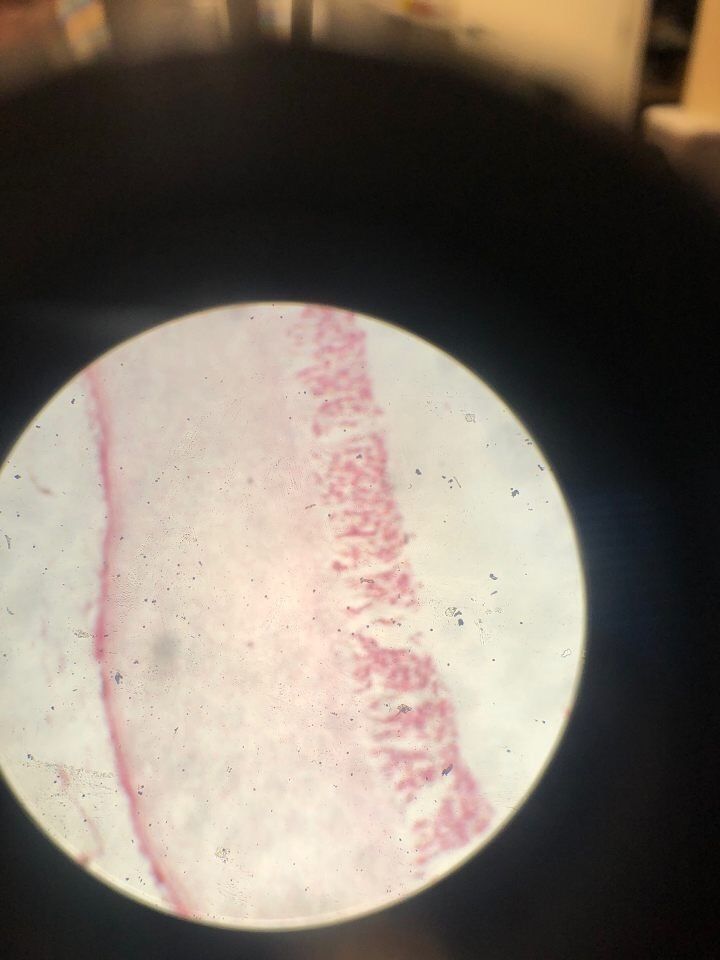
    ASCOMYCETES: produces asci, 8 spores for cell reproduction, spores on inside
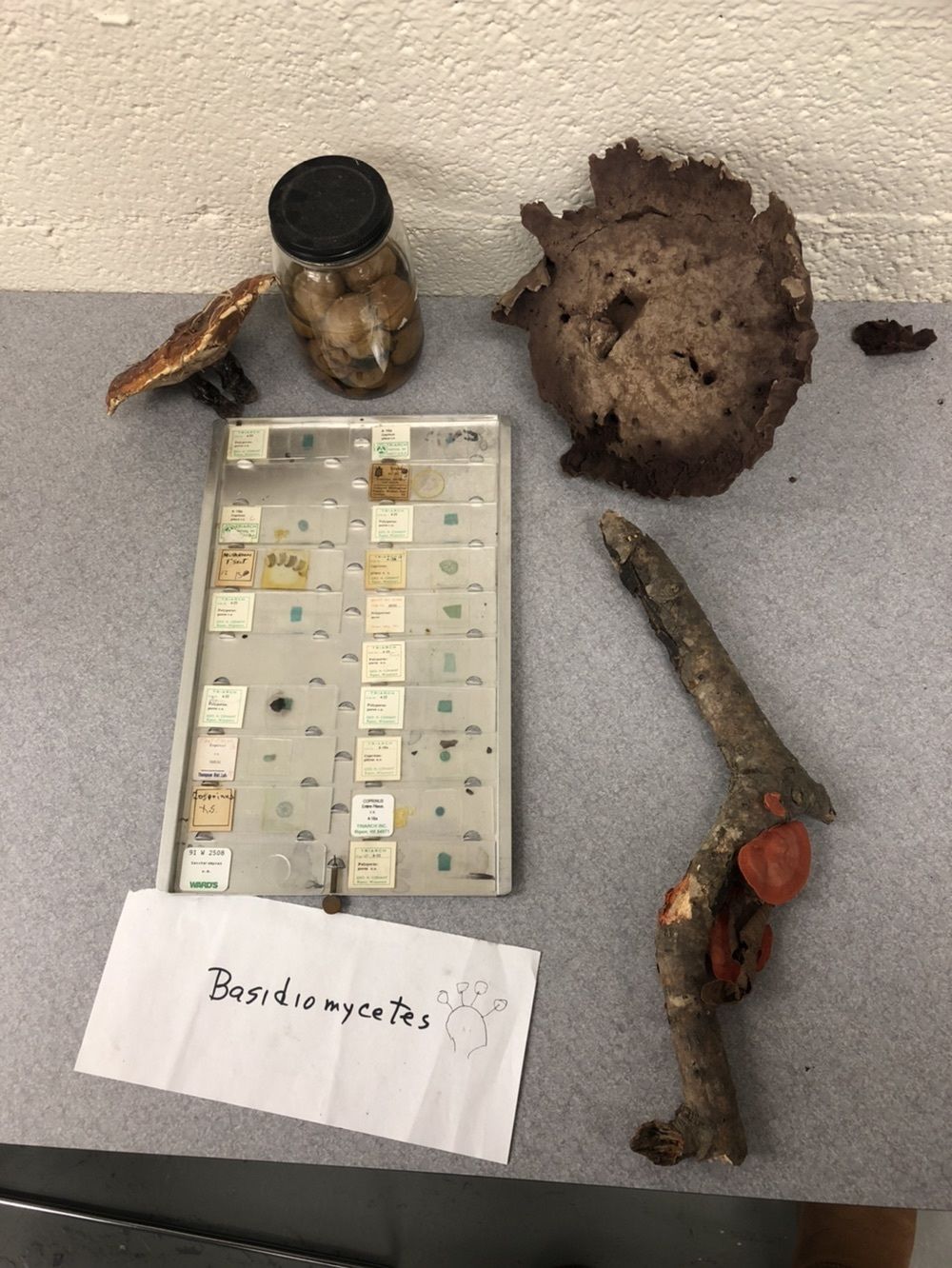
  11. 11—BASIDIOMYCETES:
    produces basidia, mushrooms of commerce, spores sit on top open to the world
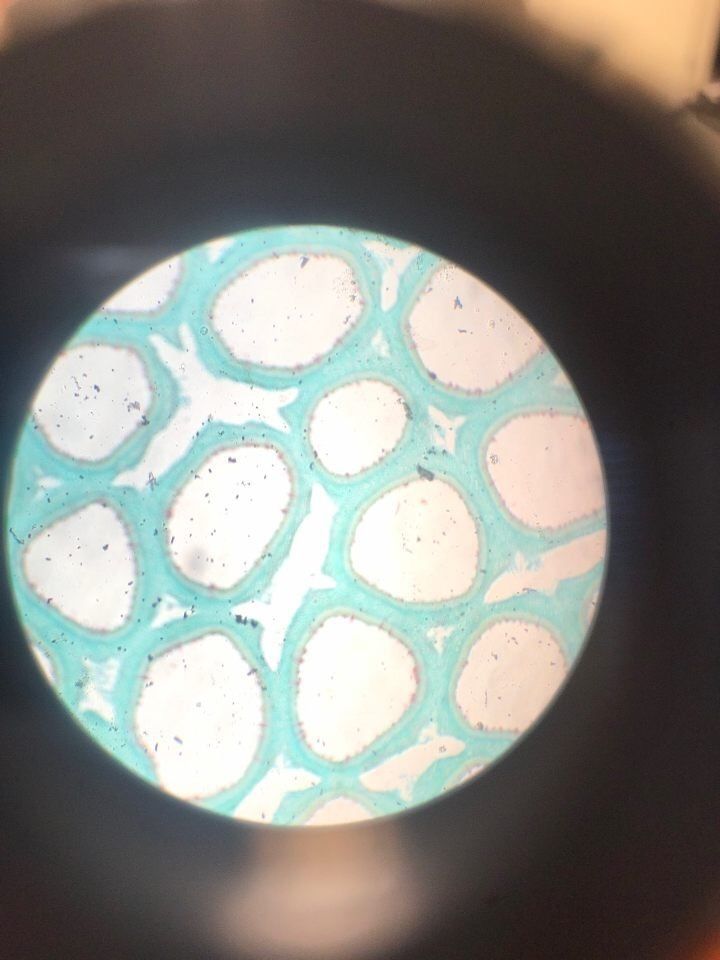
    BASIDIOMYCETES: produces basidia, mushrooms of commerce, spores sit on top open to the world
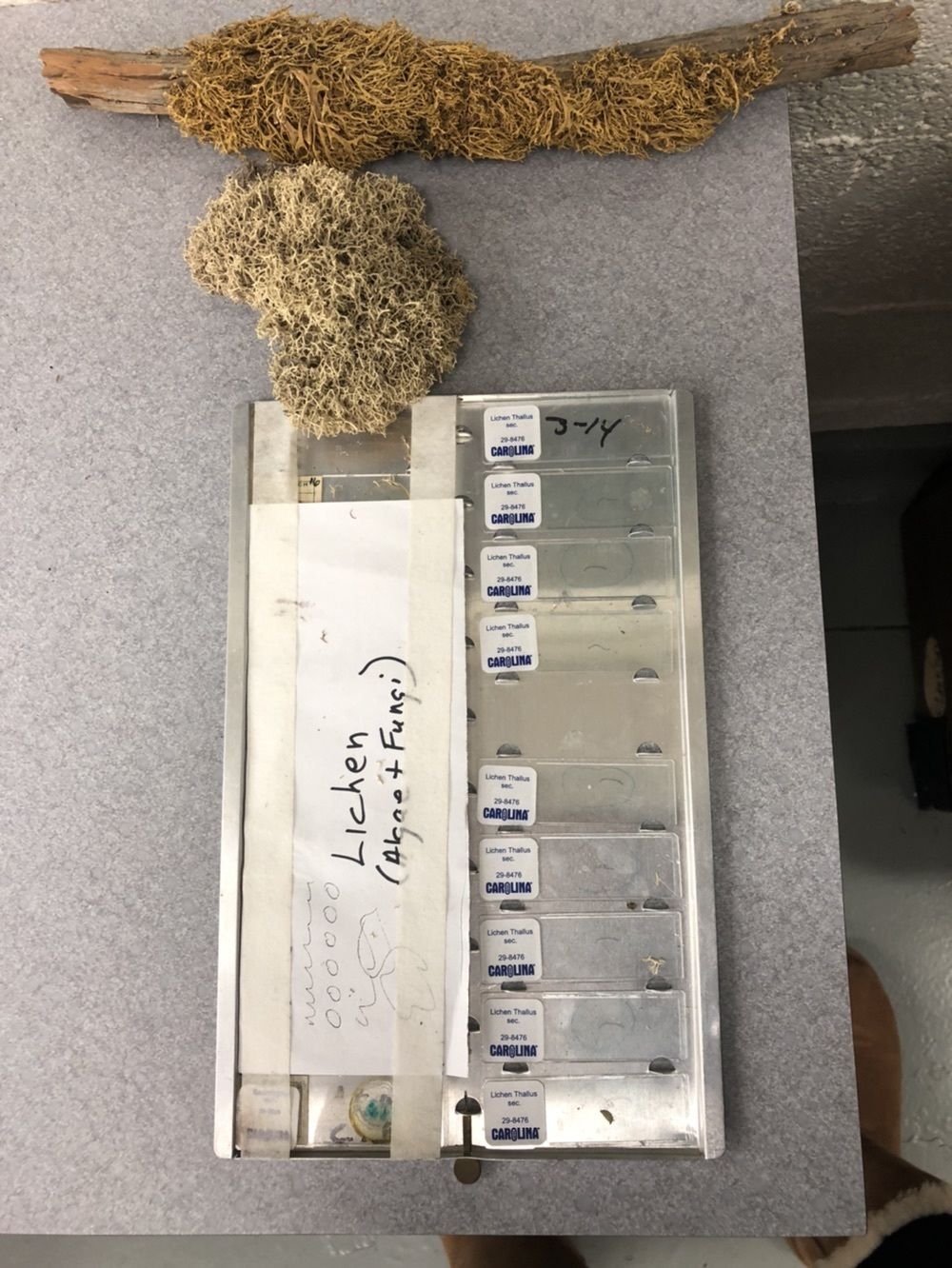
  12. 12—LICHEN:
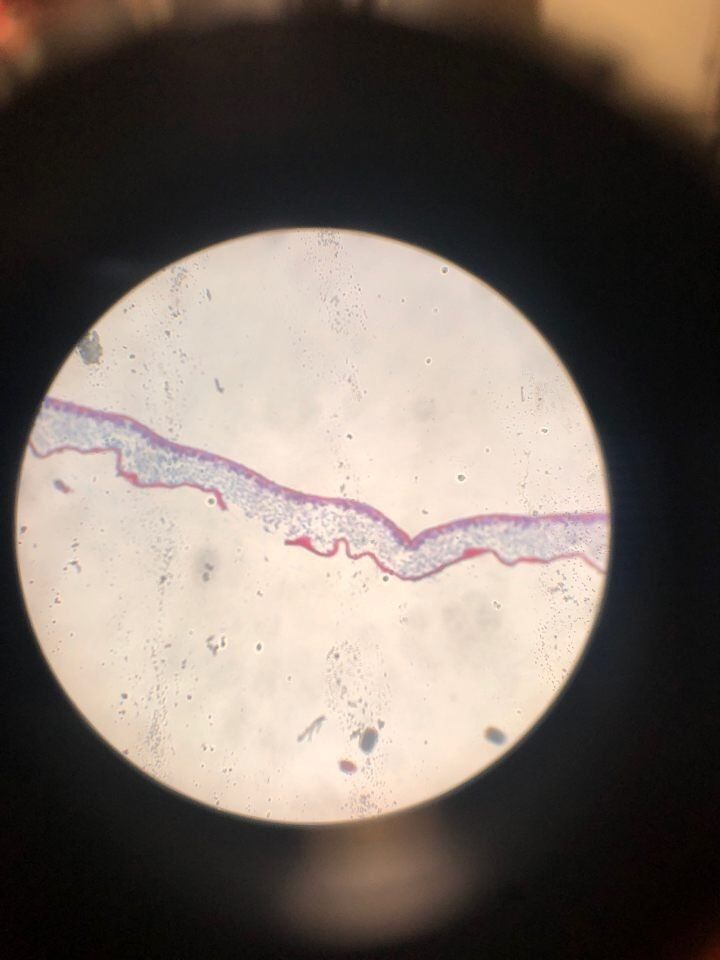
    algae on top and bottom?
    LICHEN: algae on top and bottom?
  13. 13—ECHNIODERMS:
    start bilaterally symmetric and become radically symmetric; dueterostomes
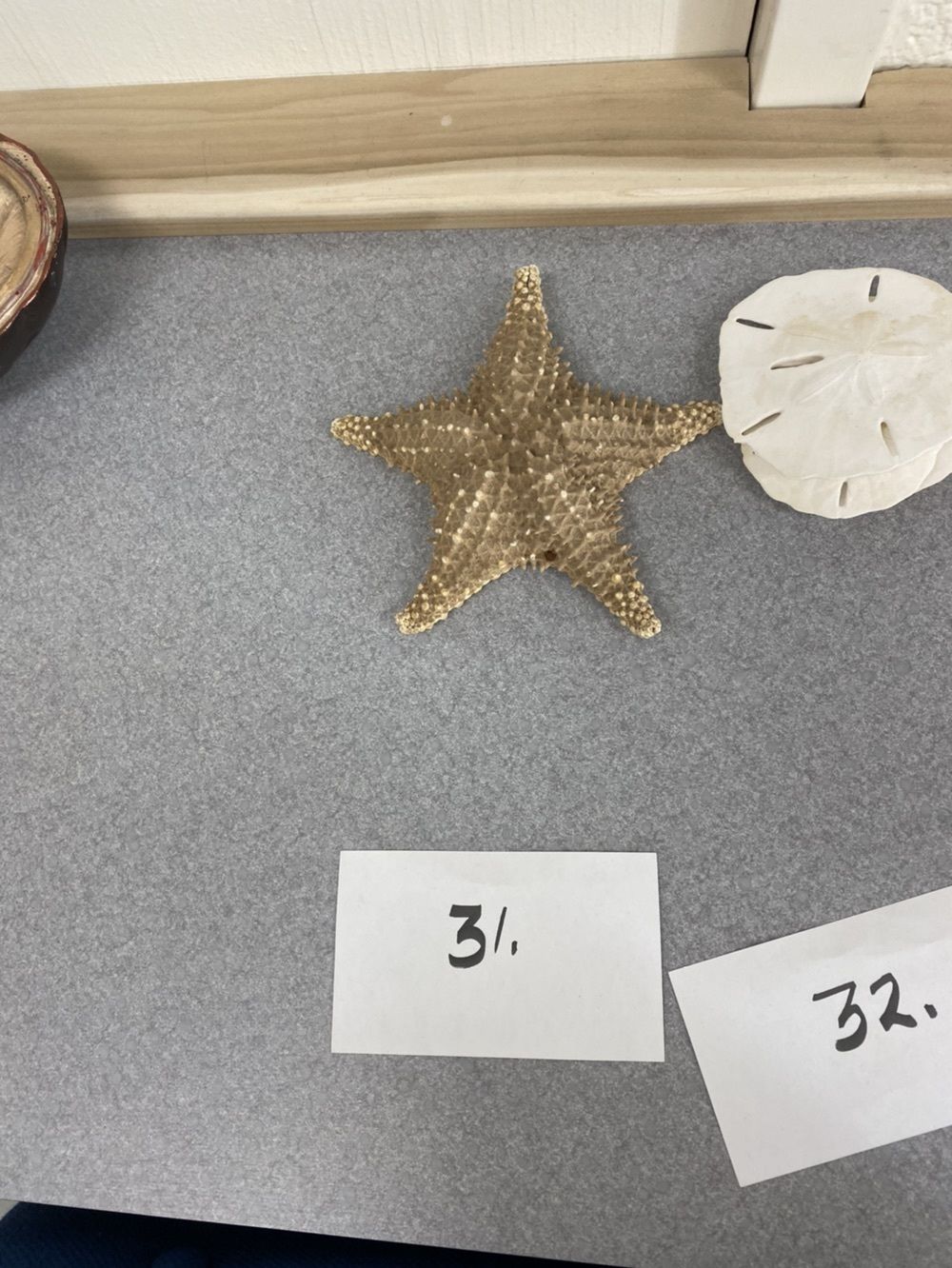
    ECHNIODERMS: start bilaterally symmetric and become radically symmetric; dueterostomes
  14. 14—CLASS MAMMALS:
    have mammory glands, covered in hair
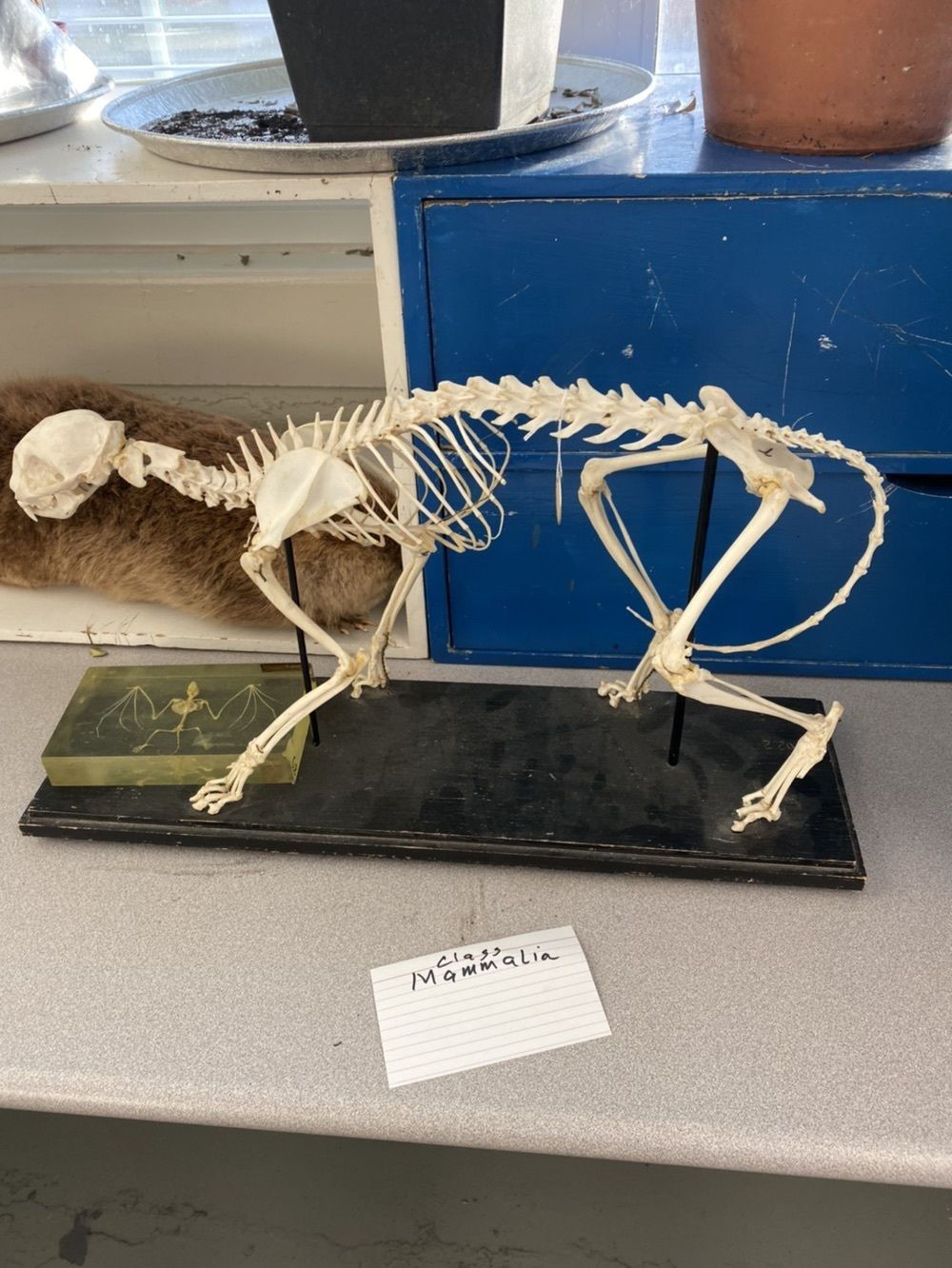
    CLASS MAMMALS: have mammory glands, covered in hair
  15. 15—PHYLUM ARTHROPODS:
    chitinous exoskeleton & jointed appendages
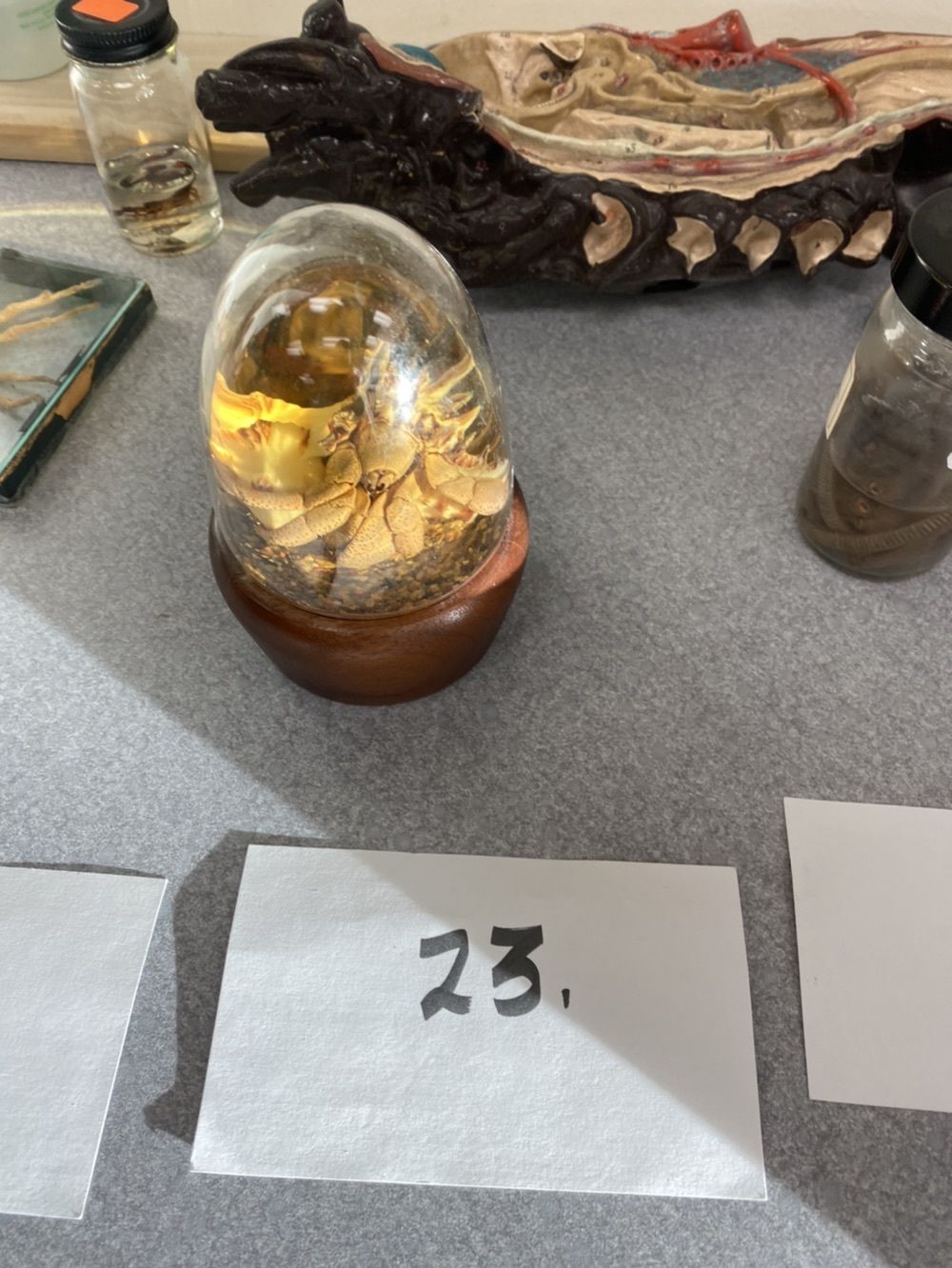
    PHYLUM ARTHROPODS: chitinous exoskeleton & jointed appendages
  16. 16—CLASS AVES:
    have feathers and scales on legs,
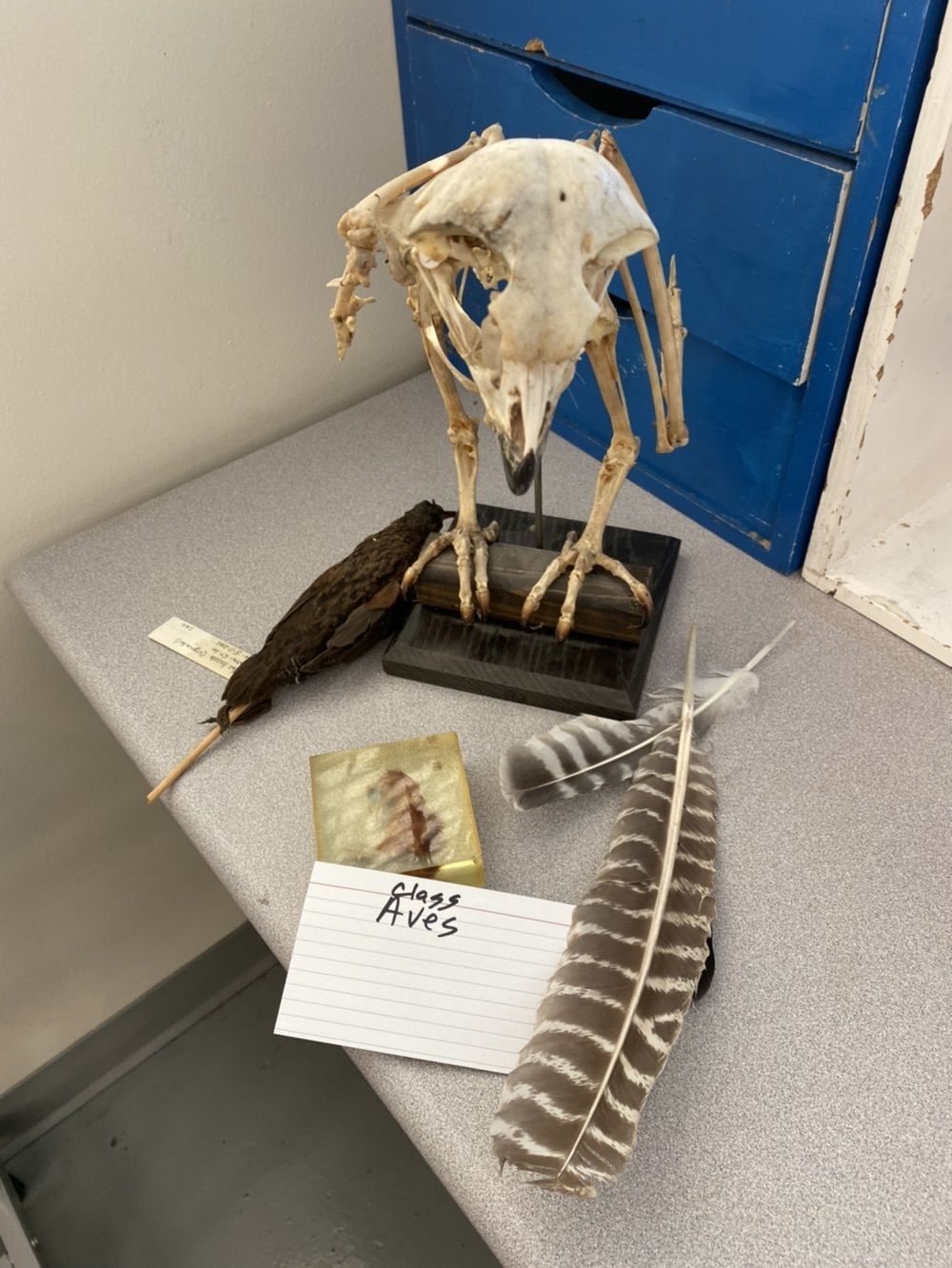
    CLASS AVES: have feathers and scales on legs,
  17. 17—PHYLUM NEMATHELMINTHES (roundworm):
    unsegmented, most are parasites,
    separate sexes
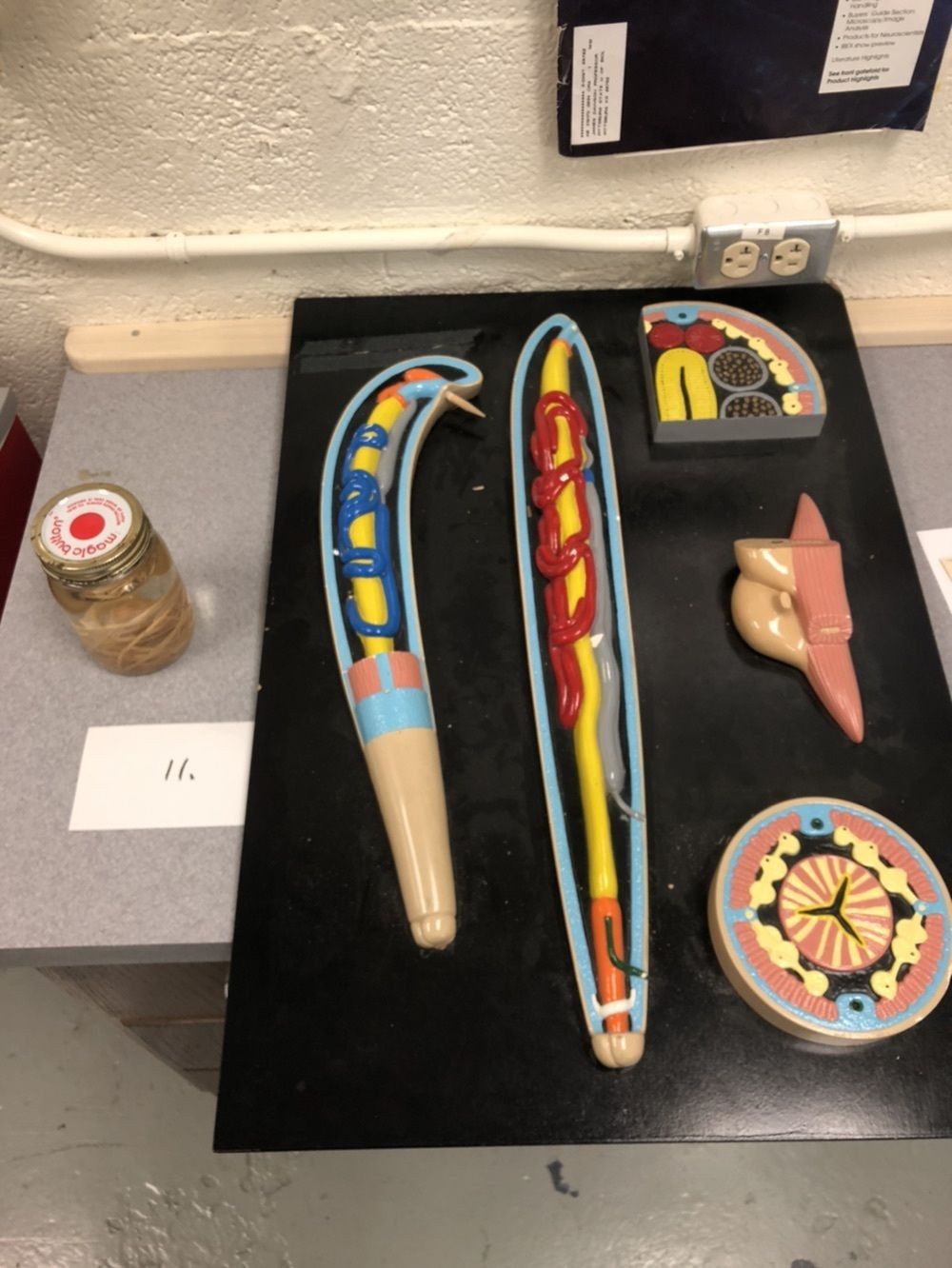
    PHYLUM NEMATHELMINTHES (roundworm): unsegmented, most are parasites, separate sexes
  18. 18—PHYLUM ANNELIDA (segmented worms):
    segmented, complex organ systems
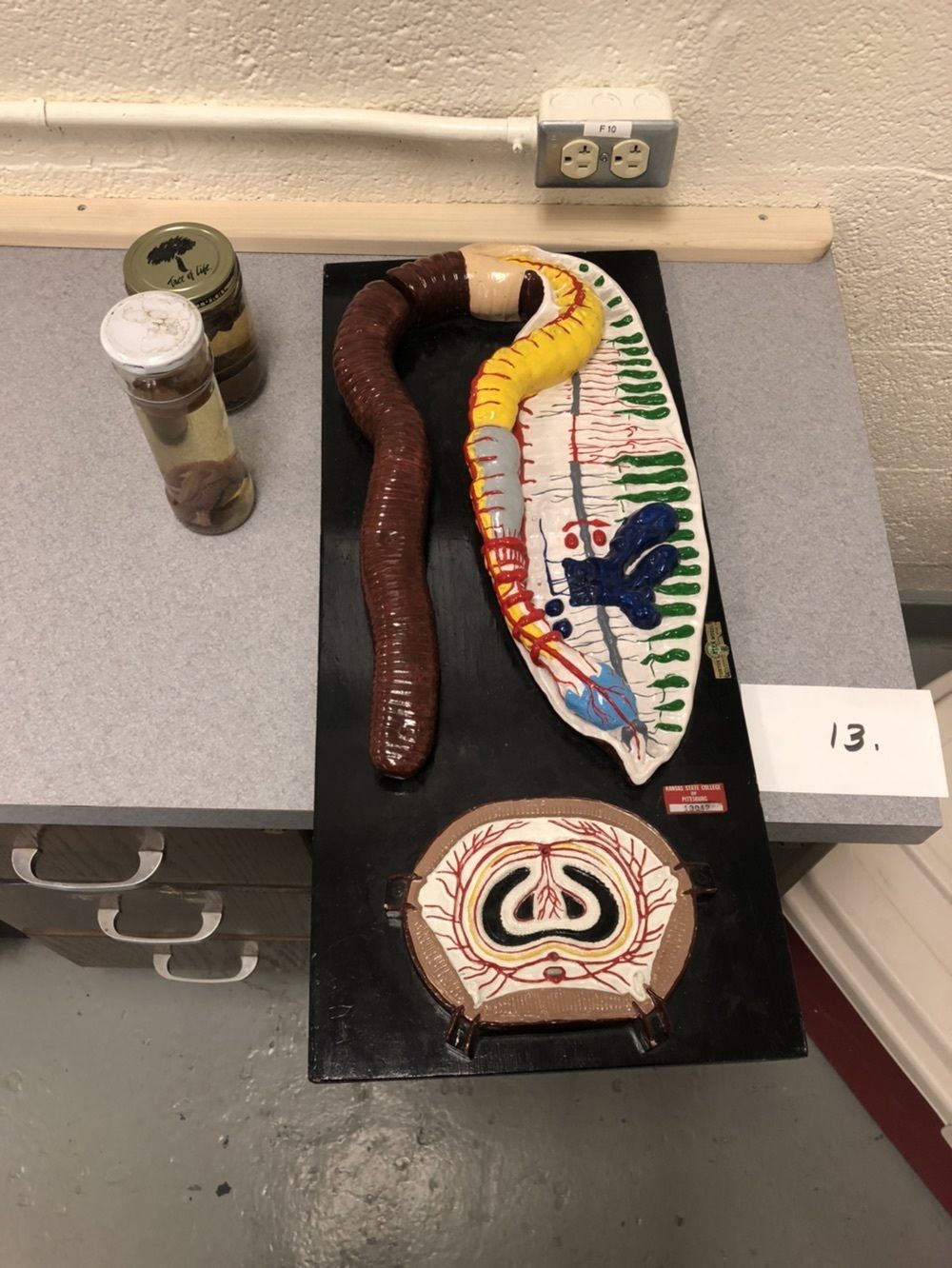
    PHYLUM ANNELIDA (segmented worms): segmented, complex organ systems
  19. 19—CLASS REPITILA:
    breathe with lungs, cold-blooded, eggs are surrounded by shells and laid on land, skin covered with scales
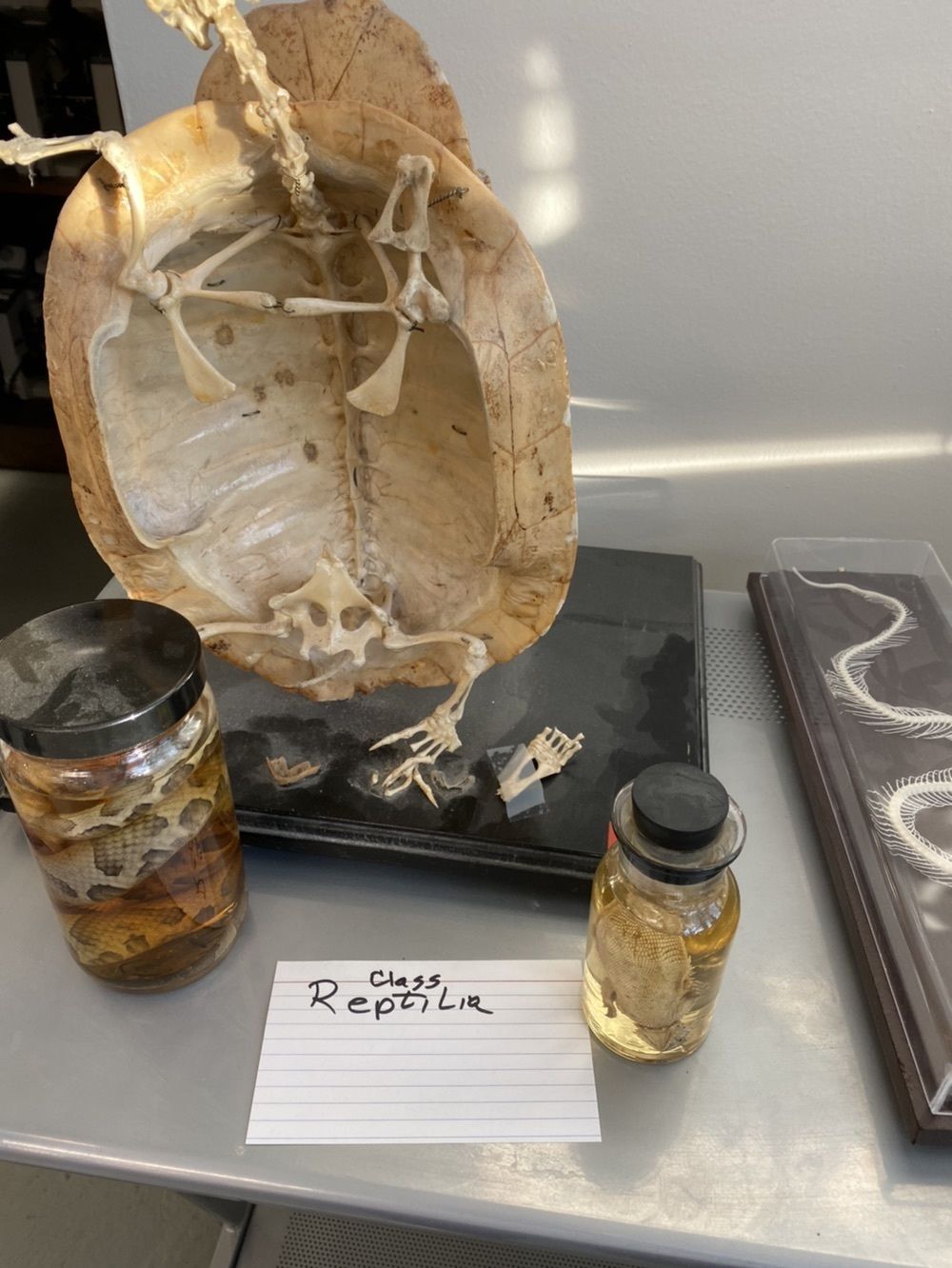
    CLASS REPITILA: breathe with lungs, cold-blooded, eggs are surrounded by shells and laid on land, skin covered with scales
  20. 20—PHYLUM PORIFERA (sponges):
    stiff skeletons of calcium carbonate, silicon spicules or spongin fibers
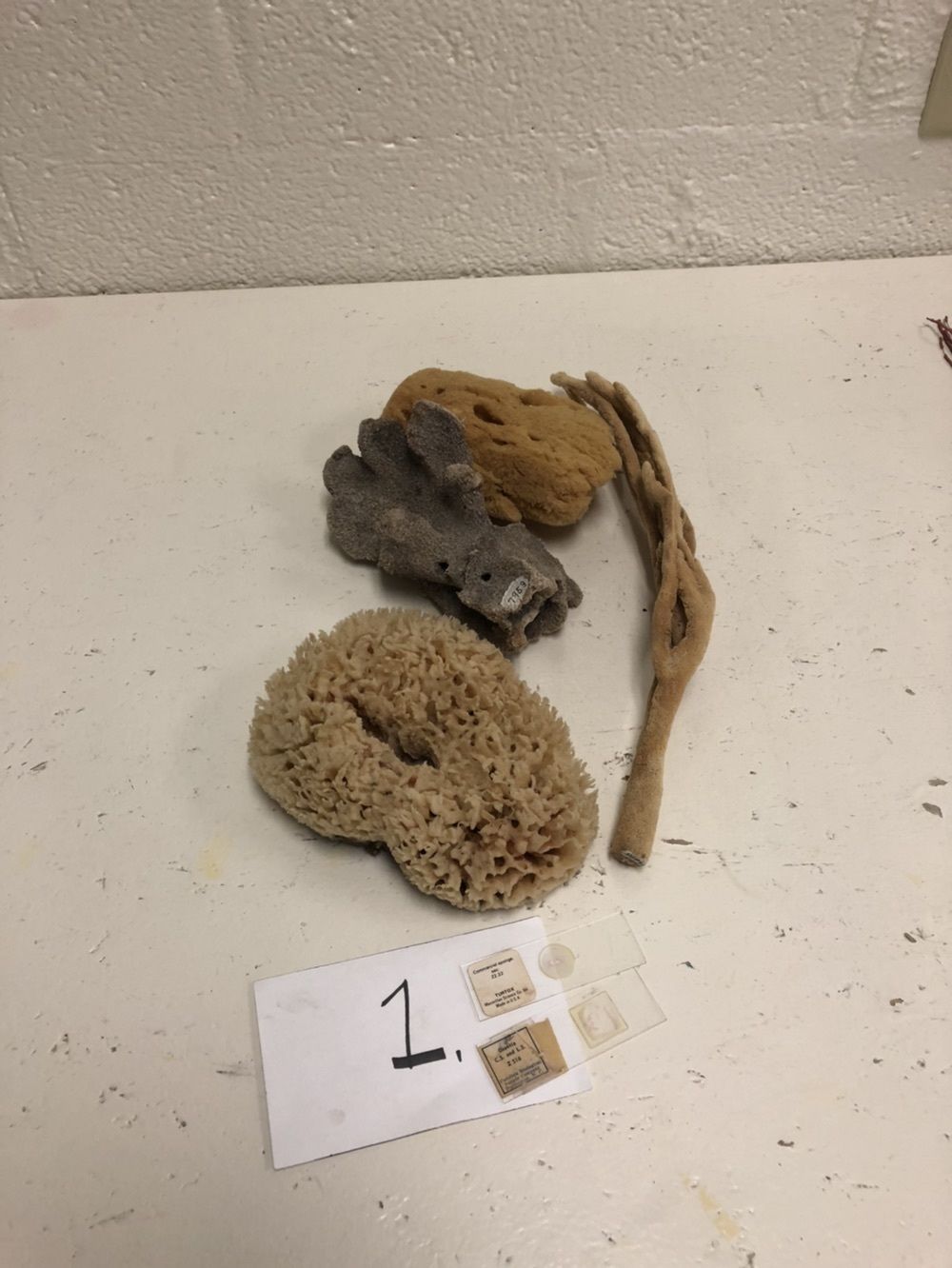
    PHYLUM PORIFERA (sponges): stiff skeletons of calcium carbonate, silicon spicules or spongin fibers
  21. 21—CLASS CHONDRICHTHYES:
    cartilaginous skeleton, skin covered with placoid scales
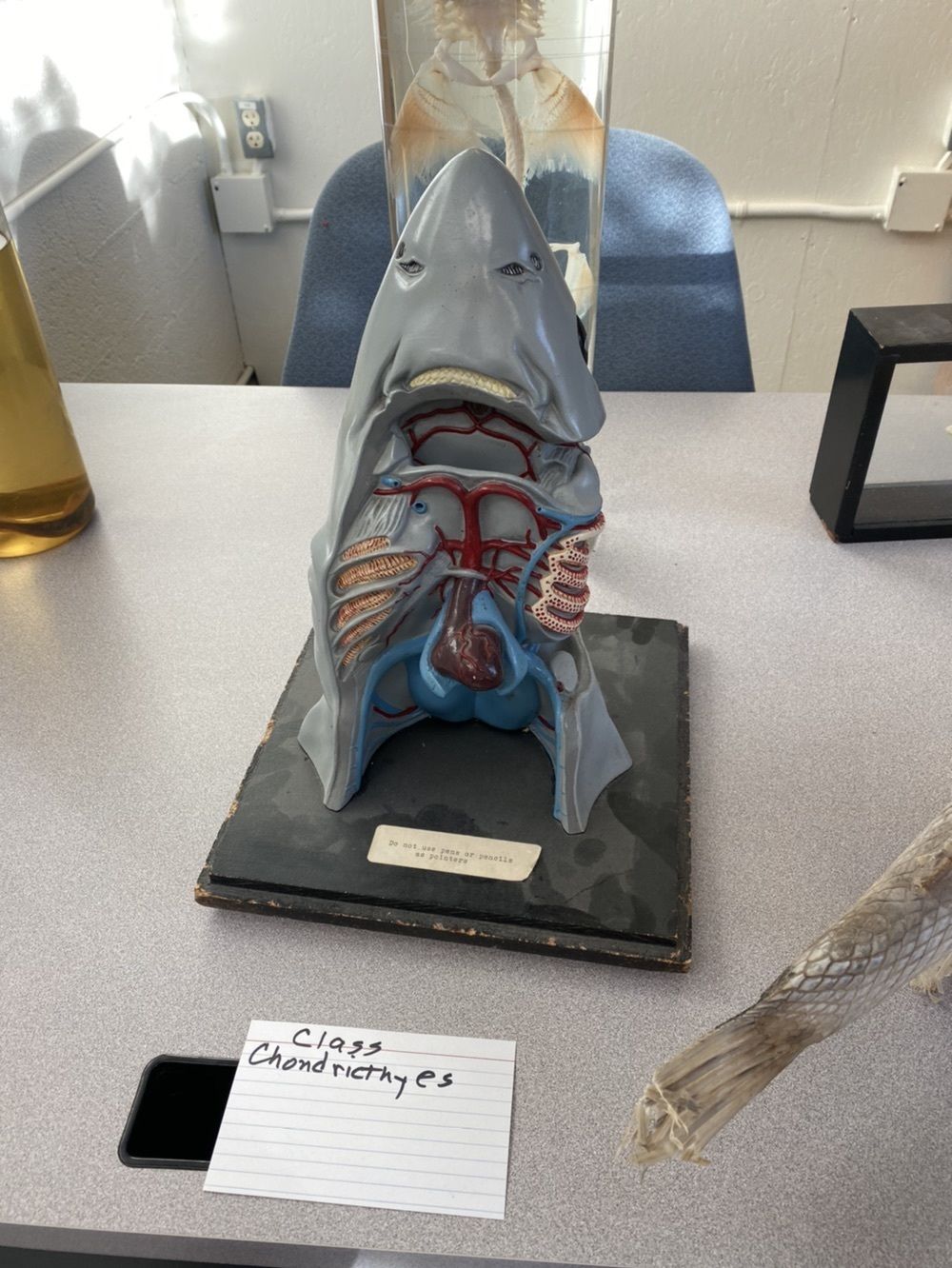
    CLASS CHONDRICHTHYES: cartilaginous skeleton, skin covered with placoid scales
  22. 22—ANGIOSPERMS (flowering plants):
    produce flowers
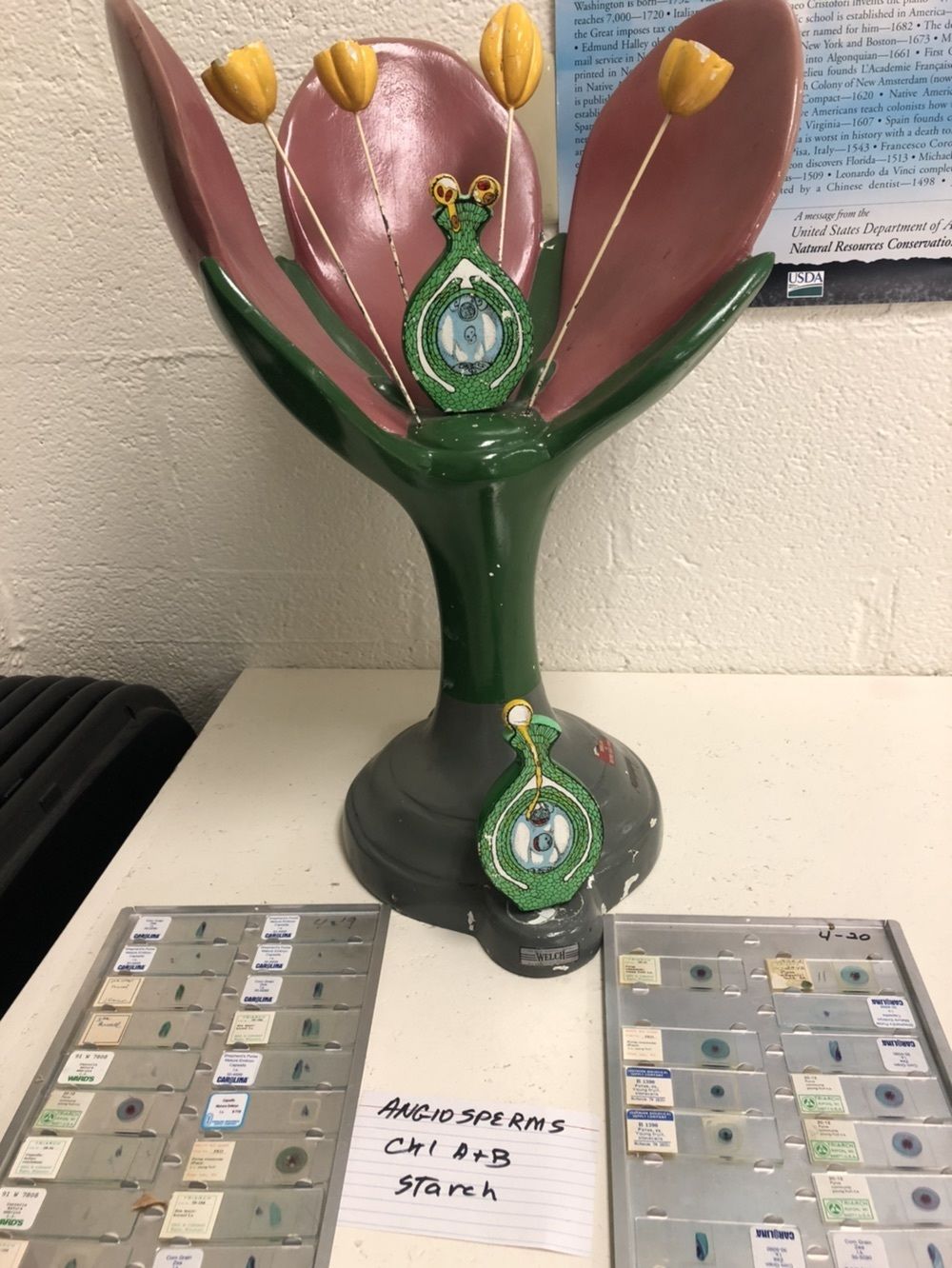
    ANGIOSPERMS (flowering plants): produce flowers
  23. 23—BASIDIOMYCETESBASIDIOMYCETES
  24. 24—PHYLUM ARTHROPODS:
    chitinous exoskeleton & jointed appendages
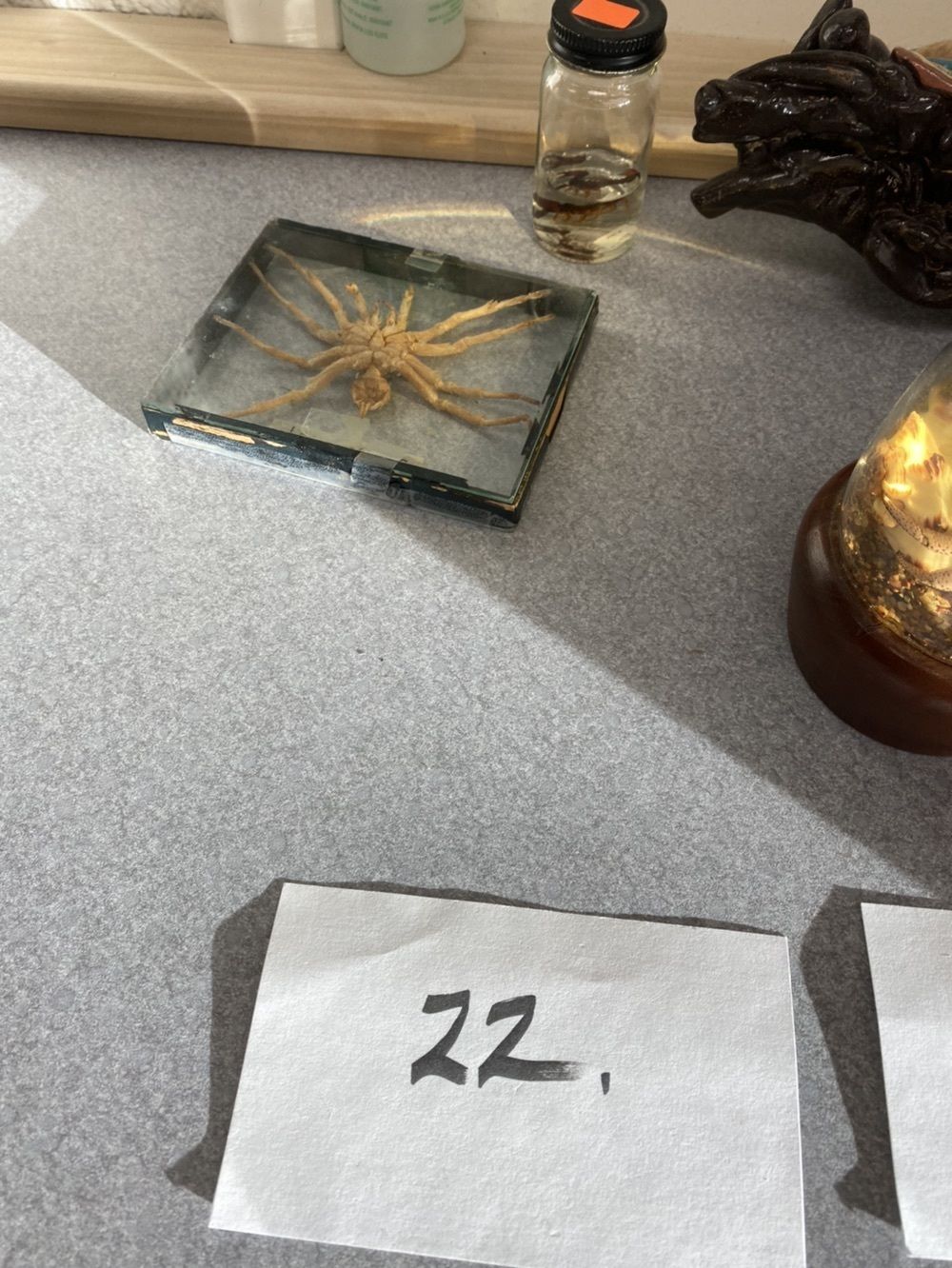
    PHYLUM ARTHROPODS: chitinous exoskeleton & jointed appendages
  25. 25—PHYLUM ECHINODERMATA:
    start bilaterally symmetric and become radically symmetric; dueterostomes
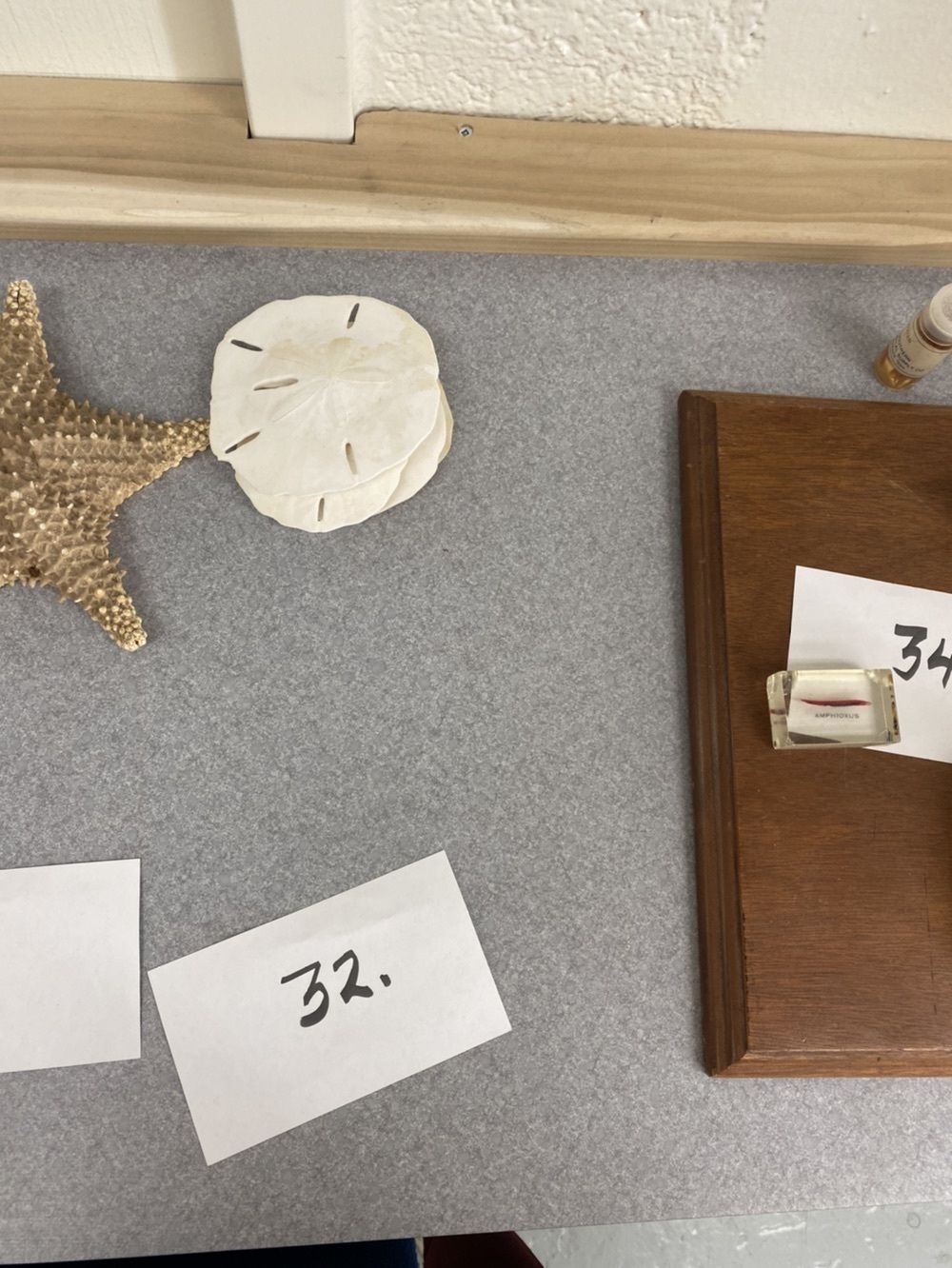
    PHYLUM ECHINODERMATA: start bilaterally symmetric and become radically symmetric; dueterostomes
  26. 26—PHYUM CHORDATA:
    specifically Amphioxus-
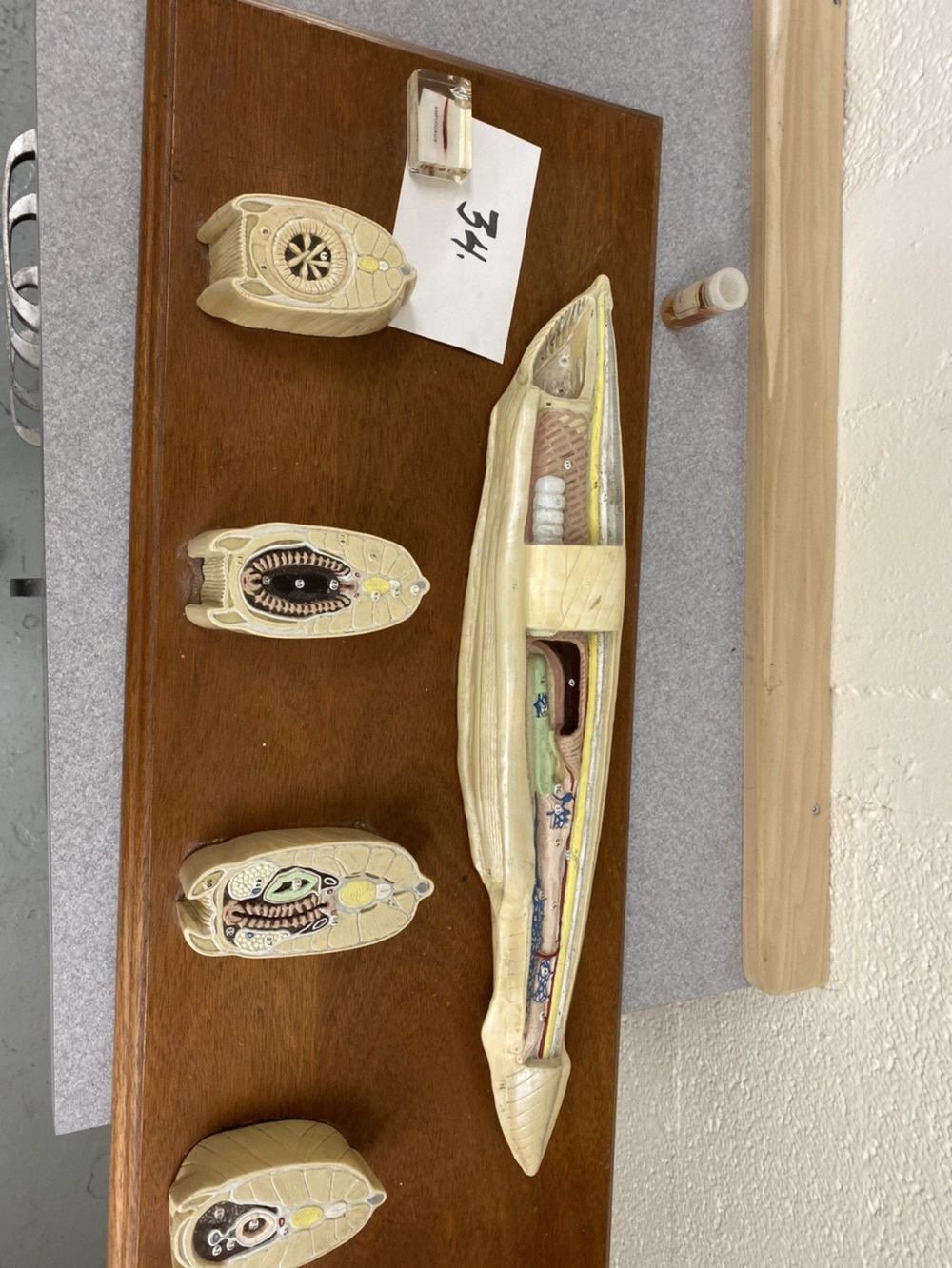
    PHYUM CHORDATA: specifically Amphioxus-
  27. 27—COELENTERATES:
    part of cnidarians; come in 3 classes
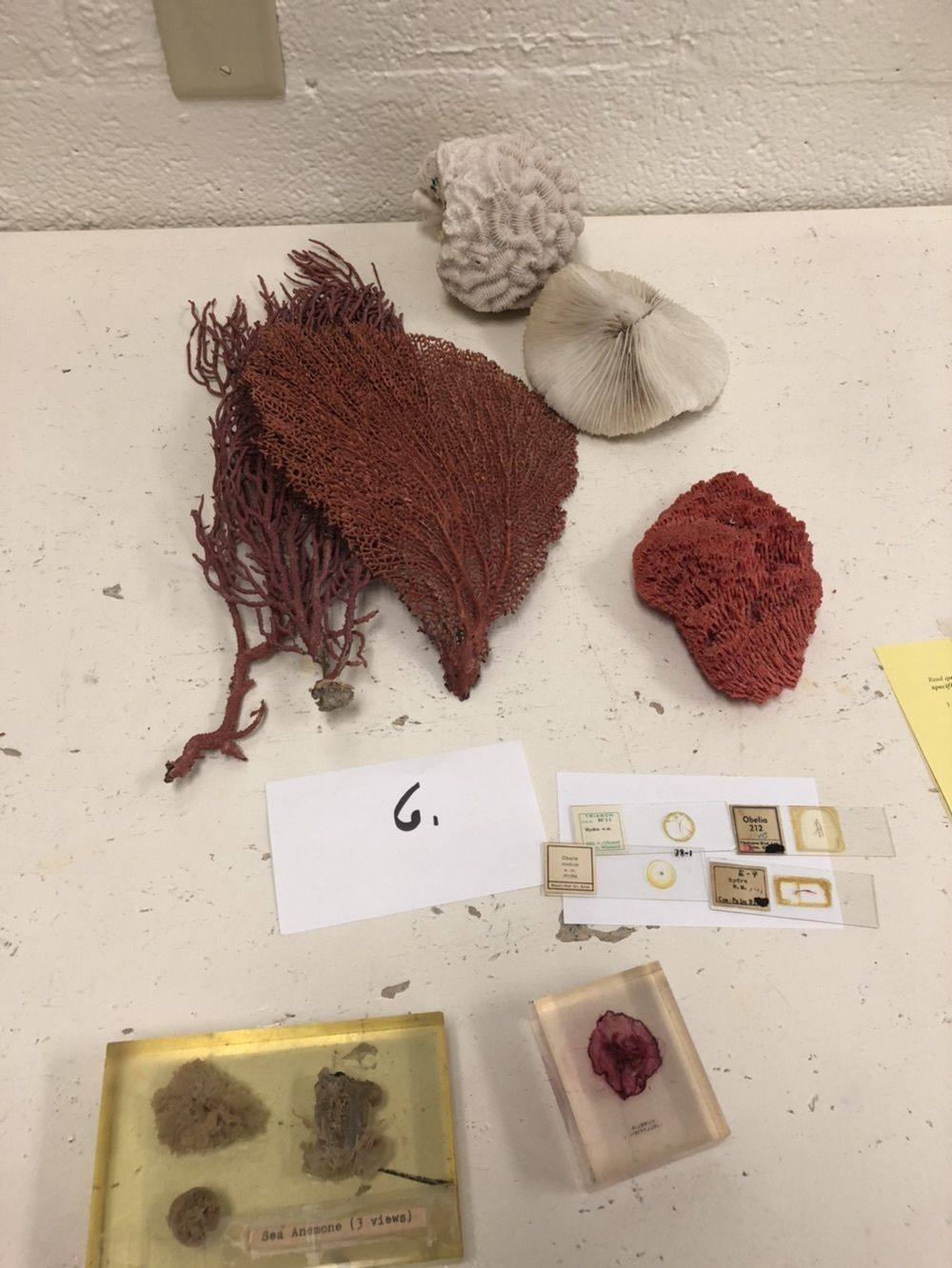
    COELENTERATES: part of cnidarians; come in 3 classes
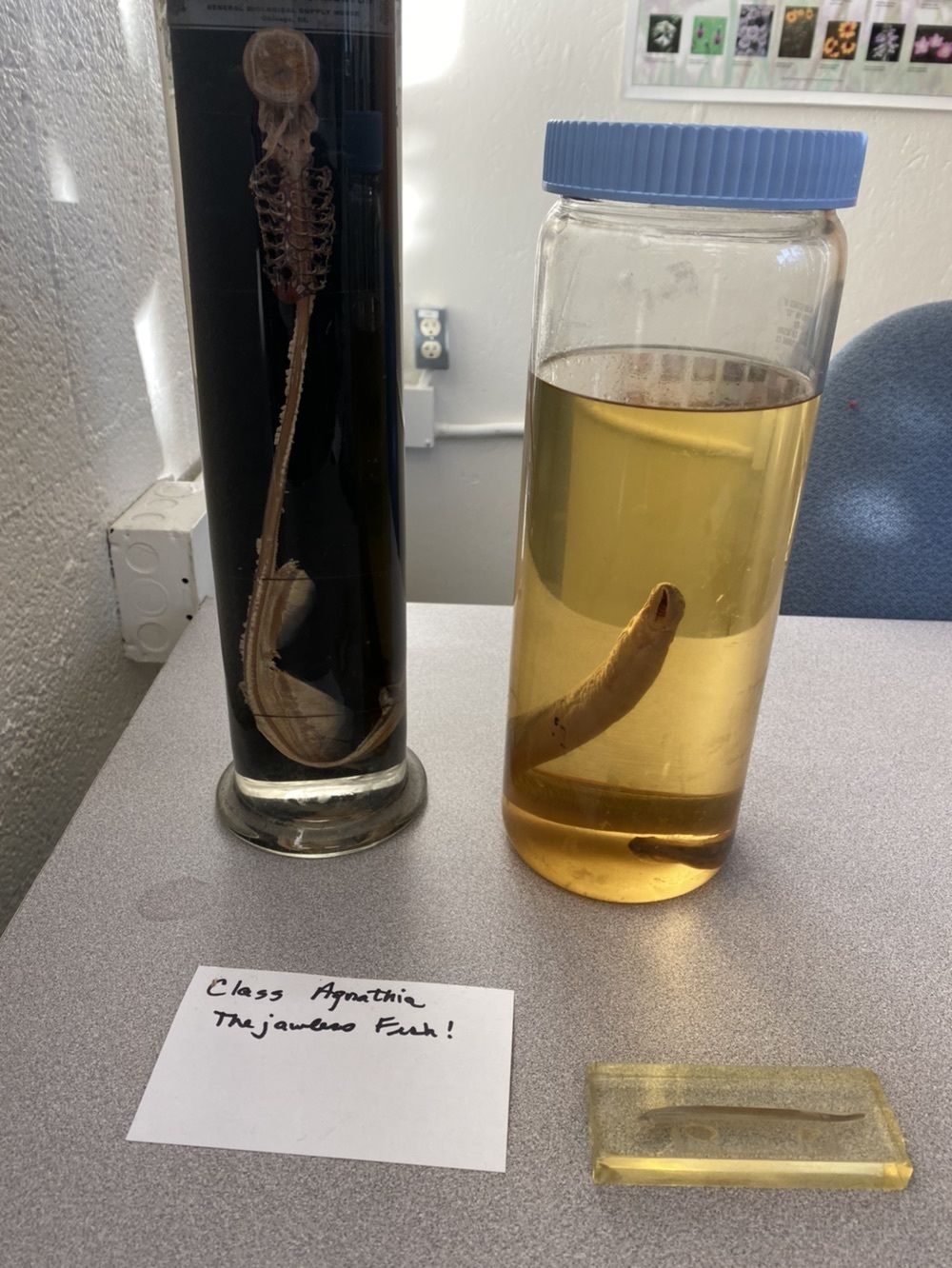
  28. 28—CLASS AGNATHA:
    jawless fish
    CLASS AGNATHA: jawless fish
  29. 29—CLASS AMPHIBIA:
    moist glandular skin, 3-chambered heart, gill-breathing larvae become lung-breathing adults
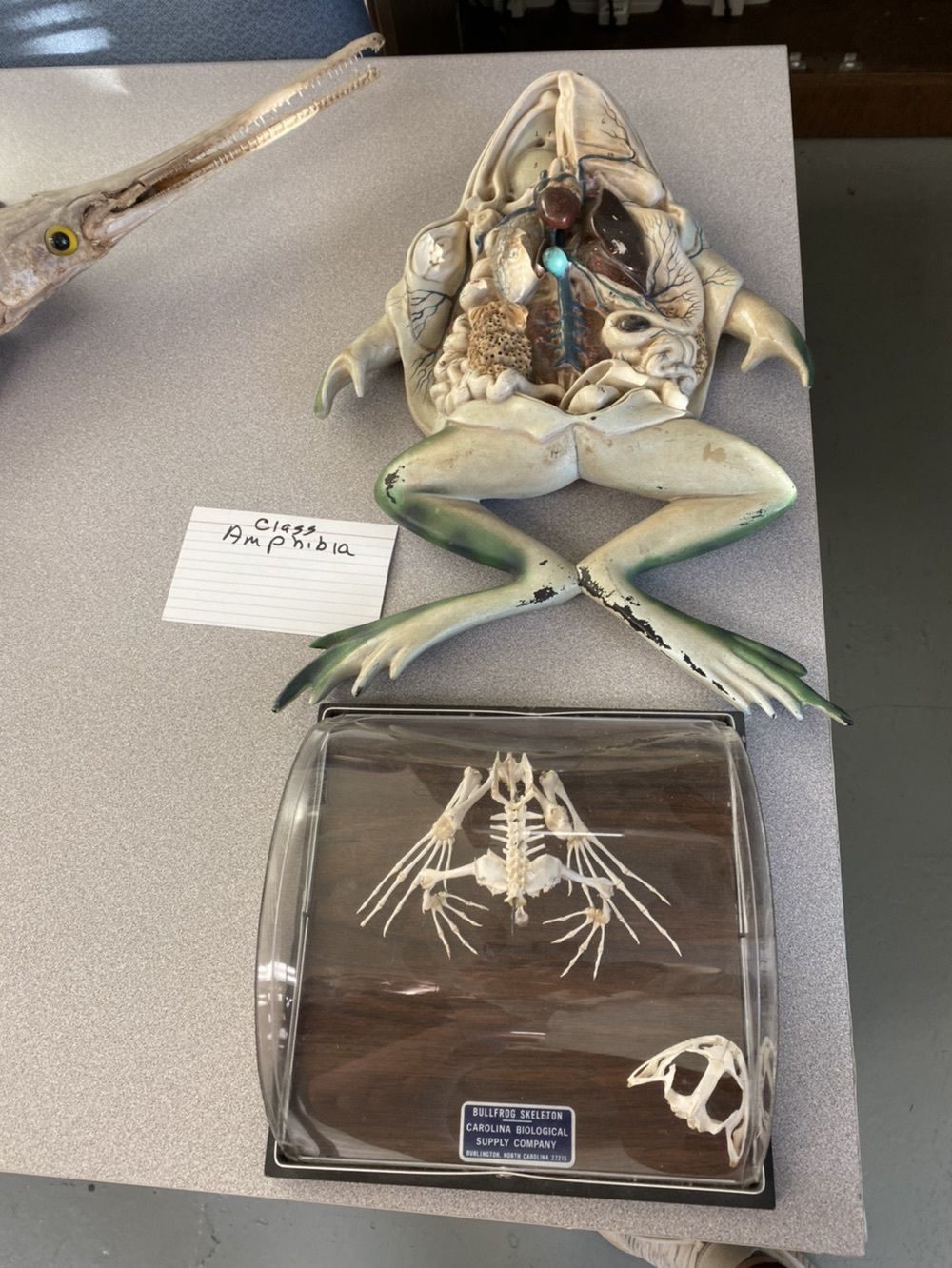
    CLASS AMPHIBIA: moist glandular skin, 3-chambered heart, gill-breathing larvae become lung-breathing adults
  30. 30—CLASS OSTEICHTHYES:
    bony fish-skeletons of bone
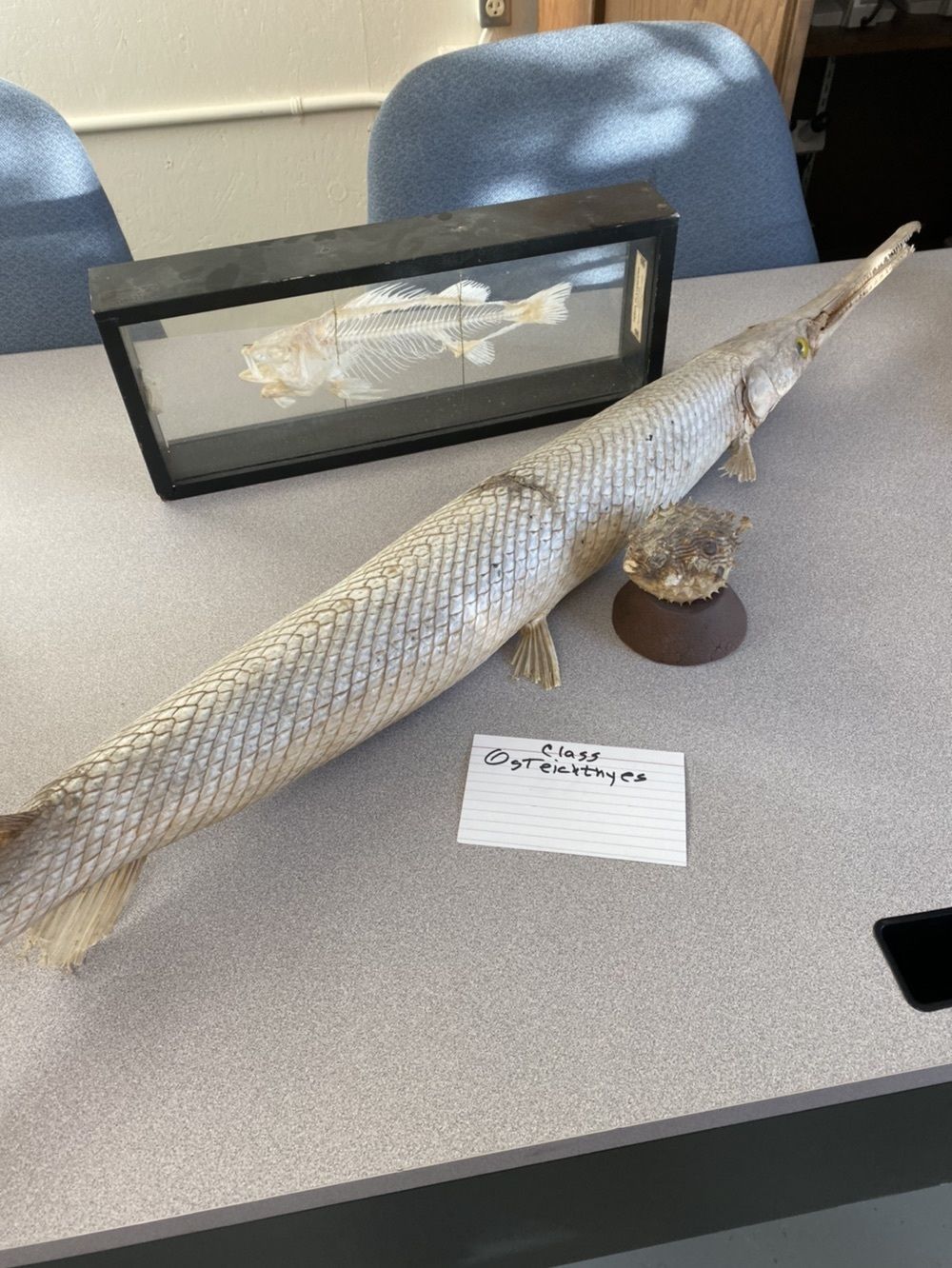
    CLASS OSTEICHTHYES: bony fish-skeletons of bone
  31. 31—PHYLUM MOLLUSCA:
    shells of calcium carbonate
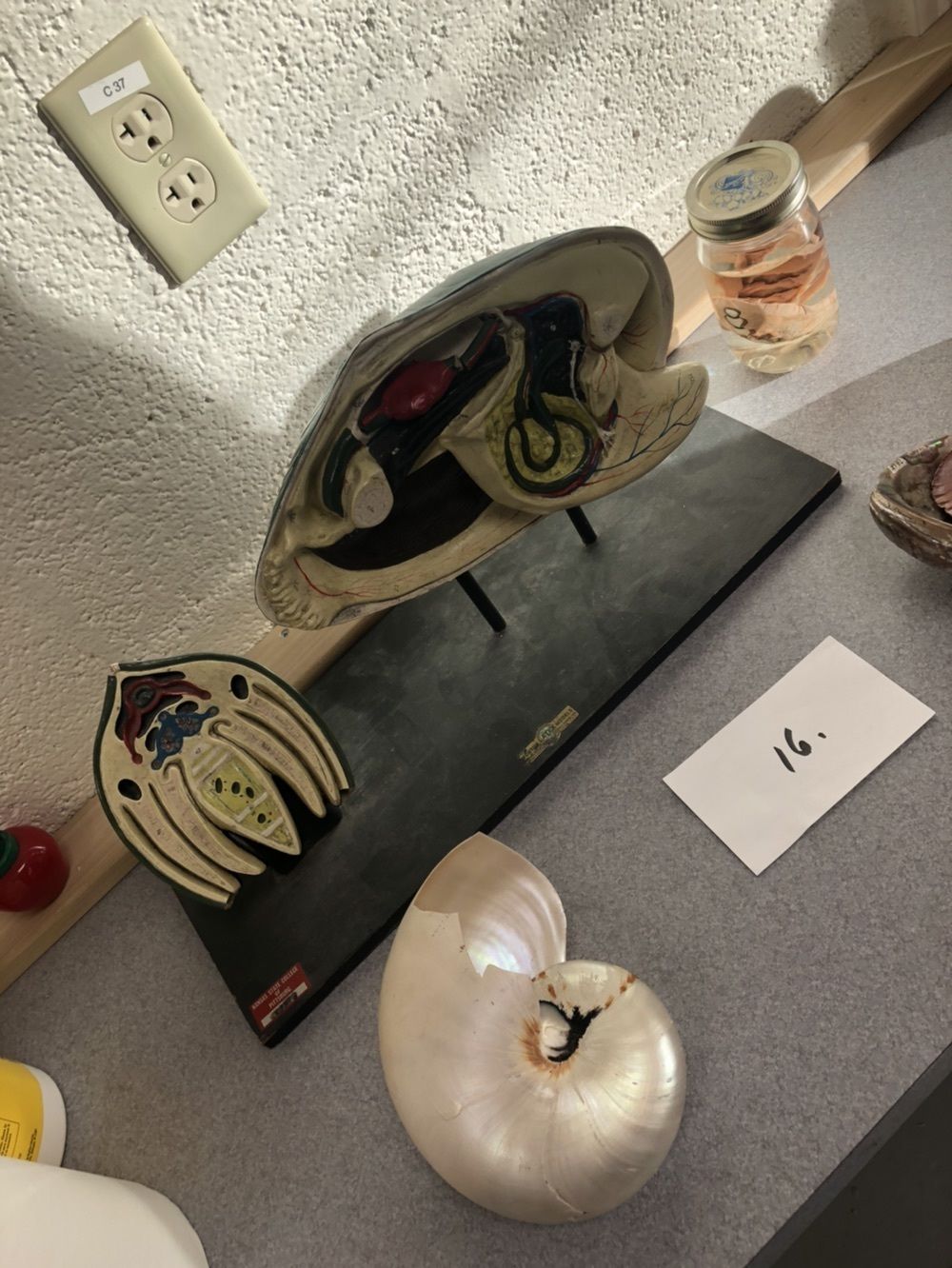
    PHYLUM MOLLUSCA: shells of calcium carbonate
  32. 32—MOSSMOSS
  33. 33—LICHENLICHEN

Information

Description
General Biology Lab Final-Dr. Dawson PSU
Created by
CLAIRE SCHMIDT
Views
54
Rating

Feedback

What is it about?

What do you think of the new look?

How do you like it?