Mind map
Chemistry C1
Map content
Chemistry C1
Calcium Carbonate CaCO3
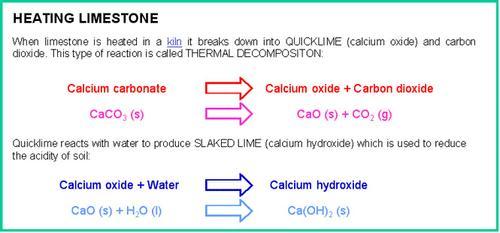
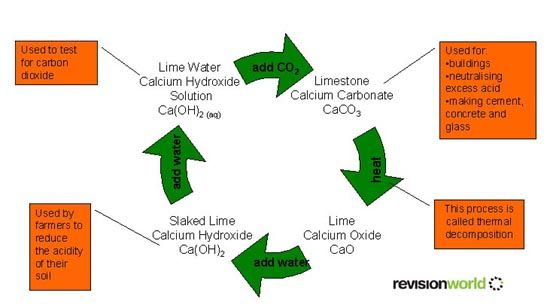
- Thermal decomposition - substance chemically broken down when heated (Endothermic reaction)
- Carbonates of magnesium, zinc, calcium, ect decomposes with heat to form a metal oxide and cadrbon dioxide
- Carbonates react with acid to produce carbon dioxide, sa;lt and water
- Carbonates of magnesium, zinc, calcium, ect decomposes with heat to form a metal oxide and cadrbon dioxide
- Calcium hydroxide - alkali used to neutrilise acids
- limewater turns cloudy because calcium carbonate is insoluable in water
- Limestone sedimentry rock
- Examples: Igneous-graphite Metaphoric - marble
- Acid Rain (sulphuric Acid)- limestone reacts
- Cement = Limestone +clay Mortar = sand + Cement Concrete = sand+ grave
- Thermal decomposition - substance chemically broken down when heated (Endothermic reaction)
Signs of a chemcial reaction - Colour change, Precipitate, Energy formed (fizzing), odour
- Exothermic- gives out heat, realeases enegry to surrpundings Endothermic reaction- take energy in from surroundings so temperatue falls
- Oxidation- gain oxygen Reduction - lose oxygen
- Transition metals
- viscose- thick consistency
- ATOMS AREN'T LOST OR MADE IN CHEMIcAL REACTIONS
- neither is mass
- ATOMS AREN'T LOST OR MADE IN CHEMIcAL REACTIONS
- viscose- thick consistency
- atomic number - number of protons or electrons
- mass number - prton + neutrons
- Transition metals
- Oxidation- gain oxygen Reduction - lose oxygen
- Exothermic- gives out heat, realeases enegry to surrpundings Endothermic reaction- take energy in from surroundings so temperatue falls
Alloy
- mixture with at least one other element and a metal
- irregular shape so layers can't slide past making it strong
- Strong, easy to shape
- Alloy shape memory- return back to shape when heated. Example: nitinal
- mixture with at least one other element and a metal
Extracting metals
- Metal ore-natural rocks containing metal or metal compounds in sufficient amount to make extraction worthwhile
- REDUCTION WITH CARBON
- Metal oxide loses oxygen when heated with carbon and is therefore reduced. the carbon gains oxygen and is therefore oxygenised
- below carbon
- ELECTROLYSIS
- Splitting using electricity
- expensive
- purify copper
- Positive ions move to negative electrodes
- PHYTOMINING
- plants absorb metal compounds, burnt to prouce ash containing metal compounds
- used for low grade ores as ores are running out
- plants absorb metal compounds, burnt to prouce ash containing metal compounds
- BIOLEACHING
- bacteria produce leachate solutions that contain metal compounds
- concentrated = getting rid of unwanted rock material by heating ores in a furnace (smelting) and then purify - electoylsis
Metals
- Titanium - hip replacement-wont corrode Aluminiun- aeroplane- strong and light
Crude oil
- hydrocarbons
- fractional distillating column
- the higher the boiling point- the more energy needed- the longer the chains- the lower down it will be
- intermolcular forces
- crude oil when burned realease carbon monoxide, carbon dioxide, sulphur dioxide- global dimming-global warming, acid rain
- intermolcular forces
- the higher the boiling point- the more energy needed- the longer the chains- the lower down it will be
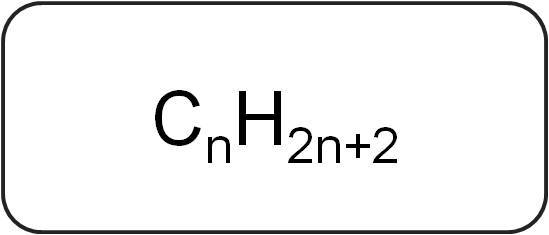
- ALKANES
- one bond
- Saturated
- Non renewable
COVALENT bonding
- sharing
- non-metal + non-metal
IONIC bonding
- giiving or gaining
- metal lose electrons to form positive ions - non-metals gain electrons to form negative ions
- giiving or gaining