
Mind map
Theories of Second-Language Acquisition
Map content
Theories of Second-Language Acquisition
Innateness Hypothesis
- Lenneberg
- "Language is a biologically controlled behavior that develops from within, triggered by age and environment."
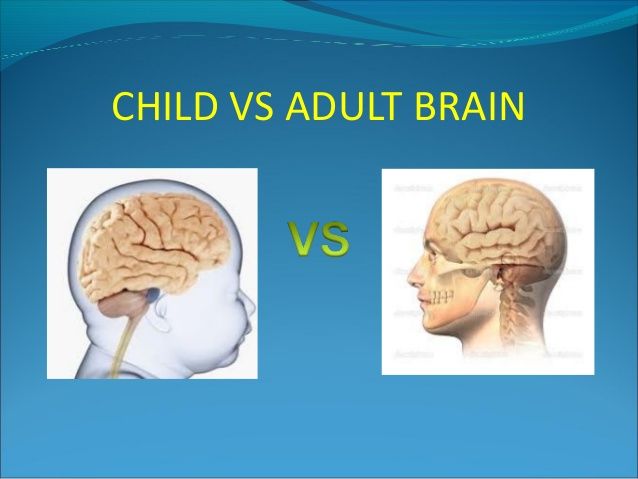
- Applicable to the learner from birth to age 2 where the brain undergoes a crucial developmental period.
Contrastive Analysis
- "The theory that comparing first and second languages can predict what might be easy or difficult for the learner."
- No contributor mentioned
- The theory was actually proven to not be effective so it would be well-advised not to apply it in the classroom.
Behaviorism through audiolingualism
- No contributors mentioned
- "The method is behavioral, emphasizing oral practice such as pattern drills of specific grammatical form."
- This would be student-teacher interaction with the teacher correcting problems as they occur. No writing or writing until oral adequacy.
Communicative Competence
- Hymes
- "The knowledge that enables language users to 'convey and interpret messages and to negotiate meanings interpersonally within specific contexts.'"
- Application is through social functioning of language: requesting, refusing, agreeing, telling a story, etc. One example is roleplay.
Interlanguage Theory
- Selinker
- "[It] asserted that the learner's language should be viewed as creative, with rules unique to itself, and not just a borrowed or incomplete form of the target language."
- Since this theory doesn't really view "errors" as errors, the teacher instead uses student mistakes to focus on what to better instruct. I would argue that codeswitching is similar to this except, instead of switching languages, it almost combines them.
Images and files in the map


Information
- Description
- For my CTRD 5003 class at Auburn University
- Created by
- Katie Hamff
- Views
- 40
- Tags
- Rating