
Notes
Biology Chapter 4
Content of the notes (1)
Page 1
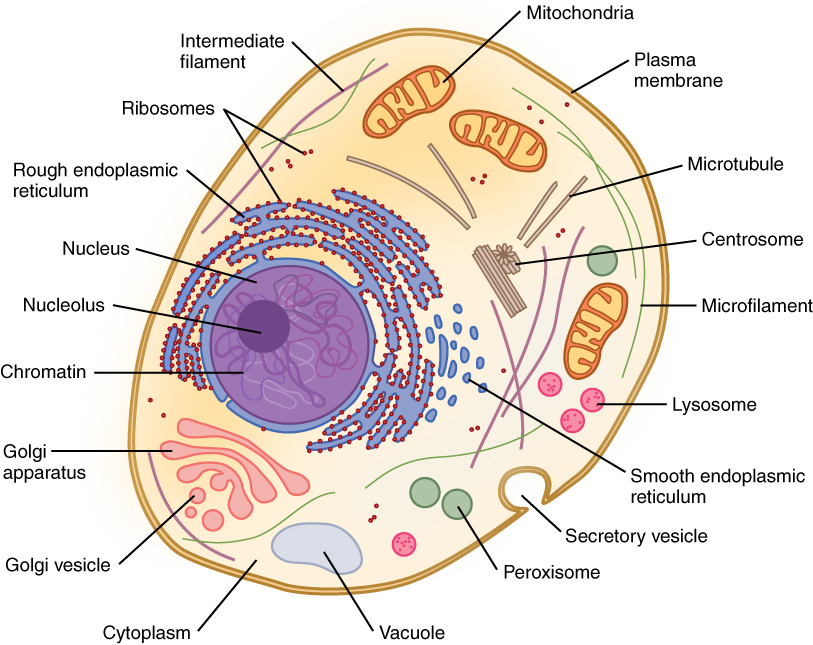
ANIMAL CELL
NUCLEUS:
RIBOSOMES:
ENDOMEMBRANE SYSTEM: nucleus, nuclear envelope, endoplasmic reticulum, golgi, lysosomes, vesicles & vacuoles, plasma membrane
-carries out synthesis of proteins, transport of proteins, metabolism + movement of lipids, detoxification of poisons
VESICLES:(TRANSPORT)
GLYCOPROTEINS:
ENDOPLASMIC RETICULUM:(ROUGH AND SMOOTH)
GOLGI APPARATUS:
L
LYSOSOME:
Phagocytosis:
process in which protists eat by engulfing smaller organisms
VACUOLES:
MITOCHONDRIA:
CYTOPLASM:
CYTOSKELETON:
CELLULAR JUNCTIONS
ANIMAL CELL
Extracellular Matrix
Glycoproteins & carb- containing cells
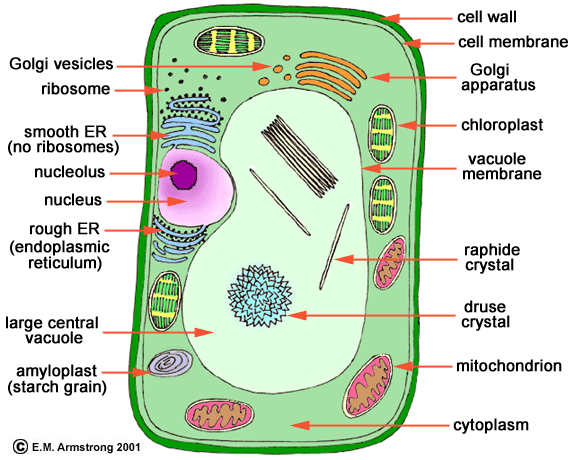
PLANT CELL
CELL WALL:
PEROXISOMES:
CHLOROPLAST:
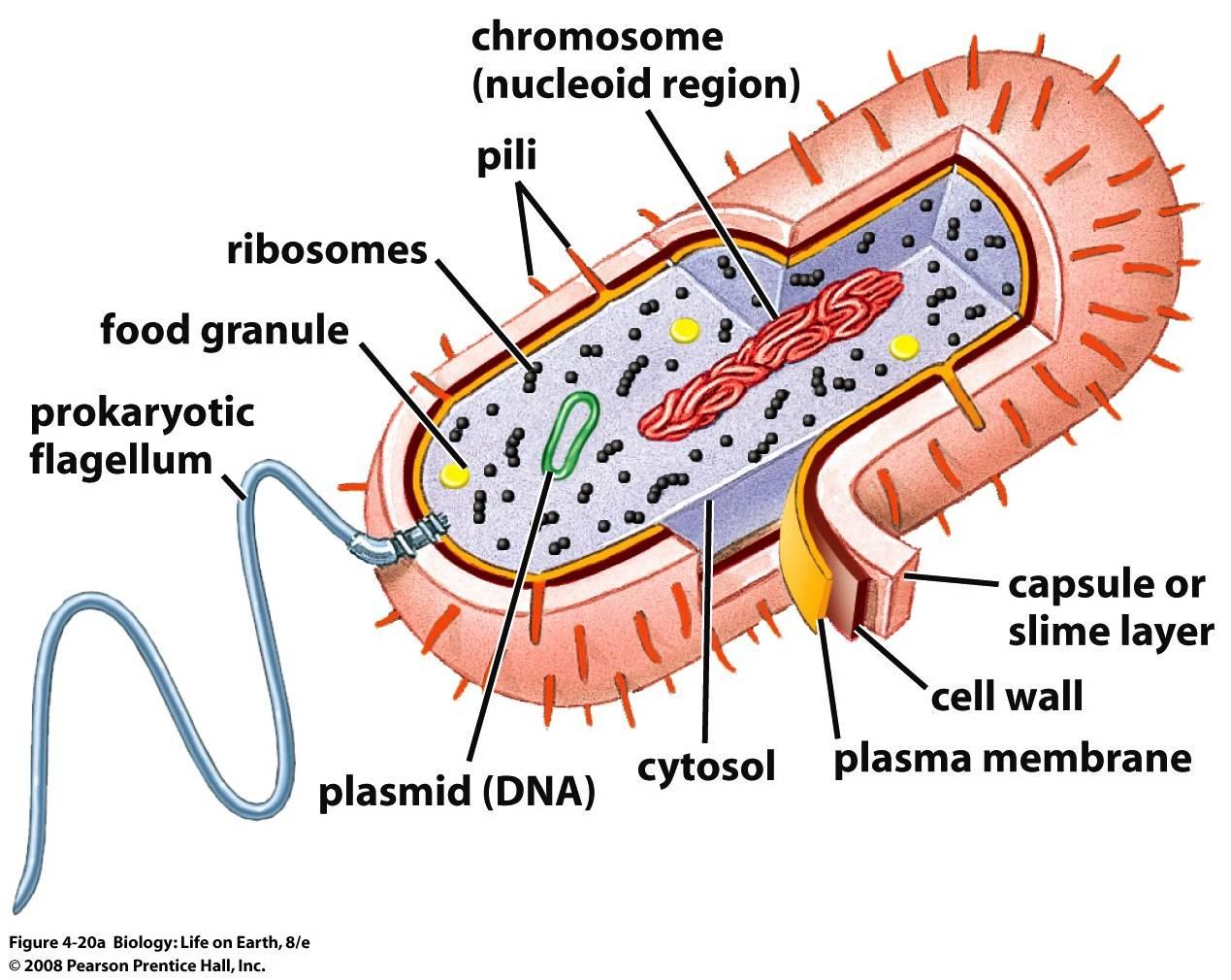
PROKARYOTIC CELL
Collagen- glycoprotein; forms strong fibers in outside cell
Proteoglycans- small protein with carb chains covalently attached
Fibronectin- glycoprotein; bind to cell surface receptor proteins (integrins)
Integrin- receptor protein in plasma membrane
Tight Junctions
Seal adjacent epithelial cells
Functions
1) prevent the passage of molecules and ions between cells
-controls what substances are allowed through
2) block the movement of integral membrane proteins
-receptor mediated endocytosis and exocytosis can be preserved
PLANT CELL
Plasmodesmata
-communication between plant cells
-single living unit
Gap Junctions
-communication
-communication
Desmosomes
"rivets"
-hold two cells tightly together

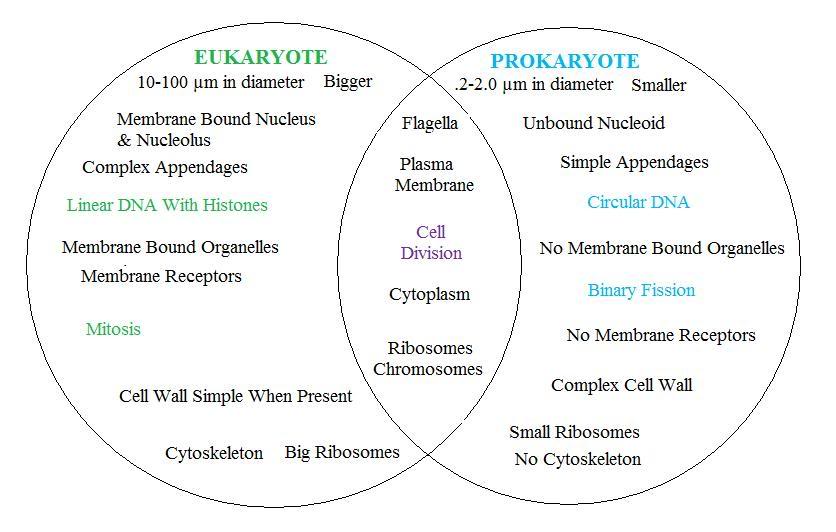
Eukaryotic Cell-Animal
Prokaryotic Cell
Eukaryotic Cell- Plant
Cellular Junctions
Information
- Description
- (Biology ) Note on Biology Chapter 4 , created by boneskip on 22/01/2014.
- Created by
- boneskip · Jan 2014
- Updated
- Dec 6, 2016
- Views
- 735
- Tags
- Rating