
Notes
Variation, Genetic Diversity, Biodiversity and Classification Notes
Content of the notes (1)
Page 1
Sampling-
Using a large sample size will reduce sampling chance and allow for more reliable results. Analysis of data will also reduce sampling chance.
To reduce sampling bias you should use random sampling.
Interspecies Variation: Variation across different species. If they were to reproduce, they would produce infertile offspring.
GENETIC CAUSES OF VARIATION:
Mutations
Meiosis
Fusion of gametes
Mutations are sudden changes to genes and chromosomes which may sometimes pass on to the next generation.
Meiosis is a special form of nuclear division that forms gametes. This mixes up the genetic material before it is passed into the gametes, all of which are therefore different.
In sexual reproduction the offspring inherit some characteristics of each parent and are therefore different from both of them. Which gamete fuses with which at fertilisation is a random process further adding to the variety of offspring two parents can produce.
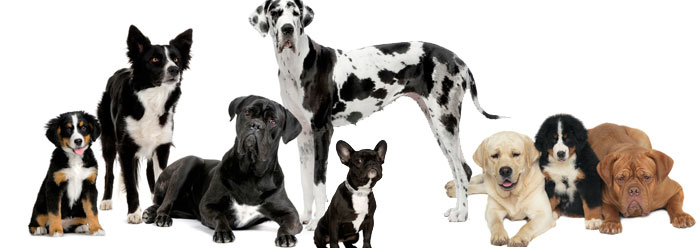
Intraspecies Variation: Variation within on species e.g. dog breeds. If they were to reproduce they would produce fertile offspring.
The mean is the measurement at the maximum height of the normal distribution curve. The mean of a sample of data provides an average value and is useful information when comparing one sample with another. It does not, however, provide any information about the range of values within the sample.
The standard deviation is a measure of the width of the curve. It gives an indication of the range of values either side of the mean. A standard deviation is the distance from the mean to the point where the curve changes from being convex to concave (the point of inflexion). 68% of all the measurements lie within the _+1.0 of standard deviation, and 95% lie within the _+2.0.
A large standard deviation means a lot of variety, whereas a small standard deviation means little variety.
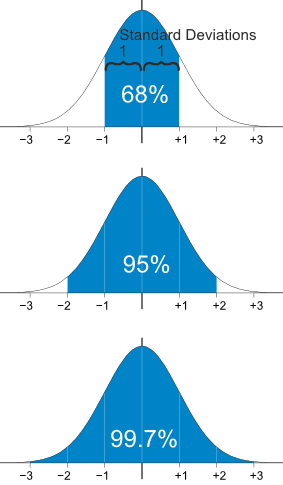
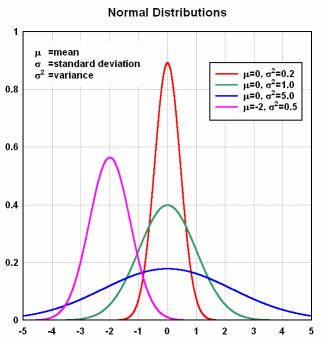
(An example graph and the measurements- means and standard deviations- that it shows) > Blue line shows more variation than red line
How do you work out standard deviation? Here's an example, learn the steps:
Our values- 20, 5, 6, 4, 15
Step 1: Find the mean. 20+5+6+4+15=50/5 = 10
Step 2: Take away the mean from each value.
20-10=10
5-10=-5
6-10=-4
4-10=-6
15-10=5
Step 3: Square the values gained from the last calculation, even the squares- you should get whole numbers.
(10)^2 = 100
(-5)^2 = 25
(-4)^2 = 16
(-6)^2 = 36
(5)^2 = 25
Step 4: Add all of these values together, and divide by the total number of them minus one.
100 + 25 + 16 + 36 + 25 = 202/(5-1) ... 202/4 = 50.5
Step 5: Square root this answer. √ 50.5 = 7.106335202 = 7.11 <-- THIS IS YOUR ANSWER :)
Continuous Variation - Measurable on a scale e.g. height, length, time, temperature etc.
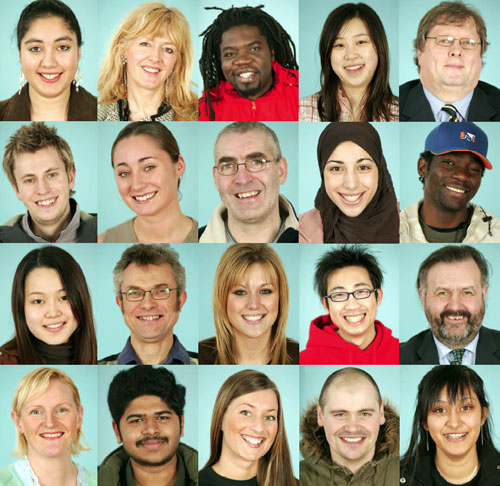
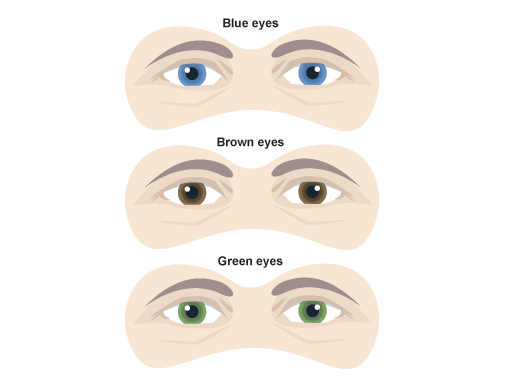
Discontinuous Variation - Marked/Distinct Groups e.g. blood type, eye colour etc.
Causes of variation:
Genetic Differences (as mentioned to the left- fusion of gametes, meiosis, mutations)
Environmental influences e.g. weather, climate, diet, scars, exercise
Discontinuous variation occurs due to genetic factors
Continuous variation occurs due to environmental factors
KEY TERMS TO LEARN:
GENE POOL - Total no. alleles in a population at a particular time
SELECTIVE BREEDING - Artificial selection, variety is restricted, smaller gene pool
DIFFERENT ALLELES - Greater number = more genetic diversity = more likely/able to adapt
DISCONTINUOUS VARIATION - 1 or 2 genes, discreet groups, qualitative
CONTINUOUS VARIATION - Polygenes or environmental cause, no discreet groups, quantitative
ENVIRONMENTAL VARIATION - Climate e.g. rainfall, pH, food availability
GENETIC VARIATION - Mutations, meiosis, fusion of gametes
STATISTICAL ANALYSIS - Determines the extent of chance causing variation, or another cause
LARGE SAMPLE SIZE - Less probability that chance will affect results
RANDOM SAMPLING - Uses a grid, random number generator and co-ordinates
AGRICULTURE AND DEFORESTATION - Reduced species diversity
BIODIVERSITY - 3 types: species/genetic/ecosystem
AMINO ACID SEQUENCE COMPARISONS - Compares the same protein from different species - similarities = how closely related they are
IMMUNOLOGICAL COMPARISONS OF PROTEINS - Antibodies from one species will respond to specific antigens on proteins in the blood serum of another
PHYLOGENY - Evolutionary relationships between organisms
NATURAL CLASSIFICATION - Homologous characteristics shared features from ancestors
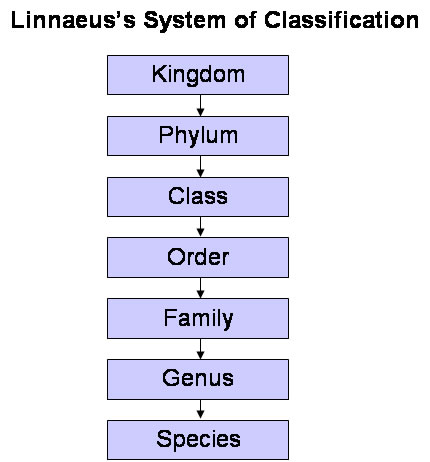
TAXONOMY - King Phillip Cut Open Five Green Snakes: Kingdom, Phylum, Class, Order, Family, Genus, Species
BINOMIAL SYSTEM - Latin/Greek - generic name and specific name
SPECIES - Same gene pool, occupy the same ecological niche, breed to produce living, fertile offspring
GENETIC BOTTLENECK - Sudden drop in population - few survivors, smaller variety of alleles = less genetic diversity
FOUNDER EFFECT - Few individuals colonise area, less genetic diversity
The diversity within a species is due to the different alleles that are inherited, so if there are more alleles in a population there will be more genetic diversity, and there will be less genetic diversity in a population when fewer alleles exist.
A group/population is more likely to survive environmental changes if they have a higher genetic diversity, as they will be more diverse therefore more likely to adapt due to their larger gene pool. Due to their wide range of alleles they'll have a wide range of characteristics, meaning it's more probable that some individuals have a trait that suits the new environmental conditions. These individuals can then reproduce and natural selection can occur.
What could cause alterations within a specie's diversity?
Selective Breeding
Genetic Bottlenecks (major events)
The founder effect (new colonies)
Genes within DNA code for one or more polypeptide. Members of the same species all share the same genes, e.g. all human have a gene which codes for a blood group.
Which blood group (/other characteristic) depends on which two alleles of the gene an individual possesses.
Organisms therefore differ in their alleles and not their genes, it's the combination of alleles they possess that make different species and individuals within species different from one another. so differences between organisms may be defined in terms of variation in DNA.
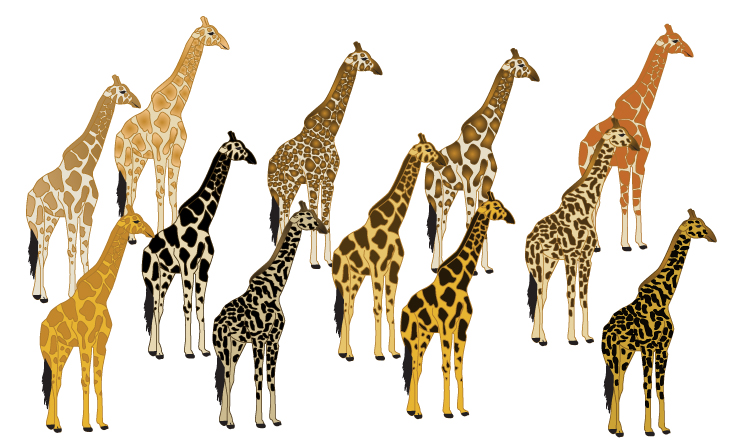
Genetic Drift- Bottleneck Effect:
There is a dramatic drop in a population's number due to an indiscriminate event. This means that a smaller number of genes are left over that are no longer representative of the population beforehand. Furthermore, less alleles remain meaning a smaller amount of genetic diversity/variety. Genetic diversity remains limited even after breeding of existing/left over species due to the smaller genetic pool.
Founder Effect:
Few individuals move from one region to a new one. Again, a smaller number alleles exist in this smaller population, which are not representative of the previous group. This smaller species breed, and the new population is less diverse e.g. The Amish. These new populations are genetically distinct from the species they left behind, and may in time develop into a new species. However, they are less likely to adapt than the old, larger species, as they have a smaller number of alleles.
Both end up with the same results, however this is due to different causes!
Selective Breeding:
Also known as artificial selection, this process involves identifying individuals with the desired characteristics and using them to parent the next generation. Offspring that do not exhibit the desired characteristics are killed or at least prevented from breeding. In this way, alleles for unwanted characteristics are bred out of the population, as the variety of alleles in the population is deliberately restricted to a small number of desired alleles. Over many generations, this leads to a population all of which possess the desired qualities so has a reduced genetic diversity.
This process is often carried out in order to produce high yielding breeds of domesticated animals and strains of plants. For example, wheat is selectively bred to include large grains with high gluten content, short stems and resistance to disease.
Advantages:
Selective breeding allows the promotion of
characteristics more economically favourable to the farmer. For example,
certain cows, like the Friesan
cow, produce more milk on average than other cows; by breeding these cows
with each other, the high milk yield gene will be passed on to the offspring.
The promotion of these favourable characteristics will increase the economic
value of the organism.
Larger, stronger animals/animals of a higher yield are produced. For example
Aberdeen Angus bulls are bred for beef as they are large and muscular so produce
better meat to be sold.
It will give increased immunity to a certain
disease or illness. Advances in
genetic study now allow pre-screening and identification of certain genetic
diseases. Controlled breeding of animals with no genetic diseases will
eventually eradicate genetic diseases from future offspring.
Selective
breeding decreases the chances that the crop or animal
will be disabled as it rules
out any weaknesses and disabilities- unneeded traits.
It increases the yield of the animals and crops and makes them more
productive, this means that the food are cheaper and there will always be
enough and reduces the amount of people who will starve.
Products
are generally of better quality as only the animals which make the best
products are bred to create offspring/used to parent future generations.
All the animals are the same so it is easier for
factories to create corn cobs or egg racks because they are all the same and
produce the same amount.
Disadvantages:
There’s a reduction in specie’s genetic diversity as inbreeding can lead to a reduction in the size of the gene pool. Some alleles can also be lost as the animals possessing certain ones (which aren’t required) wouldn’t be involved in any breeding, and this loss is irreversible. It’s therefore more difficult to produce new varieties in the future and could mean the loss of an allele which may benefit mankind/animals in the future too.
Future generations of selectively bred organisms
will all share very similar genes- the same alleles. This could make some genetic diseases more dangerous as all organisms
would be affected- organisms express similar susceptibility to specific
pathogens. If a group of genetically similar animals is attacked by a certain
pathogen, genetic similarity increases the likelihood that the whole
population will be vulnerable to the disease. Therefore, unless carefully
monitored, selectively bred populations are constantly in danger of being
wiped out by disease.
Animal welfare is put at risk. Farmers
/ breeders who seek to encourage certain desirable traits, may
unintentionally reproduce traits detrimental to the animal's health. For
example, for economic benefit, farmers may breed cows with large udders to
increase their offspring's milk yield. These large udders may be too heavy
for the cow to bear and cause great discomfort.
Animals are less likely to survive any environmental
changes as there’s less chance of a species existing which can adapt or that
closely suits the new environment.
It’s seen by some as interfering with nature,
and that we should let them breed naturally.
It
requires funding and the providers of this money may influence an outcome.
ETHICS OF SELECTIVE BREEDING IN DOMESTICATED ANIMALS:
Requires funding- who funds it may influence the outcome. Type of research undertaken might differ depending on who funds the work e.g. a food producer, a farming body, animal welfare or a supermarket chain.
Scientists are largely self regulating - they help make decisions on what experiments to do and how. They may have different ethical views depending on their personal, moral or religious views which could affect the performed experiments.
ETHICAL IMPLICATIONS:
Selective breeding have given us a reliable source of cheap food through selective breeding of greater yielding livestock and raised our standards of living. However:
Does it interfere with nature? Do they not have 'rights'? Shouldn't they be left to naturally breed as they did do for millions of years successfully, and shouldn't we accept a lower standard of living?
What features should we choose and who decides? Is it acceptable to selectively breed pets as we do food animals for fashionable/desirable features?
How do we balance increasing yield with animal welfare? When does cows increasing udder size become disabling rather than inconvenient?
Could we lose some alleles forever that could actually benefit animals/mankind in the future?
Should we breed animals to suit/help climate change/global warming?
If we were to stop we would have to go back to more expensive food, would this be fair on societies poorer people?
Is selective breeding an acceptable alternative to genetic engineering?
Selective Breeding in Cattle:
Farm animal breeding has never been a random affair. It is not new, but traditional methods/forms are slow and imprecise. The pace and extent of selective breeding (that has occurred over the last 50 years) is what has changed.
This is because as consumers we want a reliable supply of a wide range of foods at a reasonable cost. Farmers are under pressure to supply cheap food to stay in business with our competitive market. Food production has become ever more intensive.
One method of increasing the pace of change by selective breeding is to use artificial insemination (AI). This is the collection of semen and it's introduction to the vagina by artificial means. The semen of a single cow can be used to inseminate hundreds of cows. In the UK, 80% of insemination in cattle is by artificial means.
Cattle have been bred for:
- Meat - beef breeds. Desirable characteristics include a high muscle to bone ratio and rapid growth and weight gain.
- Milk - dairy breeds. Desirable characteristics include high production of milk with high fat and protein content, an udder that suits the milking machine and rapid delivery of milk.
ISSUES:
Reduction in genetic diversity of cattle
Doubling of milk yield = strain on animals' welfare. Mastitis, lameness and infertility are all more common now.
Natural lifespan is 25 years, however now beef breeds are sent to the slaughter house as young as 5
Calves would usually suckle for 6-12 months but now they're removed from their mothers within 1-2 days so that humans can get their milk quickly
From the age of 2, dairy cows produce calves continuously throughout their lives (more calves=more milk)
Biodiversity = The variety in organisms and the number of organisms in an area
Species Diversity = the number of different species and individuals in a community
Genetic Diversity = The variety of genes possessed by a species
Ecosystem Diversity = Different habitats in one area
Hostile environments produce lower diversity, as natural selection occurs and only the well adapted species survive. Reproduction only occurs in species which have not died, limiting the overall number of species which continue to live and multiply.

One measure of biodiversity is species diversity. It has two components:
- The number of different species in a given area
- The proportion of the community that is made up of an individual species
How do we work out species diversity? Simpson's Diversity Index ...N(N-1) /sum of n(n-1)... Here's an example, learn the steps/calculation.
Plant species Number of in the open lawn
Daisy 8
Grass 30
Dandelion 6
Moss 23
Yellow sorrel 7
Speedwell 3
White clover 0
Buttercup 0
Greater plantain 0
Bare ground 3
Step 1: Calculate the species diversity within the habitat = the total number of organisms of all species = N
8+30+6+23+7+3+0+0+0+3 = 80
Step 2: Work out the total number of each species multiplied by itself minus 1 = n(n-1)
8(7) = 56
30(29) = 870
6(5) = 30
23(22) = 506
7(6) = 42
3(2) = 6
0(-1) = 0
0(-1) = 0
0(-1) = 0
3(2) = 6
------------------Total= 1516
Step 3: Plug the values into the formula
80(79) = 6320 = 4.16886 = 4.17 <This is the species diversity! :)
--------- -------
1516 1516
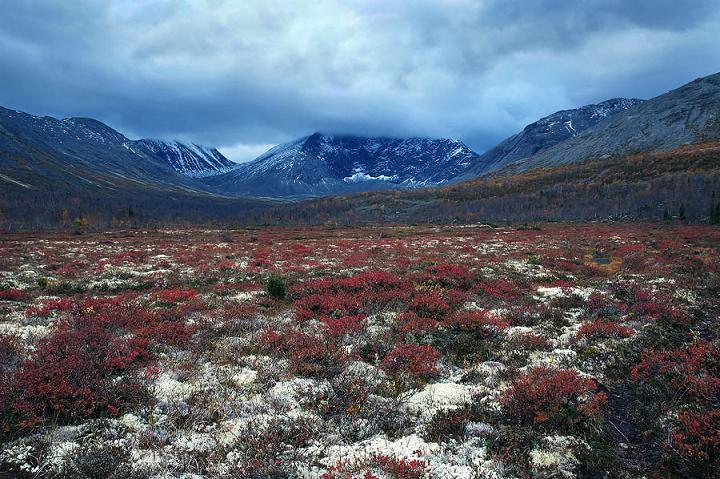
Successful ecosystems have high species diversity. This allows a varied community to be maintained, therefore more species are likely to be able to survive any environmental changes.
Species Diversity and Ecosystems
Biodiversity reflects how well an ecosystem functions - the higher the species diversity, the more stable the ecosystem, and the less it is affected by climate change.
For example, if there is a drought, a community with a high species diversity index is much more likely to have at least one species able to tolerate drought than a community with a low species diversity index. Some members are therefore likely to survive the drought and maintain the community.
In extreme environments, such as hot deserts, only a few species have the necessary adaptations to survive the harsh conditions. The species diversity index in therefore normally low. This usually results in an unstable ecosystem in which communities are dominated by climatic factors rather than the organisms within the community.
In less hostile environments, the species diversity index is normally high. This usually results in a stable ecosystem in which communities are dominated by living organisms rather than climate.
Species Diversity and Human Activities
Whilst providing enough food for our population, mankind has made a considerable impact on the natural world which has led to a reduction in biodiversity.
Agriculture:
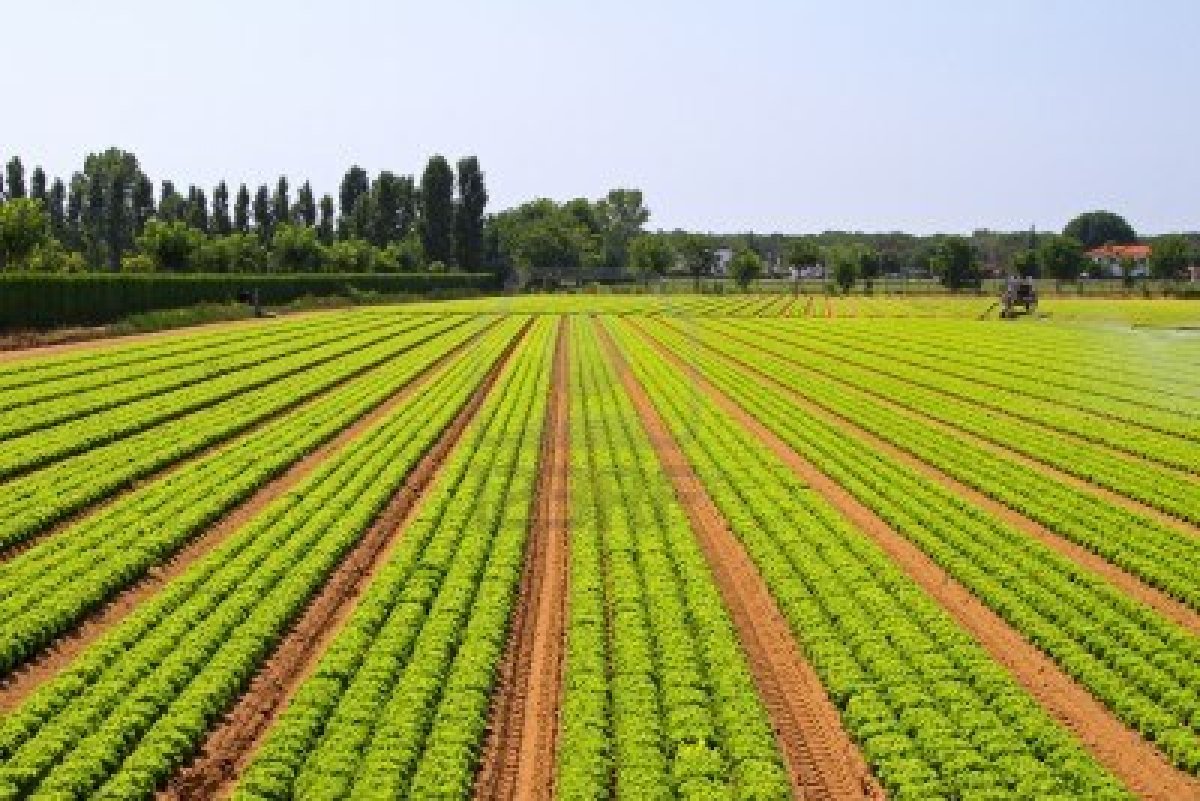
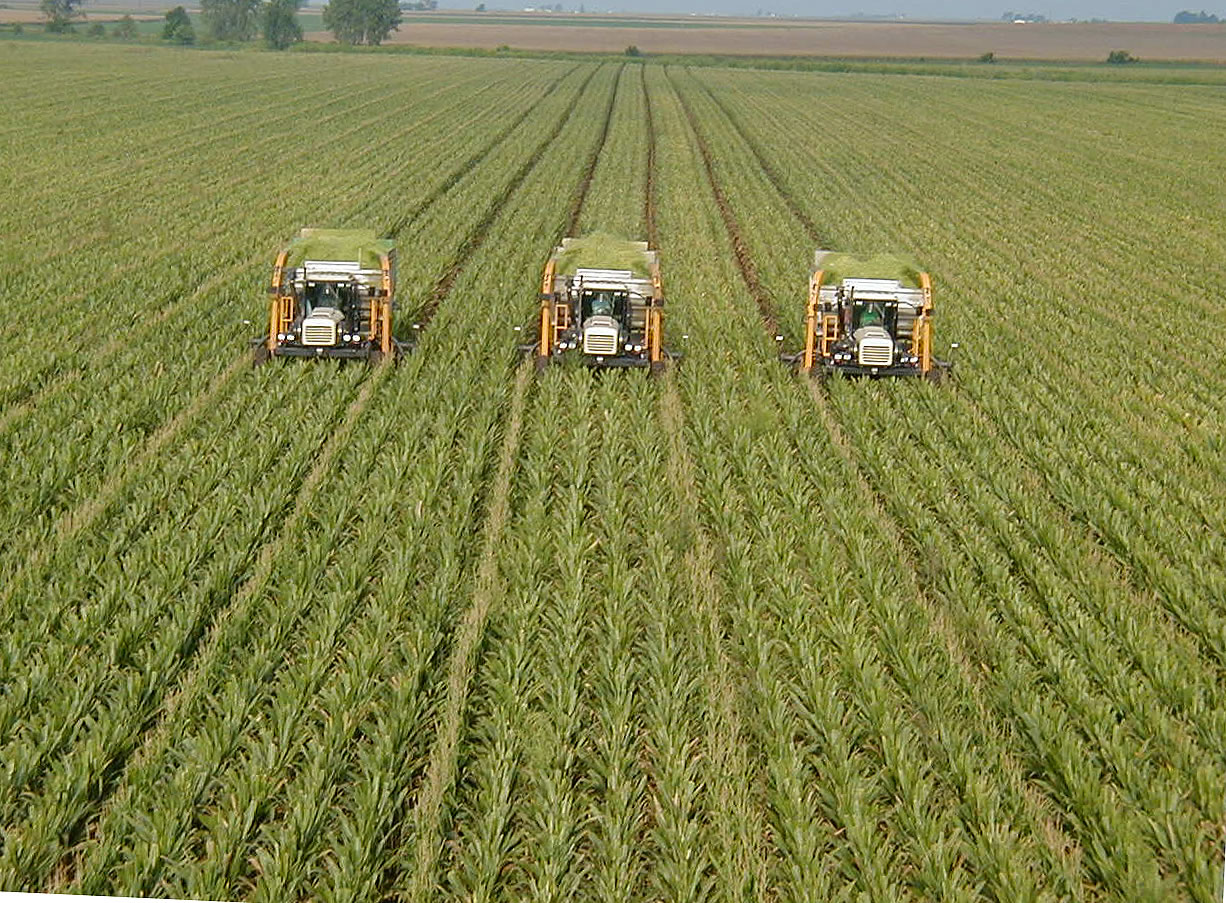
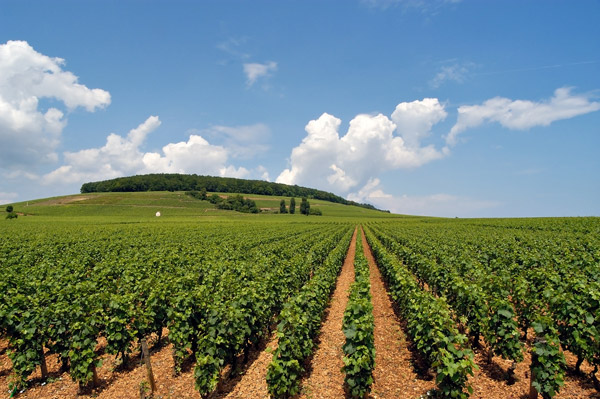
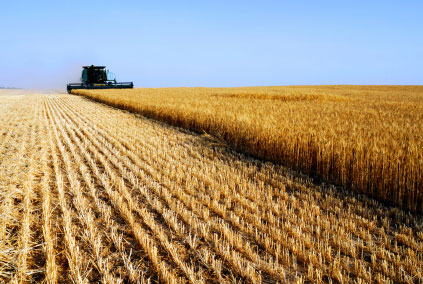
As natural ecosystems develop over time, they become complex communities with many individuals of a large number of different species. These communities have a high species diversity index. Agricultural ecosystems controlled by humans are different- as a result of farmers selecting species for particular qualities that make them more productive, the number of species and the genetic variety of alleles they possess is reduced to the few that exhibit the desired features.
To be economic, the numbers of these desirable species needs to be large. Any particular area can only support a certain amount of biomass. Since most of the area is taken up by the one species farmers count desirable, there is only a small space left for other species, in which these many species must compete in for the little space and resources available. Many of the species will no survive this competition. In addition, pesticides are used to exclude these species because they compete for light, mineral ions, water and food required by the farmed species too. The overall effect is a reduction in species diversity, and therefore the species diversity index in low in agricultural ecosystems.
Deforestation
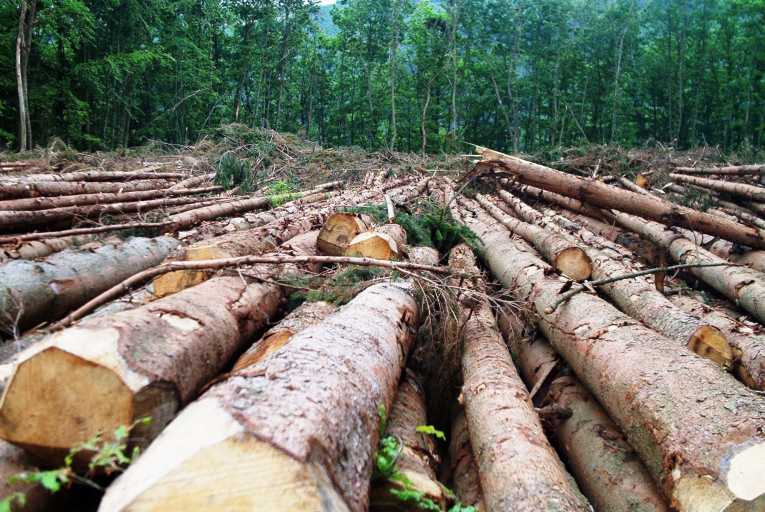
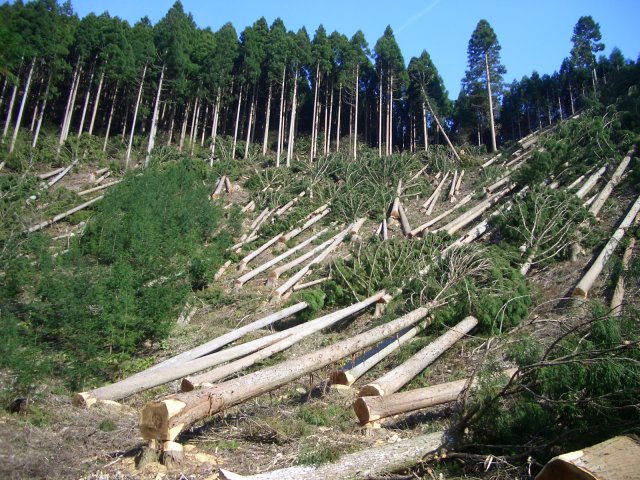
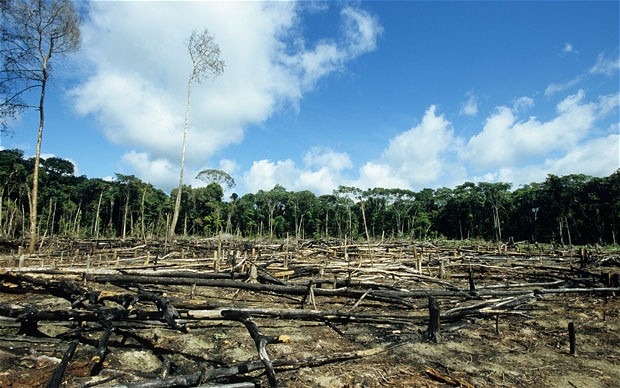
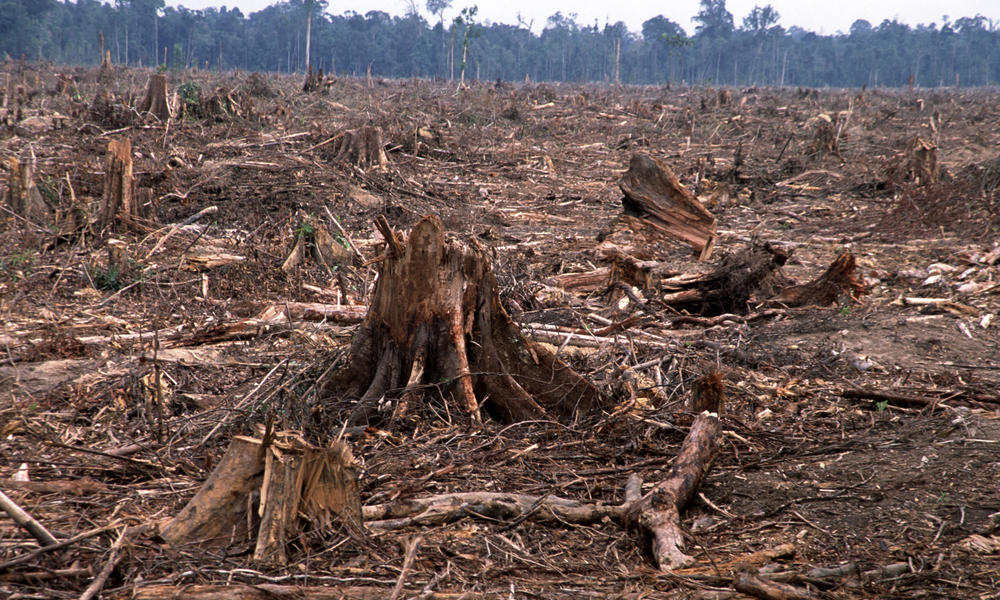
Many different species are adapted to living in the habitats provided by forests (trunk, leaves, roots etc.) and species diversity is therefore high. Tropical rainforests have the highest species diversity of any ecosystem. Deforestation is the permanent clearing of forests and the conversion of the land to other uses, such as agriculture, grazing, housing and reservoirs. Whilst some deforestation occurs as a result of fires, most is due to human action, in addition to some being through man-made pollutants producing acid rain.
The most serious consequence is the loss of biodiversity. Some estimates suggest that up to 50000 species are being lost each year due to deforestation. Despite covering only 7% of the Earth's surface, tropical rainforests account for half of all its species, and it's in tropical rainforests that the loss of biodiversity is the greatest. Even where areas are reforested there is still an overall loss of species diversity as the new forests grown for commercial purposes have just a few predominant tree types.
The present rate of species extinction is thought to be between 100 and 1000 times greater than at any time in evolutionary history. The main cause of species loss is the clearance of land in order to grow crops and meet the demand for food from an ever-increasing human population. An area of rainforest roughly the size of the UK is cleared every year. Throughout the world habitats are being lost. Most of this habitat loss has entailed the replacement of natural communities of high species diversity with agricultural ones of low species diversity.
A species is the basic unit of classification. Concepts of a species:
They are similar to one another but different to members of other species. They must have physical and biochemical resemblance, they must have similar patterns of development and similar immunological features, and they must occupy the same ecological niche.
They are capable of breeding to produce living, fertile offspring. This means that when a species reproduces sexually, any of the genes of its individuals can be combined with any other: they belong to the same gene pool.
Naming species: The Binomial/Linnaean System-
Organisms are identified by two names and hence the system is called the binomial system. Its features are as follows:
It's a universal system based upon Latin or Greek names
The first name, the generic name, denotes the genus to which the organism belongs. This is the equivalent to their surname
The second name, the specific name, denotes the species to which the organism belongs. This is the equivalent to the first name, however unlike humans it is never shared with other species within the genus
There are a number of rules which apply to the use of the binomial system in scientific writing:
The names are printed in italics or underlined to indicate that they are scientific names
The first letter of the generic name is in upper case but the specific case is in lower case
If the specific name is not known, it can be written as 'sp' e.g. Felix sp.
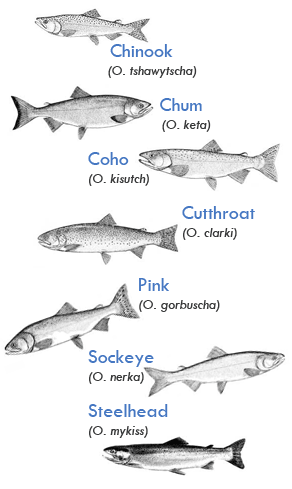
Different Salmon Species
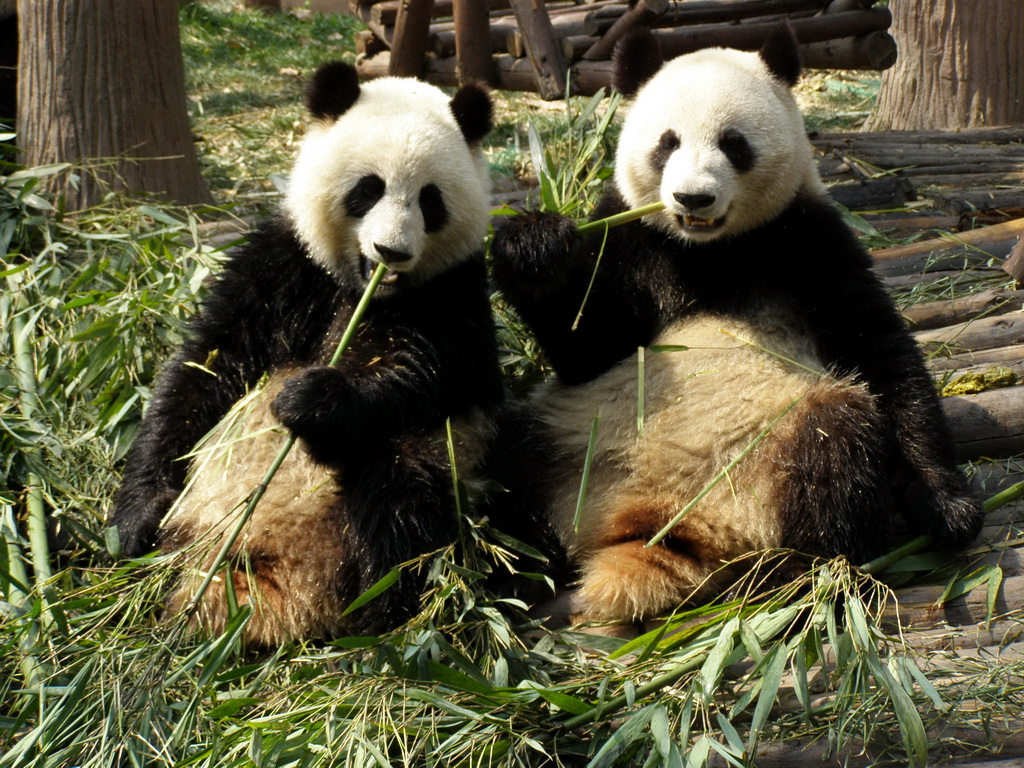
One species of panda
Grouping species together- the principles of classification
As there are so many species, it makes sense to organise them into groups. The grouping of organisms is known as classification, while the theory and practice of biological classification is called taxonomy. There are two main forms of biological classification, each used for a different purpose:
Artificial Classification- divides organisms according to differences e.g. colour, size, leaf shape, number of legs etc. These are described as analogous characteristics where they have the same function but not the same evolutionary origins. Classification without basing on relationship amongst other organisms. Based on one or two superficial morphological characters. Characters chosen were arbitrary and for sake of convenience only. Does not give any idea on origin and evolution of different taxa.
Natural Classification-
Based upon the evolutionary relationships between organisms and their ancestors
Classifies species into groups using shared features derived from their ancestors
Arranges the groups into a hierarchy, in which the groups are contained within larger composite groups with no overlap
Relationships in a natural classification are based upon homologous characteristics. Homologous characteristics have similar origins regardless of their functions in the adult of the species. Classification based on form or natural relationship between organisms. Based on one or more natural characteristic. Does not give any idea on origin and evolution of different taxa, but gives some idea on their natural relationship. For example, the wing of a bird, the arm of a human and the front leg of a horse all have the same basic structure and all evolved from a common ancestor and are therefore homologous.
Organising the groups of species- taxonomy
Taxonomy is the study of each group within a natural biological classification and their positions in a hierarchical order, where they are known as taxonomic ranks.
KINGDOM
PHYLUM
CLASS
ORDER
FAMILY
GENUS
SPECIES
- (King Philip Cut Open Five Green Snakes)
Phylogeny
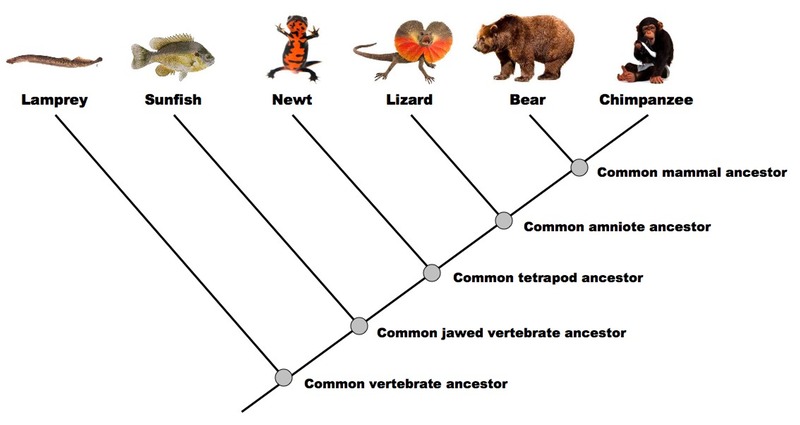
The hierarchical order of taxonomic ranks is based upon the evolutionary line of descent of the group members. This evolutionary relationship between organisms is known as phylogeny, which is derived from the classification term 'phylum' which is a group of related or similar organisms. The phylogeny of an organism reflects the evolutionary branch that led up to it. The phylogenetic relationships of different species are usually represented by a tree like diagram called a phylogenetic tree. The oldest species is at the base of the tree whilst the most recent ones are represented by the ends of the branches.

The difficulties with grouping species: A species may be defined in terms of observable similarities and the ability to produce fertile offspring. There are, however, certain difficulties with this definition.
Species are not fixed forever, but change and evolve over time. In time, some individuals may develop into new species.
Within a species there can be considerable variation among individuals. All dogs, for example, belong to the same species, but artificial selection has led to a variety of different breeds.
Many species are extinct and most of these have left no fossil record.
Some species rarely, if ever, reproduce sexually.
Members of different groups of the same species may be isolated e.g. by oceans, and so never meet and therefore never interbreed.
Groups of organisms that are isolated from one another may be classified as different species. These groups may turn out to be of the same species when their ability to interbreed is tested.
Some species are sterile.
A horse and a donkey are capable of breeding together and producing offspring known as mules. Mules are infertile however, due to the fact that a horse and a donkey are different species: a horse has 64 chromosomes but a donkey has 62, meaning the mule has 63 chromosomes. Gametes are formed by meiosis, which cannot take place if there is an odd number of chromosomes, so a mule cannot produce gametes and if therefore infertile. However, mitosis can take place and therefore a mule develops and grows normally.
Variation
Genetic Diversity
Biodiversity
Classification
Key Terms
Information
- Description
- A-Levels Biology Note on Variation, Genetic Diversity, Biodiversity and Classification Notes, created by ChloeTaylor on 27/05/2013.
- Created by
- ChloeTaylor
- Views
- 2,502
- Tags
- Rating