
Notes
Personal Safety Standards
Content of the notes (3)
Page 1
Clothing
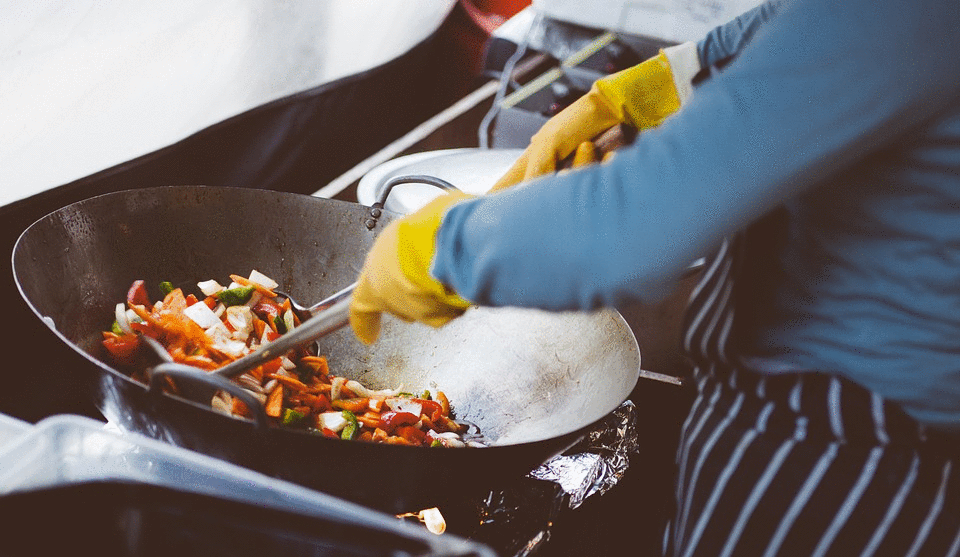
Uniforms, aprons, and garments should be clean when beginning a shift and change regularly when necessary
Employees should not wear uniforms or aprons outside of the food preparation area
Avoid wearing damaged or worn out uniforms, aprons or garments
Personal clothing should not be worn in the working area
Uniform of any kind should not be worn travelling to and from work
Storage facilities and changing amenities should be provided for the overall benefit of the business
Dirty clothing items should be stored in a laundry bag and away from food preparation areas
Educate yourself on the reasons of uniform and protective clothing
Page 2
Personal Hygiene
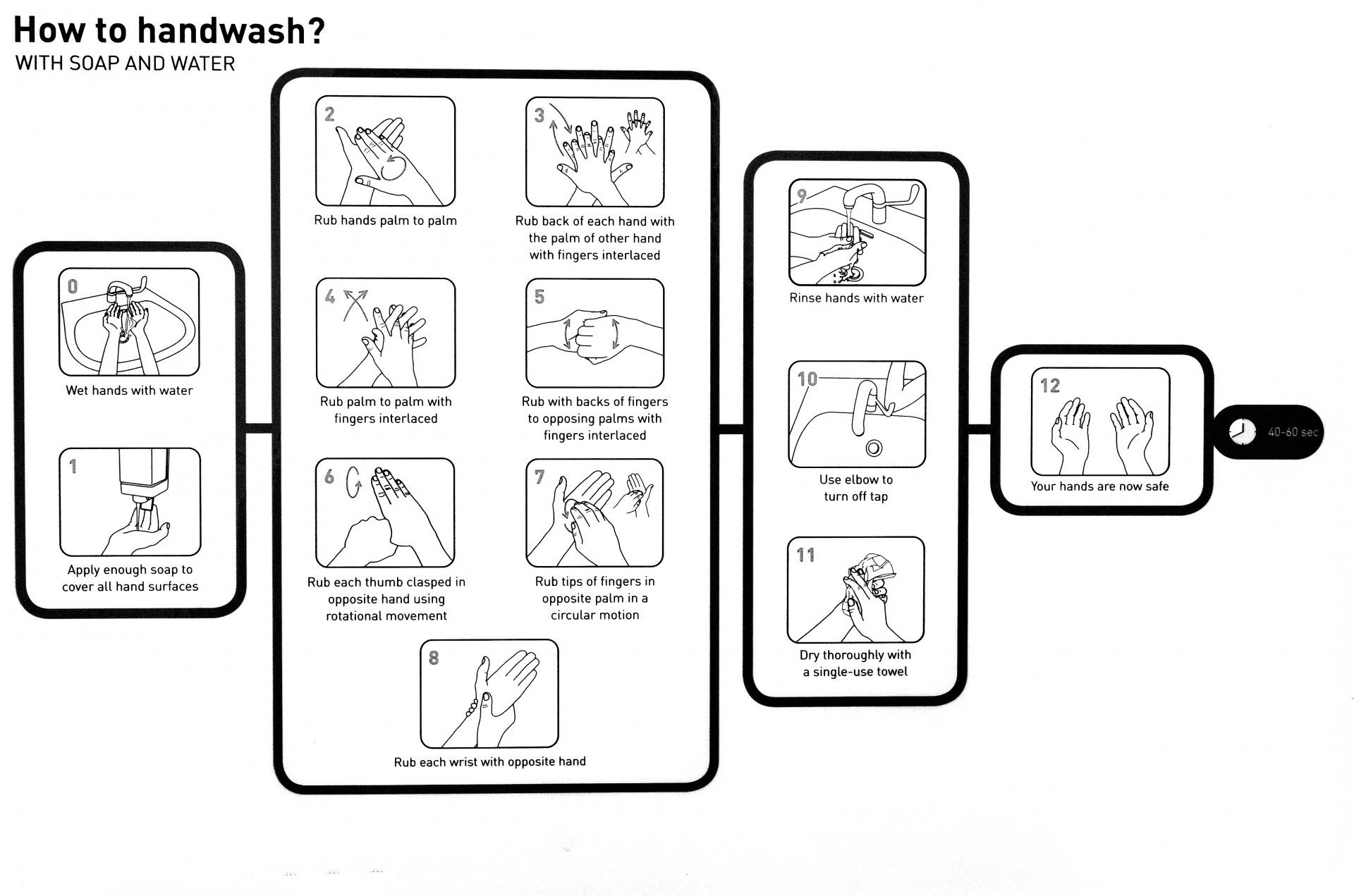
When working in any environment with food maintaining a high standard of hand-washing is extremely important. The diagram below outlines the best way to wash your hands and ensure you are safe to interact with food.
You should wash your hands frequently (every 20 minutes) or after the following occurrences:
Before beginning or recommencing work
After using the toilet
Before handling cooked foods
When handling or preparing raw food
After touching bins or handling rubbish
After smoking
When you cough, sneeze, touch bare skin etc. Moreover, you are better off using disposable tissues rather than a handkerchief
After cleaning, interacting with people and handling money
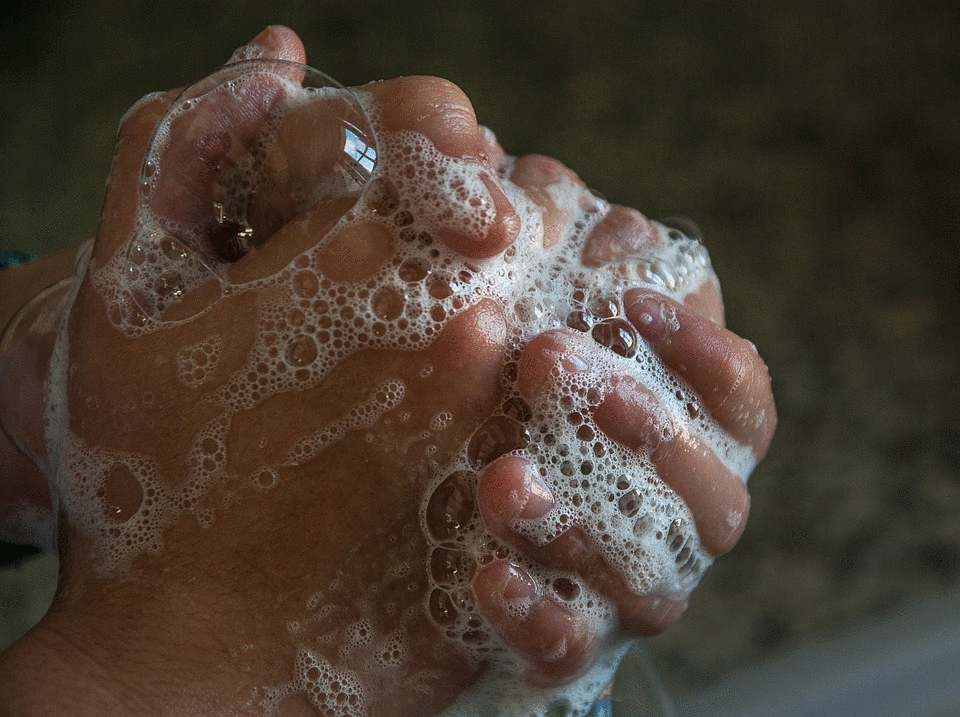
The best means of washing your hands is with hot soapy water.
Page 3
Personal Hygiene
Keep your hair in a neat and tidy state, and where provided wear a hairnet in the presence of food
Wear clean protective clothing when interacting with food
Keep fingernails trimmed and do not wear artificial nails or fingernail polish
Utilise single-use gloves for handling and preparing food; this will help to prevent contamination with frequent changing
If using multi-use gloves make sure they are washed, sanitised and rinsed between uses
Remove all jewellery from hands and arms
Make sure to keep all cuts, grazes and sores bandaged up with an easily identifiable coloured band-aid
Showering on a daily basis will help to prevent pathogens from skin and hair coming into contact with food
What do you do when suffering from ailments and illnesses that may be a hazard to food safety?
The first step is to not panic when feeling sick in the working environment
Common ailments which people suffer from that effect the safety of food are vomiting and diarrhoea
Report to a supervisor in the event of suffering from any ailment or illness
It is better that you remain absent while sick rather than be around areas of food preparation
If you do suffer from diarrhoea or vomiting, you should not return to work until 48 hours after the symptoms have cleared
Information
- Description
- User has deleted their subject information Note on Personal Safety Standards, created by Deleted user on 01/09/2017.
- Created by
- Deleted user · Sep 2017
- Updated
- Sep 1, 2017
- Views
- 122
- Tags
- History
-
- Created by Andrew Burke · Jul 25, 2017
- Copied by Andrew Burke · Sep 1, 2017
- Rating