
1.1 Preliminary activity. Etymology of words
Slides in this set (8)
-
1.1 Preliminary activity. Etymology of words
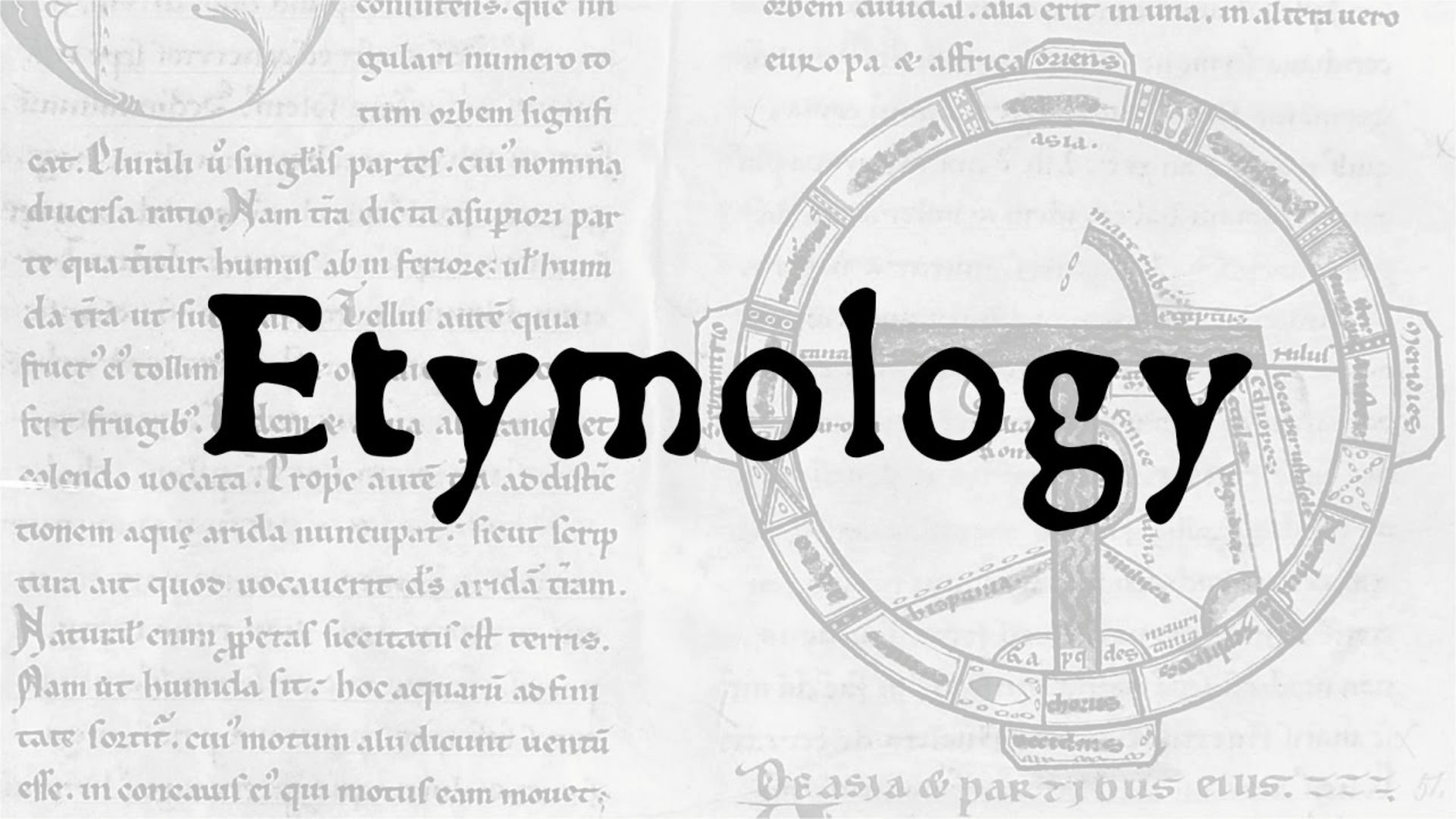
- THE STUDY OF WORD ORIGINS
-
- THE WORD "EDUCATION" HAS BEEN DERIVED FROM LATIN WORDS "EDUCARE" "EDUCATUM"
- EDUCARE MEANS TO "BRING UP" "TO RISE" AND TO "NOURISH" "TO TRAIN" OR "TO MOULD". THE CHILD HAS TO BE BROUGHT UP LIKE A PLANT IN THE GARDEN BY THE TEACHER.
- HIS POTENTIALITIES SHOULD BE DEVELOPED WITH PROPER CARE AND NOURISHMENT.
-
- The words story and history share much of their lineage, and in previous eras, the overlap between them was much messier than it is today. “That working out of distinction,” says Durkin, “has taken centuries and centuries.” Today, we might think of the dividing line as the one between fact and fiction. Stories are fanciful tales woven at bedtime, the plots of melodramatic soap operas. That word can even be used to describe an outright lie. Histories, on the other hand, are records of events. That word refers to all time preceding this very moment and everything that really happened up to now.
-
- Etymology Etymology is the history of words, their origins, and how their form and meaning have changed over time. By an extension, the term "the etymology of [a word]" means the origin of the particular word. LANGUAGE is a system of communication by speaking, writing, or making signs in a way that can be understood, or any of the different systems of communication used in particular region. is a method of human communication that uses speaking and writing, or the system of communication in speaking and writing that is used by the people of a particular country.
-
- The word ‘teach’ arises from the Old English tæcan meaning “to show, point out, or demonstrate”. This makes sense. The act of teaching is often compared to lifting the wool from someone’s eyes – showing them some fact so that they can understand the universe a little better.
-
- Learning etymology of English words you will feel comfortable with words—you will use new words with self-assurance, you will be able to figure out the meanings of the English vocabulary words you hear or read even if you have never heard or seen these words before. That is why the best approach to learning new vocabulary words is through their etymologies.
-
- https://www.quora.com/What-is-the-etymological-meaning-of-education
- https://time.com/4824551/history-word-origins/
- https://www.slideshare.net/saeed7293/the-study-of-language-etymology
- https://www.edustaff.co.uk/blog/72_
- https://core.ac.uk/download/pdf/81123846.pdf
- https://dictionary.cambridge.org/us/dictionary/english/language
Information
- Description
- Define through etymology the key words of the Principles of Education lesson to apply the concepts in the context of study.
- Created by
- HORIZONTE VIVO · Mar 2020
- Updated
- Mar 17, 2020
- Views
- 85
- Tags
- Rating