
Notes
Yr 12 Biology Mid-Year Exam Notes Part 2
Content of the notes (1)
Page 1
Macromolecules
M6: Polysaccharides and Lipids are important macromolecules in cells and organisms
Learning Objective
Polysaccharides, including cellulose and chitin and Lipids contribute to the structural components of cells and organisms
Polysaccharides, including, starch and glycogen and Lipids including, fats and oil contribute to energy reserves in cells
Macromolecules Overview
Types of Compounds Elements Contained Unit Names - Large/Small Where Found/Use
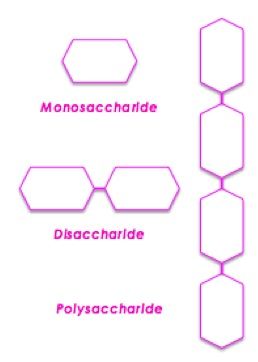
Carbohydrates C, H, O - Monosaccharides = Glucose
(polysaccharides) - Disaccharides = Sucrose
- Polysaccharides = Starch, Glycogen,
Cellulose, Chitin
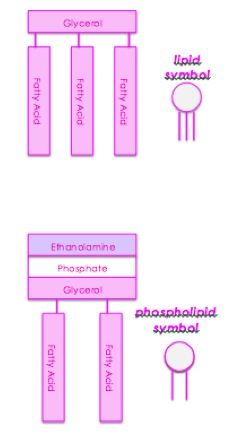
Lipids C, H, O (P) - Lipids (Triglycerides) = made of Glycerol
and Fatty acids (fats and oils)
- Phospholipids = made of two Fatty acids
attached to a Glycerol, a Phosphate and
Ethanolamine
- Hormone Lipid Derivatives = Steroids and
Waxes
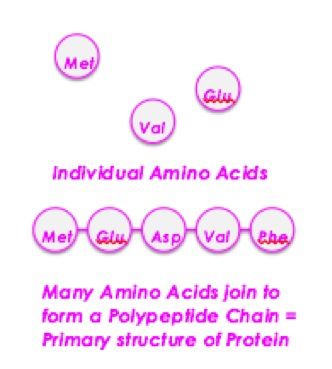
Proteins C, H, O, N (S) Amino acids combine (20 types) to make
polypeptides which can be either;
- Structural = Collagen
- Functional = Enzymes
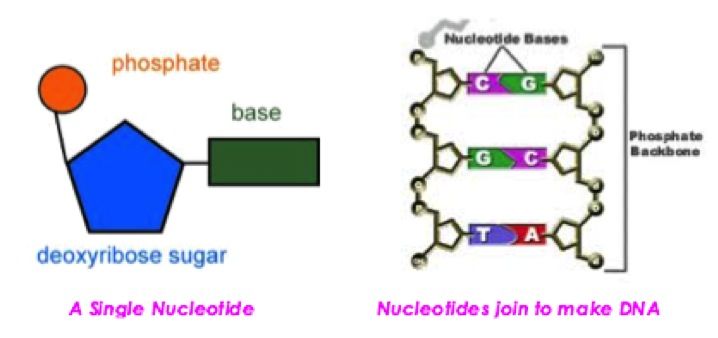
Nucleic Acids C, H, O, N - DNA = Chromosomes, Genes, Nucleotides,
Nitrogen Base, Sugar and Phosphate
PLANTS
ANIMALS
CELLULOSE
STARCH
CHITIN
GLYCOGEN
STRUCTURE
Long straight chains of glucose
molecules. This tough fibrous molecule
is unable to be broken down for use by organisms, including humans
Long branched chains of glucose
molecules.
Chains of glucose with added N
groups. It forms a hard protective
covering.
Long branched (more than starch)
chains of glucose molecules.
Polysaccharides stored as Glycogen
in animals found mainly in liver and muscle tissue.
FUNCTION
Principle component of CELL WALLS. Provides strength to plant cells.
Storage of glucose units until
needed in plants. A plant can store
reserves of starch that can be easily broken down into glucose for use in
cellular respiration.
Found in the exoskeleton of
organisms such as; spiders, insects and crustaceans. Also found in cell walls
of fungi
Storage of glucose units until
needed in animals, (liver/muscles).
Glycogen can be broken down to increase blood glucose as the demand
for energy increases.
Link S/F
Straight chains gives strength to
cell wall by H bonds
Insoluble and branching makes it
an efficient molecule to store glucose
N groups aid formation of H bonds
across chains hence adds to strength
Readily accessible, branching
makes it an efficient molecule to store glucose. Glycogen is insoluble and thus easily
stored in vacuoles and granules for rapid use by the cell.
CONTRIBUTE
TO STRUCTURAL COMPONENTS
ENERGY
RESERVES
CONTRIBUTE
TO STRUCTURAL COMPONENTS
ENERGY
RESERVES
Polysaccharides = STRUCTURE & ENERGY
Lipids = STRUCTURE & ENERGY
PHOSPHOLIPIDS
LIPIDS (Fats & oils)
WAXES
STEROIDS
STRUCTURE
Triglyceride with FA removed
and phosphate added. When in water these molecules tend to
organise themselves in rows
•Triglyceride
containing glycerol and three fatty acids.
•Lipids
are solid at room temp =fats.
•Lipids
that are liquid at room temp = Oils.
•
Fatty tissue (Adipose tissue) consists of only a small cytoplasm surrounded by fat globules.
Produced by both
Plants and Animals, often acting as a protective layer.
Steroids are
hormones that are produced from lipids (cholesterol) and therefore are known
as lipid derivatives.
FUNCTION
To create a
semi-permeable barrier to
cellular molecular movement
Insulation, energy storage.
Many animals(whales, seals,
dolphins) have a layer
of fat under the skin and around vital organs to insulate from the cold and as an energy store.
Oils tend to be found in plants where they act as energy stores. Olive oil, sunflower oil
PLANTS
A waxy cuticle can
be found on the leaves of some plants to prevent water loss.
ANIMALS
Some insects have
a waxy cuticle to prevent water loss.
Humans and some other animals produce wax in the ears to stop dust and
prevent water penetrating the ear drum.
Cholesterol is a
component of animal cell membranes but NOT plant cell membranes. It is an important precursor
molecule for the production of other steroids.
Link S/F
Hydrophobic / hydrophilic
nature of the molecule
Long fatty acids chains are
energy rich
Hydrophobic
molecule
A type of lipid
that includes some hormones and cholesterol
CONTRIBUTE
TO STRUCTURAL COMPONENTS
ENERGY
RESERVES
CONTRIBUTE
TO STRUCTURAL COMPONENTS
CONTRIBUTE
TO STRUCTURAL COMPONENTS
M1: The chemical unit of genetic information in most organisms is DNA
Learning Objective
Model the structure of SNA as a double helix made up of a sequence of complementary bases joined by weak bonds attached to a background of alternating sugars and phosphates
Describe the component parts of a nucleotide
Understand that DNA is composed of a sequence of nucleotides
Write the complementary sequence for a segment of DNA
Inherited Characteristics
Chromosomes carry the genetic information for making all living things - everything from a human to a gerbil!
What makes us human? What determines our gender?
In all living things, characteristics are passed on in the chromosomes that offspring inherit from their parents
So all human characteristics, including gender, are based on which chromosomes we inherit
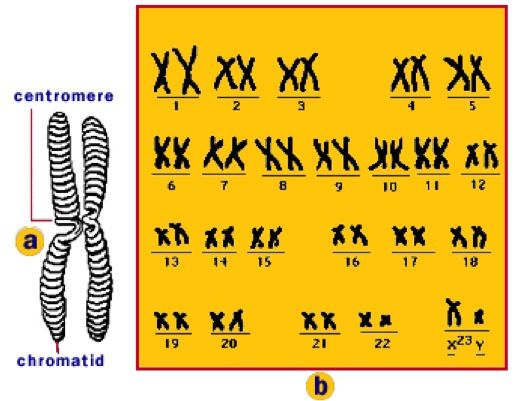
What are chromosomes?
Chromosomes are long strands of genetic information located in the nuclei of cells
Chromosomes are most visible during cell division when they replicate and look like this
Homologous Chromosomes
In most cells chromosomes are matched in pairs based on their size and shape



Chromosome from female parent
Chromosome from male parent
Homologous chromsomes
Matching pairs of chromosomes are called homologous chromosomes
Each pair of homologous chromosomes contains one chromosome that has been inherited from each parent
The Human Karyotype
DOUBLE
HELIX
SHAPE
The Human Genome Project
The Human Genome Project commenced in 1988
Its aim was to map the 40 000 genes (entire human genome) of one woman and one man
It was completed in 2000, 3 years ahead of schedule
It will take another 100 years to analyse the data collected
The WCH was responsible for sequencing the DNA on chromosome 16
Benefits
Cells differentiation
Embryo development
Evolution
New diagnosis
Disease prevention
Treatment
What is DNA?
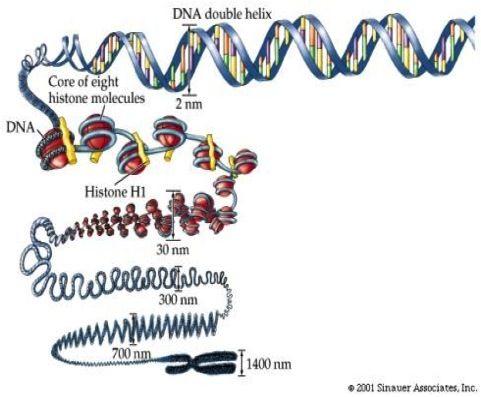
Chromosomes and their genes are made of a molecule called DNA
DNA stands for Deoxyribose nucleic acid
Each chromosome isa very long molecule of tightly coiled DNA
DNA molecules carry the code that controls what your cells are made of and what they do
Chromatin to Chromosomes
Super-coiled structure wrapped around proteins called histones
Combination of DNA and histones called chromatin
Just before cell division this chromatin condenses into short fat structures called chromosomes
All cell division consists of two identical chromatids
Structure of SNA
DNA is found in the nucleus
It is made up of repeating units called nucleotides
Each nucleotide is made up of 3 molecules
A base (A, T, G, C)
A sugar (deoxyribose)
A phosphate
M6
M1
Information
- Description
- Year 12 Biology Note on Yr 12 Biology Mid-Year Exam Notes Part 2, created by gbridgland on 08/06/2014.
- Created by
- gbridgland · Jun 2014
- Updated
- Nov 12, 2016
- Views
- 421
- Tags
- Rating