
Flashcards
Reliability of Computer Systems
Cards in this deck (19)
- 1The five things that can go wrong with a computer systemhardware failure
software failure
human error
malicious damage
natural disasters - 2Some of the consequences of non-life-critical systems failingLoss of revenue
Dissatisfied customers
Damage to reputation
Fines for breaking the law - 3Examples of critical systemsUtilities
Supplies
Banking
Emergency services
Telephone network
Food supply
Air traffic control
Nuclear safety - 4Some consequences of critical systems failureRisks lives of customers
Put business to a halt - 5Malicious intent with a critical systemCyber-terrorism
Cyber terrorists are hard to catch and prosecute when operating in another country - 6Types of backing-up dataFull backup: makes a copy of everything
Incremental backup: only makes a copy of new or edited files - 7Backup ProcedureA backup schedule should be in place and there should be someone in charge of it.
Backup sites should be off of the main companies site in a locked, fireproof place - 8Disaster Recovery DefinitionGetting a system back to normal after a large-scale failure.
- 9Disaster Recovery ProcedureMost organizations have a disaster recovery plan. After a system failure, data must be restored from a backup.
- 10Redundancy DefinitionHave duplicate resources or extra resources that can support the main system. A backup system for if the main one goes down
- 11Three main types of redundancyHardware like reserve storage or servers
Software like a backup OS
Data (already covered this) - 12Parallel SetupHave two identical hardware setups that allow the company to switch between one and other, reducing disruption to their normal operations
- 13Fault-tolerant DesignIf parts of the system fail the system is designed to be able to continue running
or 'fail gracefully' if it needs to completely stop - 14Failing GracefullyThe system will take steps to avoid data loss when things begin to go wrong. This could be writing an emergency copy of data before shutting down unexpectedly. This emergency copy is called a 'dump file'
- 15Defensive ProgrammingAdding checks to see if the program is running properly. This can warn a user of a fault to prevent unexpected crashing
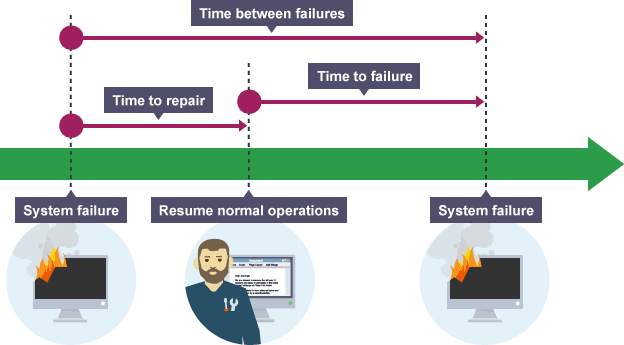
- 16Measuring ReliabilityPercentage of time working
Number of hours operating without issues
Downtime
Mean time between failures
Mean time to fail - 17Alpha TestingUnit testing - checks a program's components
Validation Testing - checks the type of data that can be used
Volume testing - checks the amount off data a system can handle - 18Beta TestingUsers warn the programmers of any problem and the programs can be fixed and updated weekly or monthly for example
- 19End-usersUsers can find unexpected problems with a system. Updates are then released. Some companies reward people for finding problems e.g. Facebook
Information
- Description
- Flashcards for reliability of computer systems for GCSE
- Created by
- Josh Watkins
- Views
- 54
- Tags
- Rating