
Non-current and Intangible Assets
297 resources created by 248 users
This Non-current and Intangible Assets page on GoConqr gathers community-made mind maps, quizzes, flashcards and notes, from depreciation methods and property, plant and equipment to goodwill, impairment and IAS 38. It's built for university students and professional candidates practising costing, depreciation and disposal questions, and for teachers after ready-made material. There are over 290 resources here, including more than 30 quizzes and over 180 mind maps, mostly at university level. Open a quiz to spot your gaps, then build your own maps and flashcards.
Top Non-current and Intangible Assets resources
-
26 cardsChapter 10 Key Terms Federal Income Taxes - Chapter 10 Key Terms
-
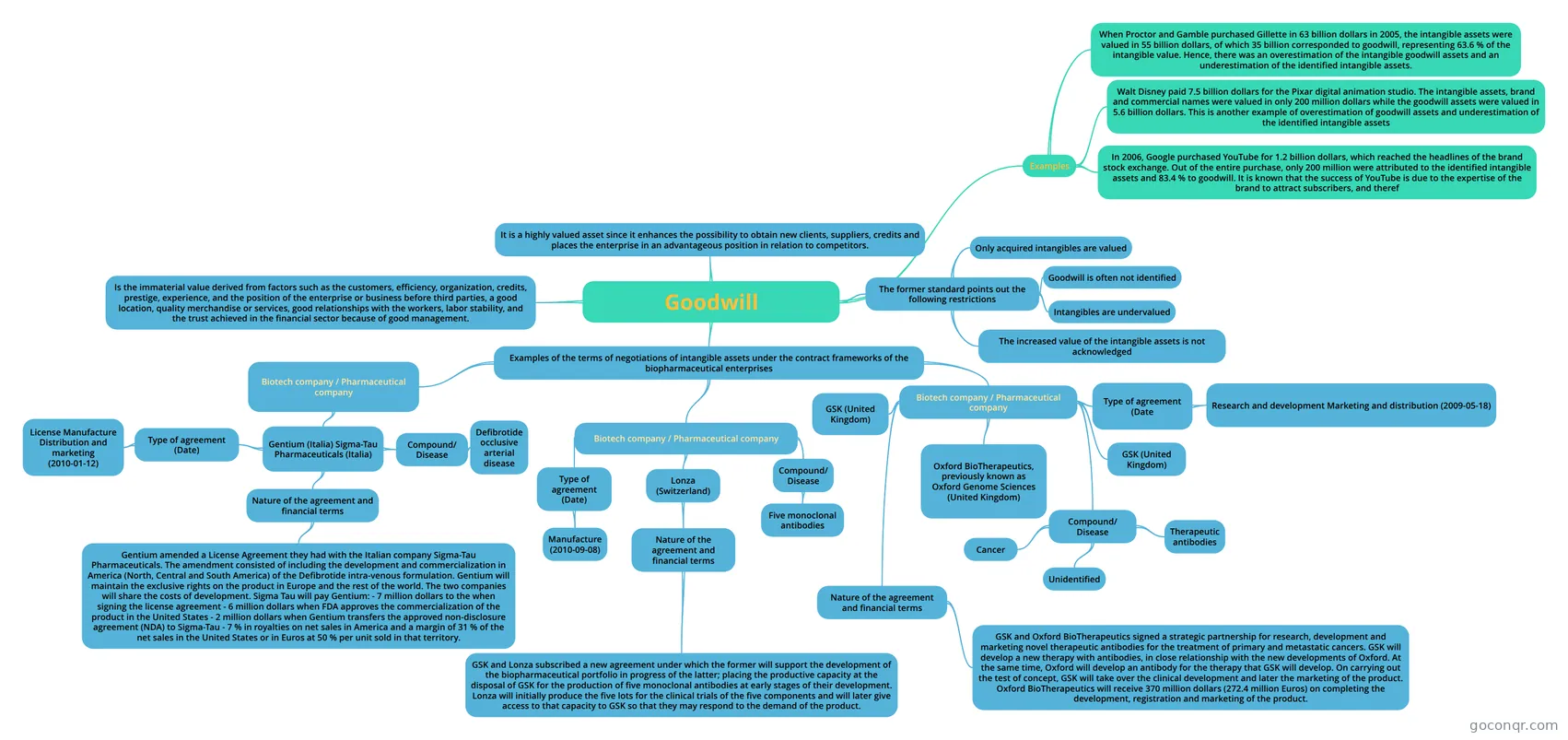 Mind map Goodwill
-
12 questionsFA chapter 7 quick check
-
12 questionsDepreciation What is depreciation?
-
Mind map PPE summary Quick overview of NB matters
-
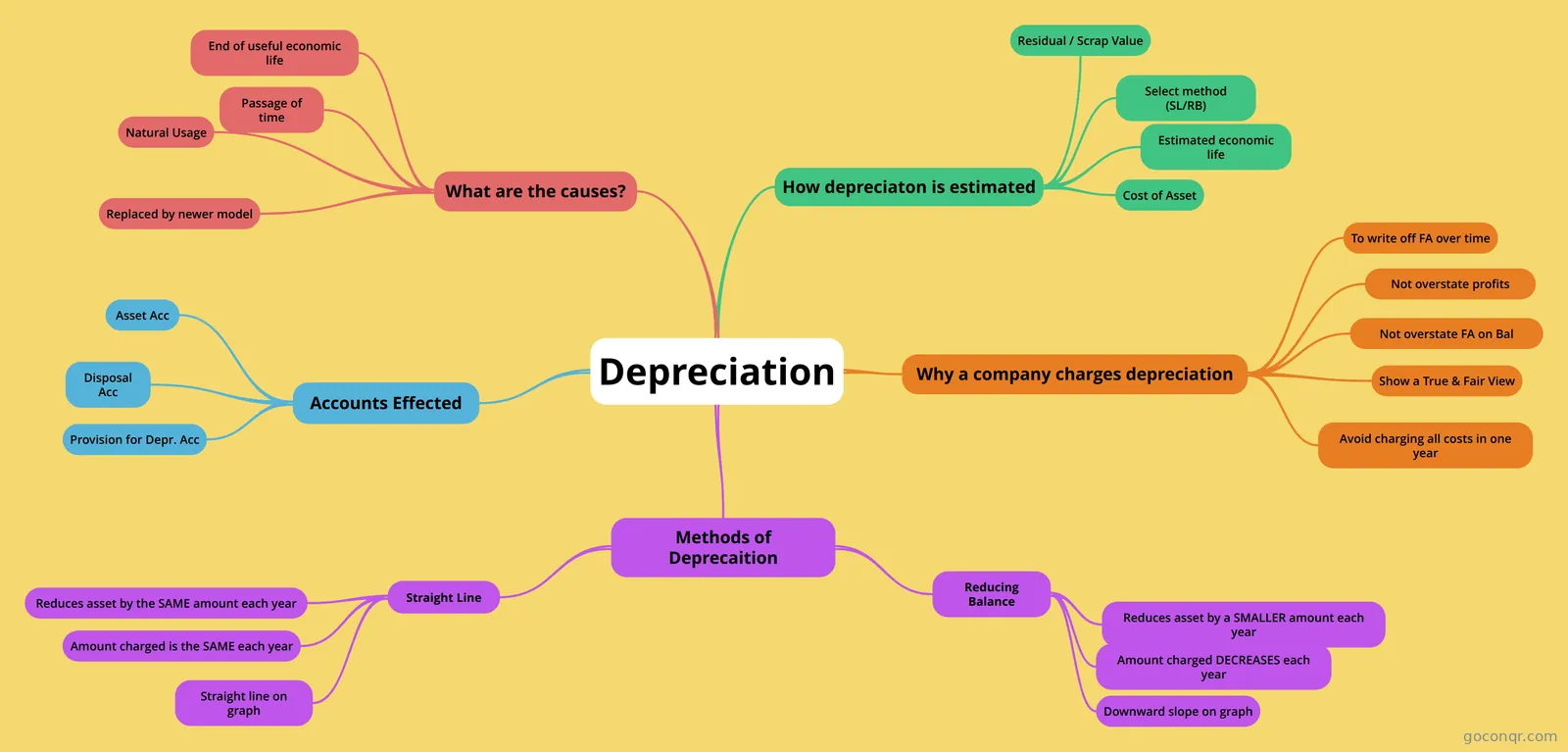 Mind map Depreciation LC Accounting: Mind Map on Depreciation
-
Mind map Depreciation Methods
-
41 questionsNarayana Merugu - My compilation - 1809 An asset is being acquired through integration with procurement. How is the asset acquisition value posted?
Quizzes
See all 37 quizzes-
12 questionsFA chapter 7 quick check
-
12 questionsDepreciation What is depreciation?
-
41 questionsNarayana Merugu - My compilation - 1809 An asset is being acquired through integration with procurement. How is the asset acquisition value posted?
-
11 questionsACC210 Financial Accounting: Week 4, Intangibles, Chapter 6 Comprehension Questions Financial Reporting 1st ed., Chapter 6 End of Chapter comprehension questions
-
11 questionsACC210 Financial Accounting: Week 4, Intangibles, Quiz 1.3 Which intangibles can be revalued in Australia based on AASB 138?
-
13 questionsFA chapter 7 quiz A capital expenditure
-
10 questionsACC210 Financial Accounting: Week 4, Intangibles, Quiz 1.1 How are intangible assets normally defined?
Mind maps
See all 186 mind maps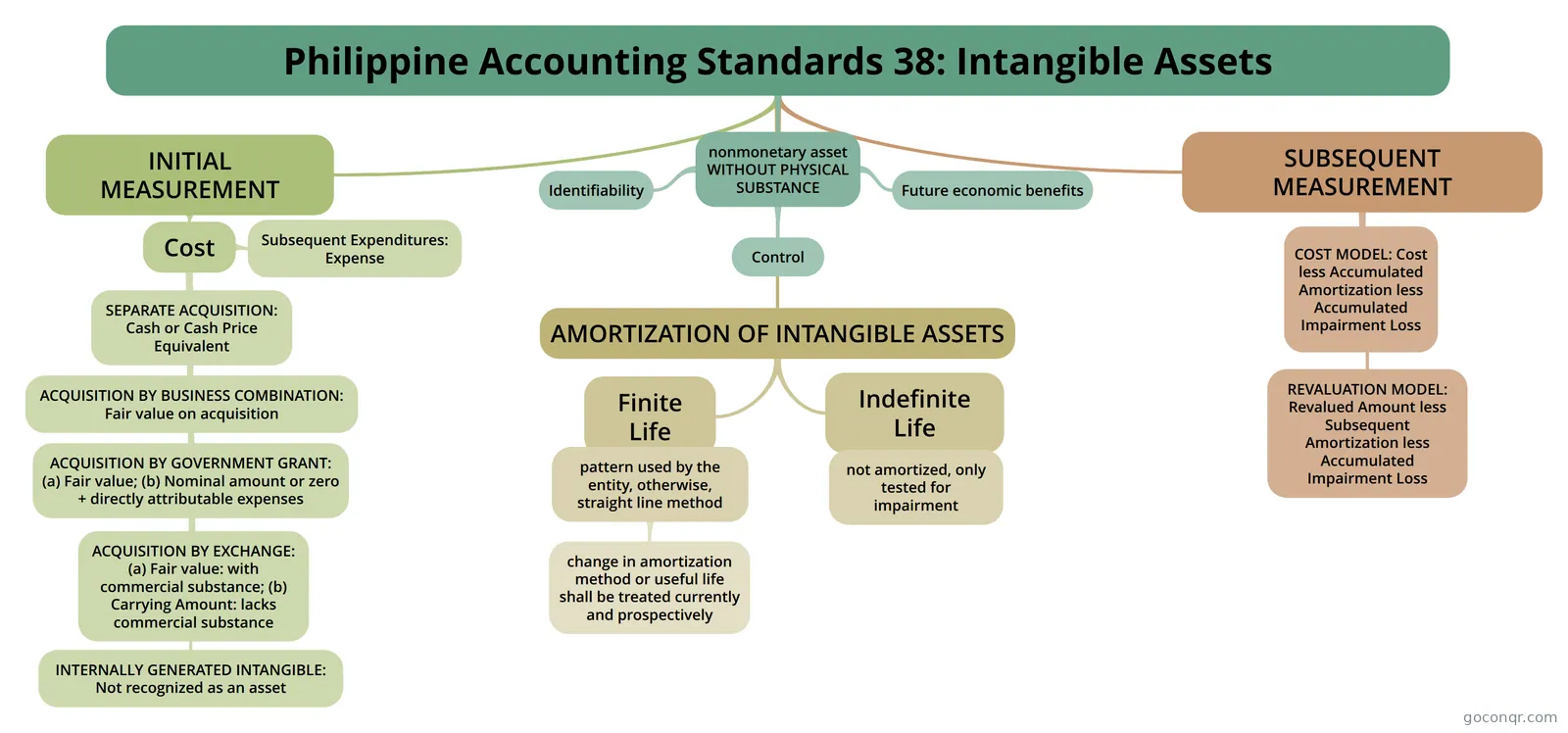
Flashcards
See all 49 flashcards-
26 cardsChapter 10 Key Terms Federal Income Taxes - Chapter 10 Key Terms
-
26 cardsBUS 419 CH 10 KEY TERMS BUS 419 CH 10 KEY TERMS
-
18 cardsChapter 17 Vocab words for chapter 17
-
18 cardsKey Terms Chapter 17: Depreciation Accelerated Cost Recovery System (ACRS)
-
18 cardsChapter 17 Accelerated Cost Recovery System (ACRS)
-
18 cardsChapter 17 Key Terms Accelerated Cost Recovery System (ACRS)
-
18 cardsChapter 17 Key Terms Accelerated Cost Recovery System (ACRS)
-
18 cardsKey Terms for Chapter 17 Accelerated Cost Recovery System (ACRS)
Notes
See all 16 notes-
Exercise 10-3 (Acquisition Costs of Trucks) E10-3 (Acquisition Costs of Trucks) Kelly Clarkson Corporation operates a retail computer store. To improve delivery services to customers, the company purchases 4 new trucks on April 1, 2014. The terms of acquisition...
-
SAP references CWIP Treatment in SAP Create CWIP/AUC asset master (AS01) Create Internal order (KO01-with settlement receiver as CWIP asset) Capture all the costs against internal order initially At every month end, settle the inter...
More Accounting and auditing topics
About Non-current and Intangible Assets
GoConqr OriginalWhat this unit covers
The resources follow a non-current asset through its life. They start with acquisition cost, move on to depreciation and revaluation, then finish with impairment, disposal and intangibles. Many items refer to IAS 16, IAS 36, IAS 38 and IAS 40, and a few mention ACCA or a SAP certification.
Where to start
Begin with the mind map PPE summary. It defines tangible items held for use and expected to last more than one period, then covers recognition and cost. Next, open the mind map Depreciation, which sets out why a company charges depreciation, how it is estimated, and the straight line and reducing balance methods. Depreciation Methods adds units of output and double declining balance.
Practise with quizzes
Once the maps feel familiar, test yourself. The quiz FA chapter 7 quick check asks you to split a lump-sum purchase of land, an office building and equipment using appraised values. The quiz Depreciation checks the basic idea of loss in value over useful economic life. For worked practice, try the note Exercise 10-3 (Acquisition Costs of Trucks).
- Read a map on the topic.
- Take a quiz on the same topic.
- Return to the map for anything you missed.
Intangibles and systems
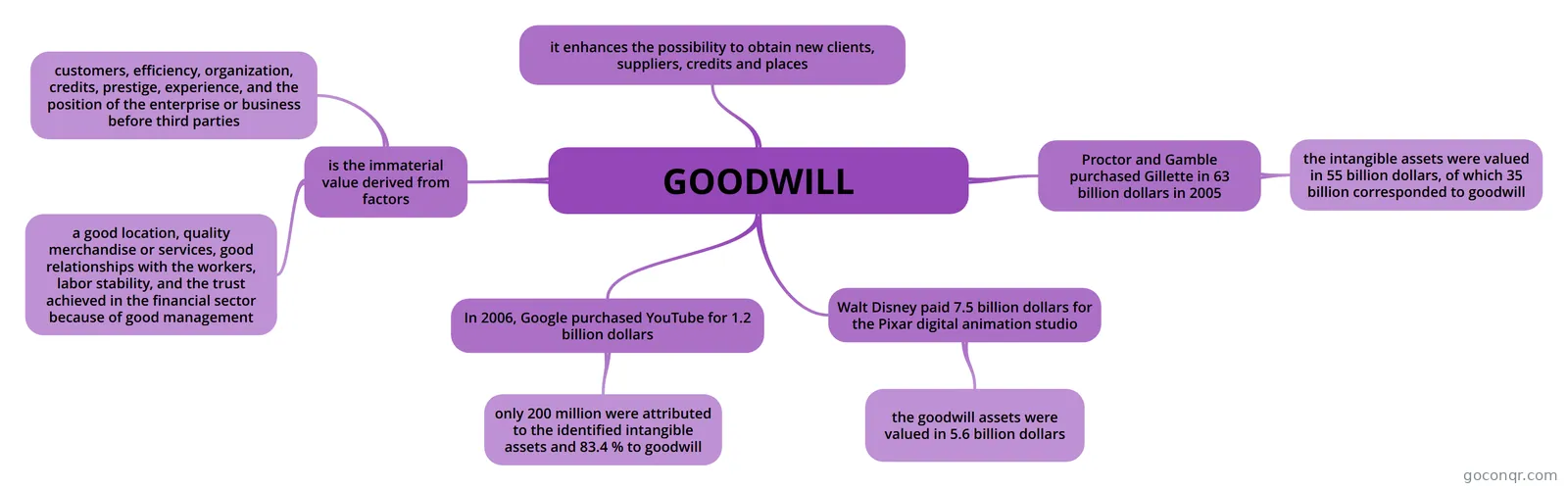
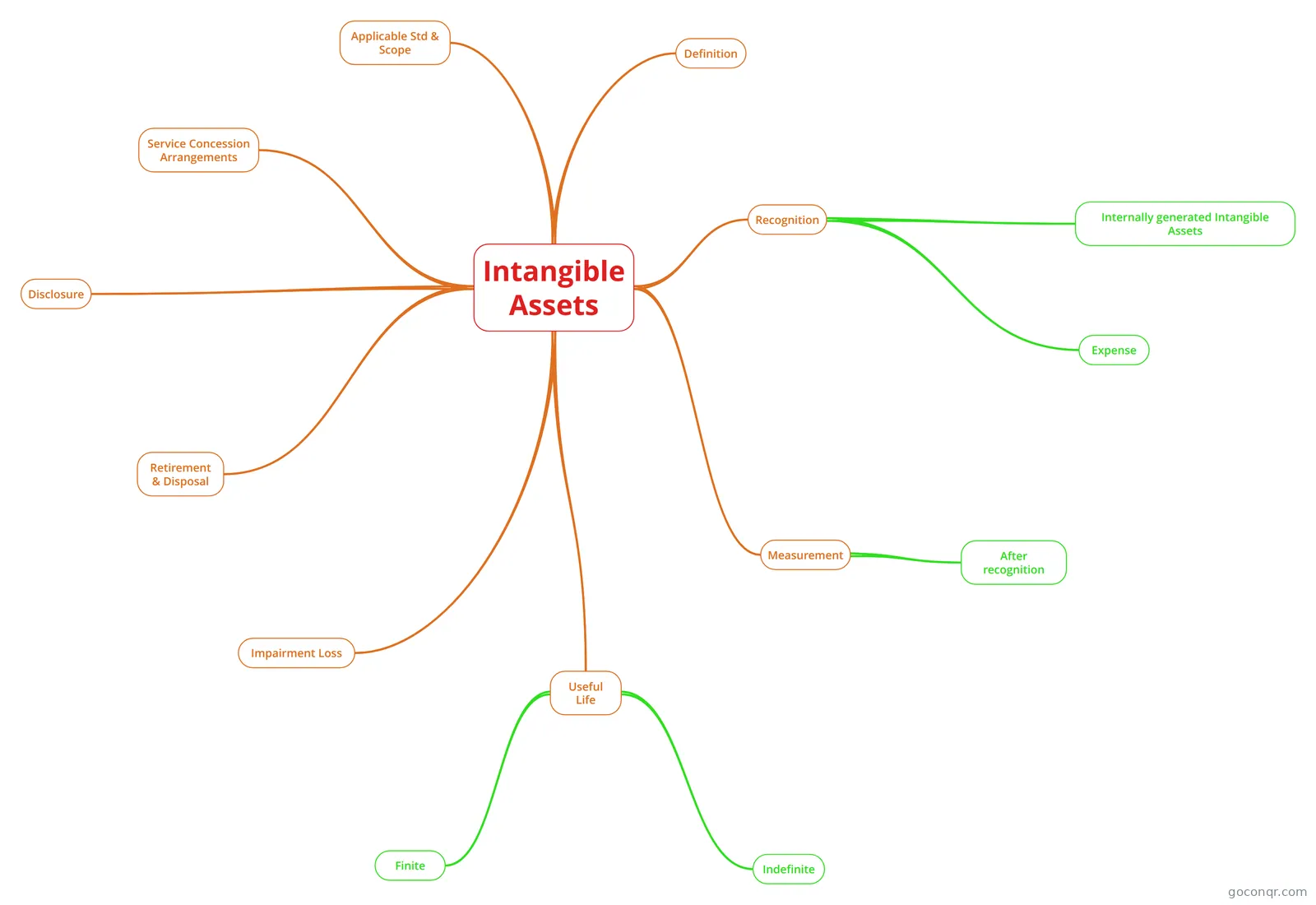
The Goodwill map explains value drawn from customers, efficiency, reputation and experience. Several maps and flashcard decks cover IAS 38 and impairment under IAS 36. The note SAP references walks through treating construction in progress in SAP, from creating the asset master to capturing costs on an internal order. Use Chapter 10 Key Terms to check terms such as amortisation, depletion and cost recovery.
Where it fits
This unit sits in the strand Financial Accounting: Assets, Liabilities and Equity, within Accounting and auditing. Pick one resource today, then make a map or deck of your own to fill any gap you find.
Frequently asked questions
Which resource should I open first?
Start with the mind map PPE summary. It gives the definition of tangible items, the recognition criteria and the cost basis. After that, the Depreciation mind map shows why and how depreciation is charged, so the quizzes make more sense when you reach them.
What do the depreciation resources cover?
The Depreciation mind map covers causes, estimation, straight line and reducing balance methods, and the accounts affected. Depreciation Methods adds units of output and double declining balance, plus carrying amount. The Depreciation quiz checks the core definition, and several flashcard decks cover the key terms.
Are there resources on intangible assets and impairment?
Yes. There are mind maps on Goodwill, IAS 38 and IAS 36, along with flashcard decks on impairment of assets and intangible non-current assets. Quizzes on intangibles are included too, so you can read about a standard and then test yourself on it.
Which levels and exams do these suit?
Most resources are at university level, with some for professional candidates. A few mention ACCA or a SAP certification. They suit university students and professional candidates practising costing, depreciation and impairment, and teachers can use them as ready-made material. School students may find the basics approachable.
Do I need to pay or sign up to use them?
No. Every resource listed here is free to open, study and take, with no account. They were made by GoConqr users, not by GoConqr. A free account lets you save quiz scores and make your own quizzes, mind maps, flashcards and notes.
What if the topic I need is missing?
Try nearby titles first, since many resources are named by chapter or standard, such as IAS 16 or Chapter 17 key terms. If you still can't find it, make your own mind map, deck or quiz and keep it for revision.