
Nursing Process and Care Planning
39 resources created by 25 users
This Nursing Process and Care Planning page on GoConqr gathers community-made quizzes, mind maps, flashcards, notes and slide sets, from assessing and diagnosing to outcome planning, implementing and evaluating. It's built for university students practising care planning and clinical reasoning, and for teachers after ready-made material. There are over 400 resources here, including more than 30 quizzes and over 300 mind maps, mostly at university level. Pick a phase of the nursing process, try a quiz, then make your own maps.
Top Nursing Process and Care Planning resources
-
30 cardsChapter 10: Blended Competencies, Clinical Reasoning, and Processes of Person-Centered Care Vocabulary UNIT III: Person-Centered Care and the Nursing Process Chapter 10: Blended Competencies, Clinical Reasoning...
-
22 questionsMOD. 8 (NURS 200) The nurse decides to seek wound care alternatives for a patient’s ulcer that is not healing after treatment...
-
44 questionsChapter 12: Diagnosing A registered nurse is writing a diagnosis for a 28-year old male patient who is in traction due to multiple...
-
35 questionsChapter 13: Outcome Identification & Planning A nurse is planning care for a male adolescent patient who is admitted to the hospital for treatment of a d...
-
38 questionsChapter 15: Evaluating A student health nurse is counseling a female college student who wants to lose 20 pounds. The nurse develo...
-
10 questionschapter 13 After being admitted directly to the surgery unit, a 75-yearold client who had elective surgery to replace ...
-
10 questionschapter 11 Which of the following behaviors is most representative of the nursing diagnosis phase of the nursing process?
-
10 questionschapter 14 When initiating the implementation phase of the nursing process, the nurse performs which of the following ...
Quizzes
See all 10 quizzes-
22 questionsMOD. 8 (NURS 200) The nurse decides to seek wound care alternatives for a patient’s ulcer that is not healing after treatment...
-
44 questionsChapter 12: Diagnosing A registered nurse is writing a diagnosis for a 28-year old male patient who is in traction due to multiple...
-
35 questionsChapter 13: Outcome Identification & Planning A nurse is planning care for a male adolescent patient who is admitted to the hospital for treatment of a d...
-
38 questionsChapter 15: Evaluating A student health nurse is counseling a female college student who wants to lose 20 pounds. The nurse develo...
-
10 questionschapter 13 After being admitted directly to the surgery unit, a 75-yearold client who had elective surgery to replace ...
-
10 questionschapter 11 Which of the following behaviors is most representative of the nursing diagnosis phase of the nursing process?
-
10 questionschapter 14 When initiating the implementation phase of the nursing process, the nurse performs which of the following ...
-
33 questionsChapter 14: Implementing A school nurse notices that a female adolescent student is losing weight and decides to perform a focused a...
Mind maps
See all 14 mind maps-
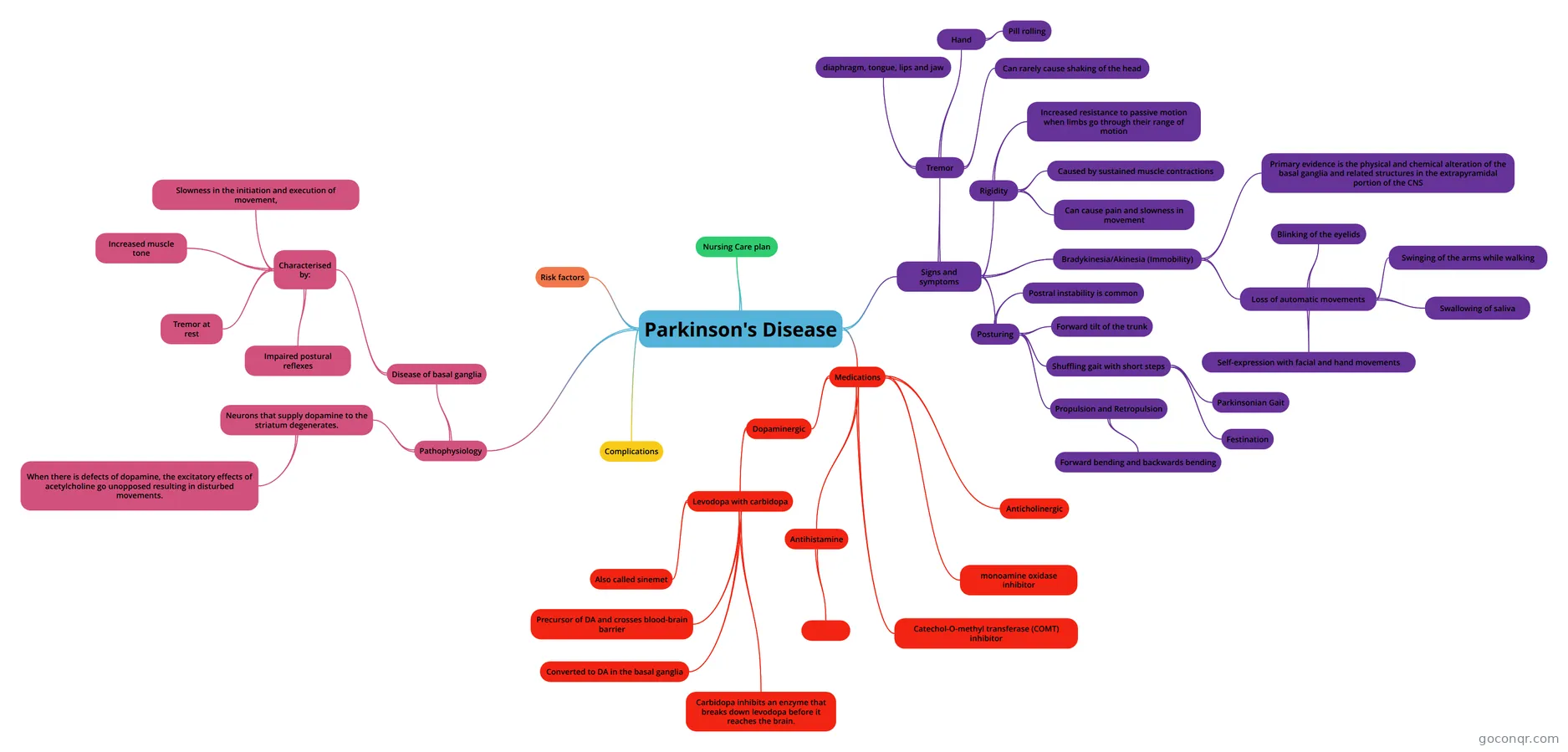 Parkinson's Disease
-
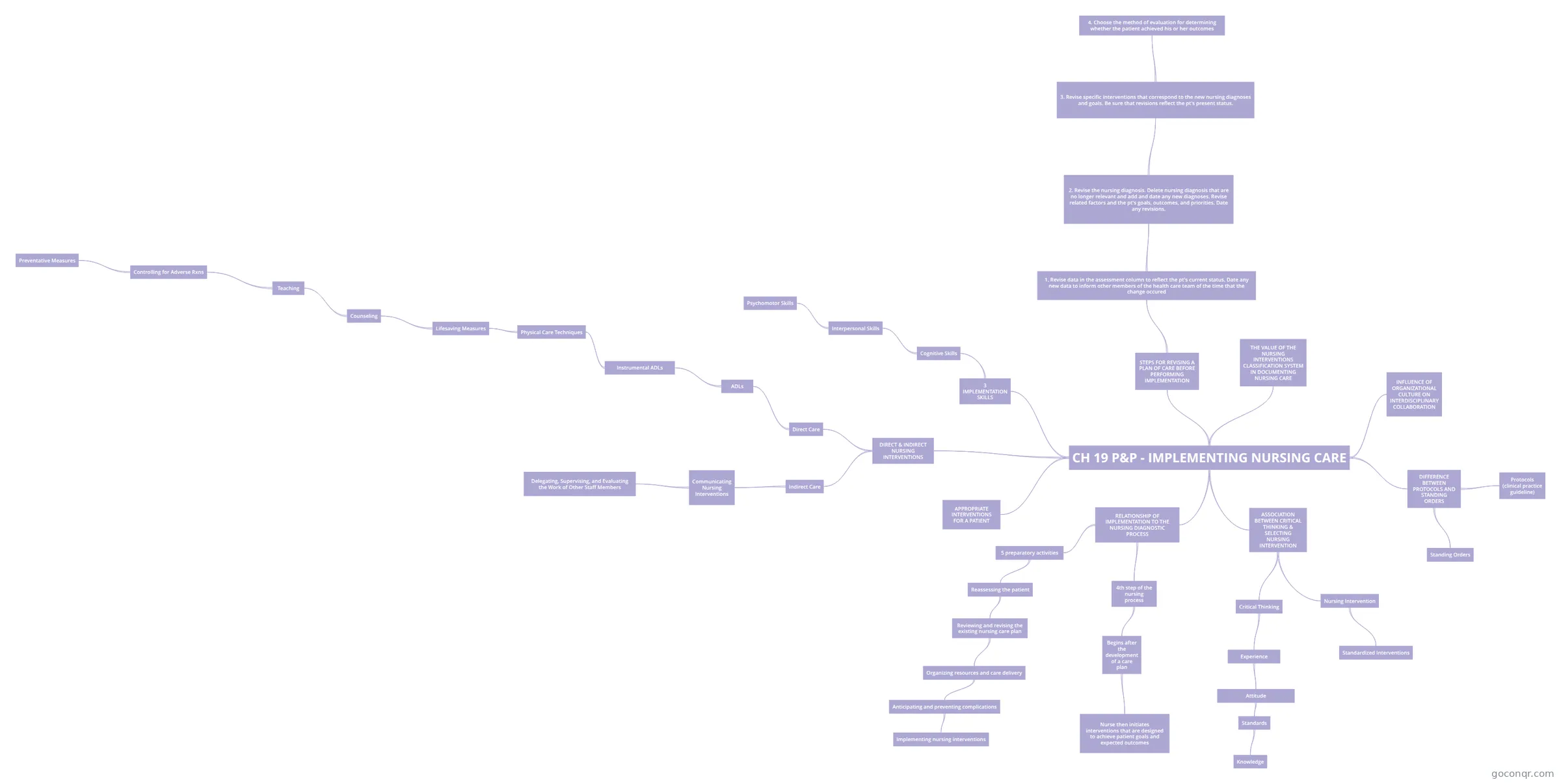 CH 19 P&P - IMPLEMENTING NURSING CARE
-
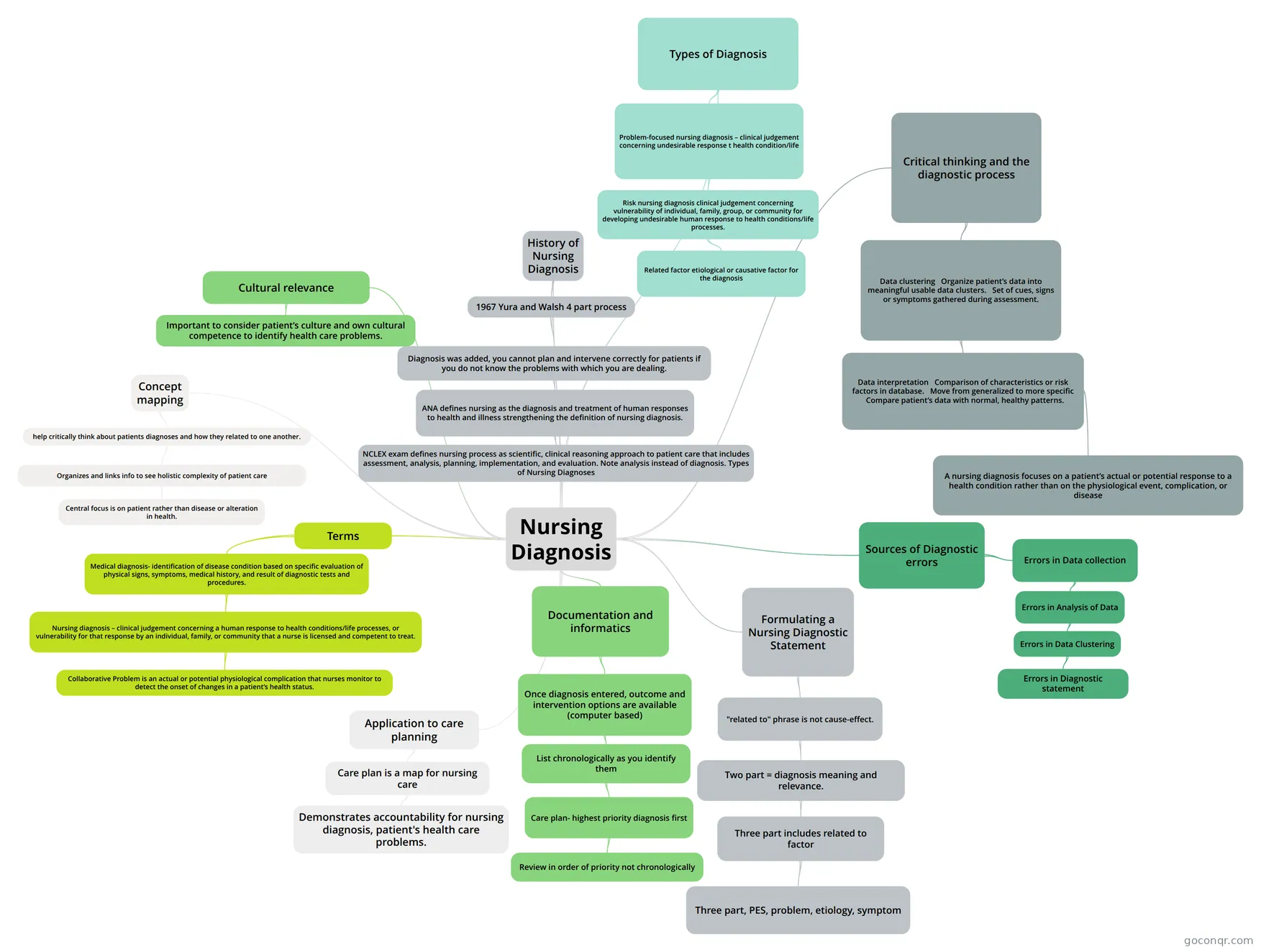 Nursing Diagnosis Perry Potter Ch 17
-
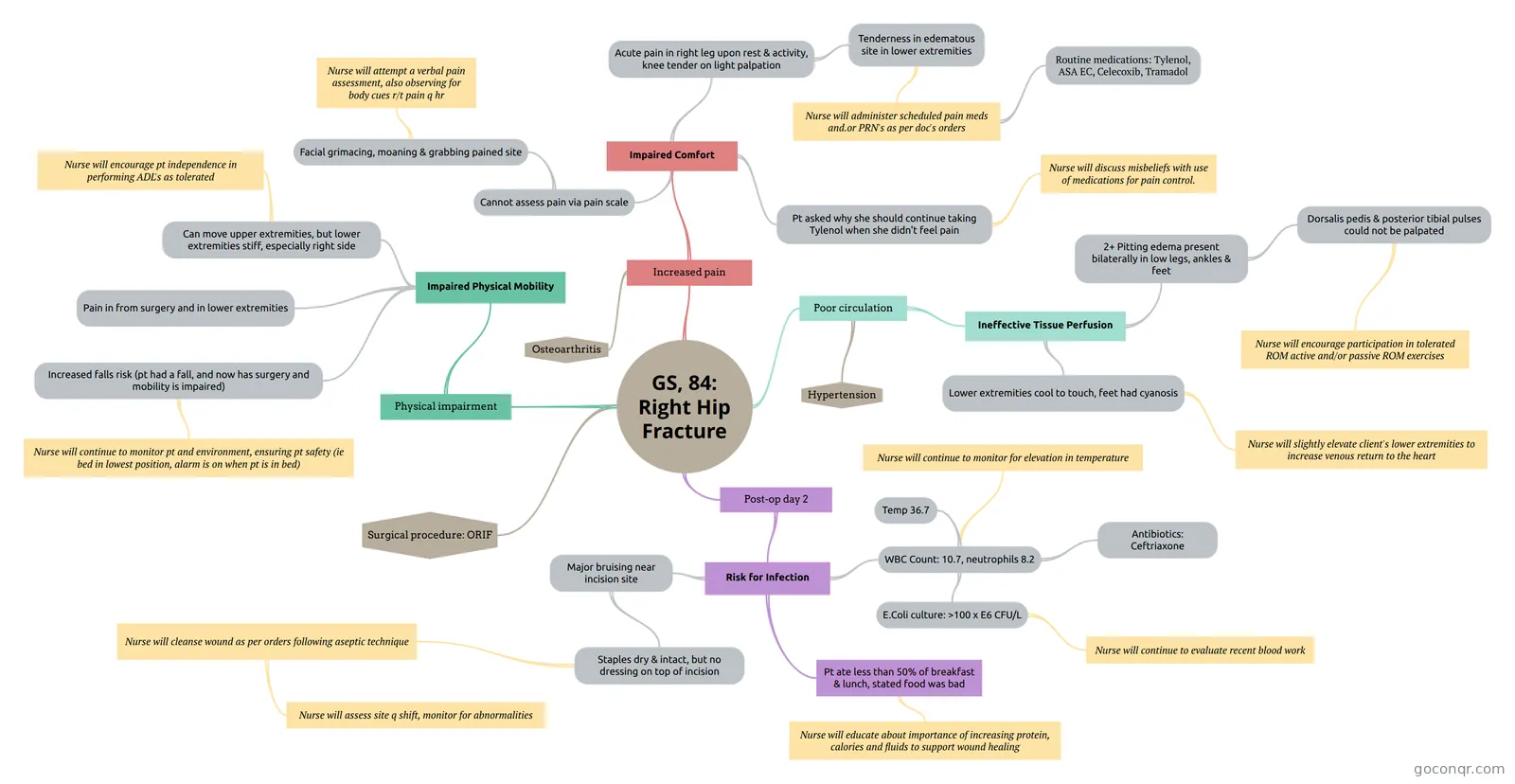 GS, 84: Right Hip Fracture Right Hip Fracture
-
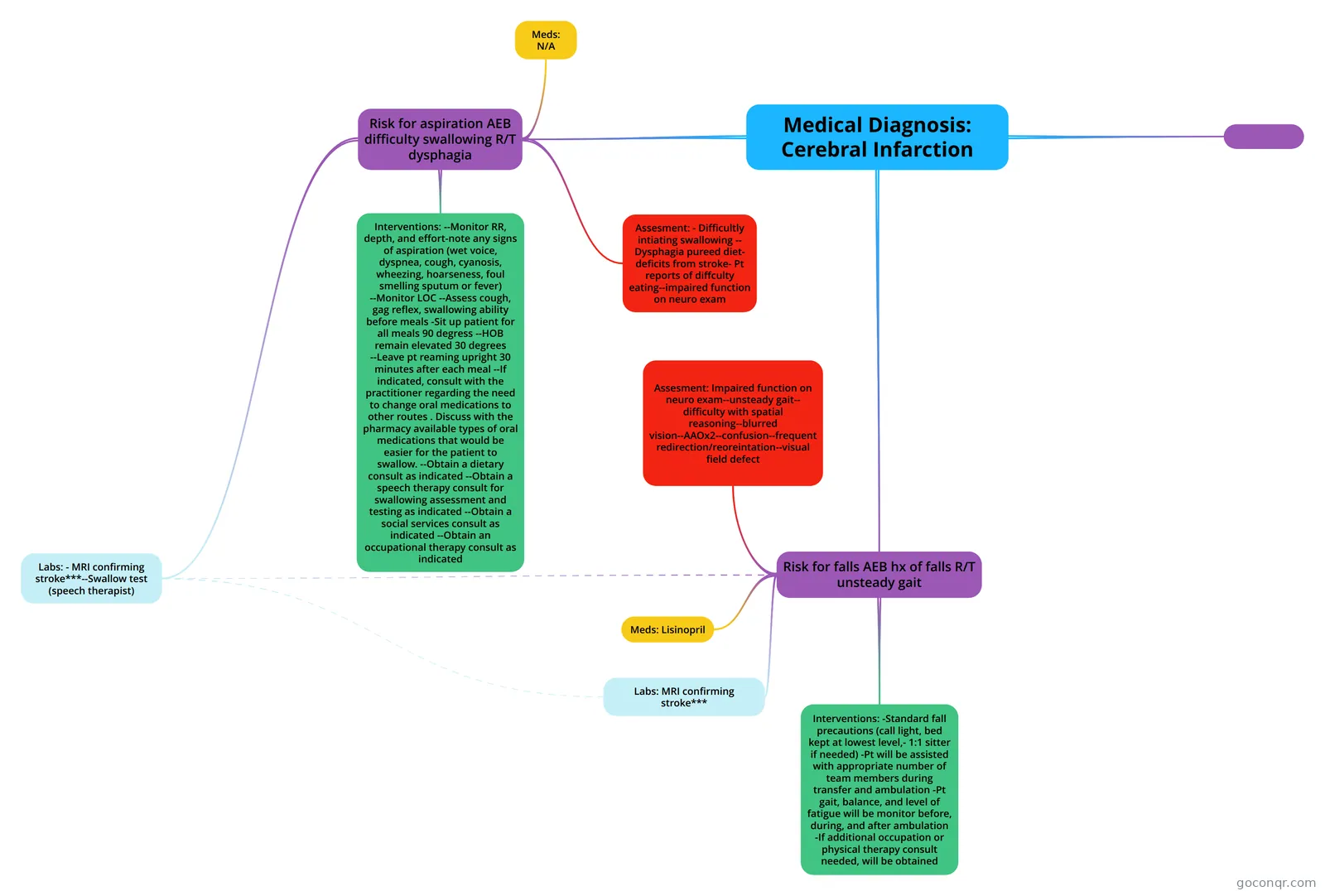 Medical Diagnosis: Cerebral Infarction Stroke
-
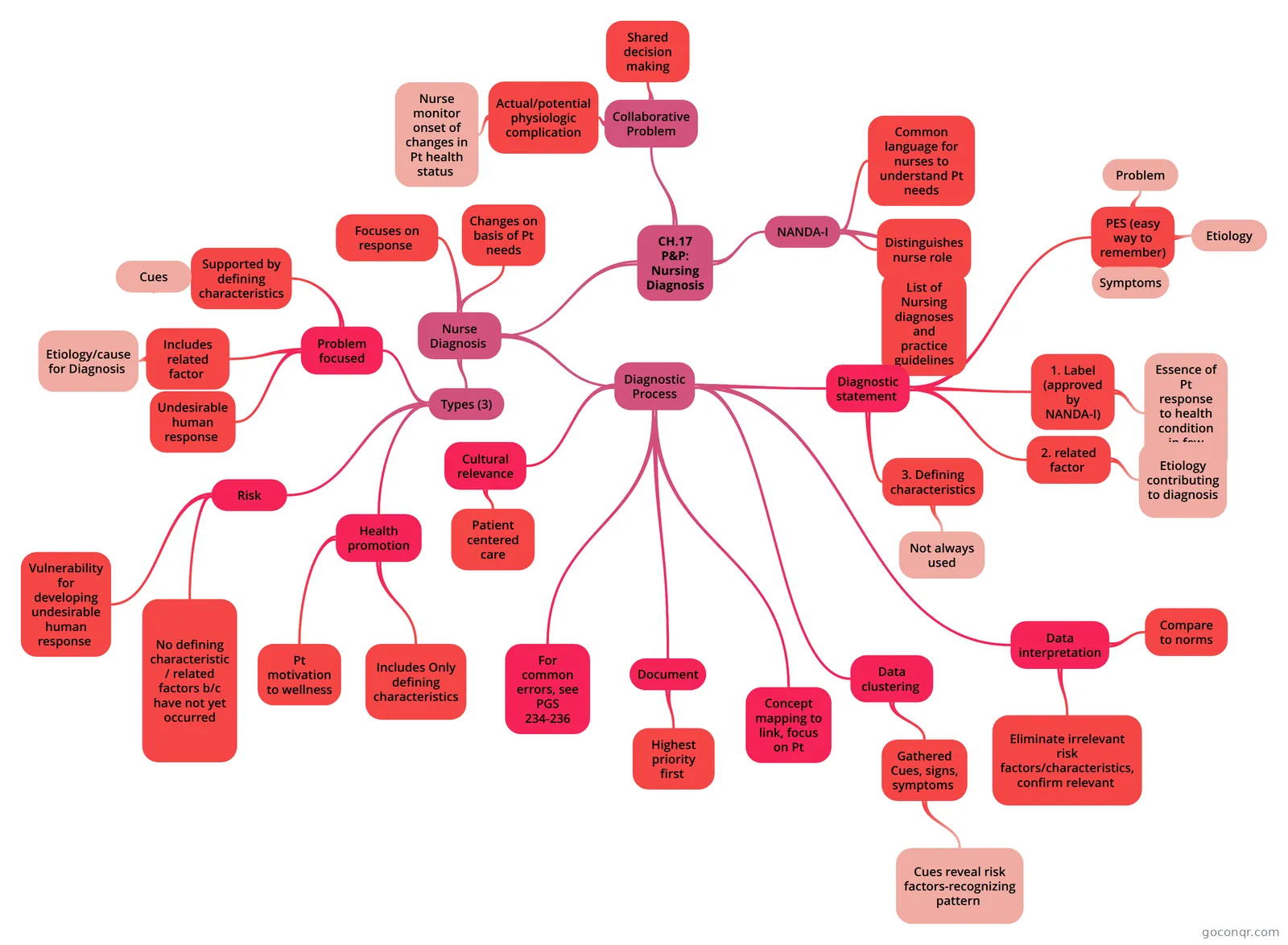 CH.17 P&P: Nursing Diagnosis Peary and Potter
-
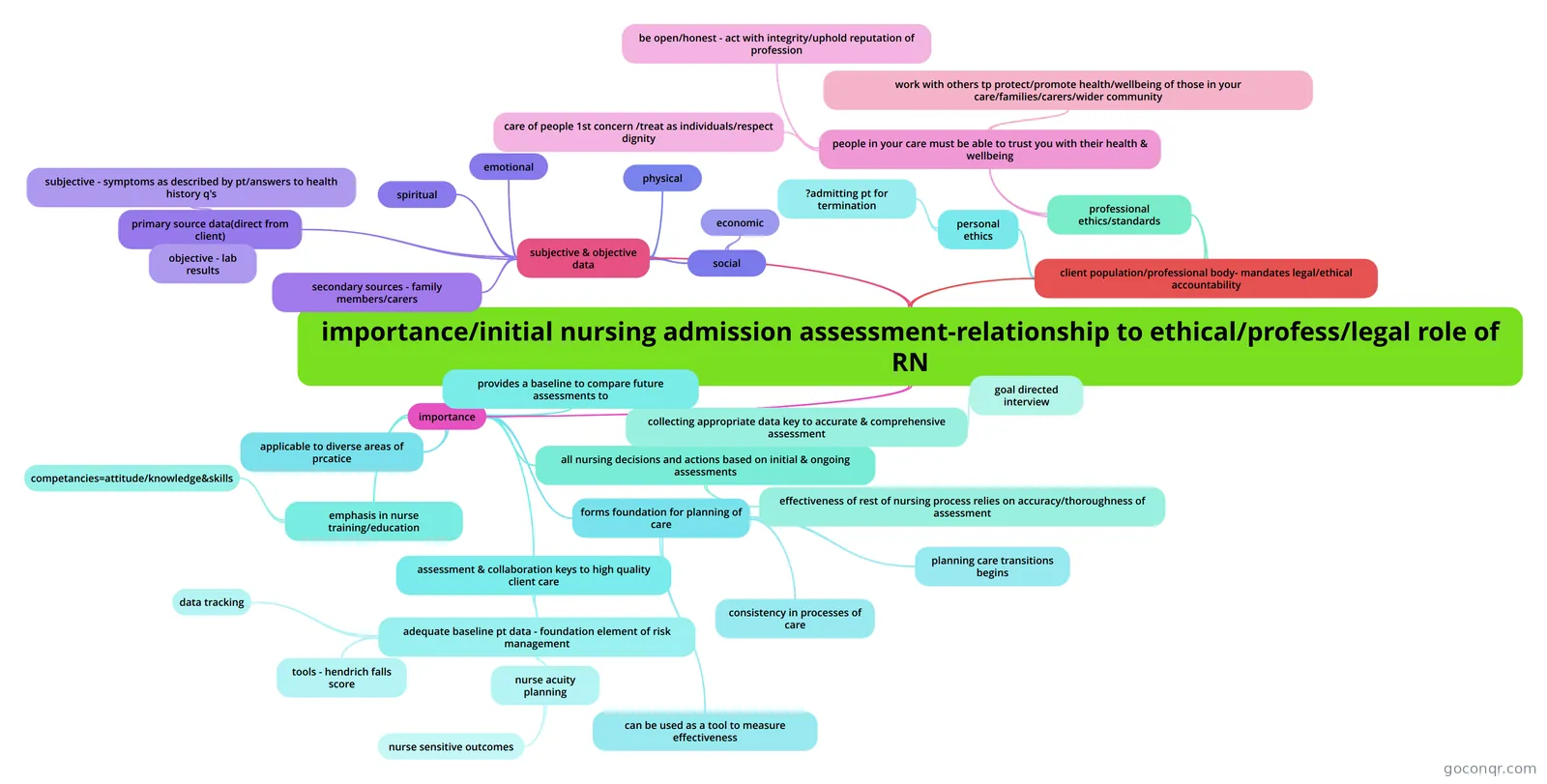 importance/initial nursing admission assessment-relationship to ethical/profess/legal role of RN
-
Managing Patient Care
Flashcards
-
30 cardsChapter 10: Blended Competencies, Clinical Reasoning, and Processes of Person-Centered Care Vocabulary UNIT III: Person-Centered Care and the Nursing Process Chapter 10: Blended Competencies, Clinical Reasoning...
-
12 cardsChapter 11: Assessing: Vocabulary Characteristics of Nursing Assessments
-
41 cardsChapter 16: Documenting, Reporting, Conferring and Using Infomatics Vocabulary 3 methods of communication central to the nurse's professional role:
-
19 cardsChapter 12: Diagnosing Vocabulary The purposes of diagnosing are
-
71 cardsAdult Health - Potter & Perry Chapter 16-20 Vocabulary
-
35 cardsChapter 13: Outcome Identification & Planning: Vocabulary During outcome identification/planning the nurse works in partnership w/the patient/family to
-
15 cardsChapter 15: Evaluating Vocabulary UNIT III: Person-Centered Care and the Nursing Process Chapter 15: Evaluating
-
14 cardsModule Three (Chapter twenty-six) Terms
Notes
-
Topic 5: Chapter 15 Critical thinking Describe the relationship between critical thinking and the nursing process. Critical thinking separates professional nurses from technical personnel. Nurses observe changes in patients, recognize potential problems, ...
-
Chapter 3 Documentation · Documenting involves recording the intervention carried out to meet the patients needs · Document interventions, time care was given, and the signature and title of the person providing the care is essential · Docum...
-
Pneumonia - created from Mind Map AssessmentFatigue Diagnosis Intervention
Slides
More Nursing topics
About Nursing Process and Care Planning
GoConqr OriginalWhat this unit covers
The resources follow the steps of the nursing process: assessing, diagnosing, outcome identification and planning, implementing, and evaluating. Documenting and reporting are covered too. Most of the material is organised by textbook chapter, so it is easy to match to a reading list.
Where to start
Begin with the flashcard deck on blended competencies, clinical reasoning and person-centred care vocabulary. It sets out terms such as critical thinking indicators, clinical judgement and QSEN. Then move through the vocabulary decks for assessing, diagnosing and outcome identification and planning, so the language is familiar before you test yourself.
- Read the notes on critical thinking and the nursing process.
- Look at the slide sets The Nursing Process and Nursing Diagnosis.
- Use the flowchart on implementing nursing care to see the order of actions.
Quizzes and maps together
The quizzes give a scenario and ask which phase of the nursing process the nurse is in. One asks about a male adolescent admitted after a drug overdose. Another asks about a patient with an ulcer that is not healing. Answers come with rationales, so read them to see why an option fits a phase.
The mind maps are mostly worked care plans built around a single patient or condition, such as Parkinson's Disease, Small Bowel Obstruction, Hypertension and Social Isolation. Others cover a hip fracture, a stroke or COPD. Open a map, then take a quiz on the matching phase. Next, try to rebuild the care plan from memory and compare it with the map.
Where it sits
This unit belongs to the Fundamentals of Nursing Care strand in Nursing. It suits university students working on placements and written care plans, and teachers who want examples to share with a class.
Next step
Choose one phase, work through its quiz, and then sketch a care plan of your own as a mind map.
Frequently asked questions
Which resource should I open first?
Start with the flashcard deck on blended competencies, clinical reasoning and person-centred care vocabulary. It gathers the terms the other resources rely on, including critical thinking, clinical judgement and QSEN. After that, move on to the vocabulary decks for each phase of the nursing process.
What do the mind maps cover?
Most are patient-based care plans. They cover conditions such as Parkinson's disease, small bowel obstruction, hypertension, sickle cell crisis, COPD and hip fracture, plus social isolation. A few cover wider topics, like planning for care and the systematic approach. There are over 300 in total.
Which quizzes match each step of the nursing process?
There are quizzes for assessing, diagnosing, outcome identification and planning, implementing and evaluating, mostly named by chapter. They use patient scenarios and ask which action belongs to which step. Many give the answer with a rationale, which helps you see why.
Who are these resources for?
They are aimed at university students practising care planning and clinical reasoning, and at teachers looking for ready-made material. Most of the resources are at university level, with a small share at professional level.
Are the resources free, and who made them?
Yes. Every resource here is free to open, study and take, with no account needed. They were made by GoConqr users, not by GoConqr itself. A free account also saves your quiz scores and lets you make your own quizzes, mind maps, flashcards and notes.
What if I can't find the condition I need?
Try the maps and notes on the general phases, such as planning for care or the notes on assessment and diagnosis, and adapt them to your patient. You can also build your own care plan map for the condition and keep it with your study set.