
Fichas
BVMS 3 - Term II Parasites
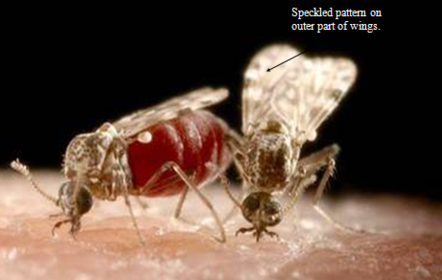
Fichas del conjunto (39)
- 1—Culicoides (midge)
- 2—Mosquito
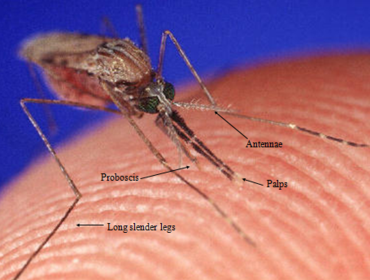
- 3—Tabanus spp.
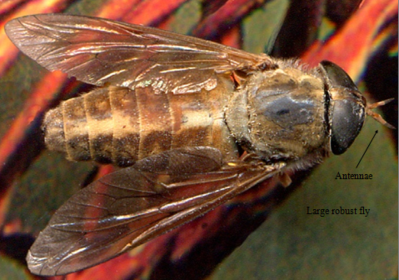
- 4—Haematopota
(wings have mottled pattern)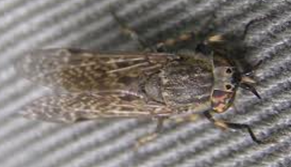
- 5—Musca domestica
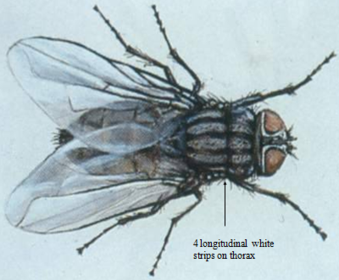
- 6—Stomoxys calcitrans
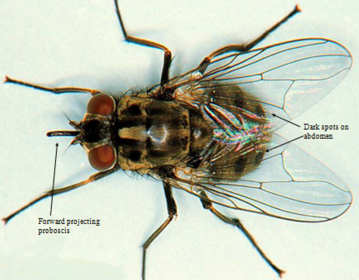
- 7—Glossina morsitans
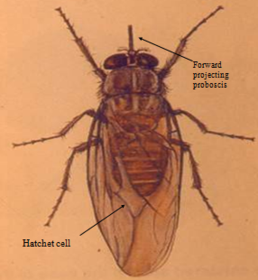
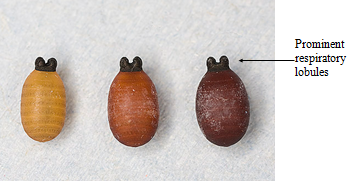
- 8—Glossina pupae
- 9—Glossina morsitans
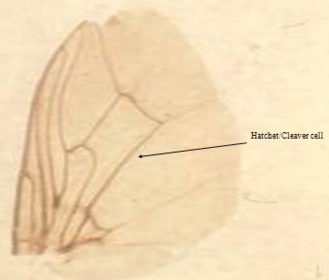
- 10—Lucilia
(Green Bottle)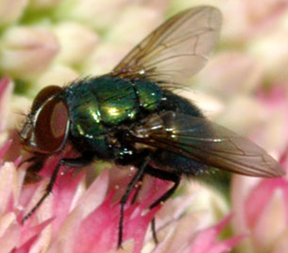
- 11—Lucilia pupae
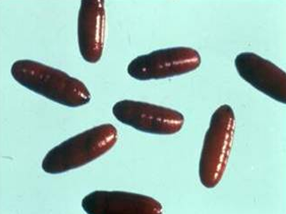
- 12—Caliphora
(Blue Bottle)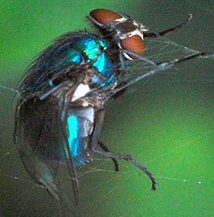
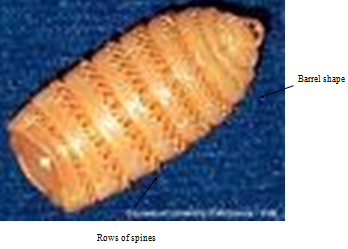
- 13—Gasterophilus larva
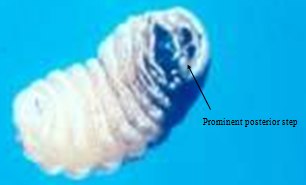
- 14—Oestrus ovis larva
- 15—Melophagus ovinus
(Sheep ked)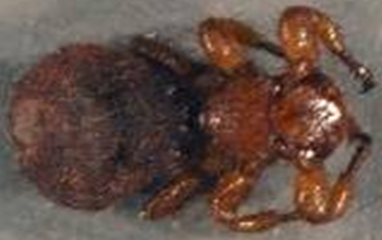
- 16Which diseases/pathogens are transmitted by Musca spp.Helminths:
Habronema (summer sores), Raillietina (tapeworm), Parafilaria bovicola, Thelazia (eye worms)
Bacteria:
Moraxella bovis (New Forest Disease) - 17Ixodes ricinus can transmit which pathogens?Babesia divergens (Red water)
Anaplasma (Tick-borne fever)
Flavivirus (Louping ill)
Borrelia burgdorferi (Lyme disease) - 18List the characteristics of the Argas genus of ticks which are different from IxodesSoft tick
Mouth parts not visible from above
Adults and nymphs feed repeatedly
Larvae don't feed on host
Mating takes place off the host
Drought resistant
Can survive up to 2 years without feeding - 19Which species of tick transmits both types of equine babesiosis?Dermacentor reticulatus
- 20Which type of babesia, small or large, is Babesia canis?Large, pathogenic
- 21For Babesia spp, in which host does the sexual reproduction take place?The tick
- 22Which is the most pathogenic Babesia spp. there is?Babesia bovis
Due to release of substances that activate plasma components which increase vascular permeability, vasodilation and intra-vascular coagulation --> circulatory stasis and shock --> destruction of RBC's and tissue anoxia (severe hypoxia) - 23What is meant by "Enzootic Stability"?Where in a herd; calves have innate resistance and constant pathogen challenge is maintained but balanced by herd immunity, disease hence mild and transient
- 24Treatment for babesiosis?Imidocarb
- 25The 3 main species of Theileria and their hosts?T. annulata - Cattle
T. parva - Cattle
T. lestoquardi - Sheep/Goats - 26What is meant by trans-stadial transmission?Infection acquired by one stage of tick and then transmitted by the next
e.g. for Theileria parva + annulata - 27Name the vector for Ehrlichia ruminantumThe 3-host ornate hard tick Amblyomma
- 28List the measures of control of tick borne diseaseImmunity (Enzootic stability)
Vaccination against disease
Resistance (breeding work)
Eradication
Dipping
Vaccination against ticks
Pastures control (burning/spelling)
(Mnemonic: Insane Vikings Ruled Europe's Deep Vast Pastures) - 29Clinical symptoms of Nagana?Muscle wasting
Anaemia
Reduced milk production - 30Trypanosoma transmission vector?Tsetse fly
T. vivax also other biting flies - 31Which Trypanosoma species has no sexual reproduction?T. vivax
- 32Why is it NOT possible to create a vaccine against Trypanosoma spp?Short stumpy form in mammals have Variable Surface Glycoprotein (VSG) coat with antigenic variation - by time Ig is created some will have changed coat and avoided getting destroyed
- 33List the control measures against TrypanosomaTrypanocidal drugs
Tsetse insecticides/traps/sterile male release
Breeding of trypano-tolerant cattle - 34HAT - clinical signs?Organomegaly
Cardiac
GI
Neurologic
(coma and death if untreated) - 35How is Trypanosoma evansi transmitted?Via coitus (in horses)
- 36Treatment against Neospora caninum in dogs?Clindamycin
- 37Describe the life cycle of SarcocystisFH eats sarcocyst - bradyzoites released - infect SI cell, directly form macro and microgametes - fuse to oocyst - sporulation in gut - released in faeces - IMH eats sporocyst - invade endothelial cells of mesenteric a. - asexual repro forming schizonts - merozoite produced and released - invades leukocytes schizont formed and produce merozoites - merozoites invade muscle cell - form bradyzoite within a sarcocyst
- 38What drug(s) would you use for treating sheep scab (Psoroptes ovis)?Injectible Moxidectin, Ivermectin or Doramectin
Organophosphate dipping (Diazinon) - 39Psoroptes ovis life cycle?Female lay eggs (1-5 per day)
Larvae
Protonymph
Deutonymph, male female attachment
Adults
Eggs
11-14 days
Información
- Descripción
- Protozoa and Ectoparasites
- Creado por
- Marielle83
- Visitas
- 65
- Etiquetas
- Valoración