Mapa mental
unit 2
Contenido del mapa
unit 2
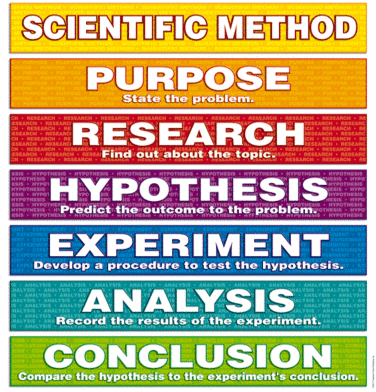
Scientific Approach to behaviour
- 1. Measurment and description, finding techniques to measure that make it possible to describe behaviour
- understanding and predicating: ability to understand and explain events with reasons for occurrence
- Hypothesis is a tentative, testable answer to a scientific question relating and the relationship between variables
- Variables: are any measurable conditions, events, characteristics or behaviours that are controlled in a experiment or study.
- Application and control: Applying the findings from experiments to assist in everyday life
- Hypothesis is a tentative, testable answer to a scientific question relating and the relationship between variables
- understanding and predicating: ability to understand and explain events with reasons for occurrence
- 1. Measurment and description, finding techniques to measure that make it possible to describe behaviour
Scientific Techniques
- Direct Observation: watching and recording social behaviours. Pros - Minimizes artificaliity. Cons - Difficult to remain unobtrusive
- Experiment: Manipulation of the idependent variable to see what changes occur in the dependent vaiable. Pros - precise control of variables. Cons - often artifical experiments and ethical dilemas
- Case studies: research that is used to look at individuals, groups of participants, collecting data about participants using participant and direct observations, interviews, Protocols, tests, examinations of records Pros - well suited to study certain phenomenas and can provide data to support theories. Cons - subjectivity and clinical samples often underrepresented.
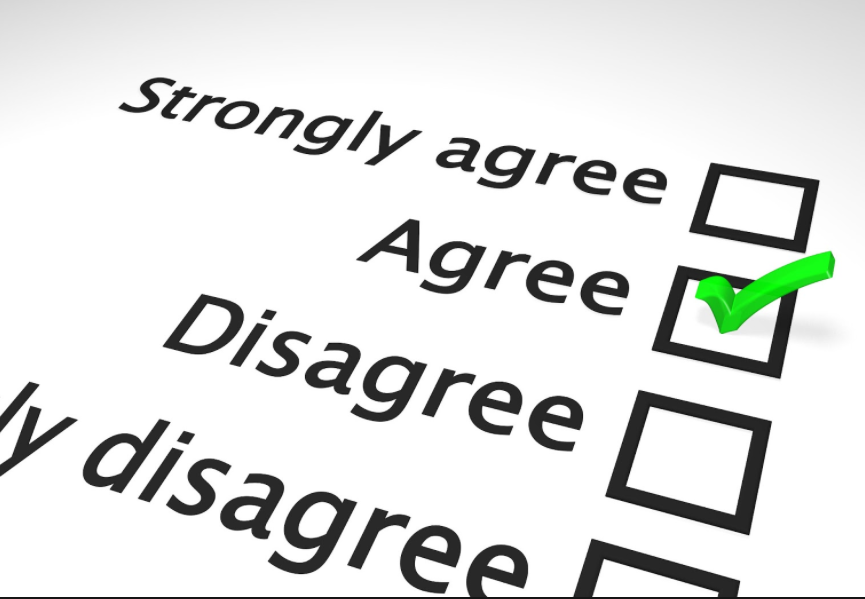
- Surveys: questionaires and interviews to collect data. Pros- ability to gather data on hard to observe behaiour and easy to collect data. Cons - unrelaible due to initention, bias, social desirabilty, etc.
Experiements
- Indpendent vaiable: It is a variable that stands alone and isn't changed by the other variables you are trying to measure.
- Dependent variable: depends on other factors, amount of change
- Experimental groups: exposed to independent variable and are expected to create change
- Control Group: that does not receive treatment and is used as a benchmark to measure how the other tested subjects do.
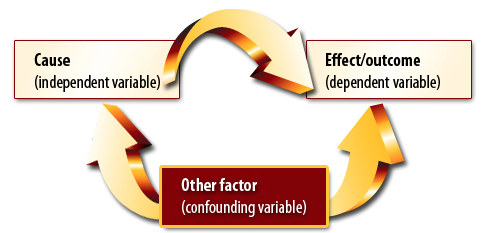
- Extraneous Variable: variables other than the independent variable which may have an effect on the dependent variable.
Correlation: when 2 variables are related to each other
- Positive Correlation: when two variables co-vary in the same direction Negetive correlation: when 2 vairables co-vary in opposite directions
- Strength of correlation the closer to -100 or 100 the stronger, closer to 0 decrease.
- Just because there is a correlation does not mean the varibles are dependent of one another. Causation, one event is the result of the occurrence of the other event;
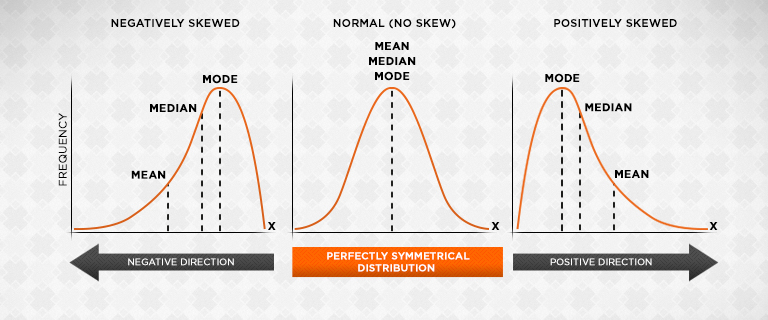
Statisitcs - Mean: Average of scores in a distribution. Median: The Score that falls ecaxtly in the middle. Mode: is the most requesnt score
Ethics
- i. Respect for the dignity of the persons
- ll. Responsible caring
- lll. Intergraty in relationships
- lV. Responisbility to society
- lll. Intergraty in relationships
- ll. Responsible caring
- i. Respect for the dignity of the persons