
Apuntes
GCSE Revision (Plastics detailed) AQA specification - created from Mind Map
Contenido del apunte (1)
Página 1
two types
most made form crude oil
Forming plastics
Natural
thermo-plastics
thermo-sets
get soft when heated, allowing their shape to change- will harden in new shape
flxible
Most, plastics- available in sheets or pellet form
hundreds of diff types
acrylic
nylon
polypropylene
Polythene (HDPE)
High impact Polystyrene (HIPS)
Expanded Polystyrene
hard-wearing transparent or opaque
Display Signs
Roof Lights
Machine Guards
clothes
bearings
gears
medical syringes
rope
crates
storage boxes
Pipes
Milk crates
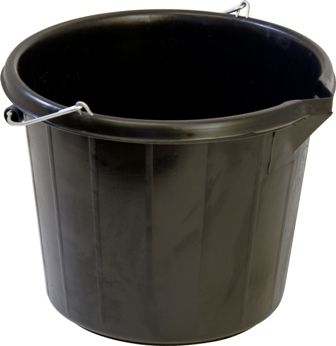
Buckets
Vacuum forming in schools
Casing for electronic products
Packaging
Soft and spongy, good insulator
Sound and heat insulation
Ceiling Tiles
Packaging
once formed, cannot be changed using heat
products that are heat-resitant and keep their shape
are normally available as different chemicals to mix together
Urea/Phenol Formaldehyde
Melamine Formaldehyde
exoxy resin and polyester resin
electrical sockets/plugs
hard, rigid and strong- plastic bowls, laminated surfaces
reinforced with glass fibre- canoes
good chem resitance, but can be brittle
hard and rigid
cannot normally be recycled
most are synthetic materials
drilling deep into ground/ sea
broken down into simple parts: monomers
non-renewable
pollution and damage to environment
plastics often end up buried in landfill- and they take 100s of years to break down- so this is a problem
but some are made form bio-degradable sustainable sources
man- made, using chemical processes
attached together to form polymers: the pure form of any plastic
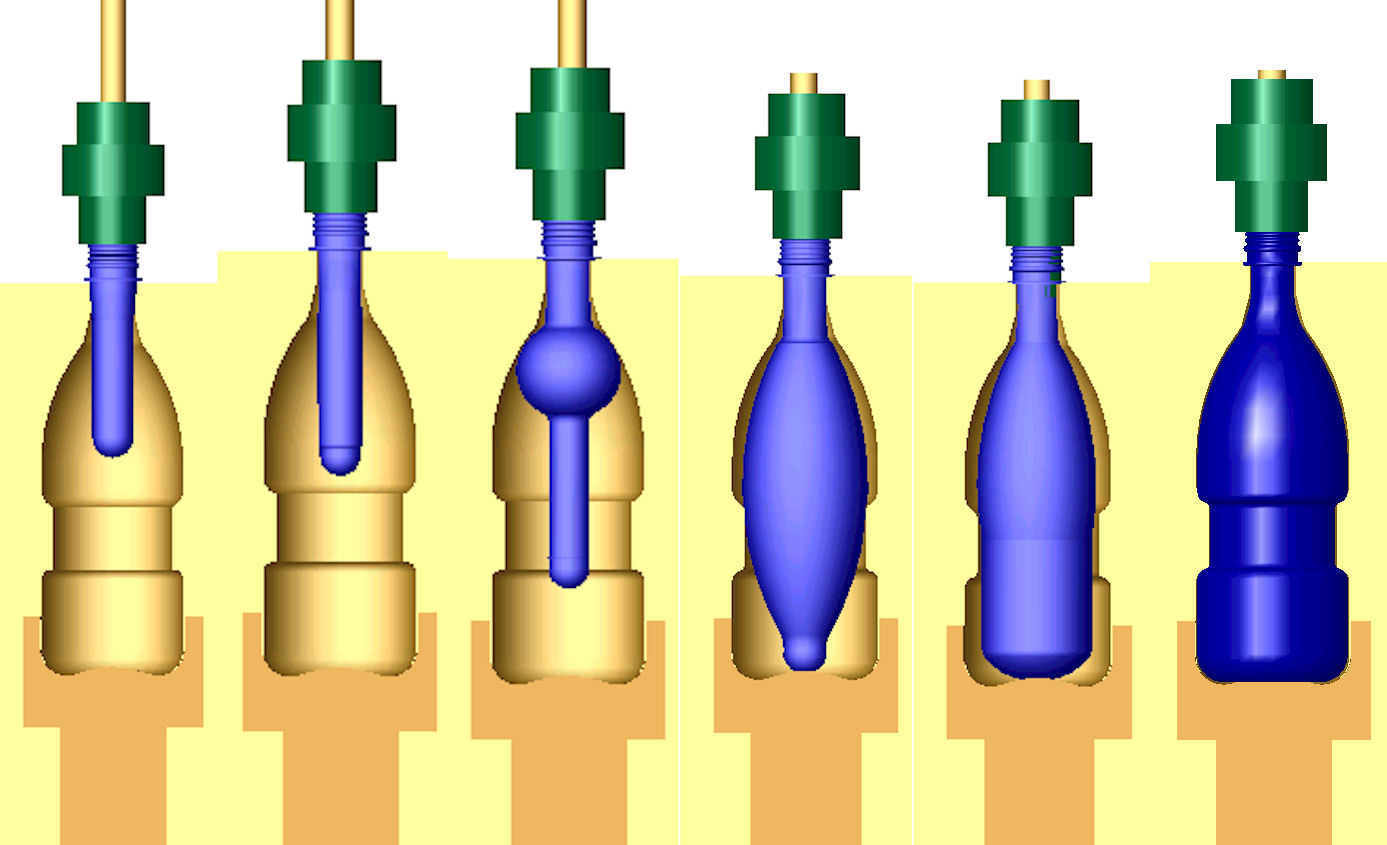
Blow Moulding
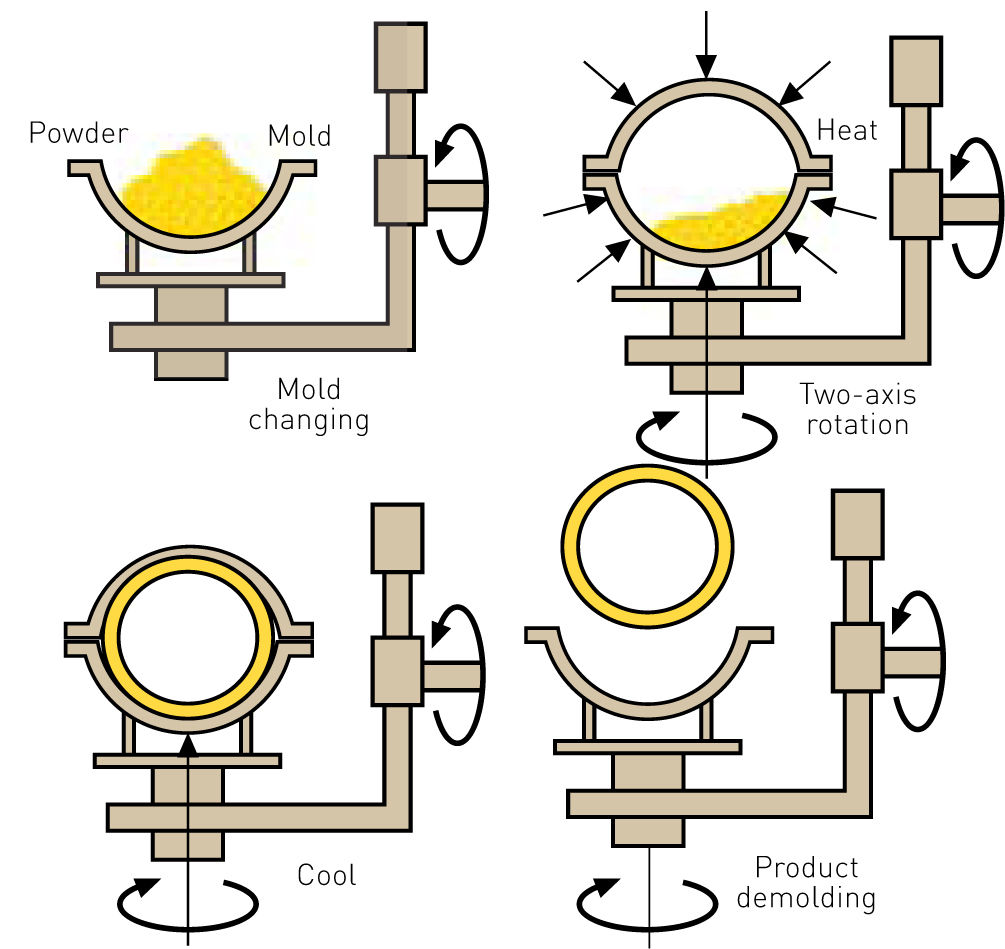
Rotational Moulding
Injection Moulding
Vacuum Forming
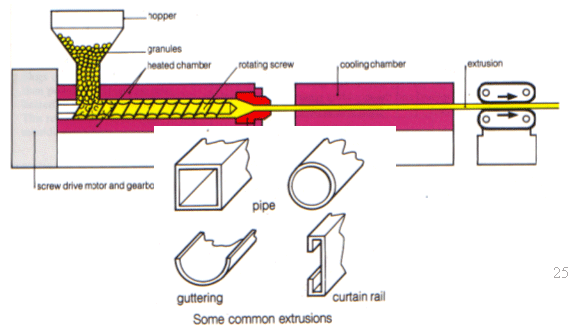
Extrusion
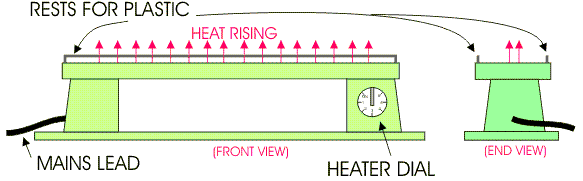
Strip Heating
Latex
Amber


Información
- Descripción
- Detailed plastics mindmap
- Creado por
- Eden Layzell · ene 2020
- Actualizado
- 6 ene 2020
- Visitas
- 8
- Historial
-
- Creado por fampulli · 6 ene 2020
- Copiado por T Andrews · 6 ene 2020
- Copiado por Eden Layzell · 6 ene 2020
- Copiado a Apunte por Eden Layzell · 6 ene 2020
- Valoración
Más sobre Plastics and Polymers