
Test
Cell Lecture 3
Este test tiene tipos de pregunta que se abren en el reproductor de siempre.
Preguntas del test (42)
1Label the image
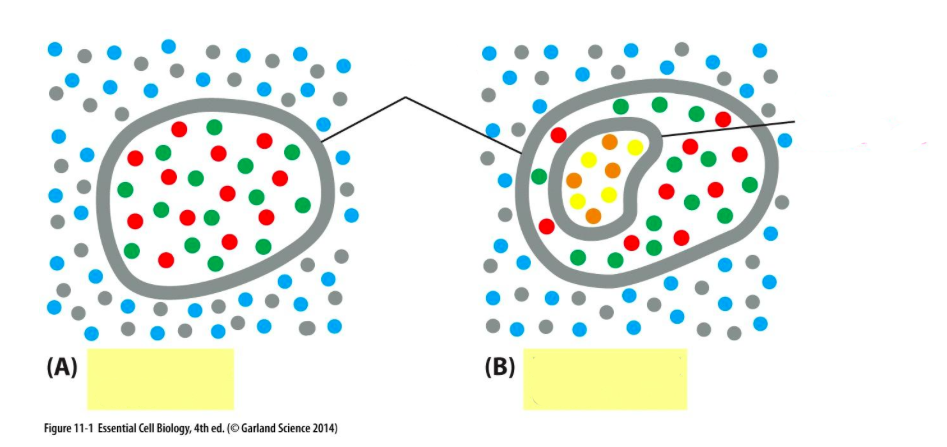
- ABacterial cell
- BEukaryotic cell
- Cplasma membrane
- Dinternal membrane
2The plasma membrane is involved in ..
- Acell communication
- Bimport and export of molecules
- Ccells growth
- Dmotility
- Eprotein reorganization
- FCa2+ storage
3The most common phospholipid in cell membranes
- Aphosphatidylcholine
- Bphosphatidylserine
- Cphosphatidylglycerol
4Label the image
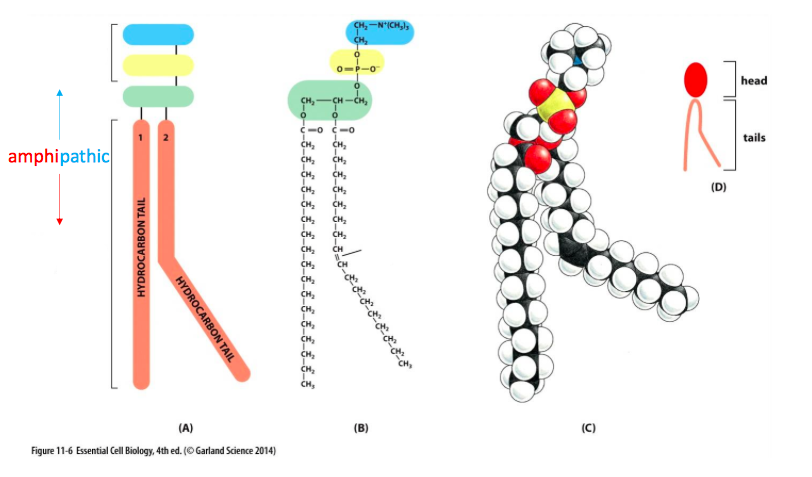
- Acholine
- Bphosphate
- Cglycerol
- Dnonpolar (hydrophobic tails)
- Epolar (hydrophilic head)
- Fdouble bond
5Label the image
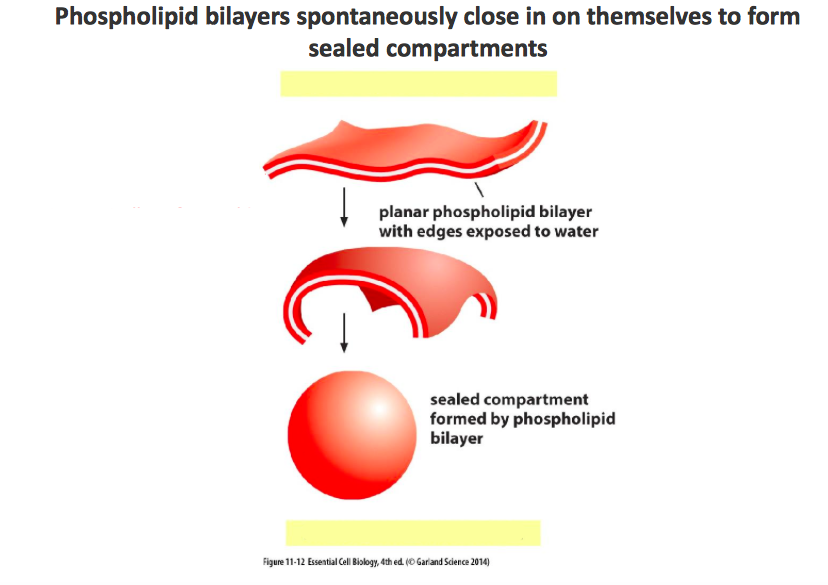
- Aenergetically unfavorable
- Benergetically favorable
6The properties of the lipid bilayer ensure that the plasma membrane is extremely flexible and able to self repair
- AVerdadero
- BFalso
7Membrane and proteins do not retain their orientation during transfer between cell compartments
- AVerdadero
- BFalso
8Label the image
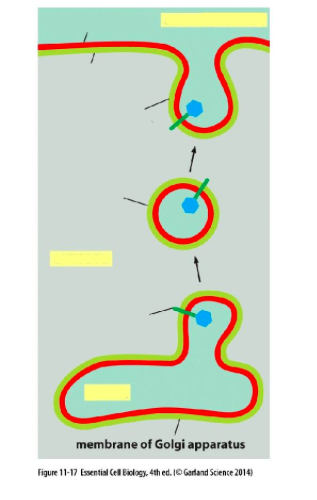
- Alumen
- Bcytosol
- Cextracellular fluid
- Dtransport vesicle
- Emembrane protein
- Fplasma membrane
- Gcytosolic face
- Hnon-cytosolic face
9Label the image
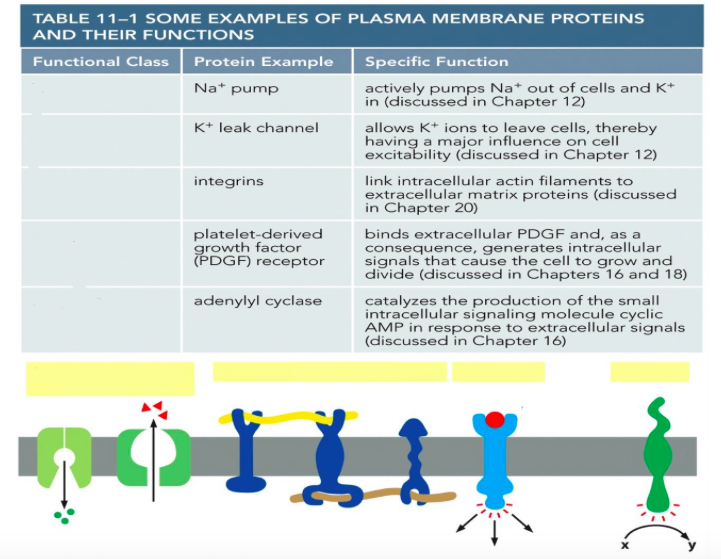
- ATransporters class
- Bion channels class
- Creceptors class
- Danchors class
- Eenzymes class
- Ftransporters and channels
- Ganchors
- Hreceptors
- Ienzymes
- Jcytosol
- Kextracellular fluid
10Label the image
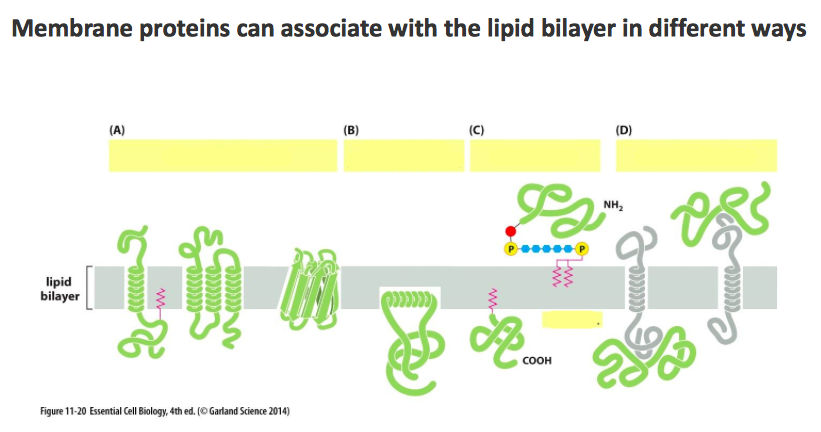
- Atransmembrane
- BMonolayer associated alpha helix
- Clipid-linked
- Dprotein-attached
- Ecytoso
- Fbarrel
11Because the backbone of a polypeptide chain is hydrophilic, a transmembrane polypeptide chain usually crosses the lipid bilayer as...
- Aa helix
- Ba beta-sheet
- Ca coil
12Many single-pass transmembrane proteins are receptors for extracellular signals
- AVerdadero
- BFalso
13Label the image
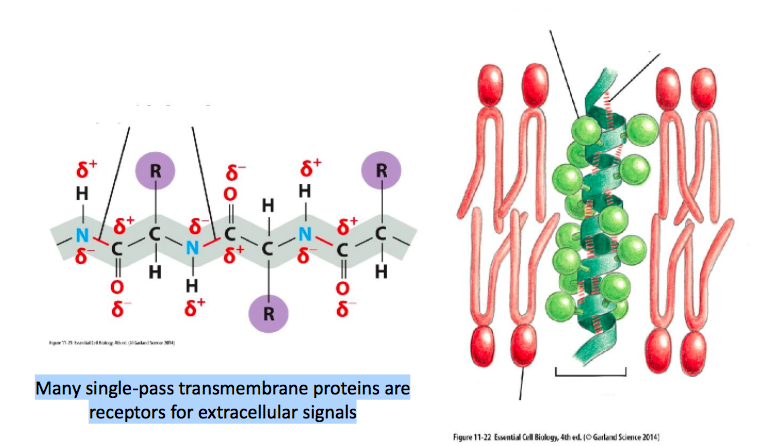
- Apeptide bonds
- Balpha-helix
- Cphospholipid
- Dhydrogen bond
- Ehydrophobic amino acid side chain
14A transmembrane [blank_start]hydrophilic[blank_end] pore can be formed by [blank_start]multiple[blank_end] [blank_start]amphipathic[blank_end] α helices or β sheets
- Ahydrophilic
- Bhydrophobic
- Cmultiple
- Dsingle
- Eamphipathic
- Famphoteric
- Galiphatic
15Label the image
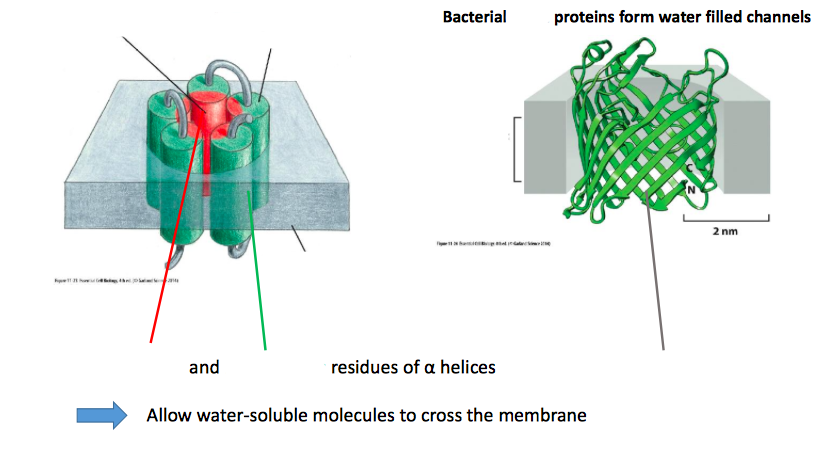
- AHydrophilic
- BHydrophobic
- Caqueous pore
- Dtransmembrane alpha-helix
- EPore
- FBeta sheet
- Ghydrophobic core of the lipid bilayer
- Hlipid bilayer
16Label the image
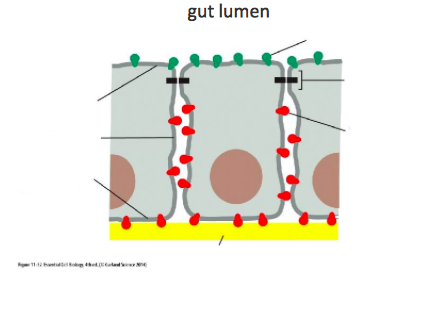
- Aapical plasma mebrane
- Blateral plasma mebrane
- Cbasal plasma membrane
- Dprotein A
- Etight junction
- Fprotein B
- Gbasal lamina
- Hblood stream
17The cytoskeleton
- Agives a cell its shape
- Ballows the cell to organize its internal components
- Cto move (‘bones and muscles’ of the cell)
- Dprotects the cell
- Egives pigmentation to the cell
18How many types of protein filaments there are that form the cytoskeleton differ in their composition, mechanical properties, and roles inside the cell
- A3
- B4
- C5
- D2
- E6
19Label the image
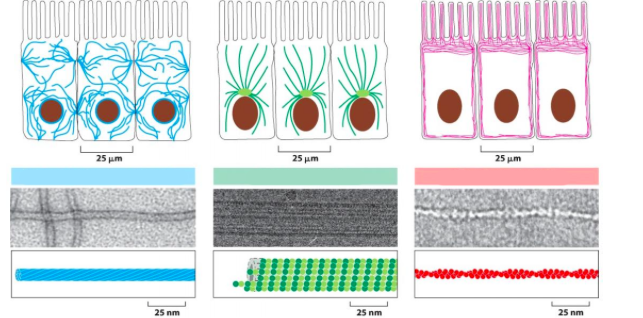
- AIntermediate filaments
- Bmicrotubules
- Cactin filaments
20Ropelike fibers with a diameter of about 10 nm, made of fibrous proteins, can form a nuclear lamina or extend across the cytoplasm giving the cells mechanical strength, very flexible, may have great tensile strength, deform under stress but do not rupture
- Aintermediate filaments
- Bmicrotubules
- Cactin filaments
21Hollow cylinders made of protein tubulin, long and straight, one end attached to centrosome, outer diameter of about 25nm, rigid, rupture when stretched
- Aintermediate filaments
- Bmicrotubules
- Cactin filaments
22helical polymers of a protein, flexible, diameter about 7 nm, organized into linear bundles, two-dimensional networks, highly concentrated in the cortex (layer beneath the plasma membrane.
- Aintermediate filaments
- Bmicrotubules
- Cactin filaments
23Label the image
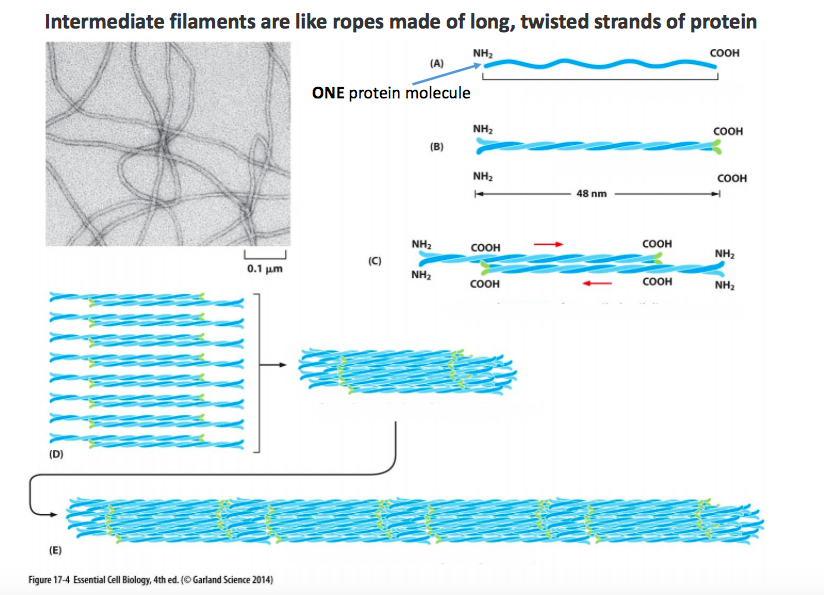
- Aalpha-helical region of monomer
- Bcoiled-coil dimer
- Cstaggered tetramer of two coiled dimers
- Dlateral association of 8 tetramers
- Eaddition of 8 tetramers to growing filam
24Label the image
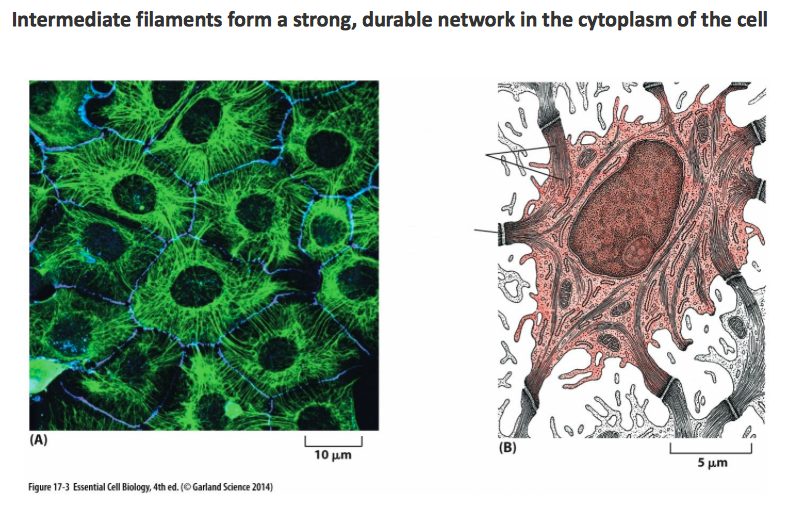
- Abundles of intermediate filaments
- Bdesmosome connecting two cells
25Intermediate filaments meet at demos ones and provide stability so you cannot rip it easily apart
- AVerdadero
- BFalso
26Label the image
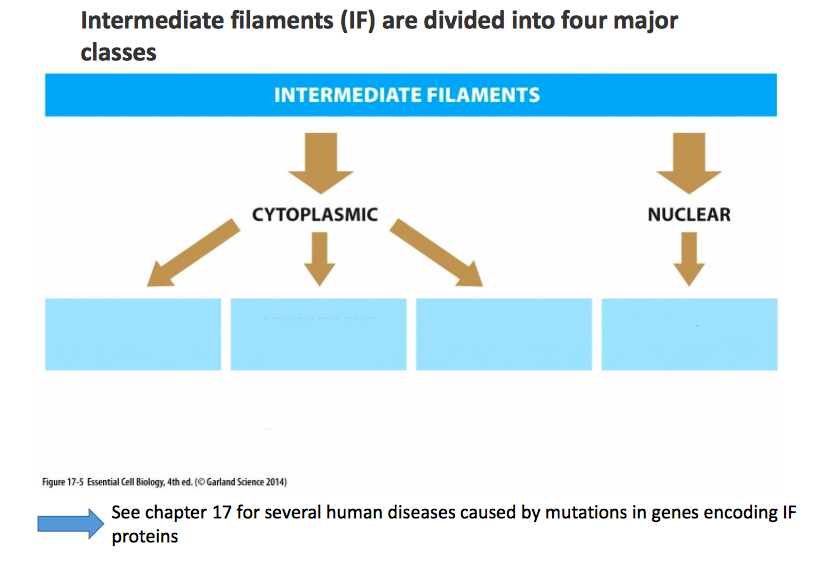
- Akeratin filaments
- Bvimentin-related filaments and vimentin
- Cneurofilaments
- Dnuclear limins
- Ein epithelial cells
- Fin connective-tissue cells,muscle/glial
- Gin nerve cells
- Hin all animal cells
27Label the image
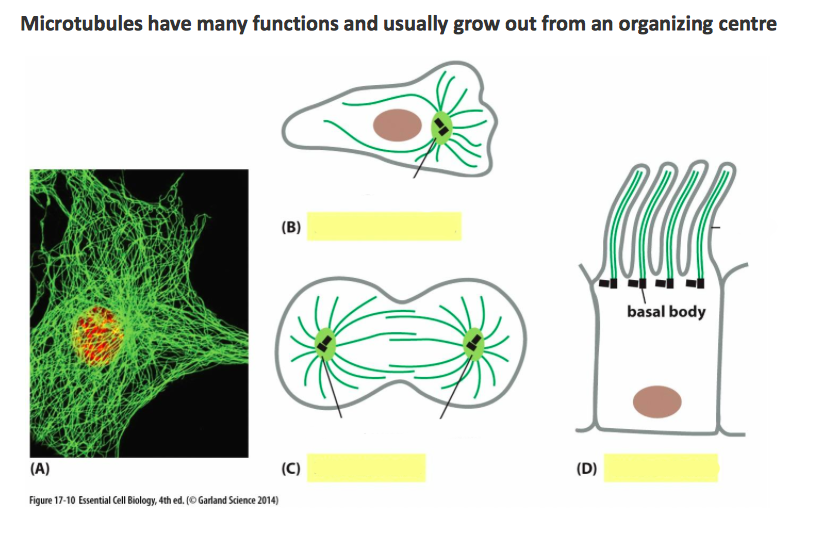
- Anondividing cell
- Bdividing cell
- Cciliated cell
- Dcilium
- Epoles of mitotic spindle
- Fcentrosome
28How many protofilaments make 1 microtubule
- A13
- B12
- C10
- D15
- E9
29microtubules do not have structural polarity
- AVerdadero
- BFalso
30Label the image
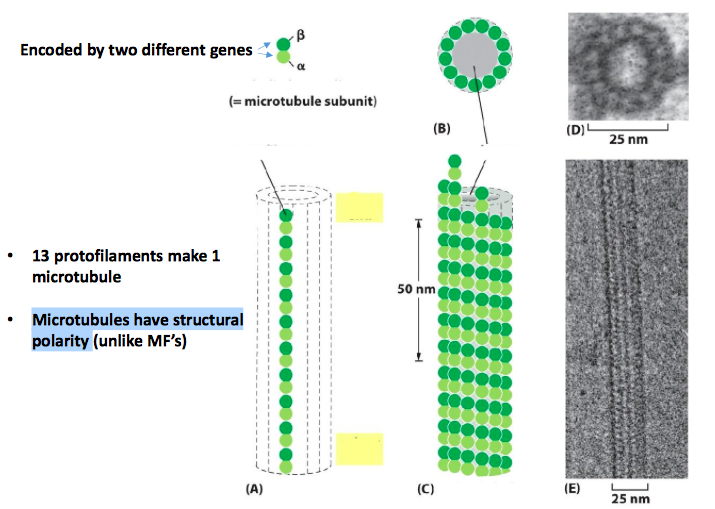
- Aprotofilament
- Blumen
- Cplus end
- Dminus end
- Emicrotubule
- Ftubulin heterodimer
31Do microtubules have a direction
- Ayes
- Bno
32Label the image
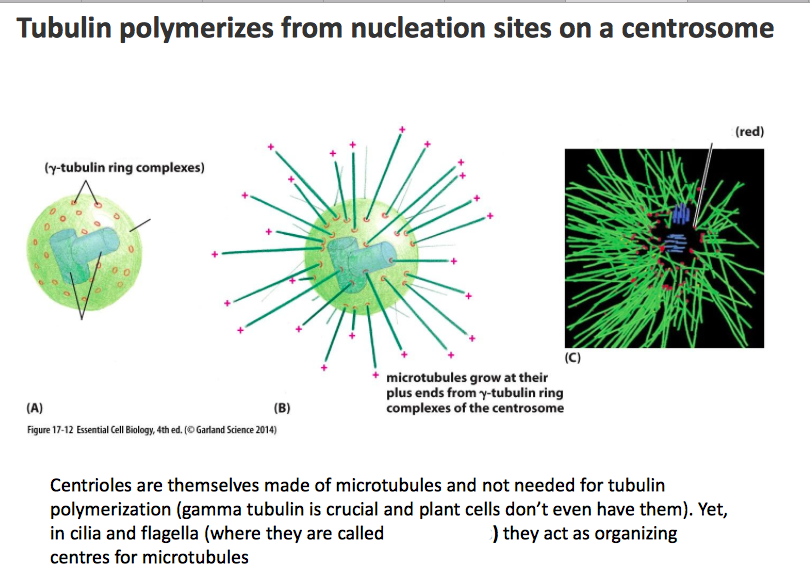
- Apair of centrioles
- Bbasal bodies
- Cy-tubulin ring complex
- Dnucleating sites
- Ecentrosome matrix
33Label the image
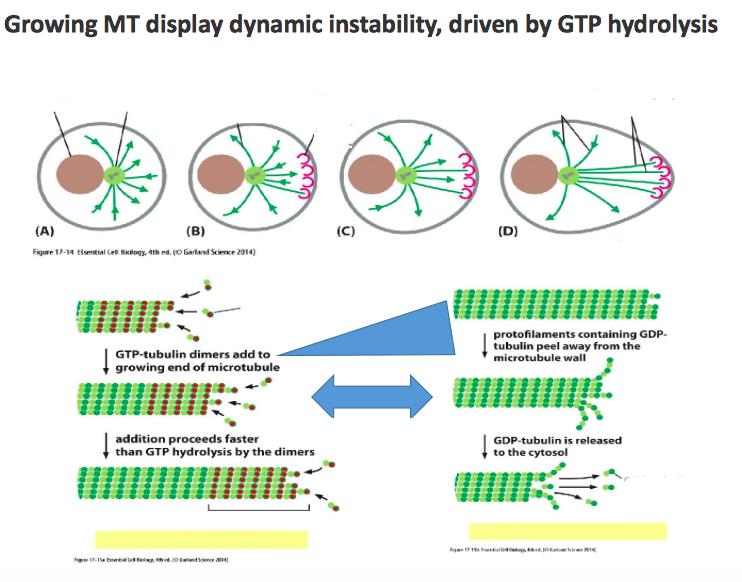
- Anucleus
- Bcentrosome
- Cgrowing microtubule
- Dmicrotubule capping protein
- Eunstable microtubules
- Fstable microtubules
- Gunpolarized cell
- Hpolarized cell
- IGTP hydrolysis
- JGTP-tubulin
- KGDP-tubulin
- LGTP-cap
- Mdynamic instability
- NGrowing microtubule
- OShrinking microtubule
34Label the iimage
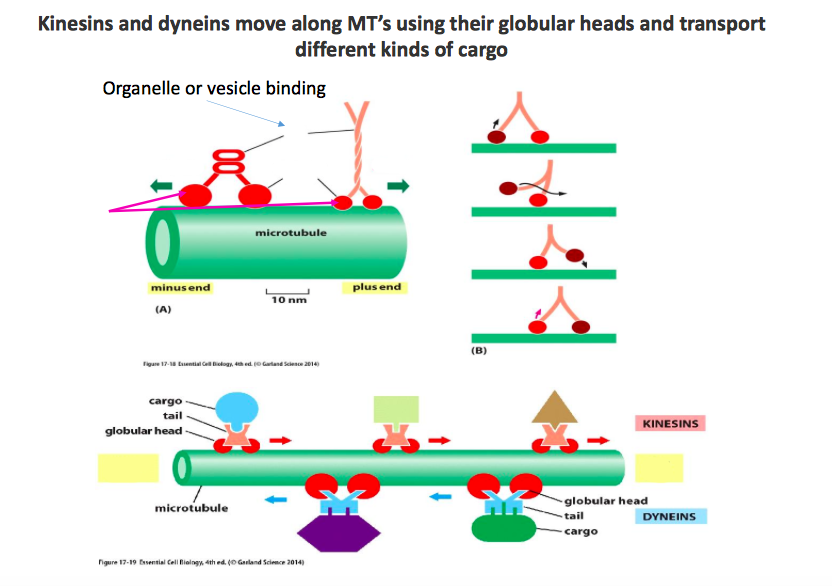
- AATPase
- Btall
- Cglobular head
- Dkinesin
- Edynein
- Fplus end
- Gminus end
35Many hair like cilia project from the surface of the epithelial cells that line the human respiratory tract.
- AVerdadero
- BFalso
36Label the image
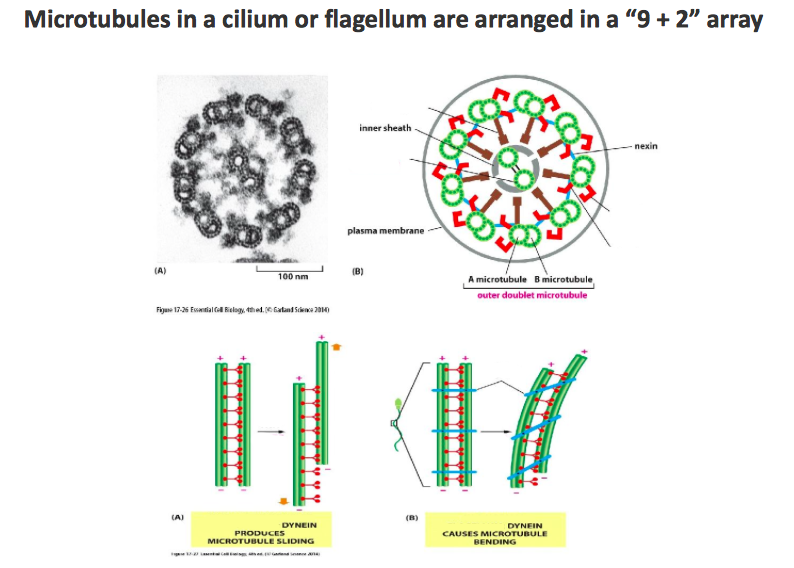
- Aradial spoke
- Bcentral singlet microtubule
- Couter dynein arm
- Dinner dynein arm
- Ebend
- Fslide
- G+ATP
- HIn isolated doublet microtubules
- Iin a normal flagellum
37 thin, flexible protein threads with a polarized structure
- Aactin filaments
- Bmicrotubules
- Cintermediate filaments
38Label the image
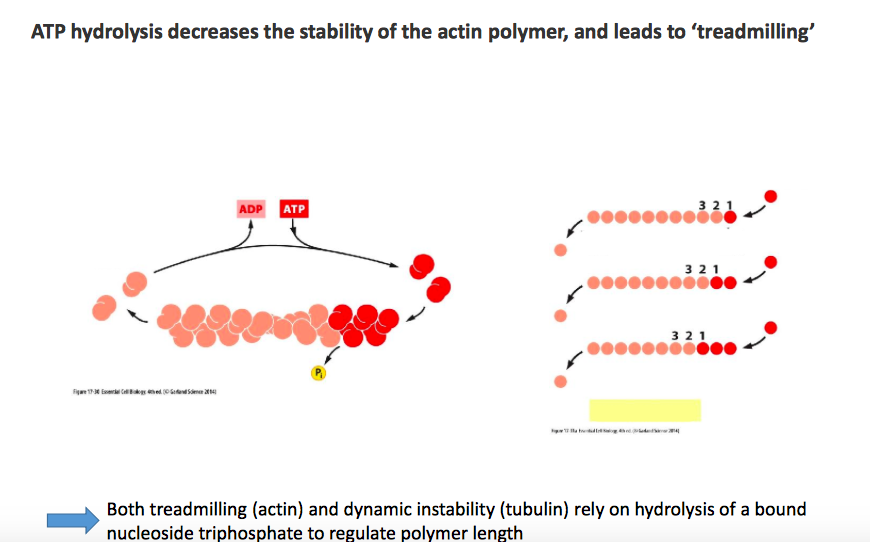
- Aactin with bound ATP
- BActin with bound ADP
- CTreadmilling
- DActin monomer
- Eplus end
- Fminus end
- Gactin filament
39Label the image
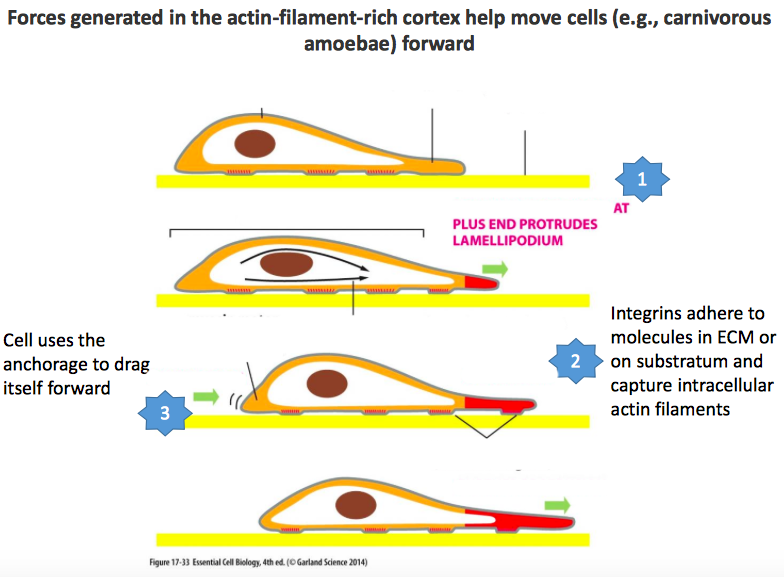
- Aactin cortex
- Blamellipodium
- Csubstratum
- Dmyosin motor protons slide actin fil.
- Efocal contacts
- FFurther protrusion
- GAttachment
- HContraction
- Icortex under tension
- Jmovement of unpolymerised actine
- Kactin polymerization
40Label the image
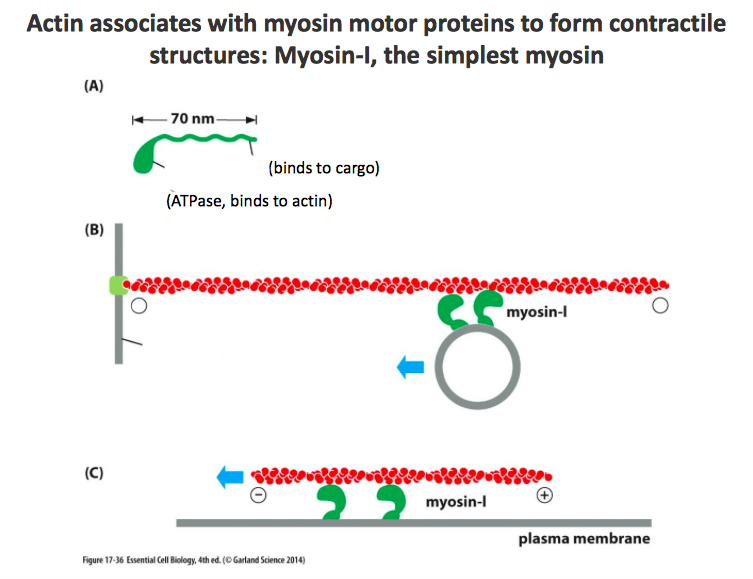
- Ahead
- Btail
- C+
- D-
- Evesicle
- Fmyosin-I
- Gplasma membrane
41Label the image
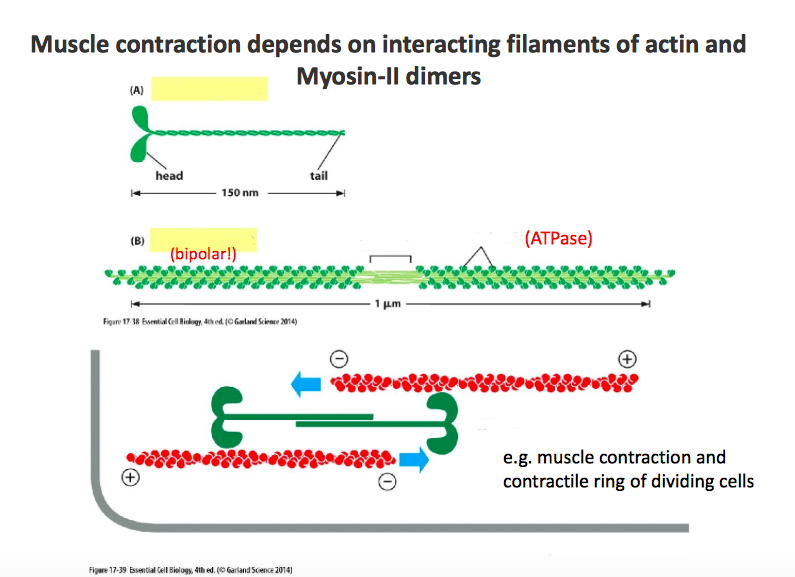
- Amyosin-II molecule
- Bmyosin-II filament
- Cmyosin heads
- Dbare region
- Emyosin-II
- Fplasma membrane
42label the image
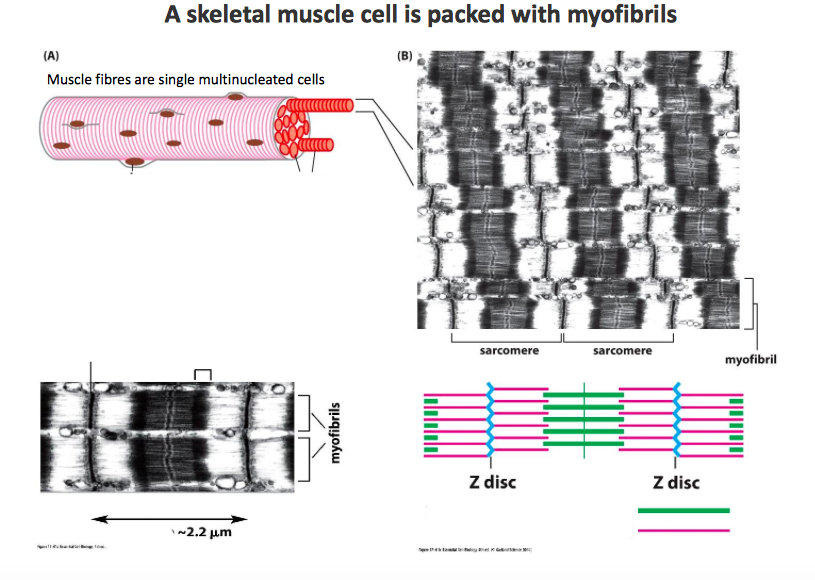
- Anucleus
- Bmyofibril
- Csarcomere
- DZ disc
- Eoverlap region
- Fthick filament (myosin-II)
- GThin filament(actin)
Información
- Descripción
- 1st year Biochemistry and molecular biology Test sobre Cell Lecture 3, creado por MrSujg el 21/01/2016.
- Autor
- MrSujg
- Idioma
- English
- Visitas
- 581
- Etiquetas
- Valoración
- Aún sin valoraciones Valora este test