
Flashcards
bird identification
Cards in this deck (134)
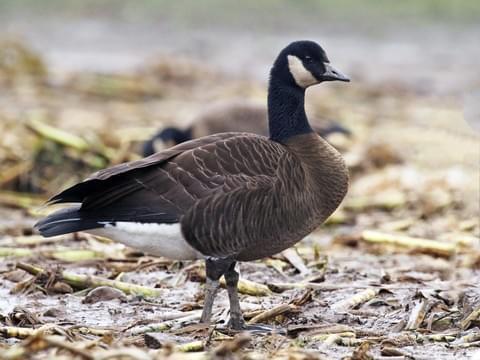
- 1deep call like a honk vegetarian sexually monomorphic flat bill big webbed feet(palmate)order: Anseriformes
family: anatidae
species: canada goose
long necks and anesodactile feet (three-webbed twos forward facing one small two facing backwards) dense, proof contour feathers cover another layer of down feathers helps with thermoregulation)
uropygiales gland near tail secretes an oil that gives them waterproof nature, internal lungs spread throughout body improve buoancy) bill has upper mandible fixed to the skull so lower mandible can move freely
beak modified for filtering, feet modified for swimming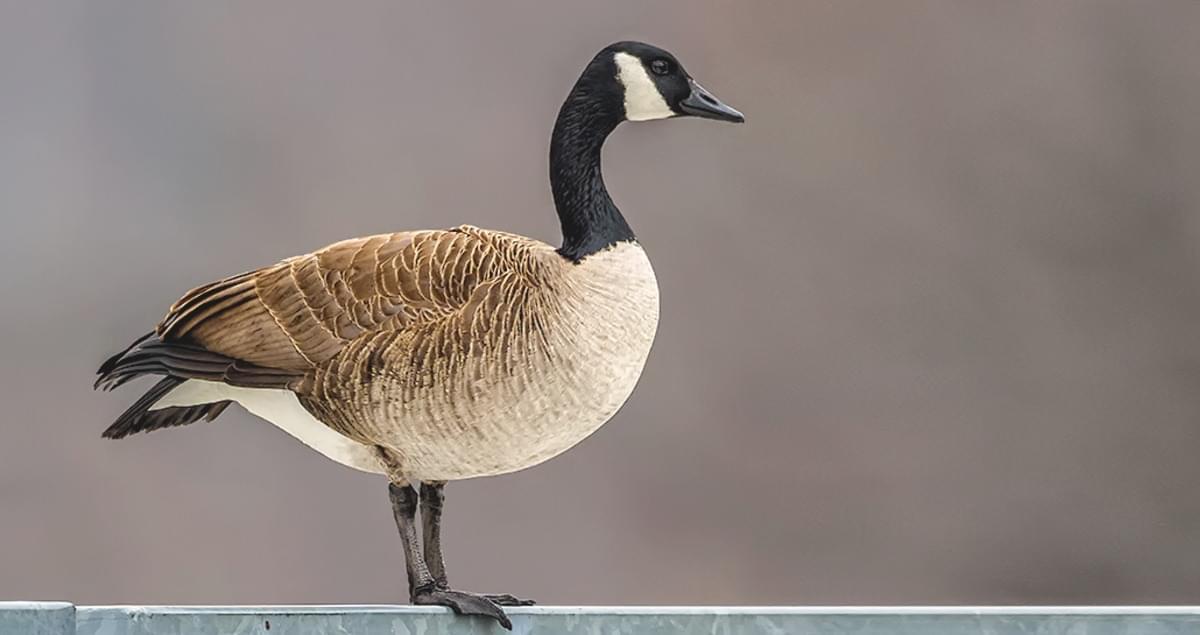
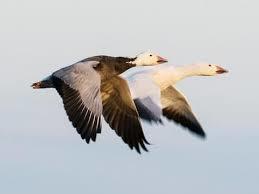
- 2single high pitch calls vegetarian sexually monomorphic flat bill big webbed feet(palmate)order: Anseriformes
family: anatidae
species: snow goose
long necks and anesodactile feet (three-webbed twos forward facing one small two facing backwards) dense, proof contour feathers cover another layer of down feathers helps with thermoregulation)
uropygiales gland near tail secretes an oil that gives them waterproof nature, internal lungs spread throughout body improve buoancy) bill has upper mandible fixed to the skull so lower mandible can move freely beak modified for filtering, feet modified for swimming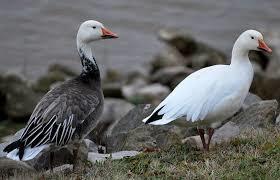
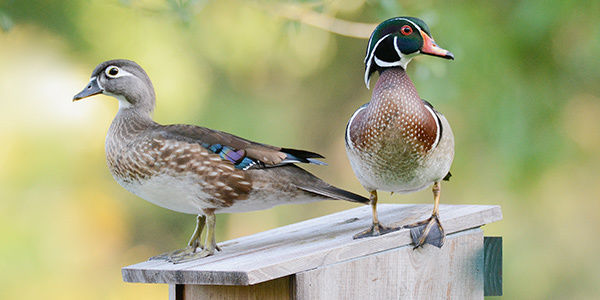
- 3flat bill big webbed feet(palmate) sexually dimorphic perching duckorder: Anseriformes
family: anatidae
species: wood duck
long necks and anesodactile feet (three-webbed twos forward facing one small two facing backwards) dense, proof contour feathers cover another layer of down feathers helps with thermoregulation)
uropygiales gland near tail secretes an oil that gives them waterproof nature, internal lungs spread throughout body improve buoancy) bill has upper mandible fixed to the skull so lower mandible can move freely beak modified for filtering, feet modified for swimming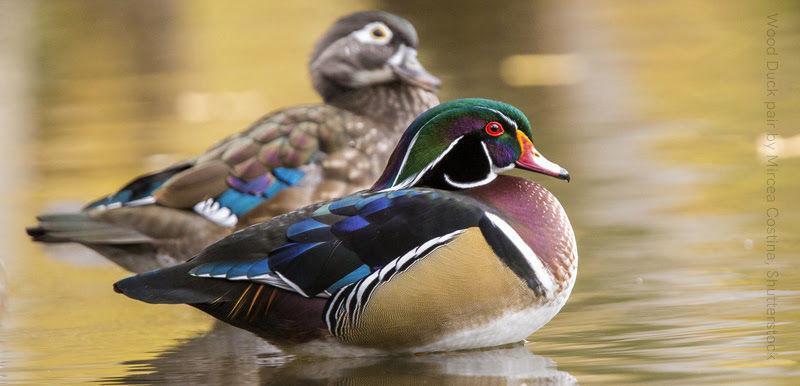
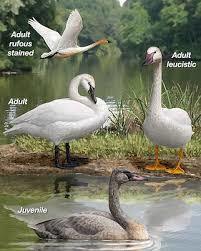
- 4single or double honk call vegetarian sexually monomorphic flat bill big webbed feet(palmate)order: Anseriformes
family: anatidae
species: Trumpeter Swan
long necks and anesodactile feet (three-webbed twos forward facing one small two facing backwards) dense, proof contour feathers cover another layer of down feathers helps with thermoregulation)
uropygiales gland near tail secretes an oil that gives them waterproof nature, internal lungs spread throughout body improve buoancy) bill has upper mandible fixed to the skull so lower mandible can move freely beak modified for filtering, feet modified for swimming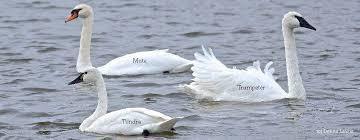
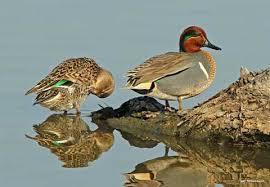
- 5flat bill big webbed feet(palmate) sexually dimorphic dabbling duckorder: Anseriformes
family: anatidae
species: green winged teal
long necks and anesodactile feet (three-webbed twos forward facing one small two facing backwards) dense, proof contour feathers cover another layer of down feathers helps with thermoregulation)
uropygiales gland near tail secretes an oil that gives them waterproof nature, internal lungs spread throughout body improve buoancy) bill has upper mandible fixed to the skull so lower mandible can move freely beak modified for filtering, feet modified for swimming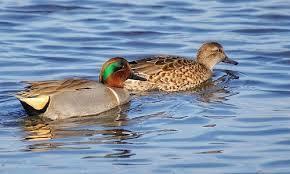
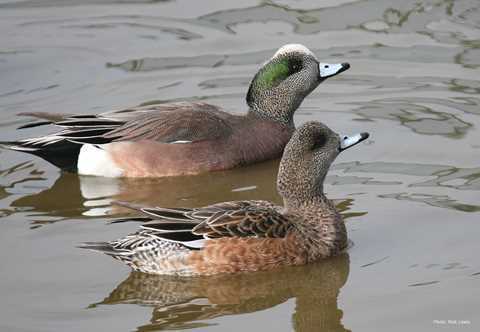
- 6flat bill big webbed feet(palmate) sexually dimorphic dabbling duckorder: Anseriformes
family: anatidae
species: american wigeon
long necks and anesodactile feet (three-webbed twos forward facing one small two facing backwards) dense, proof contour feathers cover another layer of down feathers helps with thermoregulation)
uropygiales gland near tail secretes an oil that gives them waterproof nature, internal lungs spread throughout body improve buoancy) bill has upper mandible fixed to the skull so lower mandible can move freely beak modified for filtering, feet modified for swimming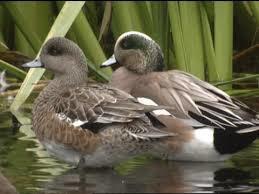
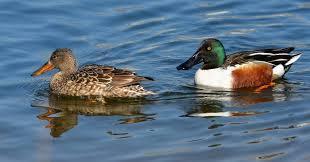
- 7flat bill big webbed feet(palmate) sexually dimorphic dabbling duckorder: Anseriformes
family: anatidae
species: northern shoveler
long necks and anesodactile feet (three-webbed twos forward facing one small two facing backwards) dense, proof contour feathers cover another layer of down feathers helps with thermoregulation)
uropygiales gland near tail secretes an oil that gives them waterproof nature, internal lungs spread throughout body improve buoancy) bill has upper mandible fixed to the skull so lower mandible can move freely beak modified for filtering, feet modified for swimming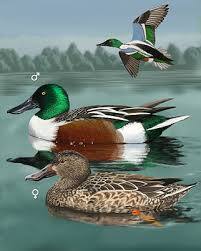
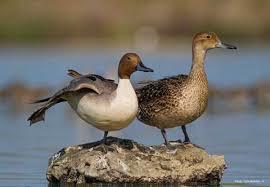
- 8flat bill big webbed feet(palmate) sexually dimorphic perching duckorder: Anseriformes
family: anatidae
species: northern pintail
long necks and anesodactile feet (three-webbed twos forward facing one small two facing backwards) dense, proof contour feathers cover another layer of down feathers helps with thermoregulation)
uropygiales gland near tail secretes an oil that gives them waterproof nature, internal lungs spread throughout body improve buoancy) bill has upper mandible fixed to the skull so lower mandible can move freely beak modified for filtering, feet modified for swimming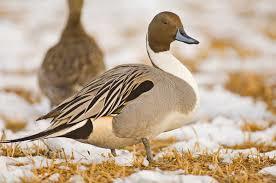
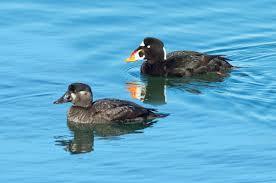
- 9flat bill big webbed feet(palmate) sexually dimorphic perching duckorder: Anseriformes
family: anatidae
species: surf scoter
long necks and anesodactile feet (three-webbed twos forward facing one small two facing backwards) dense, proof contour feathers cover another layer of down feathers helps with thermoregulation)
uropygiales gland near tail secretes an oil that gives them waterproof nature, internal lungs spread throughout body improve buoancy) bill has upper mandible fixed to the skull so lower mandible can move freely beak modified for filtering, feet modified for swimming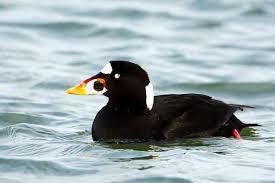
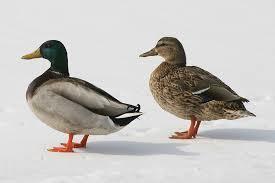
- 10flat bill big webbed feet(palmate) sexually dimorphic dabbling duckorder: Anseriformes
family: anatidae
species: mallard duck
long necks and anesodactile feet (three-webbed twos forward facing one small two facing backwards) dense, proof contour feathers cover another layer of down feathers helps with thermoregulation)
uropygiales gland near tail secretes an oil that gives them waterproof nature, internal lungs spread throughout body improve buoancy) bill has upper mandible fixed to the skull so lower mandible can move freely beak modified for filtering, feet modified for swimming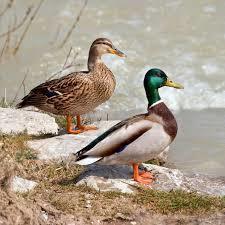
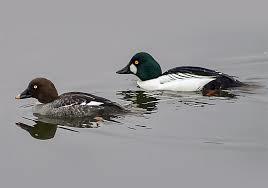
- 11flat bill big webbed feet(palmate) sexually dimorphic perching duckorder: Anseriformes
family: anatidae
species: common goldeneye
long necks and anesodactile feet (three-webbed twos forward facing one small two facing backwards) dense, proof contour feathers cover another layer of down feathers helps with thermoregulation)
uropygiales gland near tail secretes an oil that gives them waterproof nature, internal lungs spread throughout body improve buoancy) bill has upper mandible fixed to the skull so lower mandible can move freely beak modified for filtering, feet modified for swimming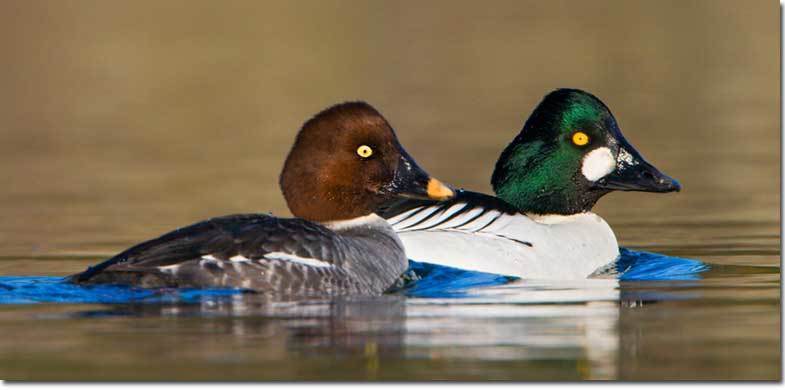
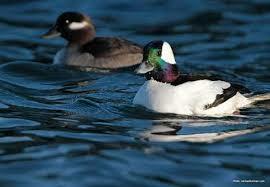
- 12flat bill big webbed feet(palmate) sexually dimorphic perching duckorder: Anseriformes
family: anatidae
species: bufflehead
long necks and anesodactile feet (three-webbed twos forward facing one small two facing backwards) dense, proof contour feathers cover another layer of down feathers helps with thermoregulation)
uropygiales gland near tail secretes an oil that gives them waterproof nature, internal lungs spread throughout body improve buoancy) bill has upper mandible fixed to the skull so lower mandible can move freely beak modified for filtering, feet modified for swimming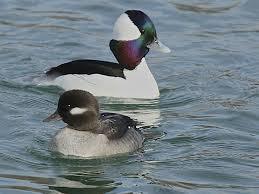
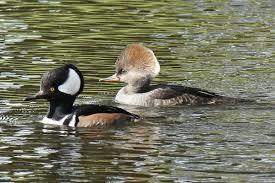
- 13flat bill big webbed feet(palmate) sexually dimorphicorder: Anseriformes
family: anatidae
species: hooded merganser
long necks and anesodactile feet (three-webbed twos forward facing one small two facing backwards) dense, proof contour feathers cover another layer of down feathers helps with thermoregulation)
uropygiales gland near tail secretes an oil that gives them waterproof nature, internal lungs spread throughout body improve buoancy) bill has upper mandible fixed to the skull so lower mandible can move freely beak modified for filtering, feet modified for swimming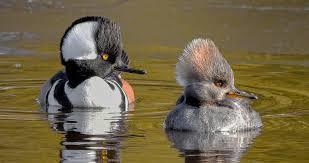
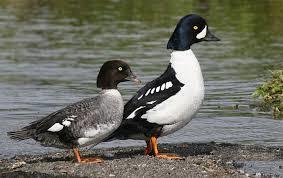
- 14flat bill big webbed feet(palmate) sexually dimorphic perching duckorder: Anseriformes
family: anatidae
species: barrows goldeneye
long necks and anesodactile feet (three-webbed twos forward facing one small two facing backwards) dense, proof contour feathers cover another layer of down feathers helps with thermoregulation)
uropygiales gland near tail secretes an oil that gives them waterproof nature, internal lungs spread throughout body improve buoancy) bill has upper mandible fixed to the skull so lower mandible can move freely beak modified for filtering, feet modified for swimming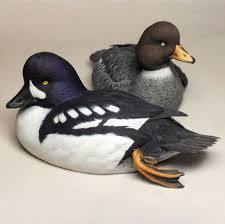
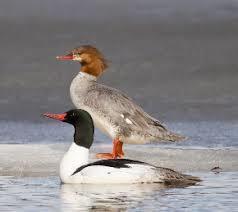
- 15flat bill big webbed feet(palmate) sexually dimorphicorder: Anseriformes
family: anatidae
species: common merganser
long necks and anesodactile feet (three-webbed twos forward facing one small two facing backwards) dense, proof contour feathers cover another layer of down feathers helps with thermoregulation)
uropygiales gland near tail secretes an oil that gives them waterproof nature, internal lungs spread throughout body improve buoancy) bill has upper mandible fixed to the skull so lower mandible can move freely beak modified for filtering, feet modified for swimming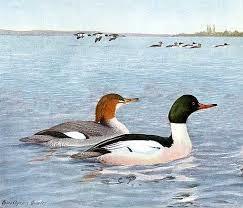
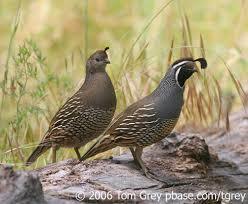
- 16chicken-like birds ground dwelling species anisodactyl feet sexually dimorphic feather tufts on headorder: Galliformes
family: Odontophoridae
species: california Quail
short thick bills for eating seeds and vegetation, poor flight capabilities, anesodactile feet, rely on mellanin based plumage for camoflauge purposes avoid predators, change to white plumage in winter for camoflauge, males preform elaborate courtship behaviours, (lek)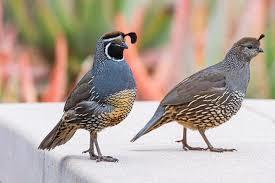
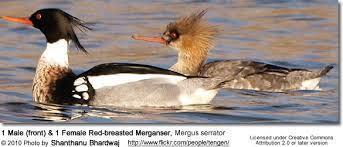
- 17flat bill big webbed feet(palmate) sexually dimorphicorder: Anseriformes
family: anatidae
species: red breasted merganser
long necks and anesodactile feet (three-webbed twos forward facing one small two facing backwards) dense, proof contour feathers cover another layer of down feathers helps with thermoregulation)
uropygiales gland near tail secretes an oil that gives them waterproof nature, internal lungs spread throughout body improve buoancy) bill has upper mandible fixed to the skull so lower mandible can move freely beak modified for filtering, feet modified for swimming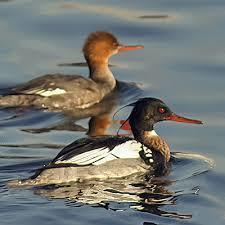
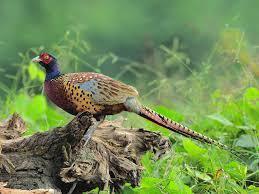
- 18chicken-like birds ground dwelling species anisodactyl feet sexually dimorphicorder; Galliformes
family: Phasianidae
species: ring necked pheasant
short thick bills for eating seeds and vegetation, poor flight capabilities, anesodactile feet, rely on mellanin based plumage for camoflauge purposes avoid predators, change to white plumage in winter for camoflauge, males preform elaborate courtship behaviours, (lek)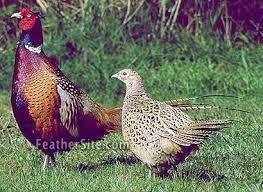
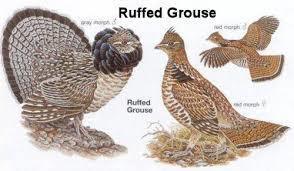
- 19chicken-like birds ground dwelling species anisodactyl feet sexually dimorphicorder: Galliformes
family: phasianidae
species: ruffed grouse
short thick bills for eating seeds and vegetation, poor flight capabilities, anesodactile feet, rely on mellanin based plumage for camoflauge purposes avoid predators, change to white plumage in winter for camoflauge, males preform elaborate courtship behaviours, (lek)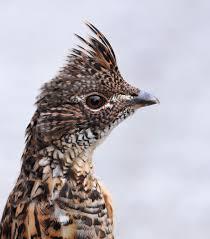
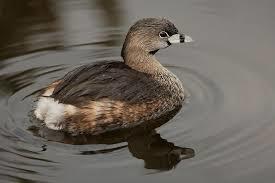
- 20small head, slender neck and bill with stocky body lobate=lobed toes short tail sexually monomorphicorder: Podicipediformes
family: Podicipedidae
species: pied billed grebe
fresh water diving birds, short, steardy pointed bills to eat fish, crustaceans and freshwater insects, white ventral plumage and dark dorsal plumage for camoflauge, feet are placed further back on body for more efficient diving, lobed toes, short narrow wings less likely to fly, eat their own feathers to stop the digestion of harmful materials such as bones.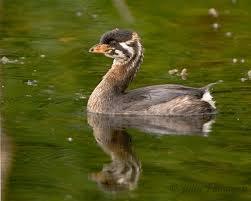
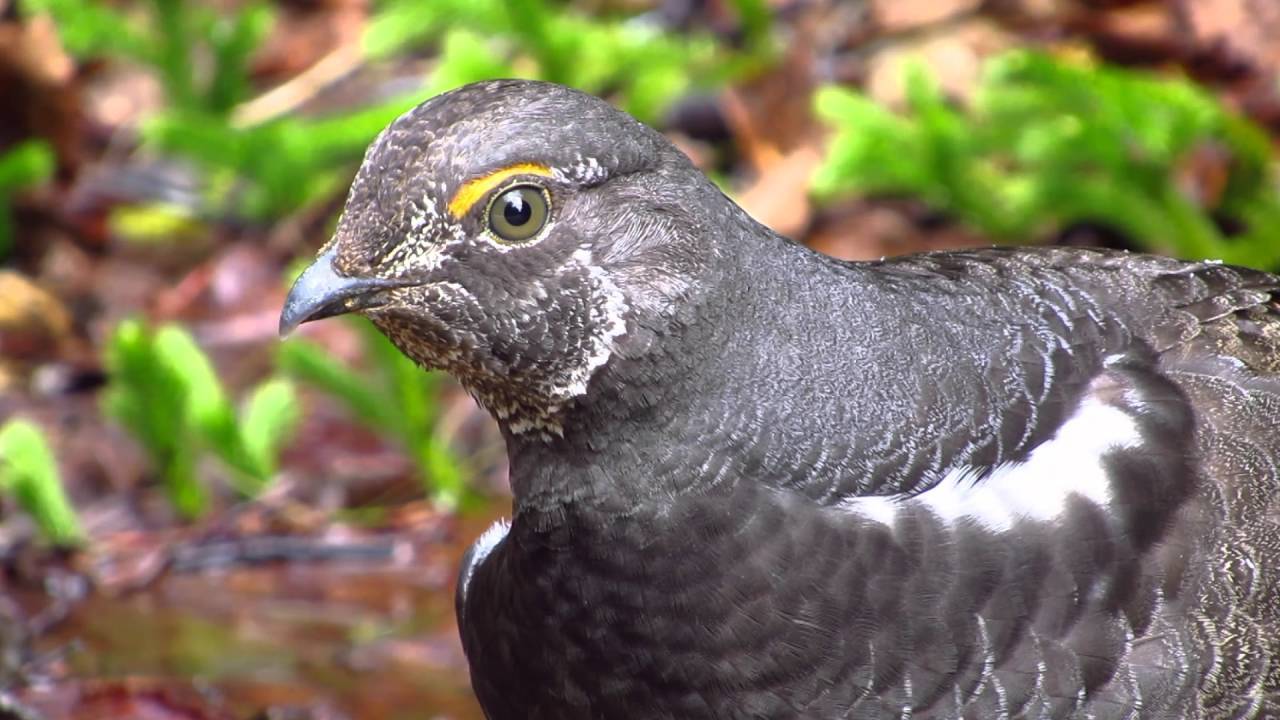
- 21chicken-like birds ground dwelling species anisodactyl feet sexually dimorphicorder: Galliformes
family: phasianidae
species: sooty grouse
short thick bills for eating seeds and vegetation, poor flight capabilities, anesodactile feet, rely on mellanin based plumage for camoflauge purposes avoid predators, change to white plumage in winter for camoflauge, males preform elaborate courtship behaviours, (lek)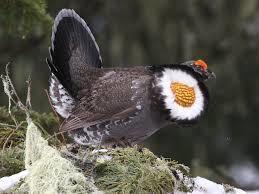
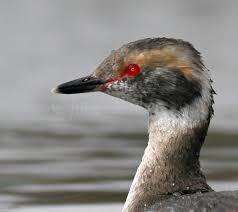
- 22small head, slender neck and bill with stocky body lobate=lobed toes short tail sexually monomorphicorder: Podicipediformes
family; Podicipedidae
species: horned grebe
fresh water diving birds, short, steardy pointed bills to eat fish, crustaceans and freshwater insects, white ventral plumage and dark dorsal plumage for camoflauge, feet are placed further back on body for more efficient diving, lobed toes, short narrow wings less likely to fly, eat their own feathers to stop the digestion of harmful materials such as bones.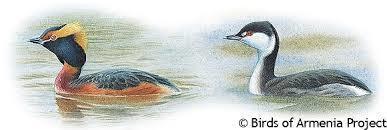
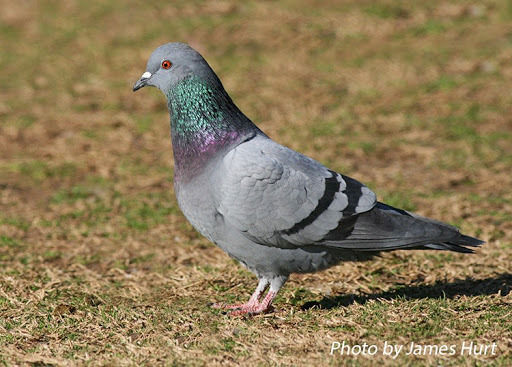
- 23stout-bodied, short necks and short bill anisodactyl grain, fruit and nut eatersorder: Columbiformes
family: Columbidae
species: rock pigeon
round and stocky, large wings and strong pectoral muscles help with flight abilities, short thick bills help them eat seed, fruit and vegetation, have enlarged esophagus known as crop used for short term food storage, pigeons can feed offspring crop milk when food is scarce produced by shedding the lining of the crop, iridescence around neck for sexual selection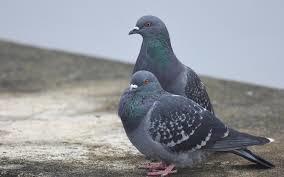
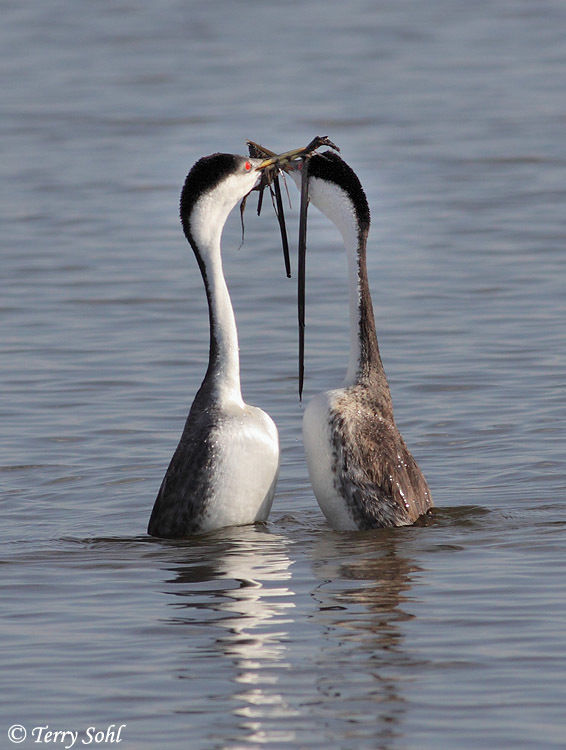
- 24small head, slender neck and bill with stocky body lobate=lobed toes short tail sexually monomorphicorder: Podicipediformes
family: Podicipedidae
species: western grebe
fresh water diving birds, short, steardy pointed bills to eat fish, crustaceans and freshwater insects, white ventral plumage and dark dorsal plumage for camoflauge, feet are placed further back on body for more efficient diving, lobed toes, short narrow wings less likely to fly, eat their own feathers to stop the digestion of harmful materials such as bones.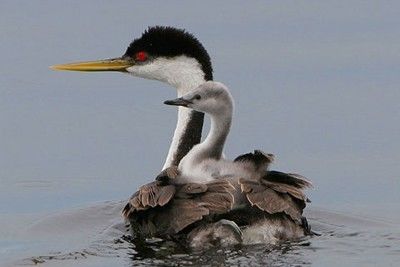
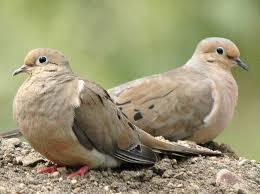
- 25stout-bodied, short necks and short bill anisodactyl grain, fruit and nut eatersorder: Columbiformes
family: columbidae
species: mourning dove
round and stocky, large wings and strong pectoral muscles help with flight abilities, short thick bills help them eat seed, fruit and vegetation, have enlarged esophagus known as crop used for short term food storage, pigeons can feed offspring crop milk when food is scarce produced by shedding the lining of the crop, iridescence around neck for sexual selection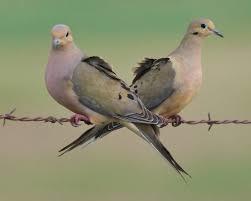
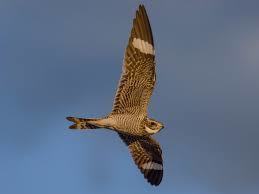
- 26aerial insectivore long pointed wings large mouth lined with rictal bristles cryptically-coloredorder: Caprimulgiformes
family: caprimulgidae
species: common nighthawk
nocturnal, hunt for flying insects at night, disproportionately short legs almost always use flight to get places, long pointed wings for precise catching of prey in flight, pronounced bristles around beak help them zero in on prey, lay eggs on the ground and rely on camoflauge to defend predators, pectinate claw is used to get off ectoparasites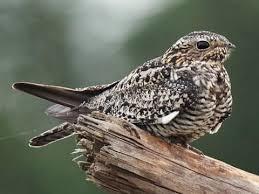
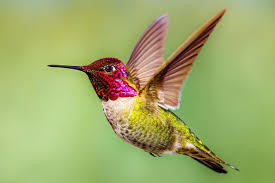
- 27nectivores-long thin bill shoulder gridle enables unique movement iridescent gorget aerial insectivores bristles around mouth pamprodactyl feet spend most time in flightorder: Apodiformes
family: trochilidae
species: annas hummingbird
short legs used for perching, strong flyers because of long flat, pointed wings, thick shoulder bones. long thin beaks allow them to reach nectar from deep flowers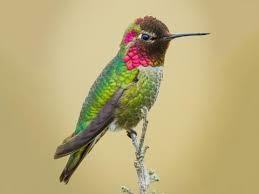
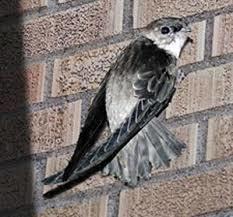
- 28aerial insectivores bristles around mouth pamprodactyl feet spend most time in flightorder: Apodiforme
family: apodidae
species: vauxs swift
glide strong neck muscles help them capture insects in flight, short bills for catching insects, small changes in directions at high speed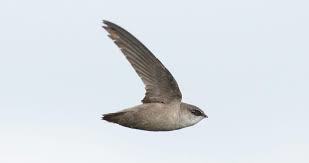
- 29long legged waders bills used to extract invertebrates from ground brown/gray pale bellies finely patternedorder: charadriiformes
family; scolopacidae
species: lesser yellowlegs
salt glands above eyes adaptation for ingesting salt water, anesodactile feet, uropygial glands, countershading plumage to protect from predators, long bills for feeding in marshes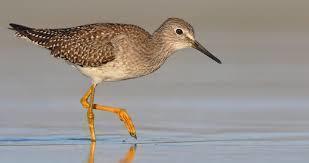
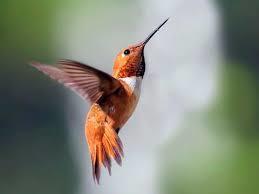
- 30nectivores-long thin bill shoulder gridle enables unique movement iridescent gorget aerial insectivores bristles around mouth pamprodactyl feet spend most time in flightorder: Apodidformes
family: trochilidae
species: rufous hummingbird
short legs used for perching, strong flyers because of long flat, pointed wings, thick shoulder bones. long thin beaks allow them to reach nectar from deep flowers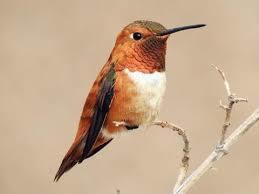
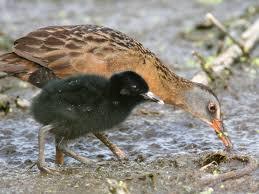
- 31marsh birds cryptic and shy tall, long necked and legged sexually monochromatic communicate through facial skin perennially monogomousorder: gruiformes
species: rallidae
species: virginia rail
long legs, long bills used for foraging in marshes and estruaries, eat duckweed, anesodactile feet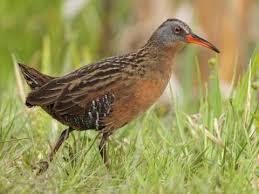
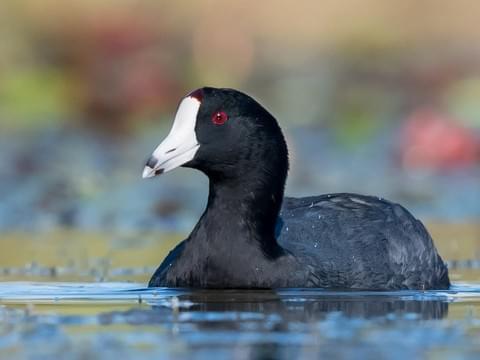
- 32tall, long necked and legged sexually monochromatic communicate through facial skin perennially monogomous lobed feet aquatic forehead shieldorder: gruiformes
family: rallidae
species: american coot
specialized lobe toes
highly terrestrial rely on walking, rounded wings, brightly colored sexual slection
long legs, long bills used for foraging in marshes and estruaries, eat duckweed, anesodactile feetcharacteristics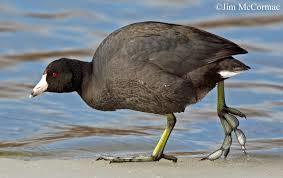
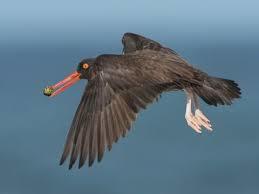
- 33pink or red legs and feet long wedged-shaped bills semi-palmate feetorder: charadriiformes
family: haematopodidae
species: black oystercatcher
salt glands above eyes adaptation for ingesting salt water, anesodactile feet, uropygial glands, countershading plumage to protect from predators, long bills for feeding in marshes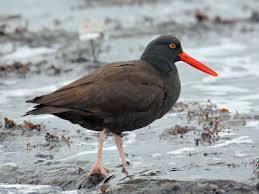
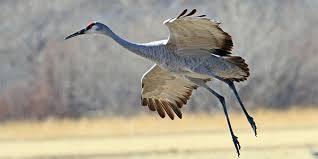
- 34tall, long necked and legged sexually monochromatic communicate through facial skin perennially monogomousorder: gruiforme
family: gruidae
species: sandhill crane
elaborate mating dances, long legs, long bills used for foraging in marshes and estruaries, eat duckweed, anesodactile feet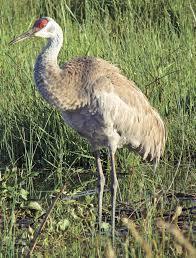
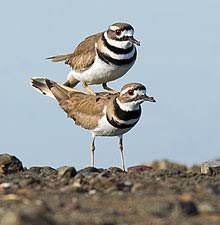
- 35long legged waders bills used to extract invertebrates from ground brown/gray pale bellies finely patternedorder: charadriiformes
family: charadriidae
species: killdeer
salt glands above eyes adaptation for ingesting salt water, anesodactile feet, uropygial glands, countershading plumage to protect from predators, long bills for feeding in marshes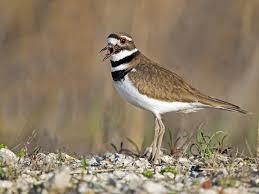
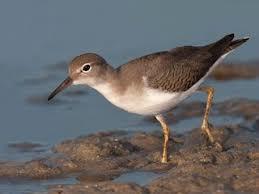
- 36long legged waders bills used to extract invertebrates from ground brown/gray pale bellies finely patternedorder: charadriiformes
family: scolopacidae
species: spotted sandpiper
salt glands above eyes adaptation for ingesting salt water, anesodactile feet, uropygial glands, countershading plumage to protect from predators, long bills for feeding in marshes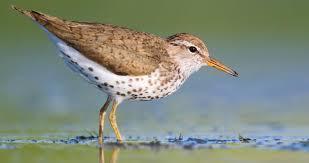
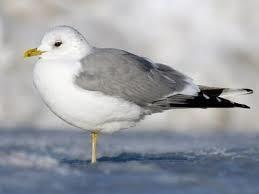
- 37pelagic coastal inland powerful wings and strong flyersorder: charadriiformes
family: laridae
species: mew gull
salt glands above eyes adaptation for ingesting salt water, anesodactile feet, uropygial glands, countershading plumage to protect from predators, long bills for feeding in marshes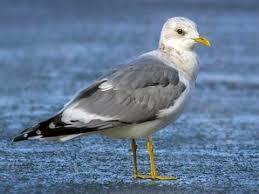
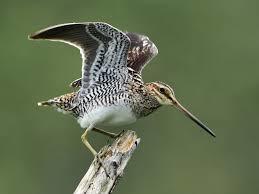
- 38long legged waders bills used to extract invertebrates from ground brown/gray pale bellies finely patternedorder: charadriiformes
family: scolopacidae
species: wilsons snipe
salt glands above eyes adaptation for ingesting salt water, anesodactile feet, uropygial glands, countershading plumage to protect from predators, long bills for feeding in marshes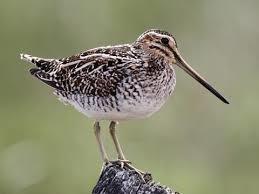
- 39long legged waders bills used to extract invertebrates from ground brown/gray pale bellies finely patternedorder: charadriiformes
family: scolopacidae
species: greater yellowlegs
salt glands above eyes adaptation for ingesting salt water, anesodactile feet, uropygial glands, countershading plumage to protect from predators, long bills for feeding in marshes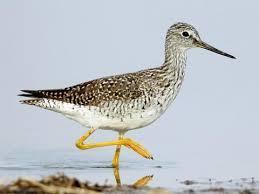
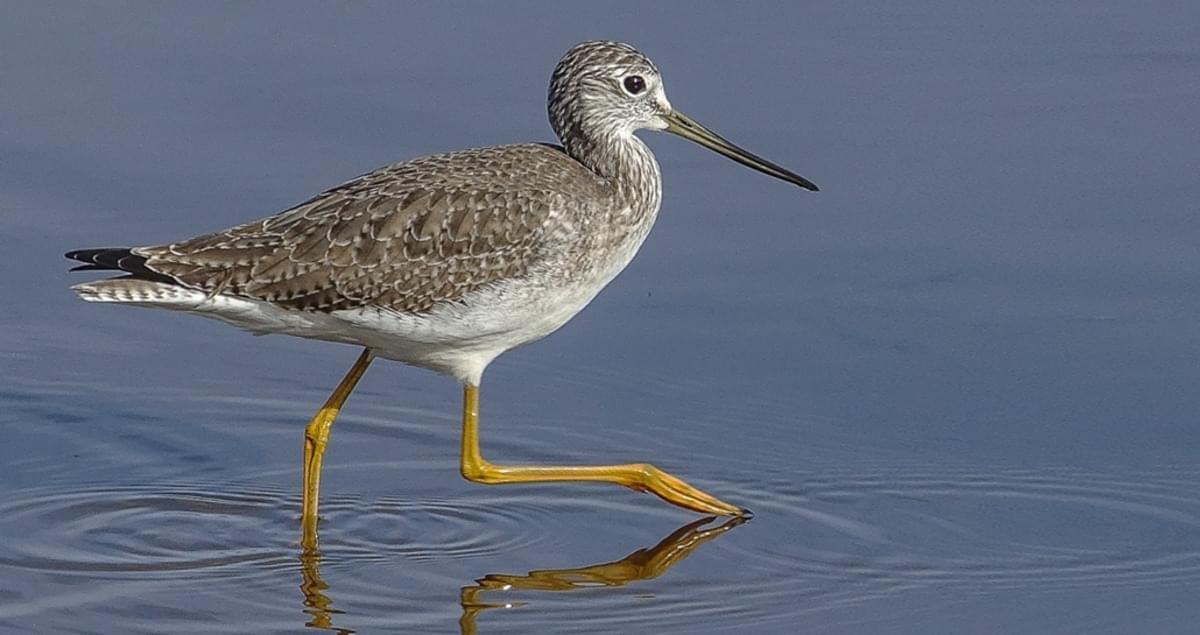
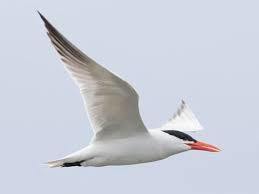
- 40pelagic coastal inland powerful wings and strong flyers smaller, forked tail and long pointed billorder: charadriiformes
family: laridae
species: caspian tern
salt glands above eyes adaptation for ingesting salt water, anesodactile feet, uropygial glands, countershading plumage to protect from predators, long bills for feeding in marshes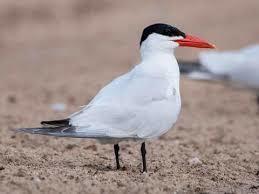
- 41long legged waders bills used to extract invertebrates from ground brown/gray pale bellies finely patternedorder: charadriiformes
family: scolopacidae
species: red necked phalarope
salt glands above eyes adaptation for ingesting salt water, anesodactile feet, uropygial glands, countershading plumage to protect from predators, long bills for feeding in marshes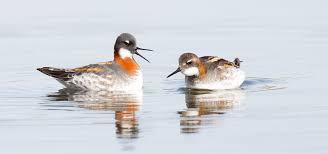
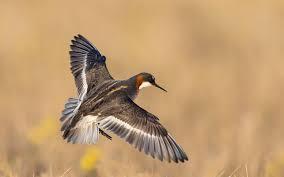
- 42long legged waders bills used to extract invertebrates from ground brown/gray pale bellies finely patternedorder: charadriiformes
family: scolopacidae
species: western sandpiper
salt glands above eyes adaptation for ingesting salt water, anesodactile feet, uropygial glands, countershading plumage to protect from predators, long bills for feeding in marshes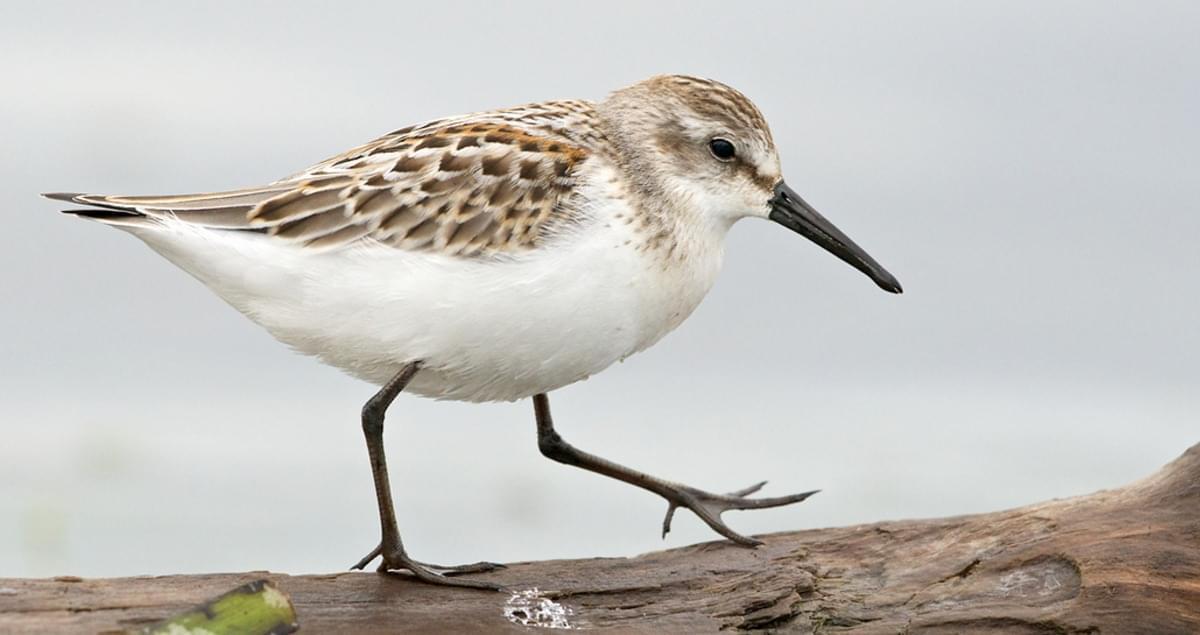
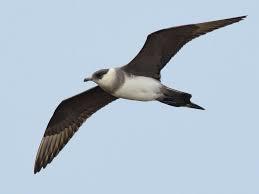
- 43oceanic predatory birds sharp hooked bill white markings on their wings kleptoparasitesorder: charadriiformes
family: stercoraridae
species: parasitic jaeger
salt glands above eyes adaptation for ingesting salt water, anesodactile feet, uropygial glands, countershading plumage to protect from predators, long bills for feeding in marshes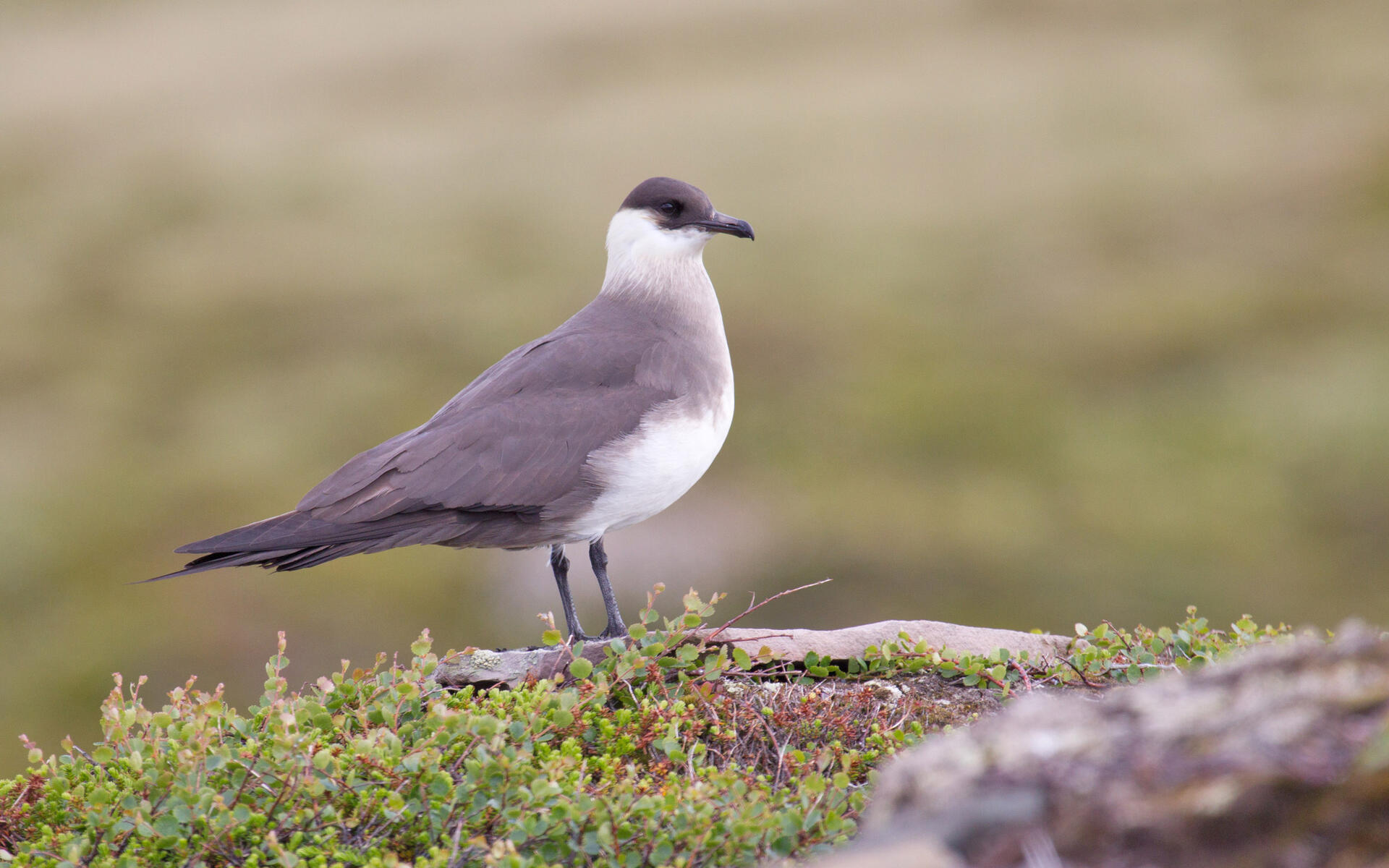
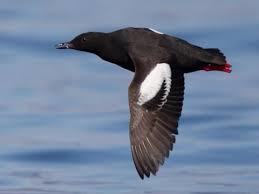
- 44penguin-like with upright stance black and white coloring dense plumage short winged aquatic palmate feetorder: charadriiformes
family: alcidae
species: pigeon guillemot
salt glands above eyes adaptation for ingesting salt water, anesodactile feet, uropygial glands, countershading plumage to protect from predators, long bills for feeding in marshes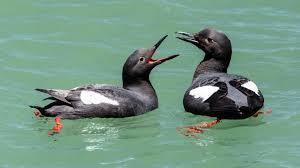
- 45pelagic coastal inland powerful wings and strong flyersorder: charadriiformes
family: laridae
species: glaucous winged gull
salt glands above eyes adaptation for ingesting salt water, anesodactile feet, uropygial glands, countershading plumage to protect from predators, long bills for feeding in marshes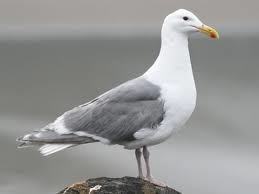
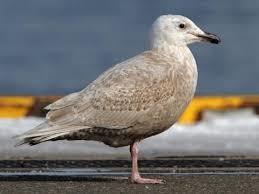
- 46penguin-like with upright stance black and white coloring dense plumage short winged aquatic palmate feetorder: charadriiformes
family: alcidae
species: marbled murrelet
salt glands above eyes adaptation for ingesting salt water, anesodactile feet, uropygial glands, countershading plumage to protect from predators, long bills for feeding in marshes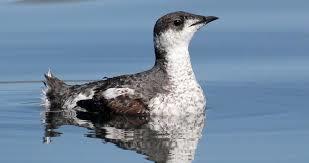
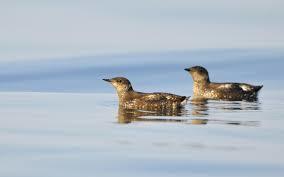
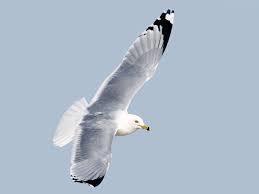
- 47pelagic coastal inland powerful wings and strong flyersorder: charadriiformes
family: laridae
species: ring billed gull
salt glands above eyes adaptation for ingesting salt water, anesodactile feet, uropygial glands, countershading plumage to protect from predators, long bills for feeding in marshes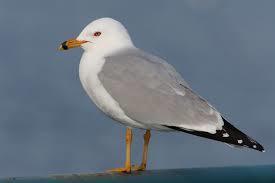
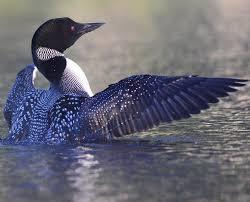
- 48diving birds stocky neck and large head stout, chisel-shaped bill webbed feet(palmate) legs set back on body sexually monomorphicorder: Gaviiformes
family: Gaviidae
species: Common Loon
palmate feet, three forward facing webbed toes, feet placed further back on the body to improve pupulsion, diving birds eat fish, long sturdy bills for catching fish, rear facing projections on roof of mouth and tongue enabling food to be swallowed under water. solid bones to reduce buoancy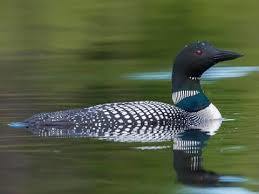
- 49oceanic birds(pelagic) nests on islands or coastal areas tube-nose-tubular nostrils for excreting salt philopatric, perennially monogamousorder: Procellariformes
family: Diomdieae
species: Black footed albatross
Storm-petrel
tubed noses, exceptional flyers due to long wings, no hind toe, use stars to navigate, deep grooves in nose help with olfaction, bill is hooked at the tip to help snatch prey, sheet of tenden that locks wings into fully extended position with out exuding a lot of energy.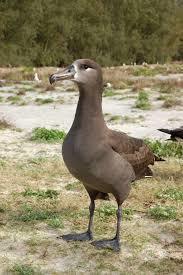
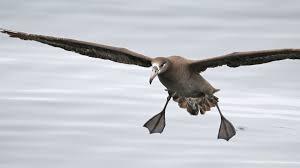
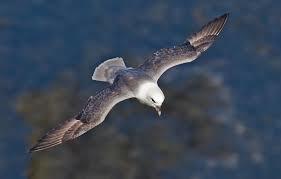
- 50oceanic birds(pelagic) nests on islands or coastal areas tube-nose-tubular nostrils for excreting salt philopatric, perennially monogamousorder: Procellariiformes
famly: procellariidae
species: northern fulmar
Storm-petrel
tubed noses, exceptional flyers due to long wings, no hind toe, use stars to navigate, deep grooves in nose help with olfaction, bill is hooked at the tip to help snatch prey, sheet of tenden that locks wings into fully extended position with out exuding a lot of energy.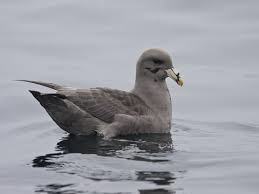
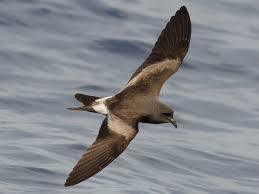
- 51oceanic birds(pelagic) nests on islands or coastal areas tube-nose-tubular nostrils for excreting salt philopatric, perennially monogamousorder: Procellariiformes
family: Hydrobatidae
species: Leach's Storm-petrel
tubed noses, exceptional flyers due to long wings, no hind toe, use stars to navigate, deep grooves in nose help with olfaction, bill is hooked at the tip to help snatch prey, sheet of tenden that locks wings into fully extended position with out exuding a lot of energy.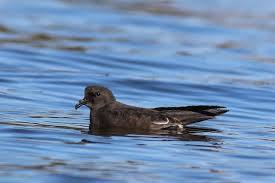
- 52oceanic diving piscivores totipalmate feet gular pouch fly close to waters surface dry wings on tall exposed surfacesorder: Suliformes
family: palacrocoracidae
species: double crested cormorant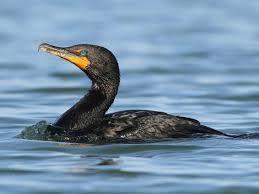
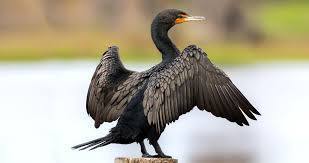
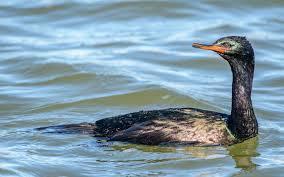
- 53oceanic diving piscivores totipalmate feet gular pouch fly close to waters surface dry wings on tall exposed surfacesorder: Suliformes
family: palacrocoracidae
species: pelagic cormorant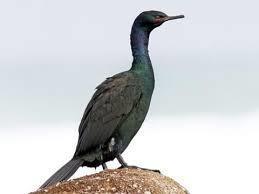
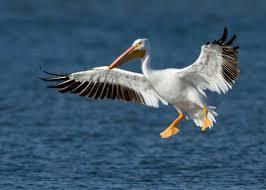
- 54totipalmate feet gular pouches diving piscivores(plunge dive)order: Pelicaniformes
family: Pelicanidae
species: American white pelican
bare throat patch for food storage, high density of rods in retina enables hunting at night, breath through mouths, nesodactile feet three toes facing forward and one facing backwards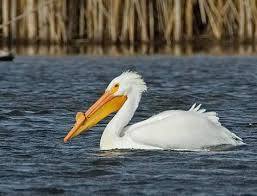
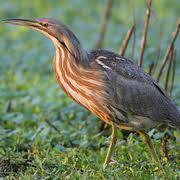
- 55long pointed bills long necks and long legs with splayed toes slow-stalking, sit-and-wait predatorsorder: Pelicaniformes
family:ardeidae
species: American bittern
are throat patch for food storage, high density of rods in retina enables hunting at night, breath through mouths, nesodactile feet three toes facing forward and one facing backwards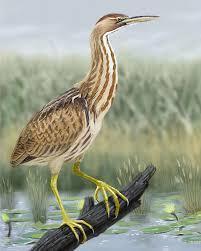
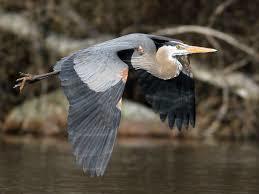
- 56long pointed bills long necks and long legs with splayed toes slow-stalking, sit-and-wait predatorsorder: Pelicaniformes
family: ardeidae
species: Great Blue heron
are throat patch for food storage, high density of rods in retina enables hunting at night, breath through mouths, nesodactile feet three toes facing forward and one facing backwards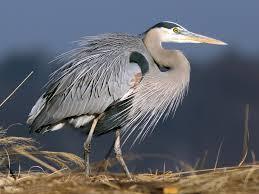
- 57large wing area scavengers long curved bills large nostrils featherless headorder: Cathartiformes
family: Cathartidae
species: turkey vultures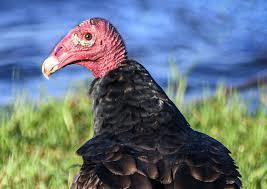
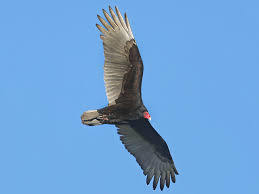
- 58diurnal birds of prey large body and bill females larger than males zygodactyl fish-eaters long slender wingsorder: Accipitriformes
family: Pandionidae
species: Osprey
razor sharp tallons help to capture and kill prey, armour leg plating on feet help them avoid injury from struggling prey, rough texture on bottom of the foot prevents prey from slipping free.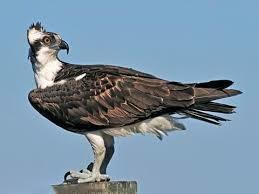
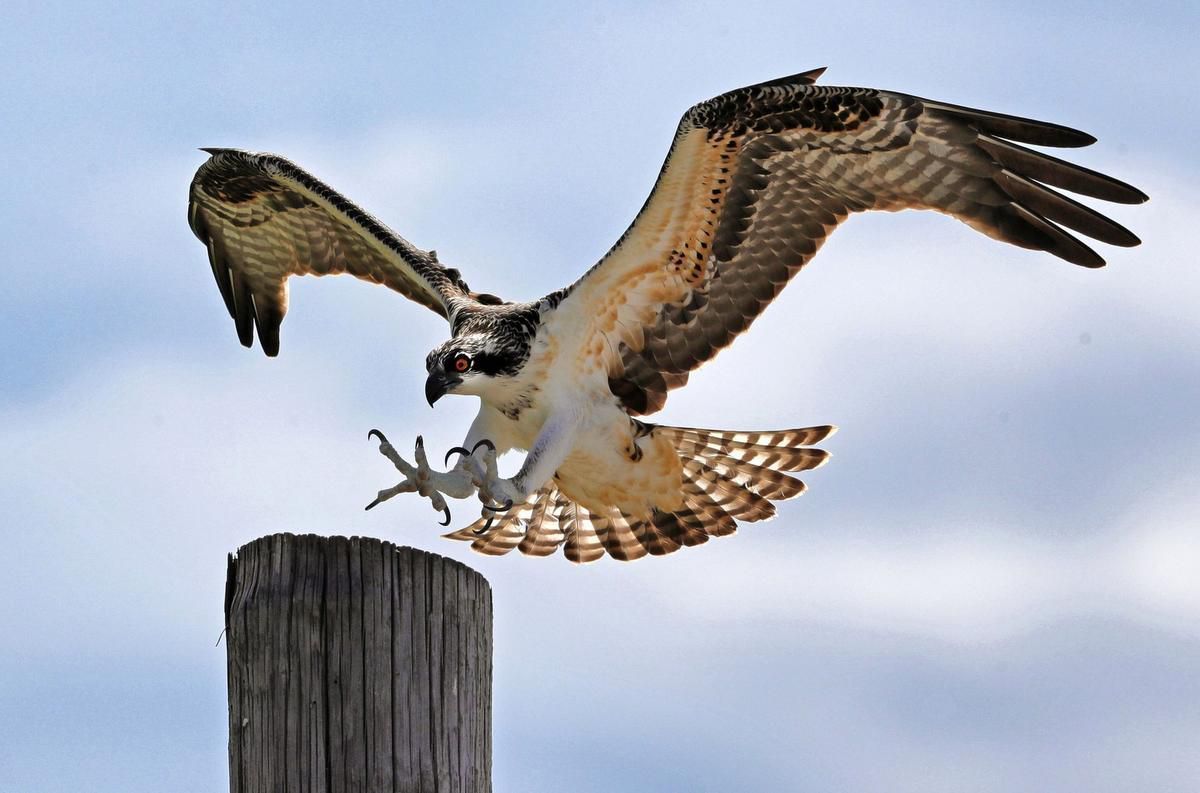
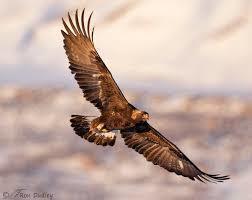
- 59diurnal birds of prey large body and bill females larger than males heavy stocky head and bill long broad wingsorder: Accipitriformes
family: Accipitridae
species: golden eagle
razor sharp tallons help to capture and kill prey, armour leg plating on feet help them avoid injury from struggling prey, rough texture on bottom of the foot prevents prey from slipping free.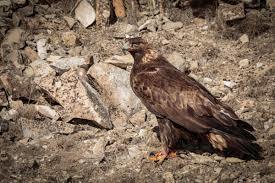
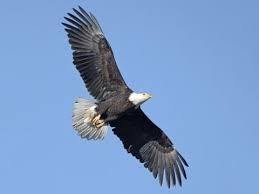
- 60diurnal birds of prey large body and bill females larger than males heavy stocky head and bill long broad wingsorder: Accipitriformes
family: Accipitridae
species: bald eagle
razor sharp tallons help to capture and kill prey, armour leg plating on feet help them avoid injury from struggling prey, rough texture on bottom of the foot prevents prey from slipping free.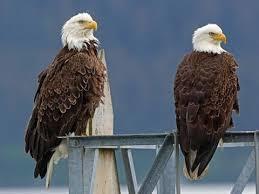
- 61diurnal birds of prey large body and bill females larger than malesorder: Accipitriformes
family: Accipitridae
species: northern harrier
razor sharp tallons help to capture and kill prey, armour leg plating on feet help them avoid injury from struggling prey, rough texture on bottom of the foot prevents prey from slipping free.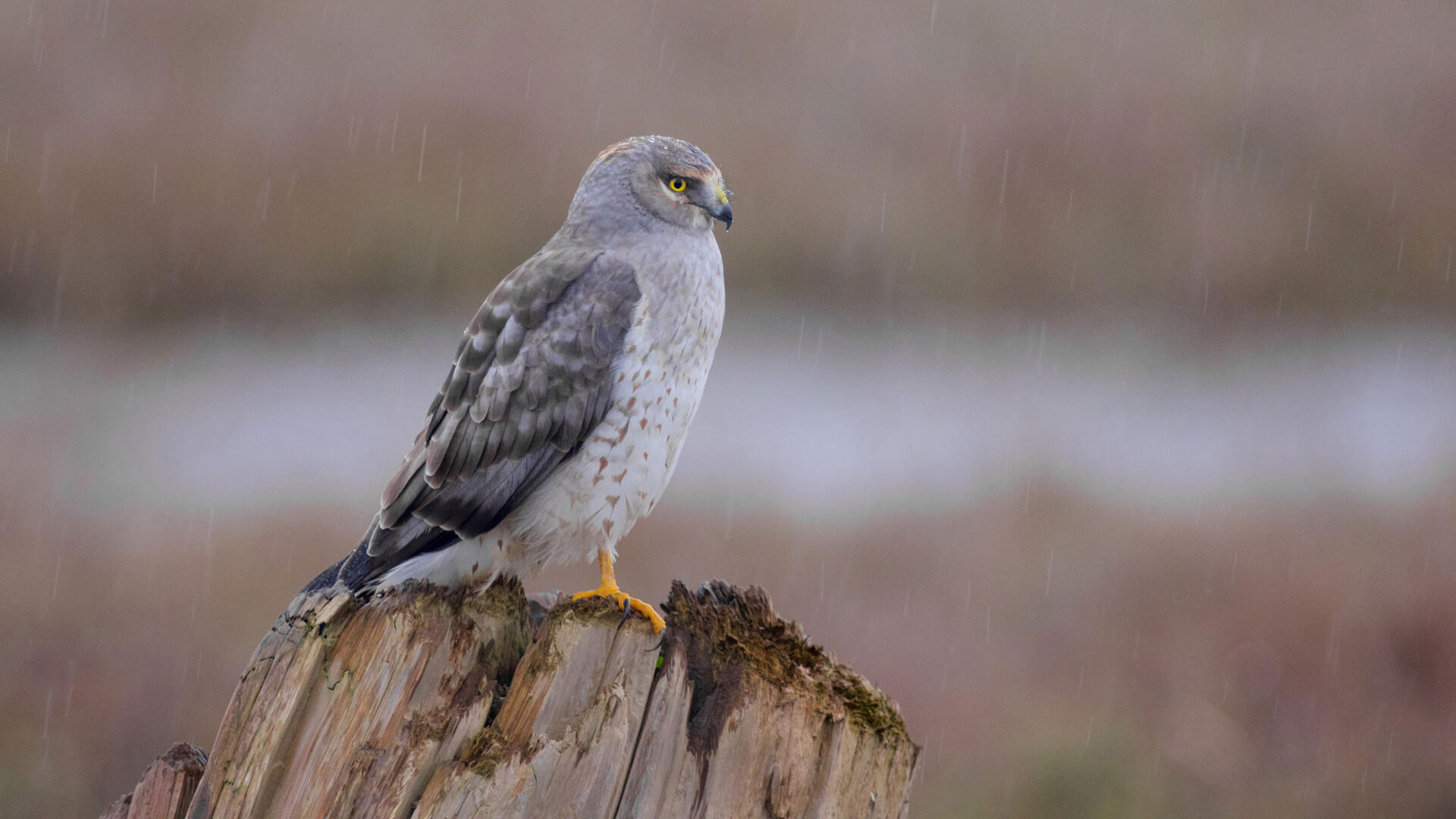
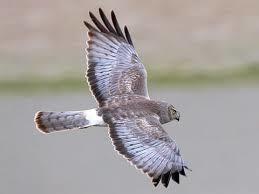
- 62diurnal birds of prey large body and bill females larger than males accipiters forest hawk short rounded wings long tailsorder: Accipitriformes
family: Accipitridae
species: cooper hawk
razor sharp tallons help to capture and kill prey, armour leg plating on feet help them avoid injury from struggling prey, rough texture on bottom of the foot prevents prey from slipping free.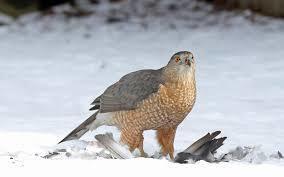
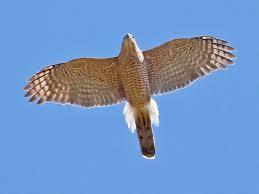
- 63diurnal birds of prey large body and bill females larger than males accipiters forest hawk short rounded wings long tailsorder: Accipitriformes
family: Accipitridae
species: northern goshawk
razor sharp tallons help to capture and kill prey, armour leg plating on feet help them avoid injury from struggling prey, rough texture on bottom of the foot prevents prey from slipping free.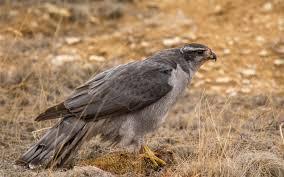
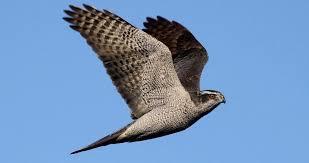
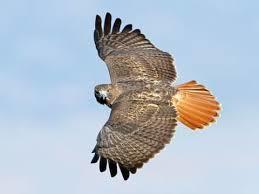
- 64diurnal birds of prey large body and bill females larger than males Buteos open plains hawk long broad wings shorter tailorder: Accipitriformes
family: Accipitridae
species: Red-tailed hawk
razor sharp tallons help to capture and kill prey, armour leg plating on feet help them avoid injury from struggling prey, rough texture on bottom of the foot prevents prey from slipping free.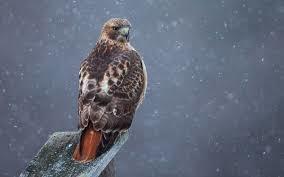
- 65mostly nocturnal excellent hearing-ear placement facial disks silent flight-feather structure females bigger than males heart-shaped face most widespread owlorder: Strigiforme
family: Tytonidae
species: barn owl
zygodactle feet, predominantly nocturnal, forward facing eyes allo for greater depth perception and good vision from a far, small feathers by eyes and feet help individuals find and capture prey.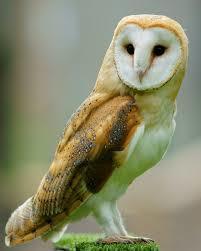
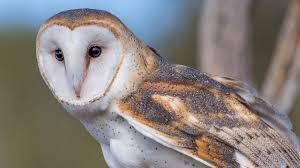
- 66mostly nocturnal excellent hearing-ear placement facial disks silent flight-feather structure females bigger than males cryptic coloration round facial discsorder: Strigiformes
family: strigidae
species: great horned owl
zygodactle feet, predominantly nocturnal, forward facing eyes allo for greater depth perception and good vision from a far, small feathers by eyes and feet help individuals find and capture prey.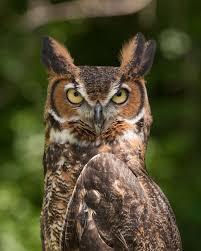
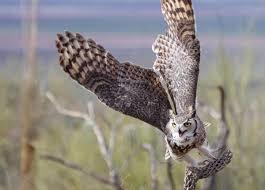
- 67mostly nocturnal excellent hearing-ear placement facial disks silent flight-feather structure females bigger than males cryptic coloration round facial discsorder: Strigiformes
family: strigidae
species: barred owl
zygodactle feet, predominantly nocturnal, forward facing eyes allo for greater depth perception and good vision from a far, small feathers by eyes and feet help individuals find and capture prey.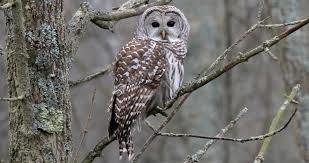
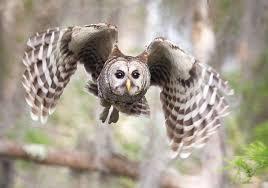
- 68mostly nocturnal excellent hearing-ear placement facial disks silent flight-feather structure females bigger than males cryptic coloration round facial discsorder: Strigiformes
family: strigidae
species: spotted owl
zygodactle feet, predominantly nocturnal, forward facing eyes allo for greater depth perception and good vision from a far, small feathers by eyes and feet help individuals find and capture prey.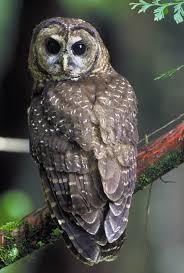
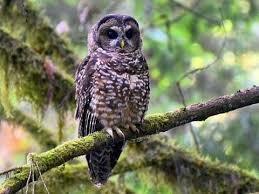
- 69mostly nocturnal excellent hearing-ear placement facial disks silent flight-feather structure females bigger than males cryptic coloration round facial discsorder: strigiformes
family: strigidae
species: Western screech owl
zygodactle feet, predominantly nocturnal, forward facing eyes allo for greater depth perception and good vision from a far, small feathers by eyes and feet help individuals find and capture prey.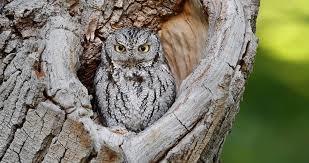
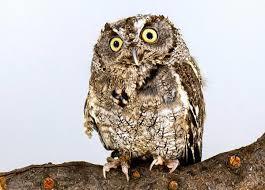
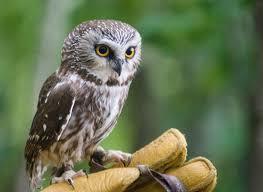
- 70mostly nocturnal excellent hearing-ear placement facial disks silent flight-feather structure females bigger than males cryptic coloration round facial discsorder: strigiformes
family: strigidae
species: northern saw whet owl
zygodactle feet, predominantly nocturnal, forward facing eyes allo for greater depth perception and good vision from a far, small feathers by eyes and feet help individuals find and capture prey.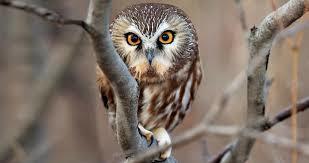
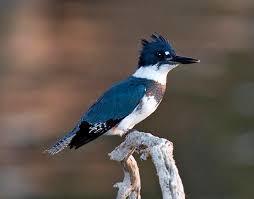
- 71piscivores big head, long pointed bill strong(syndactyl) feet-long burrows female belted kingfishers have rusty-colored belly bandorder: Coraciiformes
family: Alcedinidae
species: Belted Kingfisher
strong neck muscles and long sharp bills help them catch fish, short square tails facilitate greater mobility.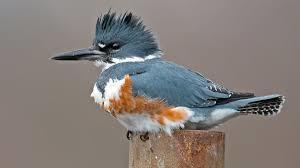
- 72chisel-like bill insectivore specialized tongue zygodactyl specialized rachis in tail feathersorder: Piciformes
family: Picidae
species: red-breasted sapsucker
primary cavity nesters, straight sturdy bills help with cavity excavating, zygodactile feet are necessary for grasping onto the sides of tree trunks.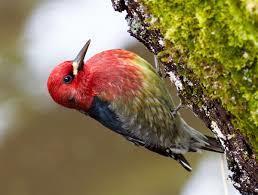
- 73chisel-like bill insectivore specialized tongue zygodactyl specialized rachis in tail feathersorder: Piciformes
family: Picidae
species: red-naped sapsucker
primary cavity nesters, straight sturdy bills help with cavity excavating, zygodactile feet are necessary for grasping onto the sides of tree trunks.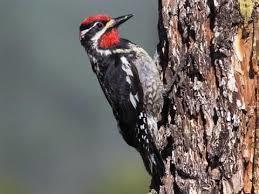
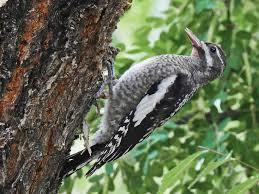
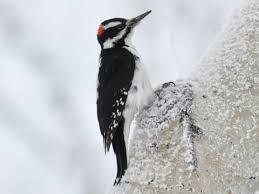
- 74chisel-like bill insectivore specialized tongue zygodactyl specialized rachis in tail feathersorder: Piciformes
family: Picidae
species: Hairy woodpecker
primary cavity nesters, straight sturdy bills help with cavity excavating, zygodactile feet are necessary for grasping onto the sides of tree trunks.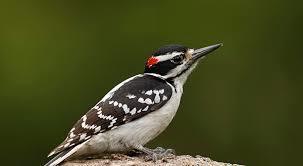
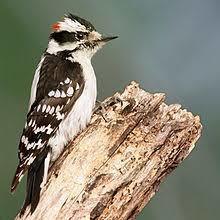
- 75chisel-like bill insectivore specialized tongue zygodactyl specialized rachis in tail feathersorder: Piciformes
family: Picidae
species: Downy Woodpecker
primary cavity nesters, straight sturdy bills help with cavity excavating, zygodactile feet are necessary for grasping onto the sides of tree trunks.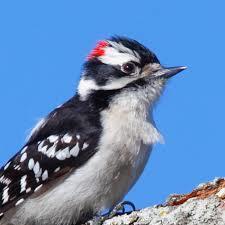
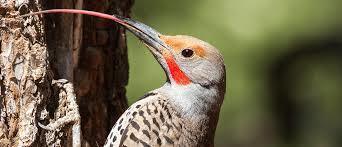
- 76chisel-like bill insectivore specialized tongue zygodactyl specialized rachis in tail feathersorder: Piciformes
family: Picidae
species: Northern Flicker
primary cavity nesters, straight sturdy bills help with cavity excavating, zygodactile feet are necessary for grasping onto the sides of tree trunks.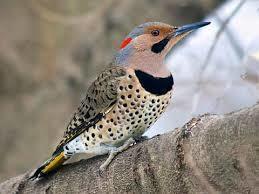
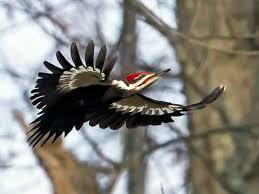
- 77chisel-like bill insectivore specialized tongue zygodactyl specialized rachis in tail feathersorder: Piciformes
family: Picidae
species: Pileated Woodpecker
primary cavity nesters, straight sturdy bills help with cavity excavating, zygodactile feet are necessary for grasping onto the sides of tree trunks.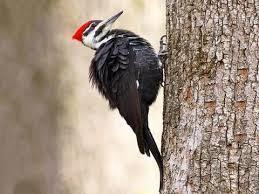
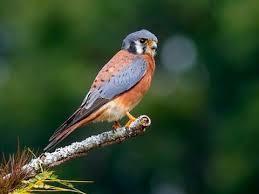
- 78diurnal birds of prey sharp pointed wings fastest animal on the planet tomial tooth large eye vertical stripe before and or behind eye females bigger than malesorder: Falconiformes
family: Falconidae
species: American kestrel
long pointed wings used for rapid agile flight, portruding brow bone helps reduce glare, curved tallons for grasping prey.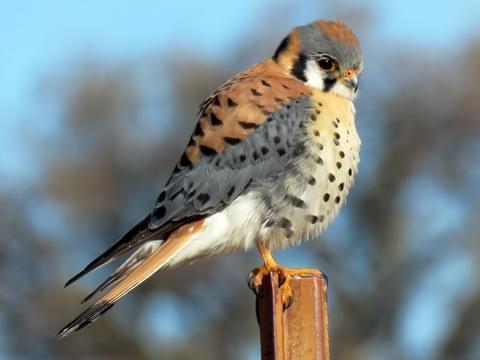
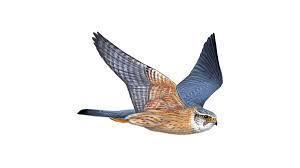
- 79diurnal birds of prey sharp pointed wings fastest animal on the planet tomial tooth large eye vertical stripe before and or behind eye females bigger than malesorder: Falconiformes
family: Falconidae
species: Merlin
long pointed wings used for rapid agile flight, portruding brow bone helps reduce glare, curved tallons for grasping prey.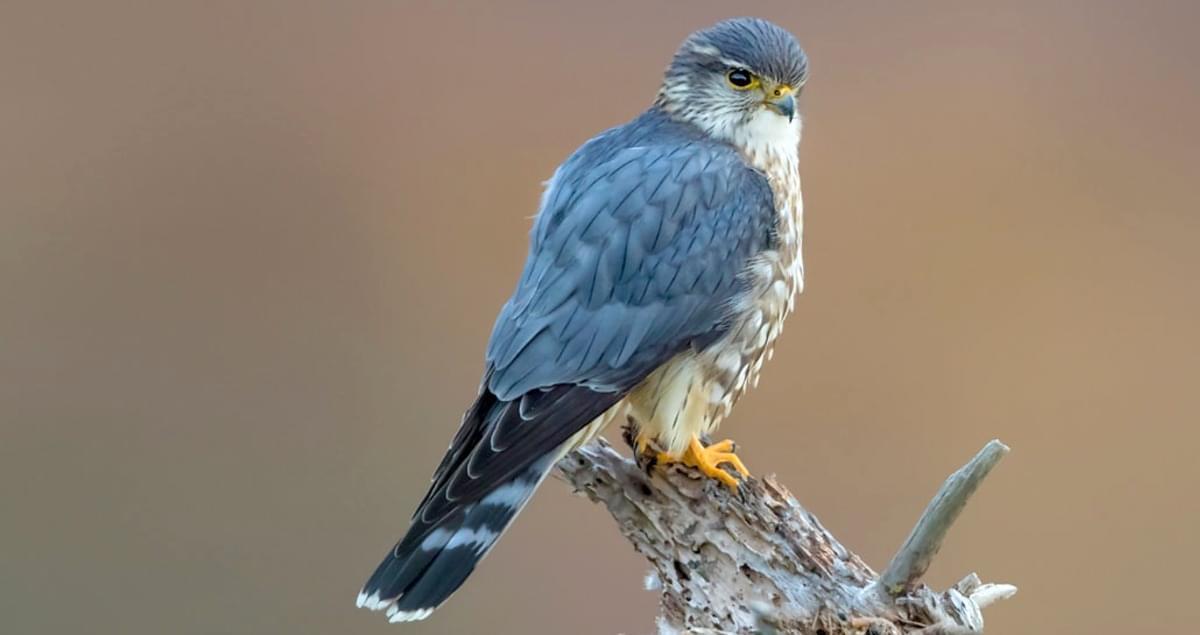
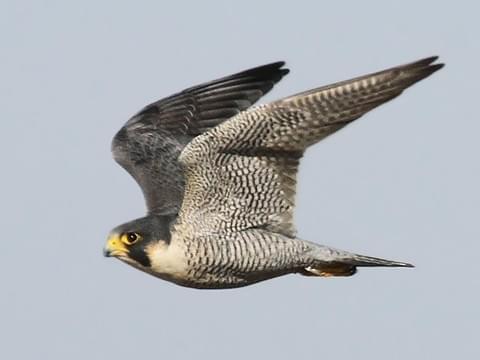
- 80diurnal birds of prey sharp pointed wings fastest animal on the planet tomial tooth large eye vertical stripe before and or behind eye females bigger than malesorder: falconiformes
family: falconidae
species: peregrine falcon
long pointed wings used for rapid agile flight, portruding brow bone helps reduce glare, curved tallons for grasping prey.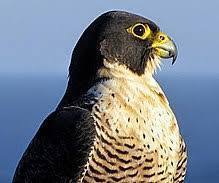
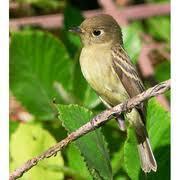
- 81suboscines aerial insectivores rictal bristles flattened billorder: Passeriformes
family: Tyrannidae
species: Pacific-slope Flycatcher
nesodactile feet allow for comfortable perching on a variety of surfaces, four cones in their retinas allowing them to see a wider range of colors and ultraviolet light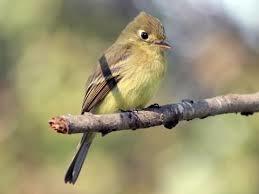
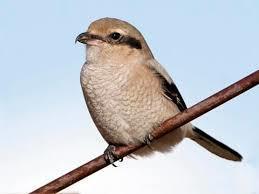
- 82only predatory songbird(butcherbird carnivorous heavy body black band thru eye hooked bill W/tomial tooth impale preyorder: Passeriformes
family: Laniidae
species: Northern shrike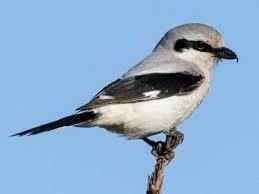
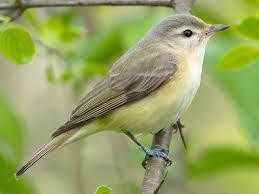
- 83eye rings or stripe through eye (spectacles) short stout bills compared to warblers open cup nestsorder: Passeriformes
family: Vireonidae
species: Warbling Vireo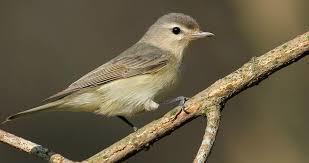
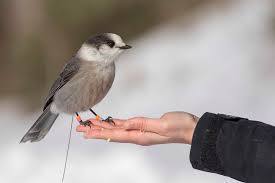
- 84Social and travel in groups highly intelligent omnivorous dietOrder: Passeriformes
family: Corvidae
Species: Canada Jay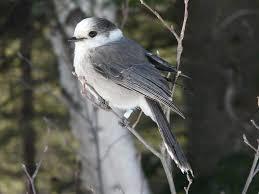
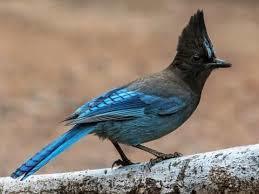
- 85Social and travel in groups highly intelligent omnivorous dietOrder: Passeriformes
family: Corvidae
Species: Stellars Jay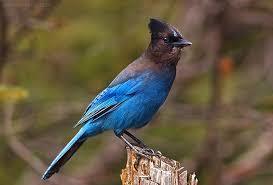
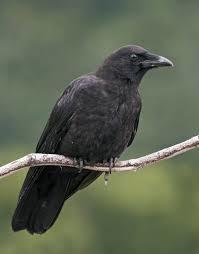
- 86Social and travel in groups highly intelligent omnivorous dietOrder: Passeriformes
family: Corvidae
Species: American Crow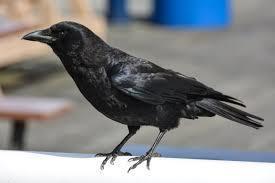
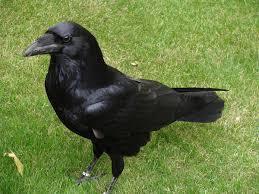
- 87Social and travel in groups highly intelligent omnivorous dietOrder: Passeriformes
family: Corvidae
Species: Common Raven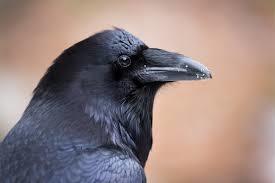
- 88Open country birds (long hind claw) seed and insect eaters feather tuftsOrder: Passeriformes
family: Alaudidae
Species: Horned Lark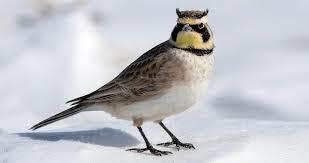
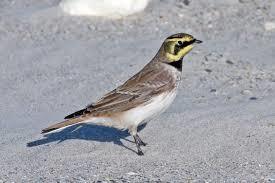
- 89Aerial insectivores (rictal bristles) long pointed wings, shorter than swifts small feet nest in cavities banks mudcup nests many colonial speciesOrder: Passeriformes
family: Hirundinidae
Species: Tree Swallow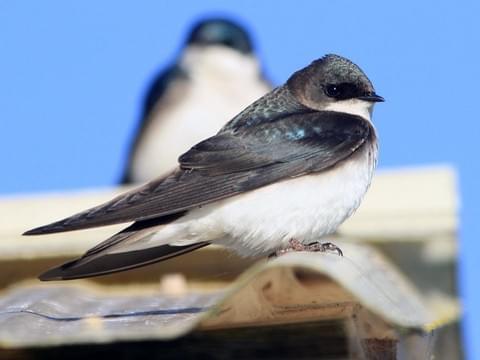
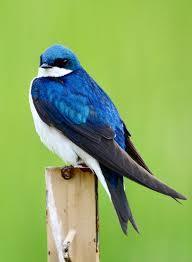
- 90Aerial insectivores (rictal bristles) long pointed wings, shorter than swifts small feet nest in cavities banks mudcup nests many colonial speciesOrder: Passeriformes
family: Hirundinidae
Species: Violet-green Swallow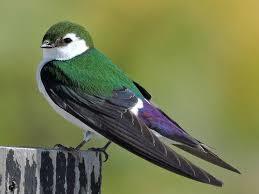
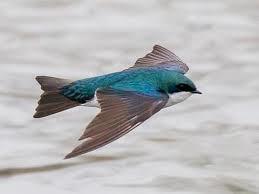
- 91Aerial insectivores (rictal bristles) long pointed wings, shorter than swifts small feet nest in cavities banks mudcup nests many colonial speciesOrder: Passeriformes
family: Hirundinidae
Species: Barn Swallow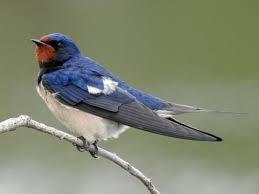
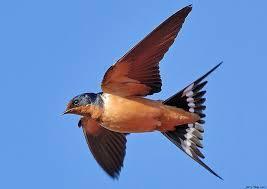
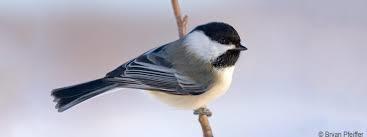
- 92short rounded wings, long tails, short bill hunched posture contrasting facial patterns specialized foot for hanging upside down cavity nesterOrder: Passeriformes
family: Paridae
Species: Black-capped Chickadee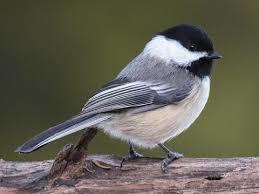
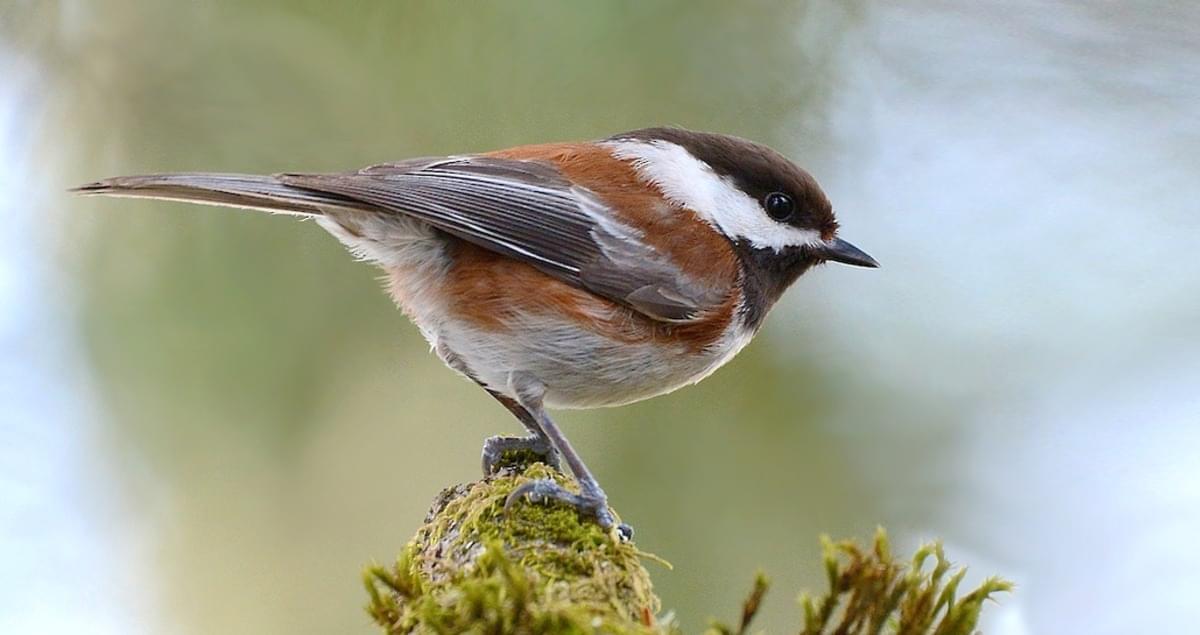
- 93short rounded wings, long tails, short bill hunched posture contrasting facial patterns specialized foot for hanging upside down cavity nesterOrder: Passeriformes
family: Paridae
Species: Chestnut-backed Chickadee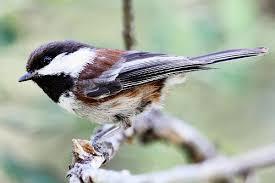
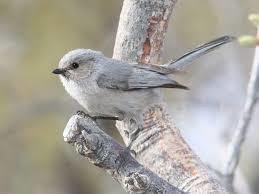
- 94small (smaller than chickadees) medium to long tails flock bird cooperative breedingOrder: Passeriformes
family: Aegithalidae
Species: Bushtit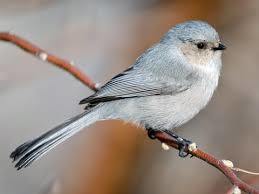
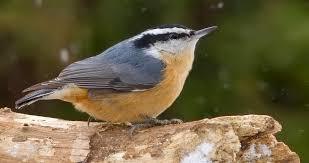
- 95short tail longer thin bill able to move head first down trees cavity nesterOrder: Passeriformes
family: Sittidae
Species: Red-breasted Nuthatches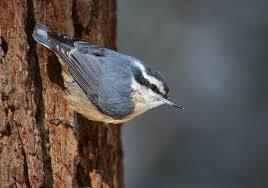
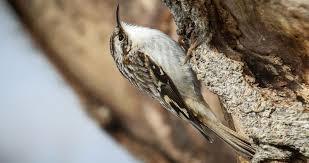
- 96long decurved bill stiff tail to brace against trees moves up tree in spiral fashionOrder: Passeriformes
family: Certhiidae
Species: brown creeper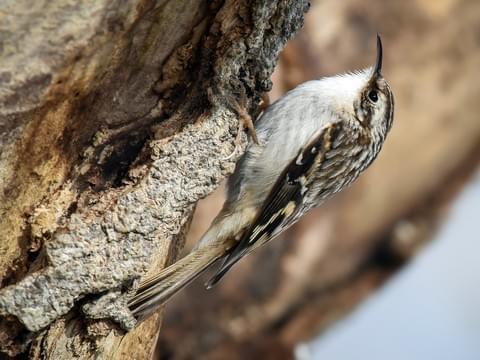
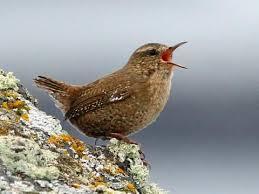
- 97decurved bill erect tail that is short and rounded amazing singers cavity nestersOrder: Passeriformes
family: Trogloytidae
Species: Pacific Wren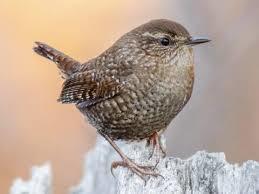
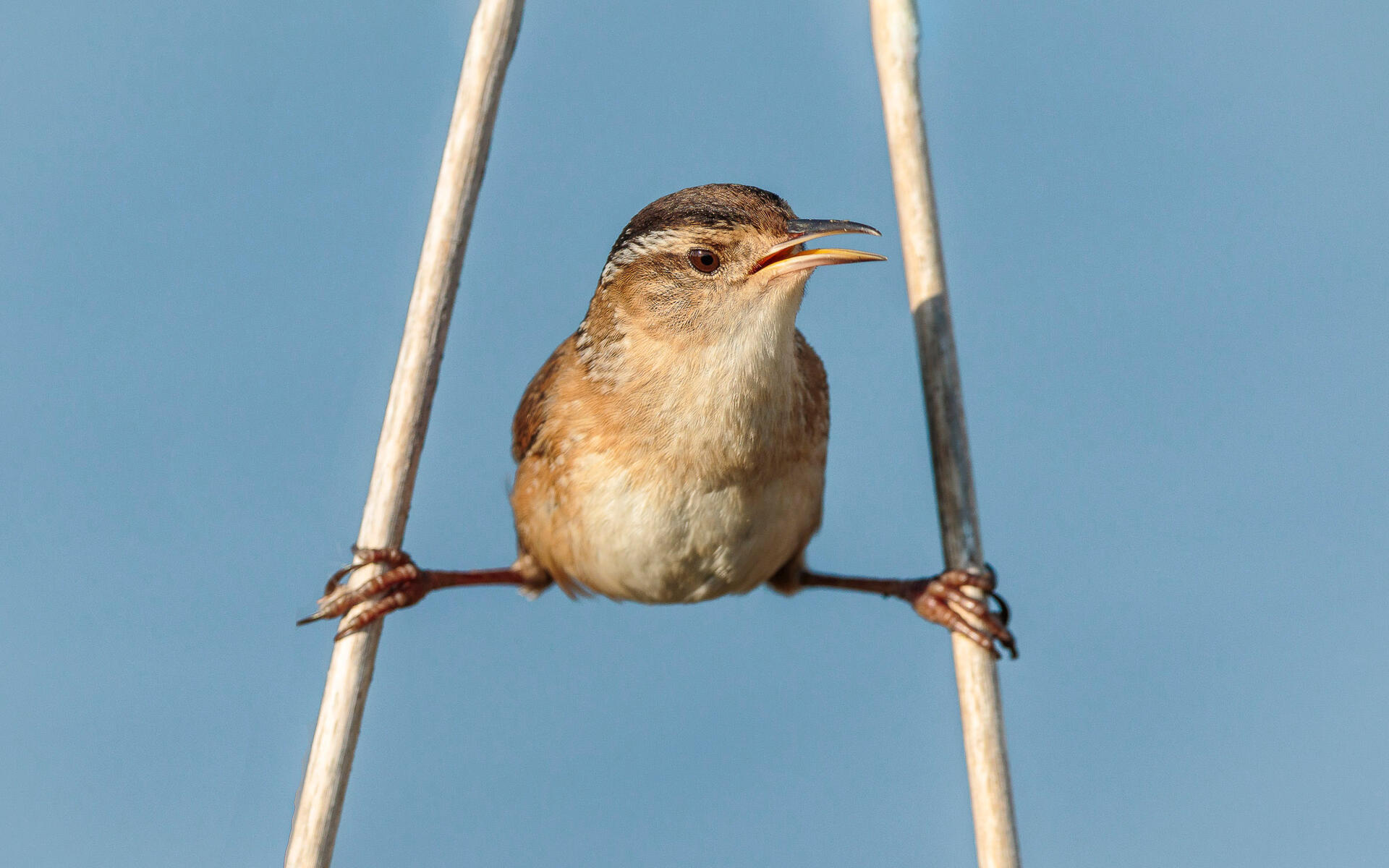
- 98decurved bill erect tail that is short and rounded amazing singers cavity nestersOrder: Passeriformes
family: Trogloytidae
Species: Marsh Wren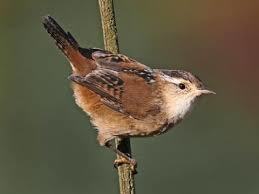
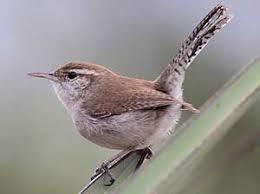
- 99decurved bill erect tail that is short and rounded amazing singers cavity nestersOrder: Passeriformes
family: Trogloytidae
Species: Bewicks Wren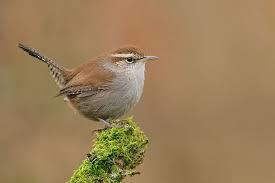
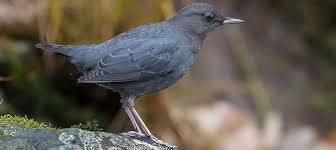
- 100short wings and tails, long legs found near rushing water feed on aquatic insect larva able to dive and swim underwater dense plumage nasal flaps strong legs and clawsOrder: Passeriformes
family: Cinclidae
Species: American Dipper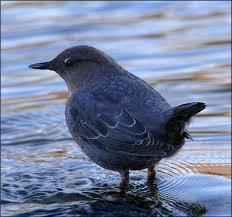
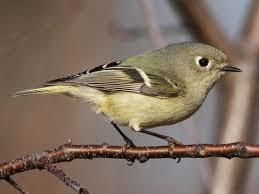
- 101smallest passerines small bills often have wing bars, eye ring or stripes raise crown for mating displayOrder: Passeriformes
family: Regulidae
Species: Ruby-crowned Kinglet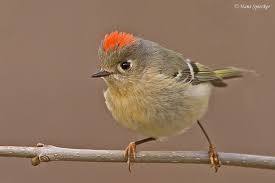
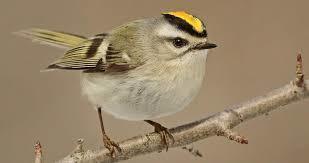
- 102smallest passerines small bills often have wing bars, eye ring or stripes raise crown for mating displayOrder: Passeriformes
family: Regulidae
Species: Golden- crowned kinglet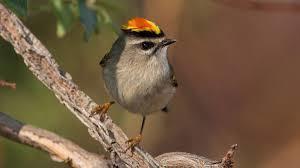
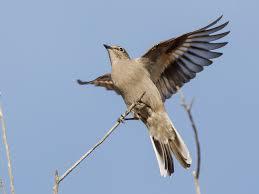
- 103Medium-sized birds Mostly ground feeders robust legs and notched bill complex songs juveniles heavily spottedOrder: Passeriformes
family: Turdidae
Species: Townsend's Solitaire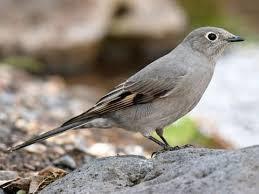
- 104Medium-sized birds Mostly ground feeders robust legs and notched bill complex songs juveniles heavily spottedOrder: Passeriformes
family: Turdidae
Species: Swainsons Thrush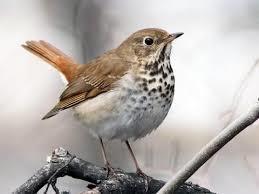
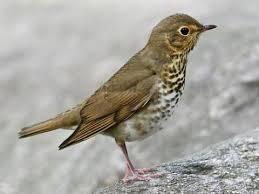
- 105Medium-sized birds Mostly ground feeders robust legs and notched bill complex songs juveniles heavily spottedOrder: Passeriformes
family: Turdidae
Species: American Robin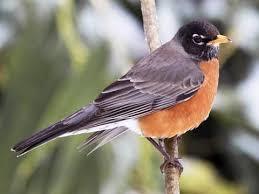
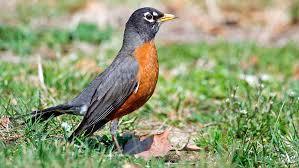
- 106Medium-sized birds Mostly ground feeders robust legs and notched bill complex songs juveniles heavily spottedOrder: Passeriformes
family: Turdidae
Species: varied thrush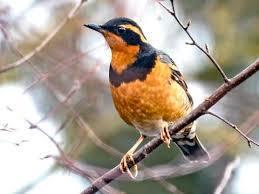
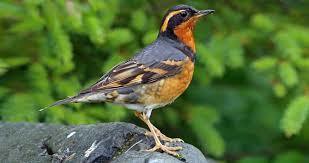
- 107able to mimic other species straight, narrow bill medium sized, slender birdOrder: Passeriformes
Family: Mimidae
Species: Gray Catbird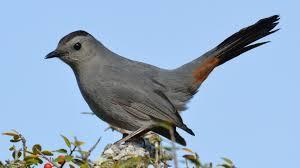
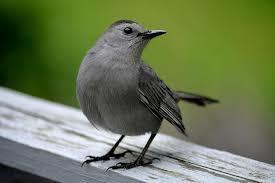
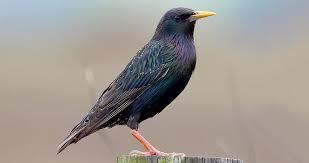
- 108invasive species, introduced from Europe able to mimic songs iridescent plumage short, board triangular shaped wingsOrder: Passeriformes
Family: Sturnidae
Species: European Starling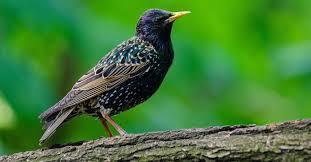
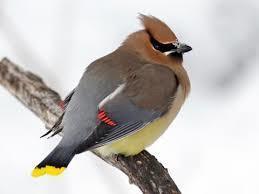
- 109Medium-sized bird with crest and black eye mask and bib bright waxy colors on tips of secondaries and tails primarily eat berries and insectsOrder: Passeriformes
Family: Bombycillidae
Species: Cedar Waxwing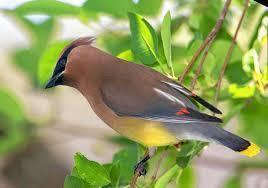
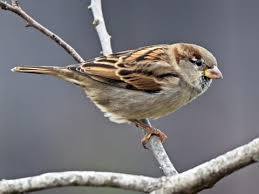
- 110Invasive species, introduced from Europe Conical billOrder: Passeriformes
Family: Passeridae
Species: House Sparrow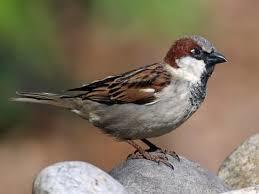
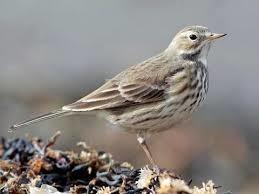
- 111long, slender body and long tail often display bobbing behavior typically in open or semi-open habitat long hallux clawOrder: Passeriformes
Family: Motacillidae
Species: American Pipit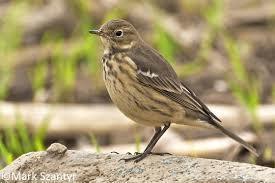
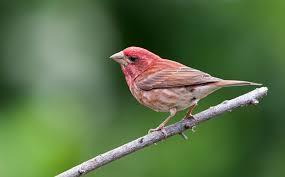
- 112Seed-eaters, conical bill yellow and red plumage with some brown forked tail undulating flightOrder: Passeriformes
Family: Fringillidae
Species: Purple finch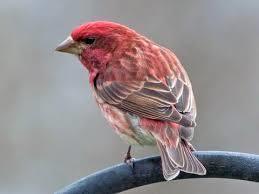
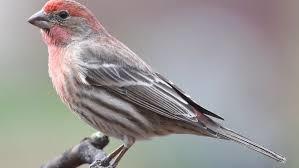
- 113Seed-eaters, conical bill yellow and red plumage with some brown forked tail undulating flightOrder: Passeriformes
Family: Fringillidae
Species: House finch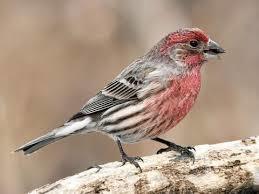
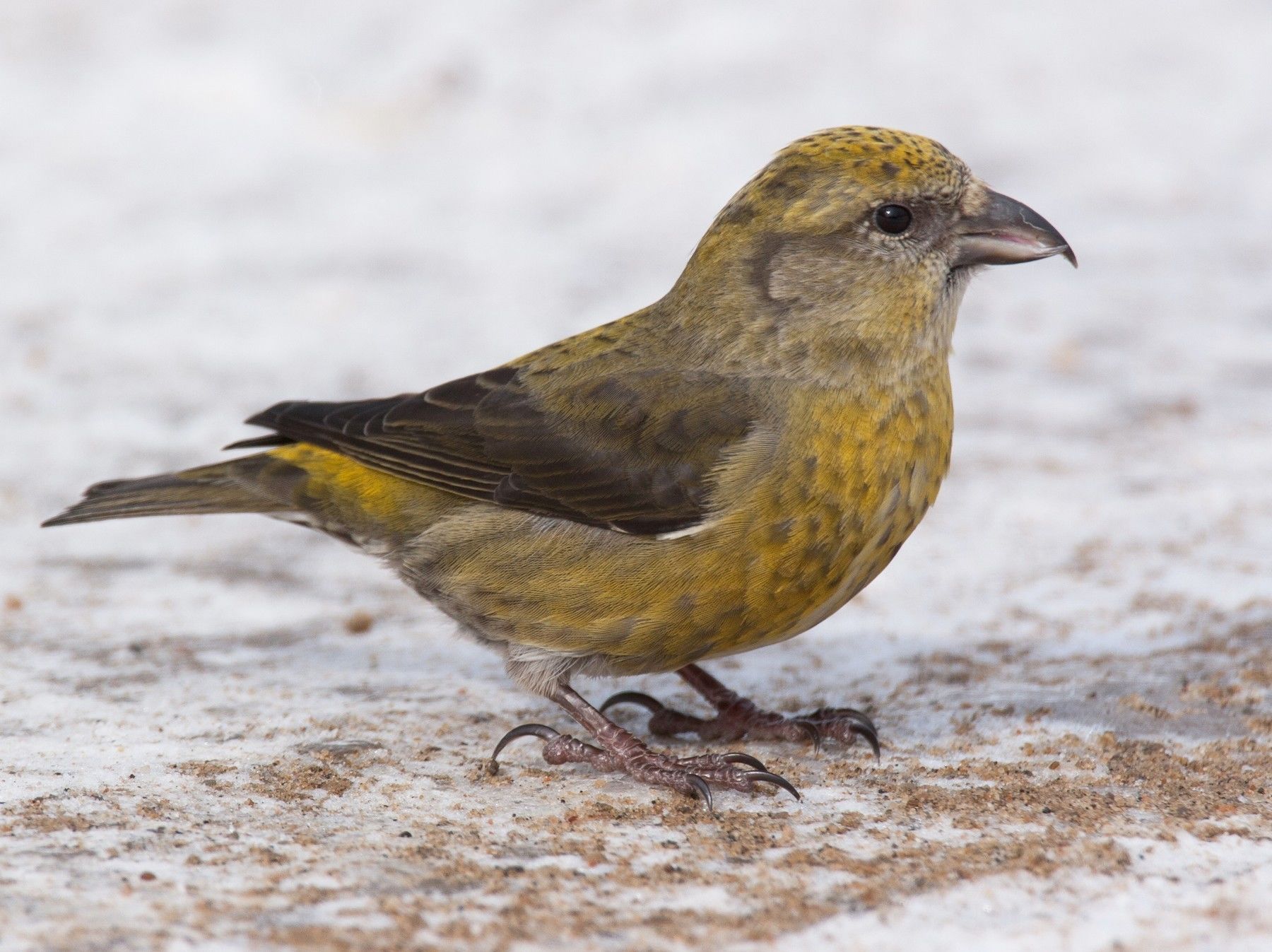
- 114Seed-eaters, conical bill yellow and red plumage with some brown forked tail undulating flightOrder: Passeriformes
Family: Fringillidae
Species: Red crossbill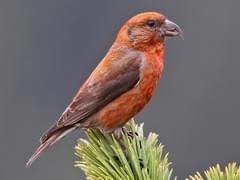
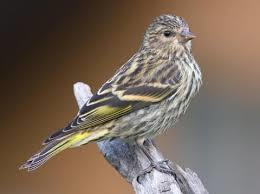
- 115Seed-eaters, conical bill yellow and red plumage with some brown forked tail undulating flightOrder: Passeriformes
Family: Fringillidae
Species: Pine Siskin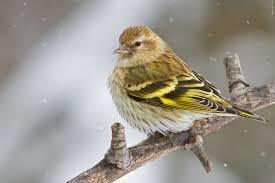
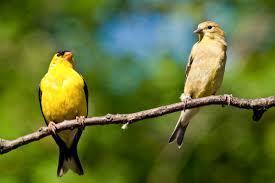
- 116Seed-eaters, conical bill yellow and red plumage with some brown forked tail undulating flightOrder: Passeriformes
Family: Fringillidae
Species: American Goldfinch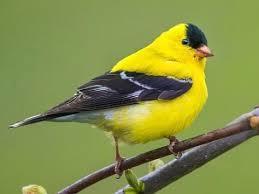
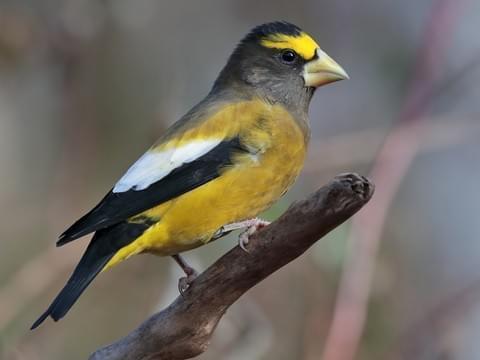
- 117Seed-eaters, conical bill yellow and red plumage with some brown forked tail undulating flightOrder: Passeriformes
Family: Fringillidae
Species: Evening Grosbeak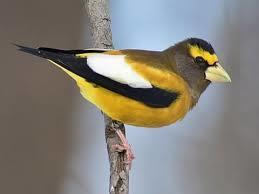
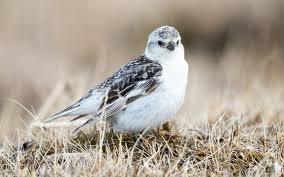
- 118sparrow-like body short, stout seed-eater bill ground foragersOrder: Passeriformes
Family: Calcariidae
Species: Snowbunting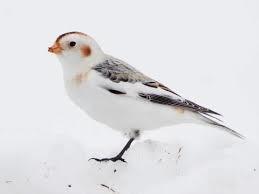
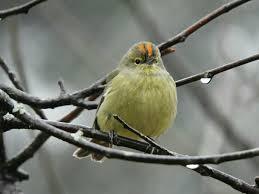
- 119diverse clade mostly arboreal insectivores small narrow billOrder: Passeriformes
Family: Parulidae
species: Orange-crowned Warbler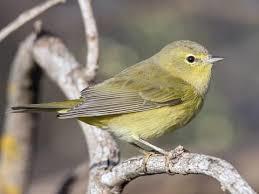
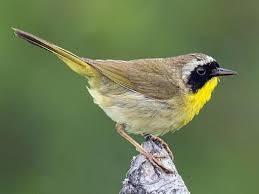
- 120diverse clade mostly arboreal insectivores small narrow billOrder: Passeriformes
Family: Parulidae
species: Common yellowthroat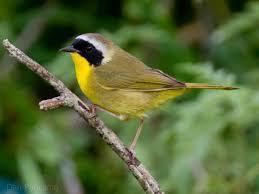
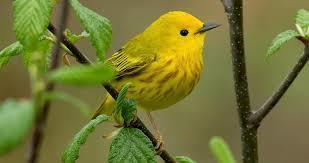
- 121diverse clade mostly arboreal insectivores small narrow billOrder: Passeriformes
Family: Parulidae
species: Yellow Warbler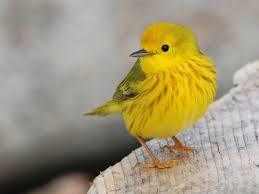
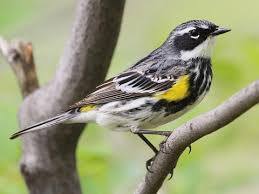
- 122diverse clade mostly arboreal insectivores small narrow billOrder: Passeriformes
Family: Parulidae
species: Yellow-rumped Warbler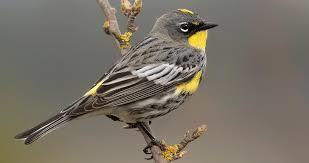
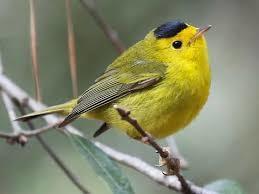
- 123diverse clade mostly arboreal insectivores small narrow billOrder: Passeriformes
Family: Parulidae
species: Wilsons Warbler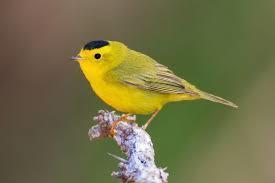
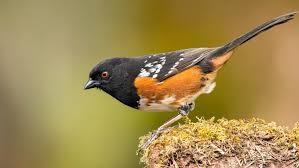
- 124ground-dwelling seed eaters conical bill strong legs grey, brown and black plumage open cup nestOrder: Passeriformes
Family: Passerellidae
species: Spotted Towhee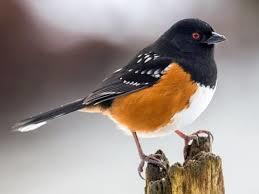
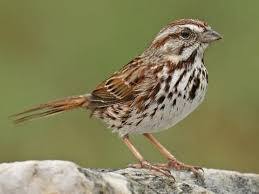
- 125ground-dwelling seed eaters conical bill strong legs grey, brown and black plumage open cup nestOrder: Passeriformes
Family: Passerellidae
species: Song Sparrow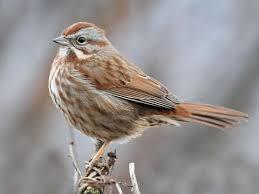
- 126ground-dwelling seed eaters conical bill strong legs grey, brown and black plumage open cup nestOrder: Passeriformes
Family: Passerellidae
species: Fox Sparrow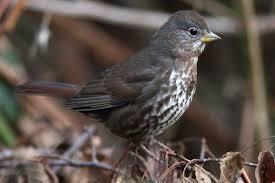
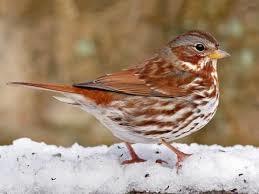
- 127ground-dwelling seed eaters conical bill strong legs grey, brown and black plumage open cup nestOrder: Passeriformes
Family: Passerellidae
Species: White-Crowned Sparrow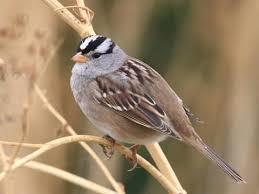
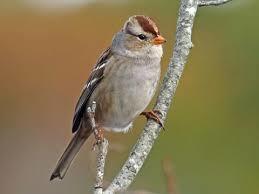
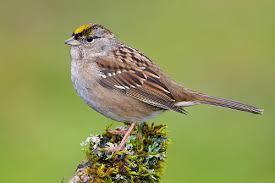
- 128ground-dwelling seed eaters conical bill strong legs grey, brown and black plumage open cup nestOrder: Passeriformes
Family: Passerellidae
Species: Golden-crowned Sparrow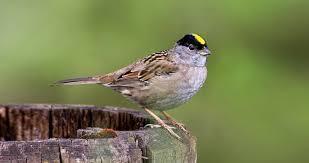
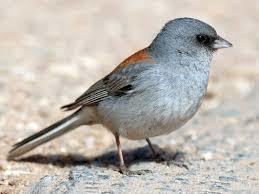
- 129ground-dwelling seed eaters conical bill strong legs grey, brown and black plumage open cup nestOrder: Passeriformes
Family: Passerellidae
Species: Dark-eyed Junco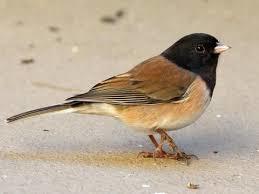
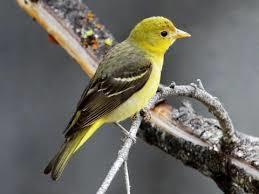
- 130Strong cone-shaped bill finch-like birds with more striking colorsOrder: Passeriformes
Family: Cardinalidae
Species: Western Tanager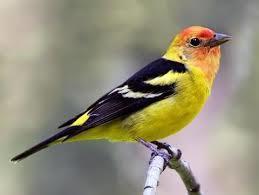
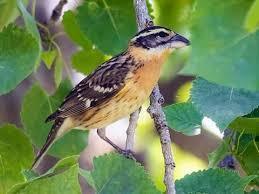
- 131Strong cone-shaped bill finch-like birds with more striking colorsOrder: Passeriformes
Family: Cardinalidae
Species: Black-headed Grosbeak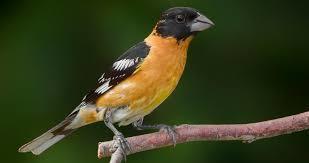
- 132long, tapered bills strong sexual dimorphism males often black with metallic sheen cowbirds-brood parasitesOrder: Passeriformes
Family: Icteridae
species: red-winged blackbird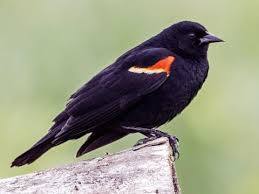
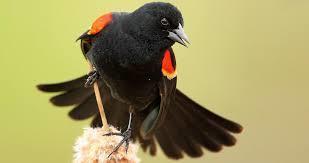
- 133long, tapered bills strong sexual dimorphism males often black with metallic sheen cowbirds-brood parasitesOrder: Passeriformes
Family: Icteridae
species: Brown-headed cowbird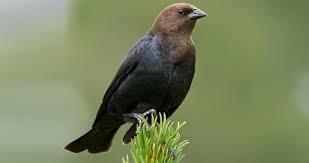
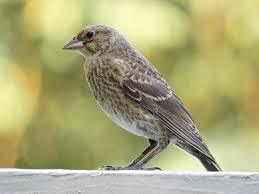
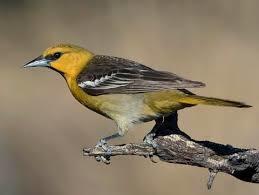
- 134long, tapered bills strong sexual dimorphism males often black with metallic sheen cowbirds-brood parasitesOrder: Passeriformes
Family: Icteridae
species: bullocks Oriole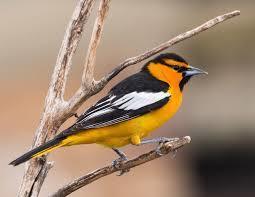
Information
- Description
- Undergraduate Birds Flashcards on bird identification, created by jenny goren on 22/01/2021.
- Created by
- jenny goren
- Views
- 32
- Rating