
Mind map
Jacob Reed's Awesome Mind Map on Authentic Assessment
Map content
Jacob Reed's Awesome Mind Map on Authentic Assessment
Real-World Task
- Authentic asessments should be designed to imitate or replicate an actual task that students may encounter in the real world.
- WHen working with emergent bilingual students, assessments being modeling after real world tasks allows them to see the meaningfulness of the assessment and provides them with a meaningful context for language development.
Thinking Made Visible
- Authentic Assessments, as opposed to traditional assessments, allow students to demonstrate their thought process and make it visible to observers
- Traditional assessments, such as multiple-choice tests or quizzes, do not allow educators to see how students are thinking. This is especially problematic with emergent bilinguals as it can be more difficult for them to accurately explain their thought process. Authentic assessment, in turn, allows for their thinking to be readily apparent so that educators can know if they have mastered the material or not.
Clear Criteria
- The criteria and expectations put upon students for completing the assessment should be clear to students.
- For emergent bilingual students, clear criteria is necessary if they are still developing their vocabulary for talking about a specific task. Something as simple as a checklist can help them know if they have fully completed the assessment or not.
Standard Based
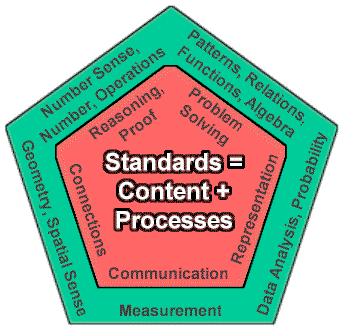
- Each assessment should be designed to assess students on a specific skill. This is vital when working with emergent bilingual students because it can simplify the assessment and make it more accessible and meaningful for them.
- Assessments are designed to test students on specific learning goals that are specific in the skills that students are expected to demonstrate.
Student Structured
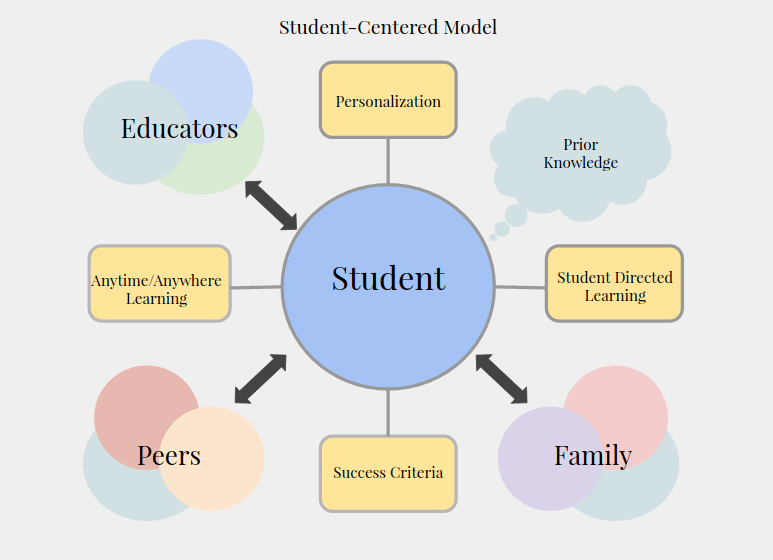
- Authentic Assessment is inherently structured in such a way that it is student-focused, rather than test or educator focused.
- All meaningful assessments should be created with the students in mind. This is especially true for emergent bilinguals. An easy way to accomplish this would be simply to consider their cultural background knowledge when designing and implementing an authentic assessment. If there are assumptions made about their cultural knowledge, they may be set up for failure before they even begin the assessment.
Images and files in the map

Information
- Description
- Mind Map on Jacob Reed's Awesome Mind Map on Authentic Assessment, created by Jacob Reed on 20/01/2019.
- Created by
- Jacob Reed
- Views
- 24
- Tags
- Rating
More on Authentic and Alternative Assessment