
Mind map
Cardiogenic Shock
Map content
Cardiogenic Shock
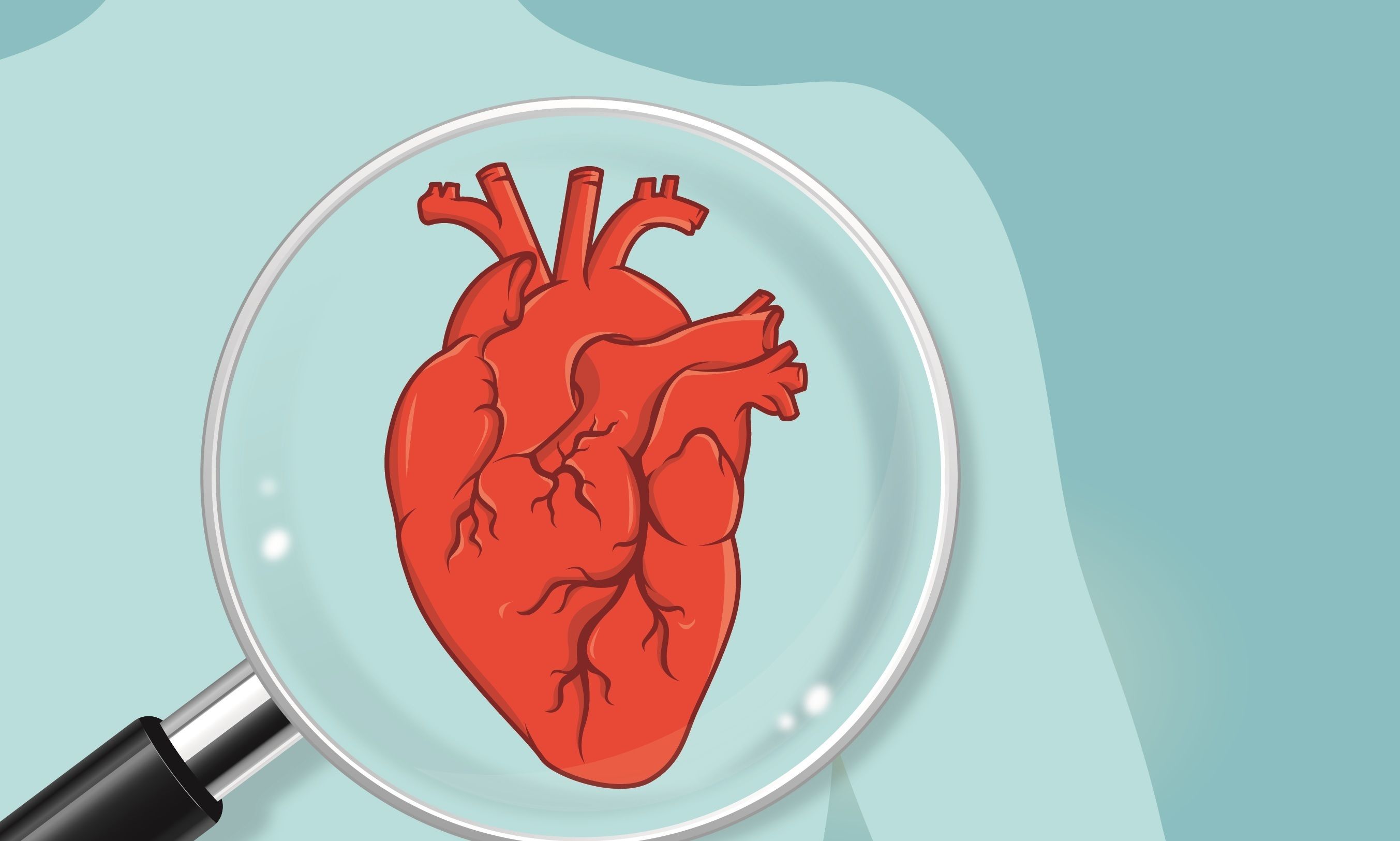
The result of left, right, or both ventricle dysfunction that causes decreased cardiac output (Copstead & Banasik, 2013).
- (WebMD, 2019)
ETIOLOGY
- Myocardial Infarction
- MOST COMMON CAUSE
- End-Stage Cardiomyopathy
- Papillary Muscle Dysfunction
- Free Wall Rupture
- Congenital Heart Defects
- (Copstead & Banasik, 2013)
- (Cardiovascular Business, 2018)
- Myocardial Infarction
CLINICAL MANIFESTATIONS
- Systolic BP <90 mmHg for >30 minutes
- (Thiele, Ohman, Desch, Eitel, & de Waha, 2015; Lewis, Dirksen, Heitkemper, Bucher, & Camera, 2014)
- Pulmonary Edema, Course Crackles, Wheezes, Tachypnea
- Elevated Left-Ventricular Filling Pressures; S3 Gallop
- Impaired Mental Status, Anxiety, Confusion, Agitation
- Oliguria
- Cool, Clammy Skin
- Signs of Impaired Organ Perfusion
- Increased Serum Lactate
- DIAGNOSTIC TESTING
- Noninvasive Testing
- Electrocardiogram
- (VectorStock, 2019d)
- Chest X-Ray
- (NICEPNG, n.d.)
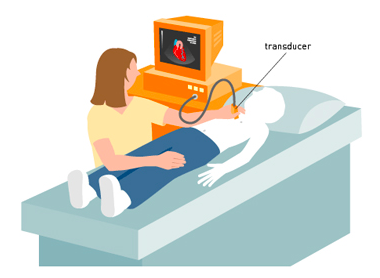
- Echocardiogram
- (CureSearch, 2019)
- Computerized Tomography
- (VectorStock, 2019b)
- Electrocardiogram
- Laboratory Testing
- Complete Blood Count
- Electrolytes
- Creatinine
- Hepatic Function Tests
- Arterial Blood Gas
- Lactate
- Cardiac Troponin
- Ideally completed twice daily until results are within stable hemodynamic parameters (Mebazaa et al., 2018)
- Within the first few hours, can indicate the level of organ damage and function (Mebazaa et al., 2018)
- (Geeky Medics, n.d.)
- Hemodynamic Monitoring
- (Mebazaa et al., 2018)
- Arterial Line
- Allows for measurement of arterial blood pressure, regular blood gas analysis, and monitoring of arterial lactate
- Central Venous Catheter
- Visualizes elevated pressure/abnormal waveform of heart and lungs, oxygen supply and demand, and estimates extrathoracic organ congestion
- Pulmonary Artery Catheter
- Allows for measurement of cardiac performance (i.e., preload, afterload, and cardiac output) (Furer, Wessler, & Burkhoff, 2017)
- Hemodynamic data guides clinical decision making and the therapeutic choices that are made regarding the proper "selection, timing, and settings of medical and mechanical support" (Furer, Wessler, & Burkhoff, 2017, p. 361)
- Effects of Cardiogenic Shock on Hemodynamic Parameters
- (Lewis, Dirksen, Heitkemper, Bucher, & Camera, 2014)
- Heart Rate
- Pulse Pressure
- Blood Pressure
- Systemic Vascular Resistance
- Pulmonary Vascular Resistance
- Central Venous Pressure
- Pulmonary Artery Pressure
- Pulmonary Artery Occlusive Pressure
- Cardiac Output
- Central Venous Oxygen Saturation/Venous Oxygen Saturation
- Cardiac Output
- Pulmonary Artery Occlusive Pressure
- Pulmonary Artery Pressure
- Central Venous Pressure
- Pulmonary Vascular Resistance
- Systemic Vascular Resistance
- Blood Pressure
- Pulse Pressure
- Heart Rate
- (Lewis, Dirksen, Heitkemper, Bucher, & Camera, 2014)
- (Diepen et al., 2017)
- Noninvasive Testing
- Slow Capillary Refill
- Pallor or Cyanosis
- Diminished Bowel Sounds
- Nausea, Vomiting
- DIAGNOSIS
- (Thiele, Ohman, Desch, Eitel, & de Waha, 2015)
- 1. Systolic Blood Pressure <90 mmHg for >30 minutes
- 2. Pulmonary Congestion or Elevated Left-Ventricular Filling Pressures
- 3. Indications of Impaired Organ Perfusion with at least one of the following:
- a) Altered Mental Status
- b) Cold, Clammy Skin
- c) Oliguria
- d) Increased Serum Lactate
- (365PSD, 2019)
- (Thiele, Ohman, Desch, Eitel, & de Waha, 2015)
- (Ainuna, 2019)
PRECIPITATING FACTORS
- Systolic Dysfunction
- The inability of the heart to pump and move blood forward
- Myocardial Infarction
- Cardiomyopathy
- The inability of the heart to pump and move blood forward
- Diastolic Dysfunction
- The inability of the heart to fill during diastole
- Pericardial Tamponade
- The inability of the heart to fill during diastole
- Structural Factors
- Valvular Abnormality
- Stenosis
- Regurgitation
- Ventricular Septal Rupture
- Tension Pneumothorax
- (WebMD, 2018)
- Valvular Abnormality
- Dysrhythmias
- (PedsRAP, n.d.)
- (Lewis, Dirksen, Heitkemper, Bucher, & Camera, 2014)
- (Sina Health Tour Inc., 2019)
- PATHOPHYSIOLOGY
- (Lewis, Dirksen, Heitkemper, Bucher, & Camera, 2014, p. 1961; Copstead & Banasik, 2013, p. 437)
- (Mount Alvernia Hospital, 2017)
- Diastolic Dysfunction
- Left Ventricular Preload
- Movement of fluid out of the Pulmonary Vascular Beds
- Build-up of Fluid in Pulmonary Interstitial Space
- Pulmonary Edema
- Oxygenation
- Tissue Perfusion
- Impaired Cellular Metabolism
- Tissue Perfusion
- Oxygenation
- Pulmonary Edema
- Build-up of Fluid in Pulmonary Interstitial Space
- Cardiac Output
- Cellular Oxygen Supply
- Movement of fluid out of the Pulmonary Vascular Beds
- Left Ventricular Preload
- Systolic Dysfunction
- Stroke Volume
- Cardiac Output
- Cellular Oxygen Supply
- Tissue Perfusion
- Impaired Cellular Metabolism
- Tissue Perfusion
- Cellular Oxygen Supply
- Cardiac Output
- Stroke Volume
- COMPLICATIONS
- (National Heart, Lung, and Blood Institute, n.d.a)
- Cardiogenic shock results in hypoperfusion of the body's vital organs which means that they are not receiving enough oxygen-rich blood. This results in organ damage - whether temporary or permanent.
- Brain Injury
- (Bstigma-free, 2019)
- Kidney Failure
- (Queensland Government, 2018)
- Liver Damage
- (VectorStock, 2019a)
- Brain Injury
- (Lewis, Dirksen, Heitkemper, Bucher, & Camera, 2014, p. 1961; Copstead & Banasik, 2013, p. 437)
- Systolic Dysfunction
ASSESSMENT
- Patient History
- Physical Examination
- Laboratory Investigations
- Vital Signs
- Level of Consciousness
- Peripheral Pulses
- Capillary Refill
- Skin
- Urine Output
- (Pediatric Dental Health, 2003)
- Physical Examination
- Although invasive hemodynamic monitoring is not required immediately upon initial assessment, it may be required if certain indicators are present. (Mebazaa et al., 2018)
- For Example:
- To differentiate the shock diagnosis, To guide pharmacologic therapy, and To guide fluid management
- For Example:
- TREATMENT
- (Furer, Wessler, & Burkhoff, 2017)
- 1. Address all of the reversible causes of cardiogenic shock based on the suspected condition's etiology
- 2. Immediate intervention
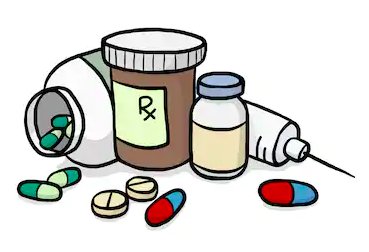
- Medications
- Persistent Hypotension
- Vasopressors
- Used in patients with low systemic vascular resistance and for those that don't respond to fluid therapy
- Increases contractility and heart rate by increasing cardiac output and systemic vascular resistance, as well as, induces vasoconstriction (VanValkinburgh & McGuigan, 2019)
- First Line of Treatment
- Epinephrine
- Sympathomimetic hormone/drug that increases cardiac output and peripheral vascular tone which increases mean arterial pressure
- Norepinephrine
- Vasopressin
- Dopamine
- Precursor for epinephrine and norepinephrine and has positive inotropic effects (i.e., increases heart contractility, automaticity, and atrioventricular conduction),
- First Drug of Choice
- Precursor for epinephrine and norepinephrine and has positive inotropic effects (i.e., increases heart contractility, automaticity, and atrioventricular conduction),
- Hormone that causes vasoconstriction
- Dopamine
- Used to increase blood pressure
- Vasopressin
- Used in patients with low systemic vascular resistance and for those that don't respond to fluid therapy
- Inotropes
- Increase myocardial contractility and cardiac output
- Dobutamine
- Milrinone
- Promotes the uptake of calcium which increases myocardial contractility and causes vasodilation
- Used to increase myocardial contractility, to cause vasodilation, and increase cardiac output
- Milrinone
- (Amado, Gago, Santos, Mimoso, de Jesus, 2016; Mebazaa et al., 2018; Lewis, Dirksen, Heitkemper, Bucher, & Camera, 2014)
- (Shutterstock, 2019a)
- Vasopressors
- Diuretics
- Used for patients with pulmonary edema
- Aspirin
- Given to patients with acute myocardial infarction
- Nitroglycerin
- Used to dilate coronary arteries which decreases preload
- Amiodarone
- Used to treat arrhythmias
- Oxygen
- Dependent on cardiac output, oxygen saturation of arterial blood (SaO2), and available hemoglobin
- Persistent Hypotension
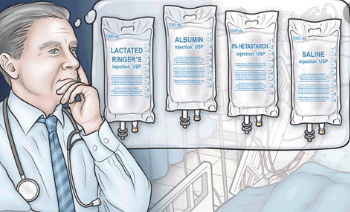
- Fluid Management
- (Lewis, Dirksen, Heitkemper, Bucher, & Camera, 2014)
- Fluid Type
- Isotonic Crystalloids
- 0.9% NaCl
- Lactated Ringer's Solution
- Used for initial fluid replacement
- Monitor patient for circulatory overload
- 0.9% NaCl
- Blood/Blood Products
- Whole Blood/Packed RBCs
- Fresh/Frozen Plasma
- Used when hemoglobin levels are <120 g/L
- Whole Blood/Packed RBCs
- Isotonic Crystalloids
- Fluid Type
- (Chief Fellow, 2015)
- (Lewis, Dirksen, Heitkemper, Bucher, & Camera, 2014)
- Early Revascularization
- (Lewis, Dirksen, Heitkemper, Bucher, & Camera, 2014)
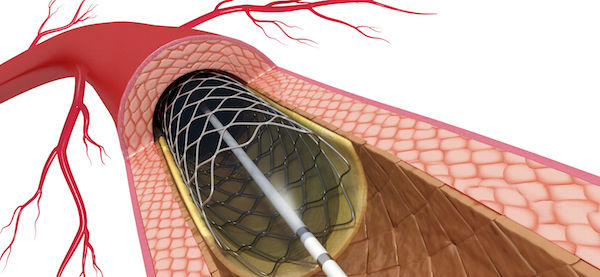
- Percutaneous Coronary Intervention
- (Heart and Stroke Foundation of Canada, 2018)
- (UT Southwestern Medical Center, 2019)
- Procedure that uses a small catheter to place a stent in a narrowed cardiac blood vessel to restore blood flow
- (Heart and Stroke Foundation of Canada, 2018)
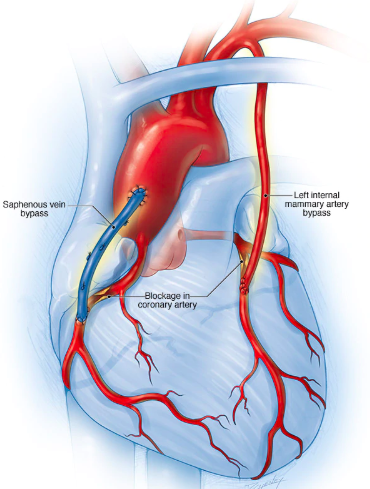
- Coronary Artery Bypass Graft
- (National Heart, Lung, and Blood Institute, n.d.b)
- (Mayo Clinic, 2018)
- Procedure that utilizes blood vessels from different parts of the body and places them above or below narrowed coronary arteries in order to improve poor blood flow in the heart
- (National Heart, Lung, and Blood Institute, n.d.b)
- Mechanical Intervention
- (Lewis, Dirksen, Heitkemper, Bucher, & Camera, 2014)
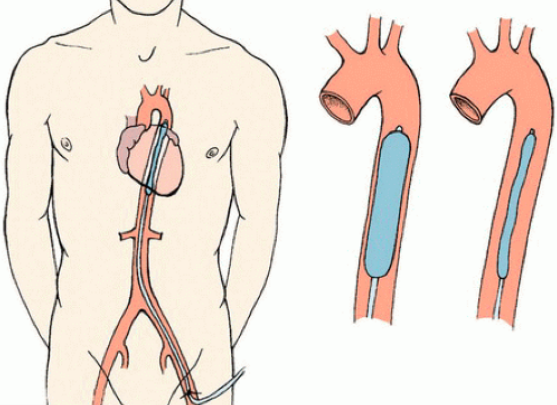
- Intra-aortic Balloon Pump
- A circulatory assist device that is placed in the femoral artery and aorta in order to increase coronary blood flow and decrease the workload of the left ventricle
- (Anesthesia Key, 2016)
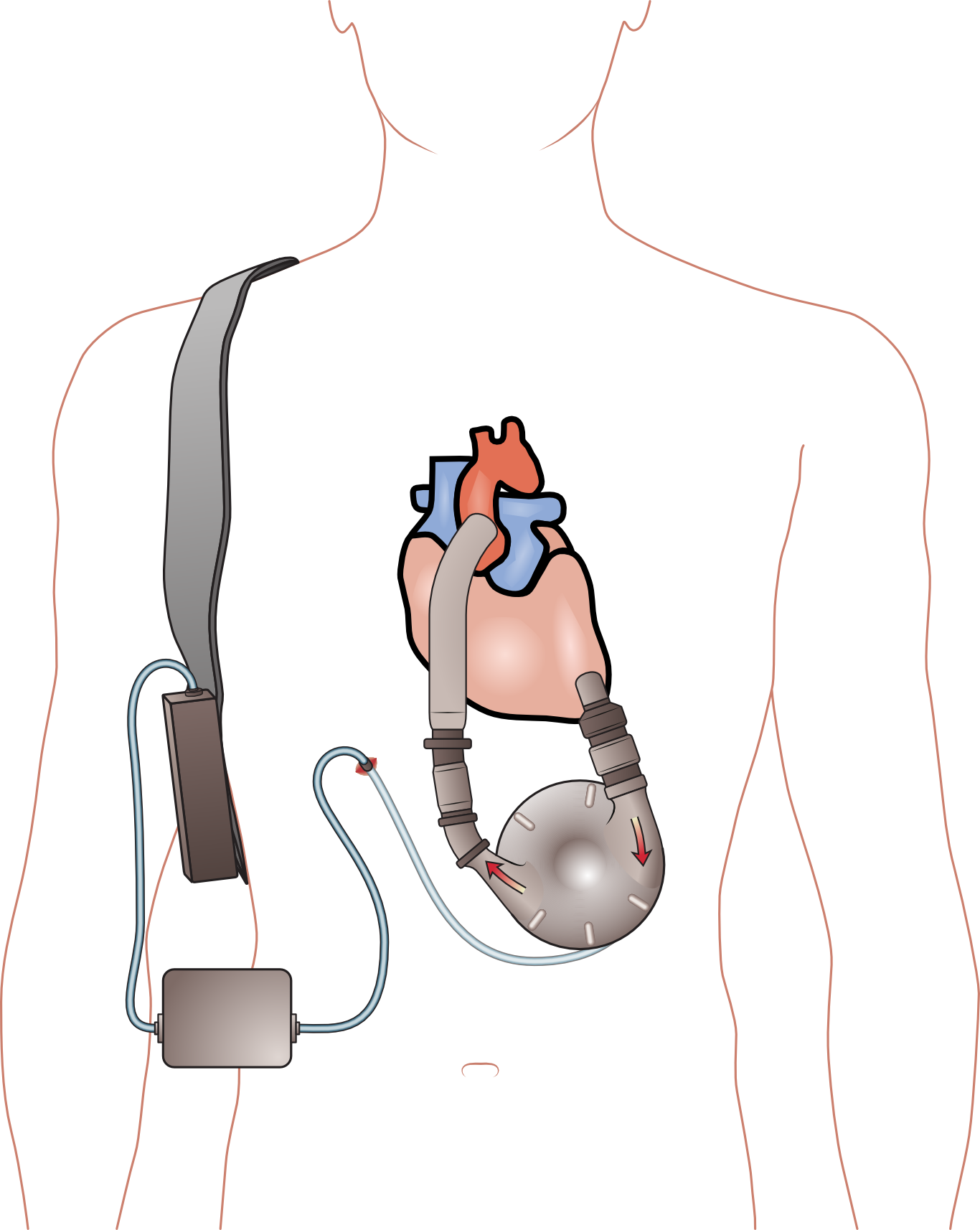
- Ventricular Assist Device
- Temporarily used in patients where the Intra-aortic balloon pump or fibrinolytic therapy is unsuccessful or for those awaiting transplantation
- (Wikipedia, 2019)
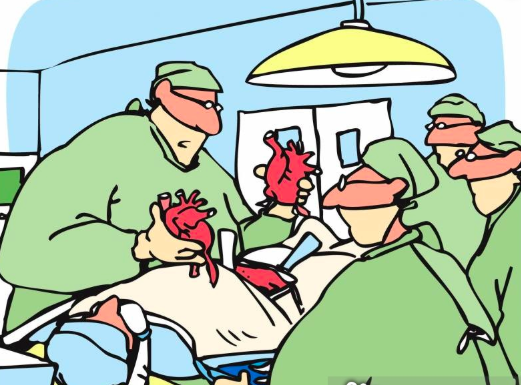
- Cardiac Transplantation
- Small select group of patients may require a cardiac transplant
- (Cartoon Collections, n.d.)
- Intra-aortic Balloon Pump
- (Lewis, Dirksen, Heitkemper, Bucher, & Camera, 2014)
- Medications
- (Furer, Wessler, & Burkhoff, 2017)
- (Mebazaa et al., 2018; Lewis, Dirksen, Heitkemper, Bucher, & Camera, 2014)
- (ACE Nursing School, 2015)
- Patient History
Low cardiac output can result in "end-organ hypoperfusion and hypoxia" (Diepen et al., 2017, p. 232)
LIFE THREATENING
NURSING CARE
- Nutrition
- Hypermetabolism
- Common occurrence with shock
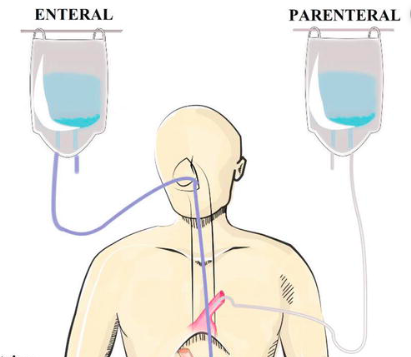
- Must initiate enteral nutrition (or parenteral if contraindicated) within the first 24 hours
- (IntechOpen, 2019)
- Weight
- Patients should be weighed daily on the same scale
- Weight Loss - Must rule out dehydration
- (Shutterstock, 2019b)
- Patients should be weighed daily on the same scale
- Laboratory Tests to Assess:
- Serum Protein
- Nitrogen Balance
- Blood Urea Nitrogen
- Serum Glucose Level
- Serum Electrolytes
- (Dreamstime, 2019)
- Hypermetabolism
- (Lewis, Dirksen, Heitkemper, Bucher, & Camera, 2014)
- Planning
- Main Goals:
- 1) Ensure adequate tissue perfusion
- 2) Restore/Maintain normal blood pressure
- 3) Promote the return/recovery of organ function
- 4) Prevent complications associated with prolonged hypoperfusion
- 3) Promote the return/recovery of organ function
- 2) Restore/Maintain normal blood pressure
- 1) Ensure adequate tissue perfusion
- (WikiHow, 2019)
- Main Goals:
- Health Promotion
- Prevention:
- Must identify those most at risk for developing shock:
- Anyone that is at risk of impaired oxygen delivery is also at risk for shock
- Old Age
- Immunocompromised
- Debilitating Illness
- Surgical/Accidental Trauma
- Debilitating Illness
- Immunocompromised
- Old Age
- Once at risk individuals are established pre-planning can help to prevent shock
- Anyone that is at risk of impaired oxygen delivery is also at risk for shock
- Must identify those most at risk for developing shock:
- Prevention:
- Emotional Support
- Nurse must address:
- Pain
- Fear
- Anxiety
- (YourCentre, 2017)
- COMMUNICATION
- Encourage family and friends to talk to patient even if they think the patient won't be able to hear (i.e., comatose, intubated, or sedated). Hearing is usually the last sense to go, so even though they cannot respond they likely can still hear.
- (VectorStock, 2019c)
- Must discuss and document advance directives
- Compassionately answer patient and family questions
- Use simple terms to explain various equipment that is in use
- Ensure call bell is within reach
- Encourage family and friends to talk to patient even if they think the patient won't be able to hear (i.e., comatose, intubated, or sedated). Hearing is usually the last sense to go, so even though they cannot respond they likely can still hear.
- Nurse must address:
- Rehabilitation
- Nurse must assess for complications that could affect the patient's rehabilitation process
- For Example: Decreased range of motion or decreased physical endurace
- The nurse must anticipate the services that will be required upon discharge in order to allow for a smooth and safe transition home from the hospital
- For Example: Home health care or rehabilitation centre
- (ASHE Health Facilities Management, 2016)
- Nurse must assess for complications that could affect the patient's rehabilitation process
- Collaborative Care
- Pharmacotherapy
- Inotropes
- Vasopressors
- Diuretics
- Aspirin
- Oxygen
- Nitroglycerin
- Amiodarone
- (Freepik, 2019)
- Reperfusion and Mechanical Interventions
- Percutaneous Coronary Intervention
- Coronary Artery Bypass Graft
- Intra-aortic Balloon Pump
- Ventricular Assist Device
- Intra-aortic Balloon Pump
- Coronary Artery Bypass Graft
- Surgery
- Cardiac Transplantation
- (VectorStock, 2019e)
- Cardiac Transplantation
- Percutaneous Coronary Intervention
- Collaboration with Other Healthcare Professionals
- Physicians
- Surgeons
- Nutritionist
- Physiotherapists
- Occupational Therapists
- Personal Support Workers
- Pharmacists
- Personal Support Workers
- Occupational Therapists
- Physiotherapists
- Nutritionist
- Surgeons
- (PatientEngagementHIT, 2019)
- Physicians
- Community Resources
- Transitional Care Units
- Rehabilitation Centres
- Home Health Care Agencies
- Rehabilitation Centres
- (County of Los Angeles Public Health, n.d.)
- Transitional Care Units
- Pharmacotherapy
- Nutrition
Thea Wilkes (215501604); Ayla Ambrose (214717847); and Kevin Porcalla (215027048)
References
- Amado, J., Gago, P., Santos, W., Mimoso, J., & de Jesus, I. (2016). Cardiogenic shock: Inotropes and vasopressors. Portuguese Journal of Cardiology, 35(12), 681-695. doi:10.1016/j.repce.2016.08.004
- Copstead, L., & Banasik, J. (2013). Pathophysiology. St. Louis MO: Elsevier Mosby.
- Diepen, S., Katz, J., Albert, N., Henry, T., Jacobs, A., Kapur, N., … Cohen, M. (2017). Contemporary management of cardiogenic shock: A scientific statement from the American heart association. Circulation, 136, 232-268. doi:10.1161/CIR.0000000000000525
- Furer, A., Wessler, J., & Burkhoff, D. (2017). Hemodynamics of cardiogenic shock. Interventional Cardiology Clinics, 6(3), 359-371. doi:10.1016/j.iccl.2017.03.006
- Heart and Stroke Foundation of Canada. (2018). Percutaneous coronary intervention (PCI or angioplasty with stent). Retrieved from https://www.heartandstroke.ca/heart/treatments/surgery-and-other- procedures/percutaneous-coronary-intervention
- Lewis, S., Heitkemper. M., Dirksen, S., Bucher, L., & Camera, I. (2014). Medical-Surgical nursing in Canada: Assessment and management of clinical problems. Toronto ON: Elsevier Mosby.
- Mebazaa, A., Combes, A., Diepen, S., Hollinger, A., Katz, J., Landoni, G., … Thiele, H. (2018). Management of cardiogenic shock complicating myocardial infarction. Intensive Care Medicine, 44, 760-773. doi:10.1007/s00134-018-5214-9
- National Heart, Lung, and Blood Institute. (n.d.b). Coronary artery bypass grafting. Retrieved from https://www.nhlbi.nih.gov/health-topics/coronary-artery-bypass-grafting
- Thiele, H., Ohman, E., Desch, S., Eitel, I., & de Waha, S. (2015). Management of cardiogenic shock. European Heart Journal, 36, 1223-1230. doi:10.1093/eurheartj/ehv051
- VanValkinburgh, D., & McGuigan, J. (2019). Inotropes and vasopressors. Retrieved from https://www.ncbi.nlm.nih.gov/books/NBK482411/
- National Heart, Lung, and Blood Institute. (n.d.a). Cardiogenic shock. Retrieved from https://www.nhlbi.nih.gov/health-topics/cardiogenic-shock
Images and files in the map













Information
- Description
- The result of left, right, or both ventricle dysfunction that causes decreased cardiac output
- Created by
- Thea Wilkes
- Views
- 12
- Rating