
Haemodynamic Disorders, Shock and Sepsis
25 resources created by 19 users
This Haemodynamic Disorders, Shock and Sepsis page on GoConqr gathers community-made quizzes, mind maps, flashcards and notes, from hypovolaemic and cardiogenic shock to neurogenic, anaphylactic and septic shock, SIRS and MODS. It's built for university students revising a topic and for teachers after ready-made material. There are over 180 resources here, including more than 10 quizzes, over 140 mind maps and more than 20 flashcard decks. Pick a type of shock, try a quiz to find your gaps, then build your own maps.
Top Haemodynamic Disorders, Shock and Sepsis resources
-
57 cards453 Test 1: Shock, SIRS, MODS
-
Mind map Cardiogenic Shock NURS4526 Mindmap
-
Mind map Septic Shock
-
15 questionsWhat type of shock am I? This type of shock is typically caused by a bee sting, food or drug allergy
-
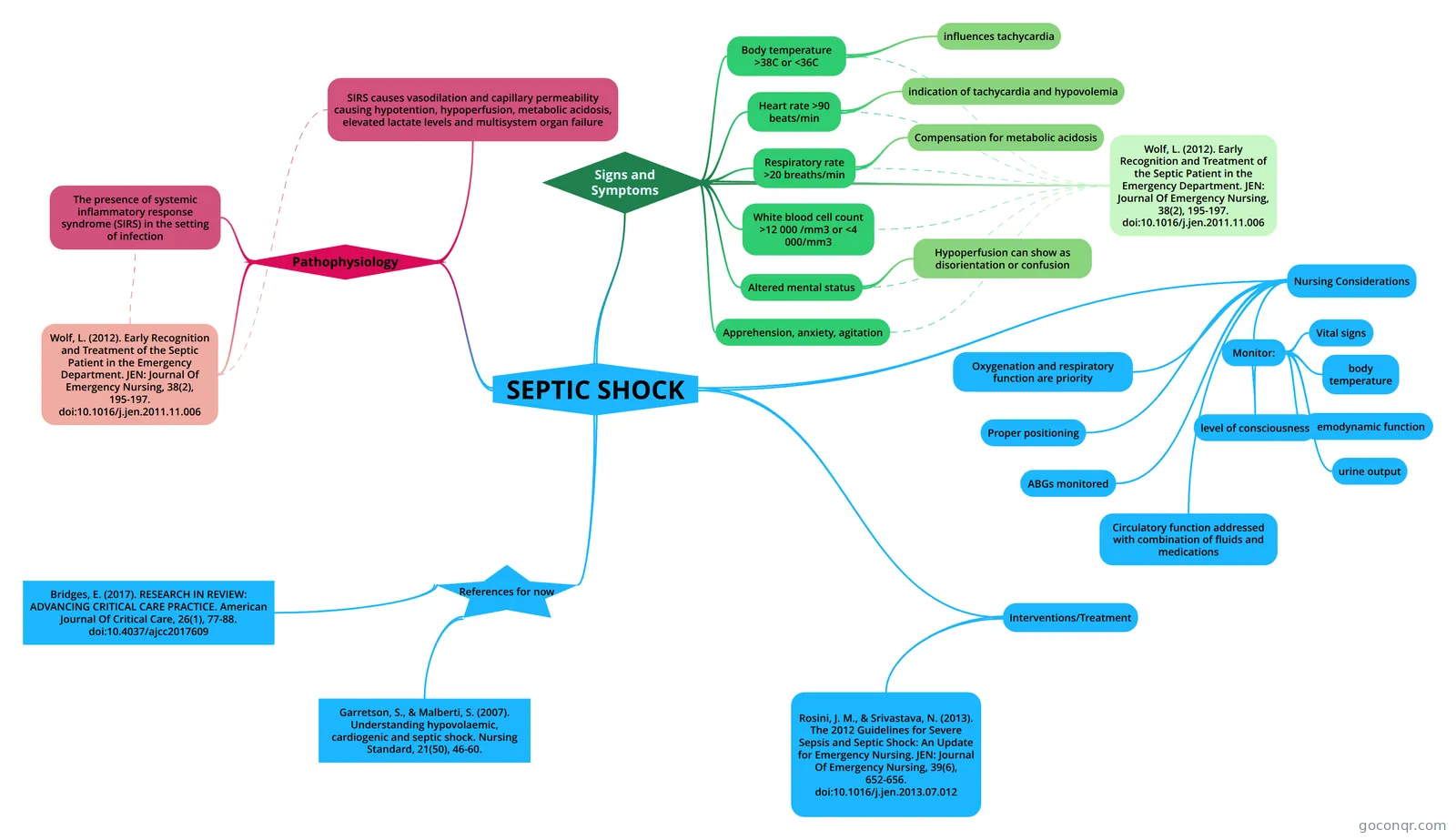 Mind map SEPTIC SHOCK
-
 Mind map Hypovolemic Shock Hypovolemic shock
-
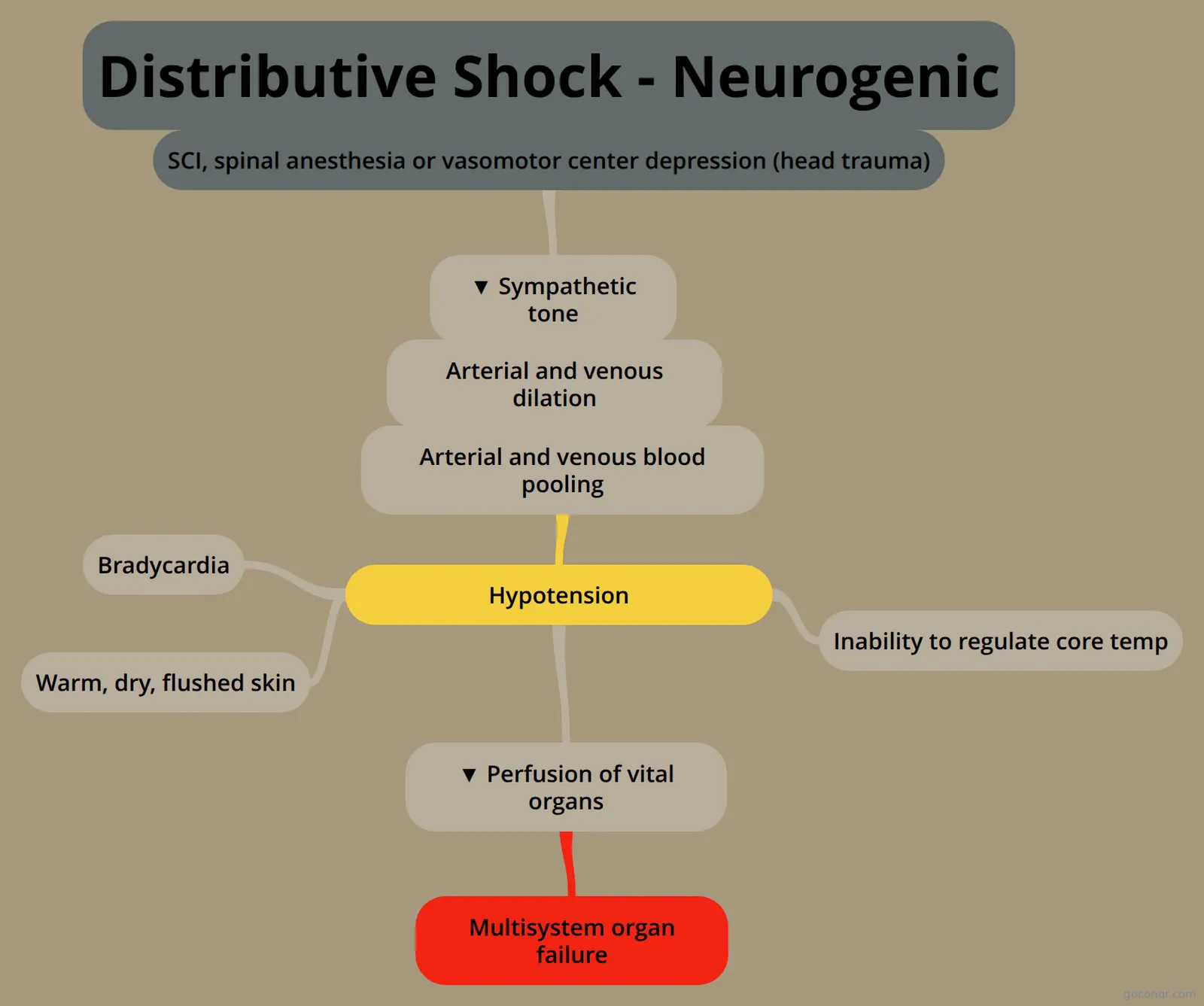 Mind map Distributive Shock - Neurogenic Neurogenic shock
-
21 questionsAtherosclerosis and Aneurysms Which of these is not a common symptom of hypovolemic shock?
Quizzes
-
15 questionsWhat type of shock am I? This type of shock is typically caused by a bee sting, food or drug allergy
-
21 questionsAtherosclerosis and Aneurysms Which of these is not a common symptom of hypovolemic shock?
-
23 questionsShock Test to prep for Shock lecture.
-
10 questionsSepsis Which of the following is not in SIRS (Systemic Inflammatory Response Syndrome) criteria?
Mind maps
See all 19 mind maps-
Cardiogenic Shock NURS4526 Mindmap
-
Septic Shock
-
SEPTIC SHOCK
-
Hypovolemic Shock Hypovolemic shock
-
Distributive Shock - Neurogenic Neurogenic shock
-
Cardiogenic Shock done by: Savannah Wolf-Hays, Doug Lau, Brandon Gardner
-
Cardiogenic Shock
-
Cardiogenic Shock The result of left, right, or both ventricle dysfunction that causes decreased cardiac output
Flashcards
Notes
More Internal medicine, pathology and clinical semiology topics
About Haemodynamic Disorders, Shock and Sepsis
GoConqr OriginalWhat the resources cover
Most of this unit is made up of mind maps, and they follow the main types of shock. You will find maps on Hypovolemic Shock, Cardiogenic Shock and Distributive Shock - Neurogenic, plus one on anaphylaxis. The hypovolaemic map starts with fluid loss, falling cardiac output and poor tissue perfusion, then moves on to the compensatory mechanisms. The neurogenic map links spinal cord injury or spinal anaesthesia to lost sympathetic tone, dilated vessels and hypotension.
Sepsis and septic shock
Sepsis has plenty of its own material. The SEPTIC SHOCK mind map covers pathophysiology, signs and symptoms, treatment and nursing considerations. Another map sets out the syndromes in order: SIRS, sepsis, then septic shock. Other maps include Sepsis Six and Sepsis Mortality. The flashcard deck Septic Shock asks you to define the term and name signs of tissue hypoperfusion.
A sensible order to study
- Start with a general map such as Shock Stages or TYPES OF SHOCK to see the whole picture.
- Move to one type of shock at a time and read its map.
- Test yourself with the quiz What type of shock am I?, which describes causes and symptoms and asks you to name the shock.
- Use flashcards to fix definitions, for example the deck on SIRS, shock and MODS.
- Finish with Shock, Sepsis and Septic Shock as a quiz that pulls it together.
Using quizzes and maps together
Read a map first, then close it and take a quiz on the same shock type. Any question you miss tells you which branch to reopen. Teachers can set a map as pre-reading and use a quiz as a quick check in class.
Where this unit sits
This unit belongs to the General Pathology strand of Internal medicine, pathology and clinical semiology. It sits alongside other pathology topics, so the shock maps are a good base before you move on.
Open a map that suits your next lecture, or make your own version to fit your notes.
Frequently asked questions
Which resource should I open first?
Begin with a broad mind map such as Shock Stages or TYPES OF SHOCK. They give you the overall picture. Then pick one type of shock, read its map, and try the quiz What type of shock am I? to see whether the causes and symptoms have stuck.
What do the mind maps cover?
They cover hypovolaemic, cardiogenic, neurogenic, anaphylactic and septic shock, along with SIRS, sepsis and the systemic effects of shock. Several set out pathophysiology, signs and symptoms, treatment and nursing considerations on one page, so they work well for quick revision.
Are the resources free to use?
Yes. Every resource on this page is free to open, study and take, with no account needed. They were made by GoConqr users, not by GoConqr itself, so styles and depth vary from one map or deck to the next.
Who are these resources for?
They are mainly for university students working on shock, sepsis and related pathology, and for teachers who want ready-made material to share or adapt. A small share is aimed at professional users. Quizzes suit self-testing, while maps and flashcards suit review.
Is there anything for checking my memory?
Yes. There are quizzes such as Shock, Sepsis and Septic Shock and Hemodynamic disorders, plus flashcard decks on shock, sepsis and MODS. Use the decks for definitions and the quizzes to check you can tell the types of shock apart.
What if I can't find the topic I need?
Try a nearby map first, since many cover several ideas at once. If a topic is still missing, you can make your own quiz, mind map, flashcards or notes with a free account, which also saves your quiz scores.