
Mind map
Marketing
Map content
Marketing
Culture
- Acculturation
- Secondary culture learning e.g. going to another country
- Enculturation
- Learning/beomoming part of a culture by growing up in it.
- Definition
- The sum total of learned beliefs, values and customs that serve to direct the consumer behaviour of members in a particular society
- Cultural differences
- Attitudes to death, Birthdays, Food, Tipping
- Enthnocentrism
- consumption influenced by where you live e.g. buying localy
- What it's about
- Languages, values, norms, mores, institutions, artifacts, rituals
- Notes
- Culture is always changing. A general democratic movement over time influences culture.
- Acculturation
Group influence and social norms
- Reference Groups
- Actual/imaginary, individual/group concieved of having significant relevance upon and individual's evaluations, aspirations and behaviour.
- The people we associate ourselves with
- Normarative
- What is normal behaviour within your environment
- Comparative
- People who we choose to compare ourselves to or aspects or aspects of our society we choose to live by
- Either aspirational or dissocative
- People who we choose to compare ourselves to or aspects or aspects of our society we choose to live by
- Indirect
- Famous people we aspire to be like
- Direct/Membership Groups
- People the consumer actually knows 'ordinary people"
- Aspirational
- People the consumer doesn't know but aspires
- Deindividuation
- Individual identities become submerged within a group
- Social Loathing
- People don't contribute much to a task
- Risky shift
- Following the crowd, willing to take riskier alternatives if the group decides to
- Sub-culture
- A distinct cultural group that exists as an identifiable segment within a larger more complex society
- Product Constellations
- Clusters of complementary products, specific brands or consumption acitivites
- Reference Groups
Consumption
- Marketing
- A way of doing business that business is driven by consumer expectations
- Materialism
- Happiness is directly related to the possessions that you own. We are what we own and what we'd like to own. Consuming something makes it part of your identity
- STP
- Segmenting, Targeting, Postioning
- Afluenza
- Consumers disease - The more we have the more we want, never happy/satisfied. Unsure when to stop buying. Unhappy because we can't afford to keep buying the things we want.
- Consuming
- An experience. Not selling a product but rather a solution
- Marketing
Perception and Attitues
- Sensation
- Immediate response that takes place, 5 senses.
- Perception
- The process by which sensations are selected, organised and interpreted
- JND
- Just noticeable difference between 2 stimuli
- Differential
- The ability of a sensory system to detect changes or differences between two stimuli (can example)
- Increasing Percetion
- 1.Price, attach more value to it. 2. Packaging- make it look expensive 3. Distribution through exclusive channels 4. Have it seen with opinion leaders
- Perception & Senses
- Not all born with the same senses, we see things differently
- Subliminal perception
- occurs when stimulus is below the level of consumer awareness
- Attitudes
- Lasting general evaluation of people, objects, issues etc. Marketing is an ongoing attempt to instill a positive attitude towards a particular product/service
- 3 components
- Affect - feelings that you have. Behaviour - Intentions you have to act towards the object of the attitude. Cognition - beleifs about the object
- Balance Theory
- Two people who have attitudes towards an object who are known to each other will change their attitudes and merge over time. (Thai food example)
- Sensation
Consumer Decision Making
- Needs
- Basic human forces that motivate us
- Wants
- Needs that we learn
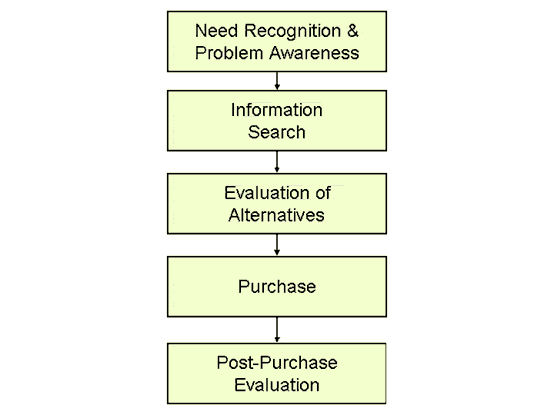
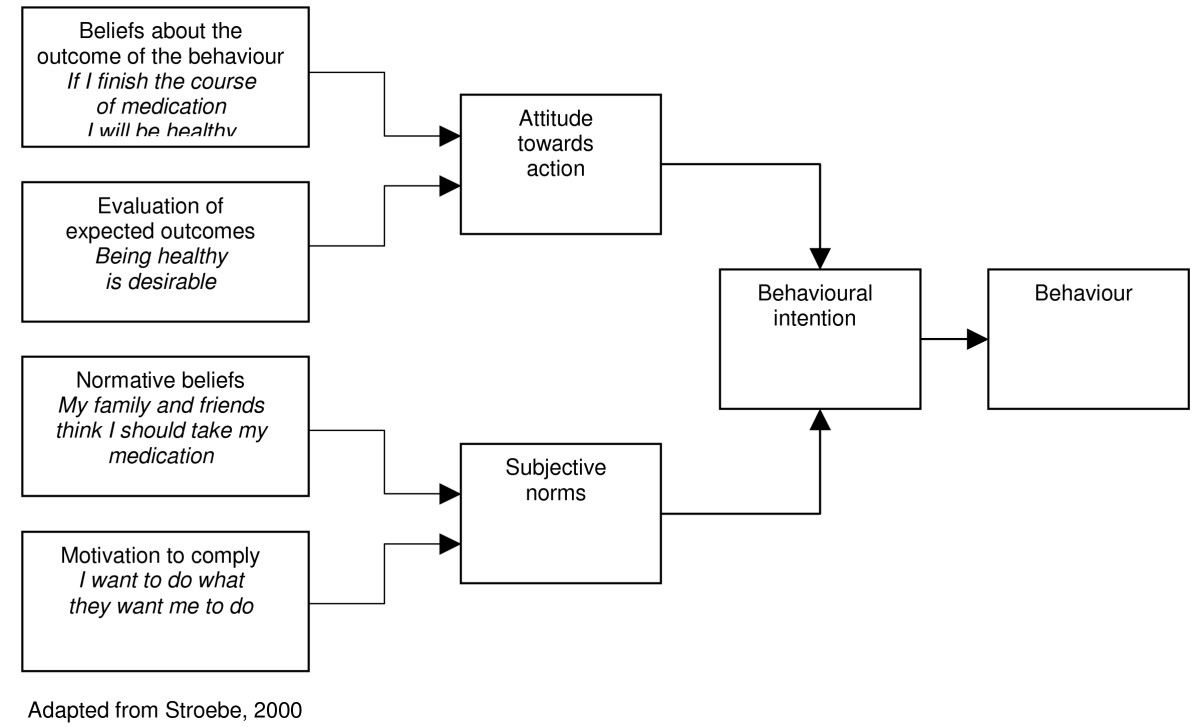
- Purchasing Decision Model
- The theory of reasoned action (TORA)
- Heuristics
- Simplified strategies/rules of thumb. Allow people to solve problems quickly, done something once, know what to do next time
- Needs
Personality
- Definition
- The inner psychological characteristics that both determine and reflect how a person responds to his/her environment
- Trait Theory
- Describing someone's personality. Something distinguishing about that person, linked to how consumers make their decisions of a broad product category
- Freudian Theory
- Unconscious needs or drives that are the heart of human motivation
- Id, Superego, Ego
- instinctual needs, internal awareness of societies moral code of conduct, conscious control of individual that is balancing factor of Id and Superego
- Self-concept
- The attitude a person holds towards himself or herself. People have more than one self-concept
- Definition
Images and files in the map
Information
- Description
- University Marketing 103 Mind Map on Marketing, created by Sophie Mulligan on 05/05/2015.
- Created by
- Sophie Mulligan
- Views
- 0
- Rating