
Mind map
Chemistry C1
Map content
Chemistry C1
Fundamental Ideas
- Atoms Elements and Compounds
- All substances are made from atoms
- Element- Made from one type on atom
- Chemical symbols represent atoms
- Compound- Made from more than one element
- Atomic Structure
- Nucleus made up of protons and neutrons
- Charge
- Protons- Positive Neutrons- Neutral Electrons- Negative
- Atoms have overall chrrge of 0
- Atomic number is equal to the number of protons
- Elements arranged on periodic table in order of proton number
- Mass number is sum of protons and neutrons
- So, Mass Number - Atomic Number = Number of Neutrons
- Arrangement of Electrons in Atoms
- Noble gases (Group 0) are very stable so are unreactive
- Electrons are arragned in shells around the nucleus
- Electrons fill from shell one first
- Shell one is closest to the nucleus
- Shell one holds 2 electrons, after that they hold 8
- Shell one is closest to the nucleus
- Electrons fill from shell one first
- Elements in the same group have same number of electrons in their outer shell
- Forming Bonds
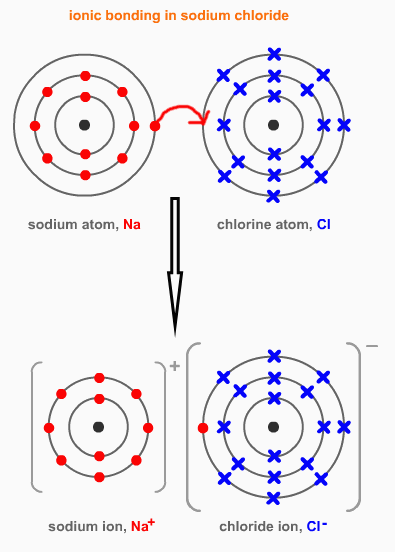
- Ionic bond
- Metals bond with non metals ionically
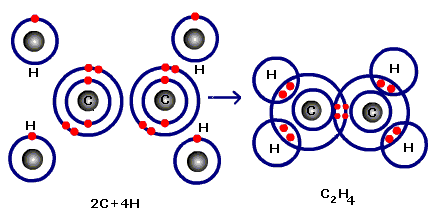
- Covalent bond
- Non metals bond covalently to form molecules (share)
- Ionic bond
- Chemical Equations
- During reactions, atoms get rearraged, but never created distroyed or changed
- Mass of Reactants = Mass of Products
- Word equations state the name of reactants and proucts, where as symbol equations give formulas
- Symbol equations should always be balanced
- Atoms Elements and Compounds
Rocks and Building Materials
- Limestone and its Uses
- Limestone is Calcium Carbonate (CaCO₃)
- Uses
- Building material
- Cement :powdered limestone
- Cement powder, sand, small rocks and water makes...
- Concrete
- Cement powder, sand, small rocks and water makes...
- Cement :powdered limestone
- To make calcium oxide (heat limestone get calcium oxide and carbon dioxide)
- Limestone decomposes when heated
- Thermal Decomposition
- Limestone decomposes when heated
- Building material
- Reactions of Carbonates
- Metal carbonates decompose when heated to produce the metals oxide and carbon dioxide
- Carbonate + Acid = Salt + Water + Carbon Dioxide
- Testing for carbon dioxide
- Carbon Dioxide turns Calcium Hydroxide (Lime Water) cloudy, by forming insoluble calcium carbonate
- Limestone Reaction Cycle
- Limestone/ Calcium Carbonate CaCO3
- 1. Thermal decomposition
- CaCO₃ -> CaO + CO₂
- Quicklime/ Carbon Oxide CaO
- 2. Hydration of calcium oxide/ + a little water
- CaO + H₂O -> Ca(OH)₂
- Slaked lime/ Calcium Hydroxide Ca(OH)2
- 3. Dissolving of calcium hydroxide to form calcium hydroxide solution/ + more water and filter
- Ca(OH)₂ + H₂O -> Ca(OH)₂ (aq)
- Lime water/ Calcium Hydroxide Ca(OH)2(aq)
- 4. Carbon dioxide added to form calcium carbonate precipitate/ + carbon dioxide
- Ca(OH)₂ + CO₂ -> CaCO₃ + H₂O
- Ca(OH)₂ + CO₂ -> CaCO₃ + H₂O
- 4. Carbon dioxide added to form calcium carbonate precipitate/ + carbon dioxide
- Lime water/ Calcium Hydroxide Ca(OH)2(aq)
- Ca(OH)₂ + H₂O -> Ca(OH)₂ (aq)
- 3. Dissolving of calcium hydroxide to form calcium hydroxide solution/ + more water and filter
- Slaked lime/ Calcium Hydroxide Ca(OH)2
- CaO + H₂O -> Ca(OH)₂
- 2. Hydration of calcium oxide/ + a little water
- Quicklime/ Carbon Oxide CaO
- Gives of Carbon Dioxide (CO2)
- CaCO₃ -> CaO + CO₂
- 1. Thermal decomposition
- Limestone/ Calcium Carbonate CaCO3
- Cement and Concrete
- Cement is made by heating clay and limestone in a kiln
- Product is then ground to a powder
- Mortar is made by mixing cement sand and water
- Concrete is made by mixing aggregate (small stones) into mortar
- Cement is made by heating clay and limestone in a kiln
- Limestone Issues
- Quarrying and processing Limestone
- Advantages
- More employment and local job oppurtunities
- Improved roads
- Increased trade
- Disadvantages
- Dust and noise Polution
- More traffic
- Loss of habitat
- Advantages
- Quarrying and processing Limestone
- Limestone and its Uses
Metals and their Uses
- Extracting Metals
- Metals are usually found in the Earth's crust, often as compounds with other elements such as oxygen
- Ore- Metal compound containing enough metal to make extracting it worth while
- Unreactive metals are found in the Earth as the metal (gold, silver)
- Metal oxides, where the metal is less reactive than carbon, can be extracted using carbon
- Metal oxide + Carbon -> Metal + Carbon dioxide
- Irons and Steels
- Iron oxides can be reduced in a blast furnace to produce iron
- Iron (III) + Carbon -> Iron +Carbon dioxide
- Blast furnace iron is too brittle to use
- Most iron is converted into an alloy, steel
- Steel (alloy of iron) contains calculated quantities of carbon and other elements. By changing these amounts we can change the properties of the metal
- Low carbon steel are easily shaped
- High carbon steel are very hard
- Stainless steel is corrosive resistant
- Steel (alloy of iron) contains calculated quantities of carbon and other elements. By changing these amounts we can change the properties of the metal
- Iron oxides can be reduced in a blast furnace to produce iron
- Aluminium and Titanium
- Titanium
- Titanium id displaced by sodium or magnesium which both have to be extracted by electrolysis
- Makes bodies of aircraft parts for jet engines an nuclear reactors and replacement him joints
- Aluminium
- Aluminium has to be extracted by electrolysis as its too reactive to be reduced by carbon
- An electric current past through molten aluminium oxide at high temperatures
- Makes: Saucepans, Drinks cans, bicycles
- Aluminium has to be extracted by electrolysis as its too reactive to be reduced by carbon
- Both
- Resist corrosion
- Lower densities than other strong metals
- Extraction is expensive due to the large amounts of energy needed
- Titanium
- Extracting Copper
- Most copper is extracted from ores by smelting
- Copper is then purified by electrolysis
- Copper rich ores are a limited resource so scientists are find new ways of sourcing copper
- Phytomining- Using plants to absorb copper compounds, which are collected from the plant's ashes
- Bioleaching- Uses bacteria to produce copper compound solutions
- Copper can be extracted from solutions by displacement or electrolysis
- Useful Metals
- Central block of periodic table are the transition metals
- Transition metals have useful properties such as being strong yet malleable
- Most metals we use are alloys
- Metallic Issues
- Recycling saves energy and limited resources
- Using metals in construction
- Disadvantages
- Uses limited resources
- Can rust
- More expensive than other materials
- Advantages
- Strong
- Malleable
- Ductile
- Good conductors of heat and electricity
- Disadvantages
- Extracting Metals
Crude Oils and Fuels
- Fuels from Crude Oil
- Crude oil is a mixture of many compounds
- Distillation separates a mixture of liquids
- Most of the compounds in crude oil are hydrocarbons- only contain hydrogen and carbon
- Alkanes are mainly in crude oil. Alkanes are saturated hydrocarbons, meaning there are as many hydrogen atoms as possible in the molecule
- Low melting and boiling point due to week intermolecular forces. the bigger the Alkane the bigger the intermolecular force the more energy needed to break the bonds making the melting/boiling point rise as a result. single bonds, unreactive, burns less cleanly/easily doesn't react with bromine water. CnH2n+2
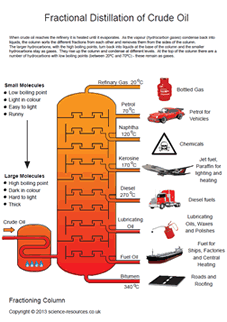
- Fractional Distillation
- Crude oil can be separated into fractions by fractional distillation
- Properties of these fractions depend on molecule size of hydrocarbon
- Fractions with lower boiling points are less viscous and more flammable These short chains will come out the top
- Burning Fuels
- Burning hydrocarbons in plenty of air produces carbon dioxide and water
- Burning hydrocarbons in a limited air supply causes incomplete combustion and may produce carbon monoxide and soot
- When burnt sulfur compounds (sulfur in the fuel) produce sulfur dioxide and nitrogen compounds form nitrogen oxides
- Both can cause acid rain
- Cleaner Fuels
- Normal fuels cause pollution sulfur dioxide and nitrogen oxides dissolve in droplets of water in the air and react with oxygen to make acid rain. Burning fossil fuels also creates carbon dioxide which is a green house gas
- Treating pollutants from combustion can remove substances like nitrogen oxides sulfer dioxide and carbon monoxide which can be done using a catalytic convert (only turns toxic gas into non toxic however the carbon dioxide produced still contribute to global warming
- Normal fuels cause pollution sulfur dioxide and nitrogen oxides dissolve in droplets of water in the air and react with oxygen to make acid rain. Burning fossil fuels also creates carbon dioxide which is a green house gas
- Alternative/Bio- Fuels
- Advantages
- renewable can replace fossil fuels
- Can be made from vegetable oils
- Ethanol is a biofuel as its made from plant sugar
- Hydrogen is a potential fuel for the future. As when its heated with oxygen it burn and only produces water
- Biofuel burns more cleanly making less harmful gases
- Becoming cheaper as fossil fuels run out
- Crops used absorb carbon dioxide making it CO2 neutral
- Waste product can be used to feed cattle and make soap
- Disadvantages
- Uses lots of farm land to grow fuel crops not food crops
- Habitats being destroyed to make way for farm land species could be endagerd
- May not work at low or high temperatures
- Advantages
- Fuels from Crude Oil
Products from Oil
- Cracking Hydrocarbons
- We can split large hydrocarbons up by..
- Mixing them with steam and heating them to a high temperature
- vapourizing the hydrocarbon and passing it over a hot catalyst
- Cracking produces saturated hydrocarbons (used as fuels) and unsaturated hydrocarbons (called alkenes).Alkenes react with bromine water turning it colourless
- Alkene (unsaturated hydrocarbon) has a double bond between two of the carbon atoms general equation is CnH2n low melting/boiling very reactive, burns very cleanly/easily causes bromine water to change from orange to colorless as it has a double bond CnH2n
- We can split large hydrocarbons up by..
- Making Polymers from Alkenes
- Plastics are made from Polymers
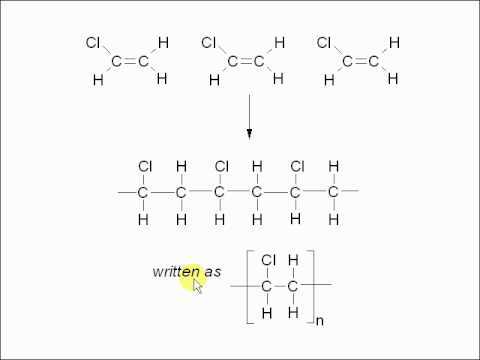
- Polymers are large molecules made when monomers (small, reactive molecules) join together. The reaction is called polymerisation
- Polymers are large molecules made when monomers (small, reactive molecules) join together. The reaction is called polymerisation
- Plastics are made from Polymers
- New and Useful Polymers
- Polymers can be designed to have certain properties for specific jobs. smart polymers properties can be changed by light temperature or other changes in the environment E.G light sensitive plaster once exposed to light becomes less sticky
- Plastic Waste
- Biodegradable plastic can decompose by microorganisms in the soil. to make this possible the plastic is made from plant material such as cornstarch (the starch helps it to decompose)
- Ethanol
- Hydration: Ethene reacts with steam in presence of a catalyst to get Ethanol.This process needs Ethene which is non renewable as its extracted from crude oil which is a raw material
- Fermentation : Fermenting sugar (glucose) using enzymes in yeast makes Ethanol and carbon dioxide. Thia process is renewable as its made from plant material
- Cracking Hydrocarbons
Plant Oils
- Extracting Vegetable Oil
- Pressing
- collect seeds in combine harvester- taken too factory- crushed and pressed to extract oil- impurities removed from oil
- distillation
- Plants put in water and boiled - oil and water evaporate together and collected when condensed - impurities removed
- Vegetable oils as foods and fuels
- very important provide: nutrients (vitamin E), lots of energy (good biofuels and biodiesel)
- Unsaturated oils have a double carbon bond (C=C) this can be detected as if we add bromine water to the oil if it becomes colouless it is unsaturated
- Pressing
- Cooking with Vegetable Oil
- High boiling point which increases energy content (more fatty)
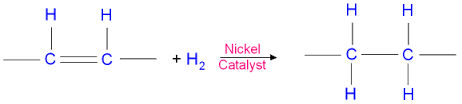
- vegetable oils can be hardened by adding hydrogen which increases their melting points making it possible to spread them
- To harden vegetable oils you react it with hydrogen(H2) add a nickle catalyst at 60 degrees to produce a hydrogenated oil
- To harden vegetable oils you react it with hydrogen(H2) add a nickle catalyst at 60 degrees to produce a hydrogenated oil
- Everyday Emulsions
- oils don't dissolve in water
- Oils can disspers throughout the water to create an emulsion which have special properties
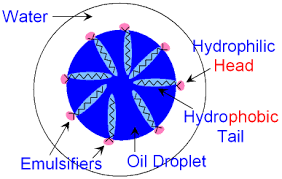
- Emulsifiers work because one part of it is attracted to water (hydrophilic part) the other oil (hydrophobic part) which stops them separating in to two layers.which can make fatty foods more appetising, taste better and last longer
- Emulsifiers work because one part of it is attracted to water (hydrophilic part) the other oil (hydrophobic part) which stops them separating in to two layers.which can make fatty foods more appetising, taste better and last longer
- Oils can disspers throughout the water to create an emulsion which have special properties
- oils don't dissolve in water
- Food Issues
- Vegetable oils are high in energy and provide nutrients making them healthier than animal fats and hydrogenated vegetable oils
- Emulsifiers make fatty foods more tempting
- Extracting Vegetable Oil
Our Changing Planet
- Structure of the Earth
- Crust mantle core(inner/outer)
- Restless Earth
- Plate tectonics (convection currents moving the plates)
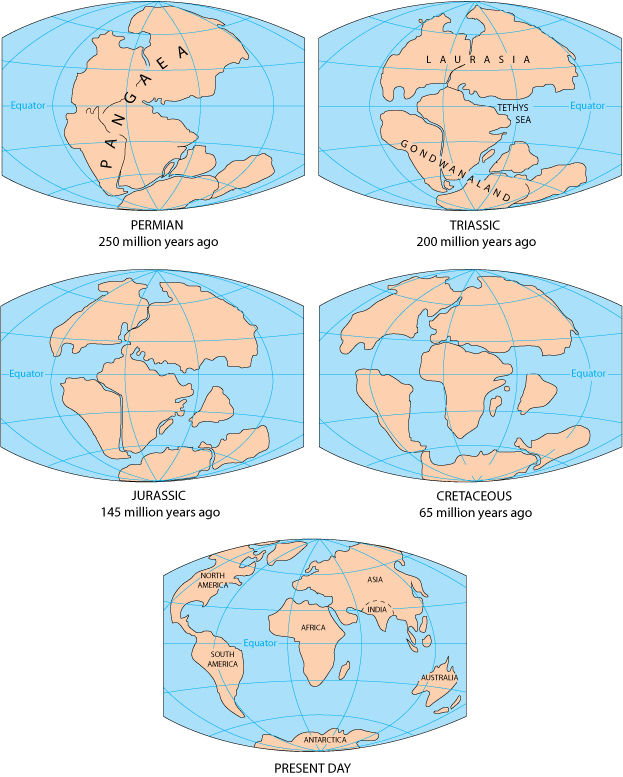
- Wegner's theory:continents big puzzle was once all together called pangea and drifted on the plate appart
- Evidence
- fossil evidence similar fossils found on different continents
- contries fitted together well
- Evidence
- Wegner's theory:continents big puzzle was once all together called pangea and drifted on the plate appart
- Plate tectonics (convection currents moving the plates)
- Earth's Atmosphere in the Past
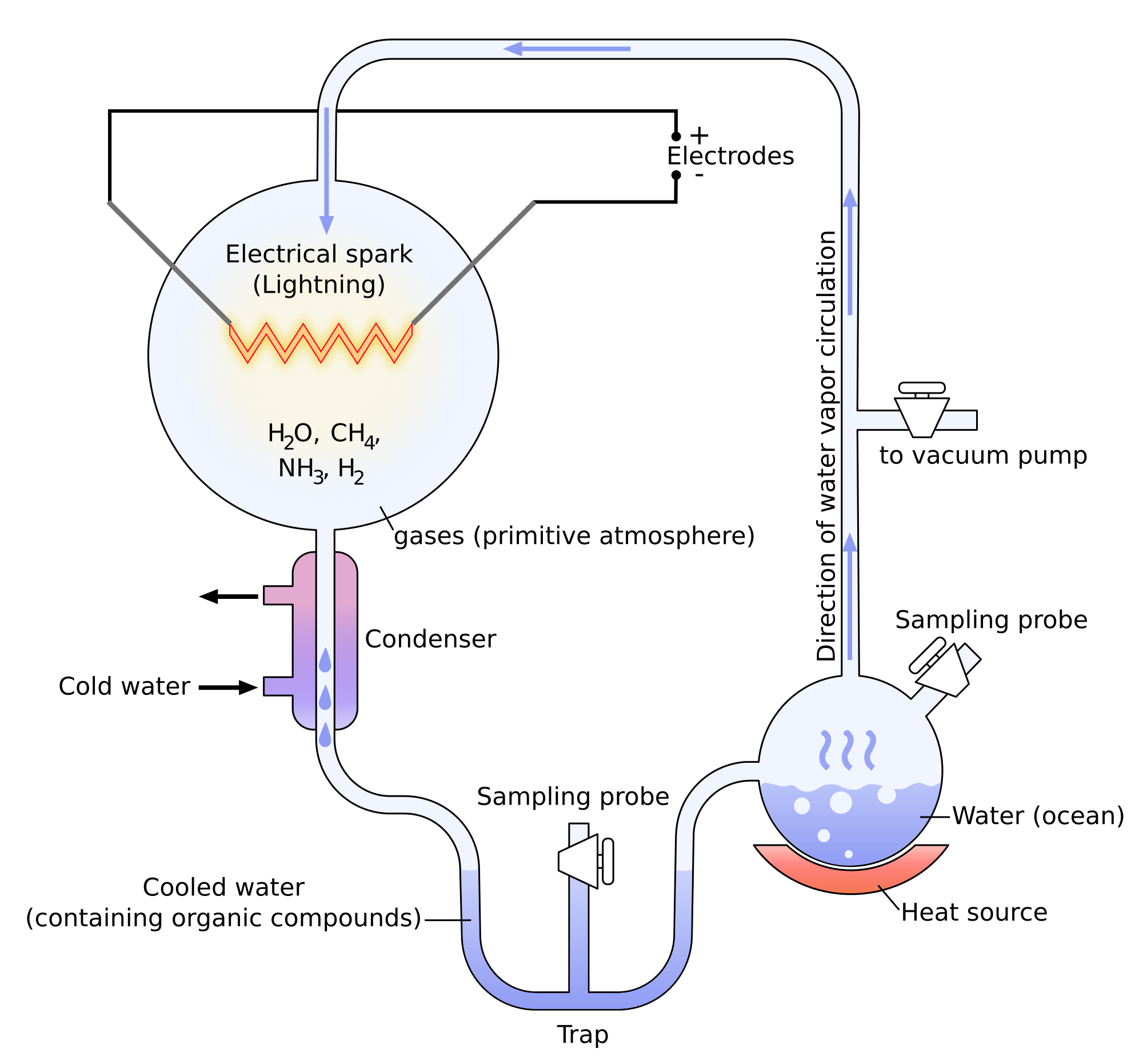
- Volcanoes release carbon dioxide, water vapour and nitrogen gas to form early atmosphere
- Water vapour condensed as earth cooled down making it rain forming oceans. Atmosphere consisting of mainly carbon dioxide with traces of water vapour, methane and ammonia with little or no oxygen
- Simple organisms arise feeding of other chemicals. the bacteria evolves into algae getting energy from sun. The plant produces oxygen atmosphere contained lots of oxygen many earlier microorganism but new species could evolve
- Water vapour condensed as earth cooled down making it rain forming oceans. Atmosphere consisting of mainly carbon dioxide with traces of water vapour, methane and ammonia with little or no oxygen
- Volcanoes release carbon dioxide, water vapour and nitrogen gas to form early atmosphere
- Life on Earth
- Gases in the Atmosphere
- The main gases in the earths atmosphere are oxygen (20%) and nitrogen (80).
- Fractional distillation can separate main gases which can be used in indusry
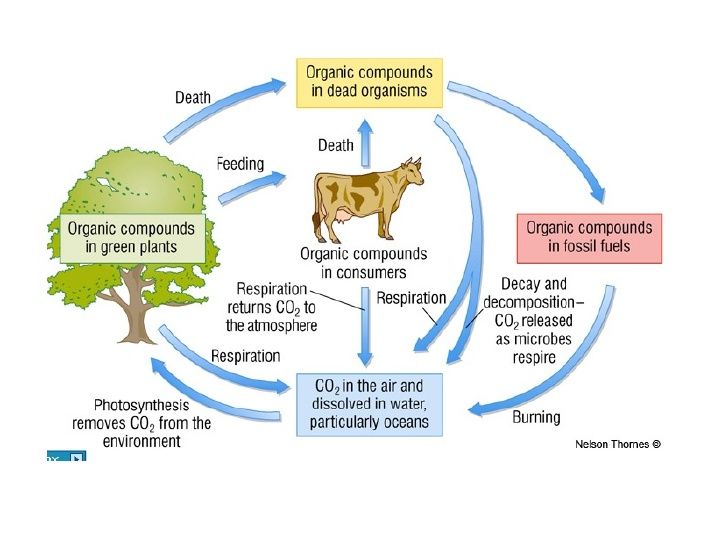
- Carbon dioxide in the atmosphere
- Structure of the Earth
Images and files in the map
Information
- Description
- Mind Map on Chemistry C1, created by Luke Whelan on 25/11/2015.
- Created by
- Luke Whelan
- Views
- 0
- Tags
- History
-
- Created by Phoebe Drew · Nov 25, 2015
- Copied by Luke Whelan · Nov 25, 2015
- Rating