
Mind map
To Kill A Mockingbird
Map content
To Kill A Mockingbird
SETTING
- CH2: School & the Education System
- microcosm of Maycomb; introduces community dynamics
- How does Lee use satire here?
- 'meditating upon my crime' - reading the crime; analysing
- 'your father does not know how to teach'
- Key quotations
- How does this chapter give us a better sense of life in Maycomb at this time?
- Characterisation of Miss Caroline
- children learn more outside of the classroom than inside; life experiences give better knowledge
- Courtroom
- CH2: School & the Education System
THEMES / GENRE
- Growing Up
- Becoming A Lady
- Racism
- Morality: truth, evil, courage
CHARACTERISATION
- Aunt Alexandra
- Atticus Finch
- Calpurnia
- Black community
- Zeebo = SON
- Dill
- a summer-only friend rather than a local boy = time indicator; we are aware that another year has passed and this also forces the reader to notice the development of Jem, Scout and Maycomb
SYMBOLS / MOTIFS
- Mockingbirds
- Light & Dark
NARRATIVE VOICE
- Retrospective novel in the POV of grown up Scout
- theme of growing up is developed (hindsight)
- Some parts in POV of child Scout
- Characters developed in relation to Scout's understanding of them; biased
- Retrospective novel in the POV of grown up Scout
CONTEXT
- American Civil War (1861-65)
- civil war came close to destroying union
- slavery at heart of war (war of life + caused tensions between states
- USA torn in two and was never more divided: 'brothers fighting against brothers'
- northern states won - 'underdog won war'
- changed the face of the USA
- southern states - defensive, sense of pride, bitterness of war, Maycomb = in denial + isolated
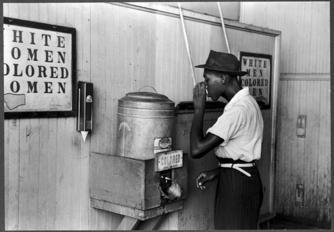
- Jim Crow Laws (1890) ('separate but equal')
- mandated the segregation of public schools, public places and public transportation; and the segregation of restrooms, restaurants and drinking fountains for whites and blacks
- Examples:
- unlawful for a negro and white person to play together or be in company with each other
- unlawful for any white prisoner to be handcuffed or otherwise chained or tied to a negro prisoner
- no coloured barber shall serve as a barber to white women or girls
- marriages are void when one party is a white person and the other is possessed of one-eighth or more Negro, Japanese, or Chinese blood
- separate free schools shall be established for the education of children of African descent; unlawful for any coloured child to attend any white school, or any white child to attend a coloured school
- all railroads carrying passengers... shall provide equal but separate accommodations for the white and coloured races
- Examples:
- mandated the segregation of public schools, public places and public transportation; and the segregation of restrooms, restaurants and drinking fountains for whites and blacks
- Harper Lee
- Her father was a lawyer (Amasa Lee) - inspired Atticus Finch; he defended two black men, and she idealised him
- Tom Robinson case inspired by Scottsboro trial
- Truman Capote (inspired Dill) said there was a recluse (inspired Boo Radley) on their neighbourhood street
- Mum called Francis Cunningham; treated with affection, positively though of
- Grew up in Monroeville => Maycomb
- Moved to New York which is where Scout moves to
- Harper Lee made herself a recluse
- Gun Laws & Attitudes
- The first real gun control law was passed at the Federal level in 1934, the National Firearms Act
- Law passed due to gang warfare violence in the era
- These restricted and regulated the possession of machine guns, short-barreled rifles and shotguns, explosives and the like
- Guns able to be bought and sold through mail, in hardware stores, department stores, etc.
- As "base" as gun control laws would ever be
- No background checks, no paperwork, 12 yr old carrying their 22s into the woods for hunting or plinking w/ friends
- The first real gun control law was passed at the Federal level in 1934, the National Firearms Act
- Southern Hospitality
- Southern Belle
- Antebellum Period - based on the young, unmarried woman in the plantation-owning upper class of Southern society
- sentiment of south, ideal; nostalgia to Pre-Civil War; harking back to past = better time
- antebellum fashion elements: a hoop skirt, a corset, pantalettes, a wide-brimmed straw hat, and gloves
- not tanned; gentile; demure; pure; chaste
- 'ladies put on their hats to go across the street'; challenged by Lee
- expected to marry respectable young men, and become ladies of society dedicated to the family and community
- AA's desire to be a motherly figure; performing role
- characterised by Southern hospitality, a cultivation of beauty, and a flirtatious yet chaste demeanour
- Antebellum Period - based on the young, unmarried woman in the plantation-owning upper class of Southern society
- A cake or other delicacy is often brought to the door of a new neighbour as a mechanism of introduction
- food part of culture; expected at all social functions
- When a death or serious illness occurs, neighbours, friends, and church members generally bring food to the bereaved family for a period of time
- importance of food in both black and white communities; food given to Atticus by blacks
- Proper etiquette (i.e. calling one "Sir" or "Ma'am", opening doors for women, men removing hats when in the presence of a woman, cooking enough for everyone who might be around at mealtime
- Outsiders often view southern hospitality customs as disingenuous or fake, but Southerners see customs as a way to make the visitor feel as comfortable as possible in an unfamiliar setting
- A masquerade designed to cover deficiencies in southern culture, such as slavery, discrimination, and widespread poverty
- A reflection of the deeply held religious beliefs
- Southern Belle
- American Civil War (1861-65)
KEY QUOTES
- 'The doors of the Radley house were closed on weekdays as well as Sundays' - p16
- 'his eyes popped and he drooled most of the time' - p19
- 'Your folks might be better'n the Cunninghams but it don't count for nothin' the way you're disgracin' 'em' - p30
- 'Jem was a born hero' - p45
- 'Someone inside the house was laughing' - p47
- 'Don't say nigger Scout. That's common.' - p81
- 'Before I can live with other folks I've got to live with myself. The one thing that doesn't abide by majority rule is a person's conscience.' p111
- 'They got their church and we got our'n' - p125
- 'There was indeed a caste system in Maycomb' - p136
- 'Look at all those folks, it's like a Roman carnival.' - p165
- 'I seen that black nigger yonder ruttin' on my Mayella' - p179
- 'He's the same in the courtroom as he is in the public street' - p205
- 'It was Jem's turn to cry...' 'It ain't right' - p218
- 'It's like bein' a caterpillar in a cocoon that's what it is...' - p221
- 'Those are twelve reasonable men in everyday life To's jury, but you saw something come between them and reason.' - p226
- 'The Radley place had ceased to terrify me.' - p248
- 'Just standing on the Radley porch was enough.' - p265
Created/Written in 1930s; Published in 1960
IMPORTANT CHAPTERS/SCENES/EPISODES
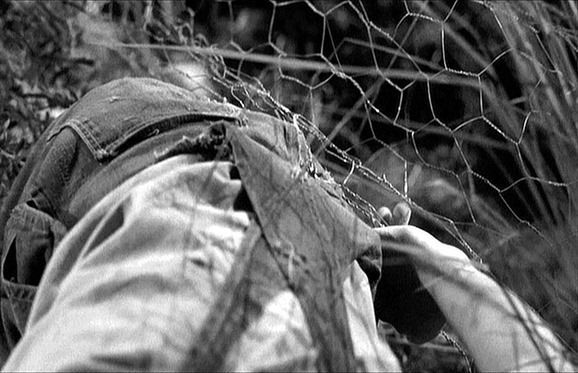
- CH7: Jem's Trousers
- Tension + speed => starts slowly and speed increases, starts fasts and stops suddenly
- the shadow is Boo Radley as he's always there but not visable
- The knothol was filled with cement by Nathan Radley because the tree was dying as well as, to prevent Boo from giving gifts to Jem and Scout and socialising. He could either be trying to protect himself, protect Boo or oppress Boo
- Boo mended Jem's trousers because he sympathised with Jem's anguish
- the children understand this incident as scary as their unfounded fear of Boo has blinded them from seeing what the reader sees - Boo trying to befriend the children by stitching the pants; the pants were 'crooked', but 'folded', showing his care and efforts
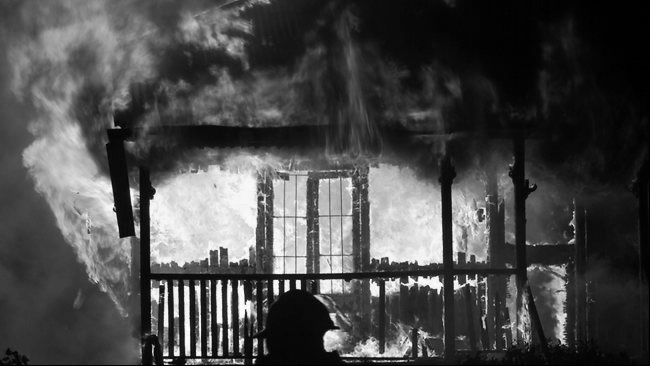
- CH8: Fire & Ice
- Binary oppositions - black smoke vs white snow; working class vs middle class
- Gothic genre imagery - supernatural, red vs black, evil vs purity
- Foreshadows the Tom Robinson case
- Snow connotations = set in stone South, stubborn
- Fire connotations = change, development
- Foreshadows dangers to come - children exposed to danger imminently, truths of South revealed to young, perceptions change
- Maycomb is ill-prepared - town's infrastructure not prepared for fire, trucks brought from two other towns ; law unable to handle what's happening (critique);
- fire in dark is more ominous than dog in day
- 'fire silently devoured Miss Maudie's house'
- 'fire spewing from Miss Maudie's dining-room windows'
- CH10: Tim Johnson & One Shot Finch
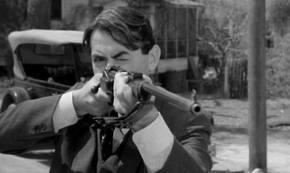
- Atticus - 'deadest shot', 'One shot Finch'
- Tim Johnson and Tom Robinson - similar names, killed unjustly
- Scout hits Francis but learns physical violence is not necessary to fight battles and stops her tendency to fight at school
- Scout is proud of father despite his age - once thought he was just an old man, but now he is a lot more; grown + reshaped opinion of father thanks to Miss Maudie and Heck
- 'I swear to God'
- 'I don't care, I'm gonna tell 'em'
- 'ran...pounded...sprinted' => urgency vs calm, Cal shows the fear of town in situation
- Lee thickens narrative time out by drawing out drama and awaiting actions
- 'Nothing is more deadly than a deserted, waiting street'
- 'time slowed towards a nausiating crawl'
- 'the trees were still, the Mockingbirds were silent' - eery, echoes Maycomb description, bird imagery ('sin to kill a Mockingbird'), precious objections silent = ominous
- 'I haven't shot a gun in thirty years'
- 'Sweet Jesus help him'
- 'advancing at a snail's pace' - juxtaposition, cause for concern
- slow tone that jerks into action - slower with expectation of action (mirrors Tom Robinson case)
- Crucial structurally - happens 2 chapters before Pt2, resembling death of Tom => highlights town's reaction to danger, irregularities and threats to their way of life
- Tim (collective desire to remove from society); Tom (varied responses) - killed for no reason 'didn't know what happened to him'; animal treated w/ more dignity
- Sets Atticus on a pedestal - want him to win case; raises expectation; makes loss of case worse; solved problem w/ Tim but not race (can cope in children's world w/ Tim, unable to cope in adult world)
- Tim = Bob - dangers to children, protected by community
- Happens just before Mrs Dubose - shows community Atticus defends (heroically w/ gun + in defense of Dubose); both dog + Dubose in pain - Atticus removes dog but exposes children to Dubose, juxtaposition of courage ('One-shot Finch' = protection w/ gun vs. fighting w/ illness = private + personal)
- Missionary Tea
- Ending: Sense of Closure?
- CH12: First Purchase
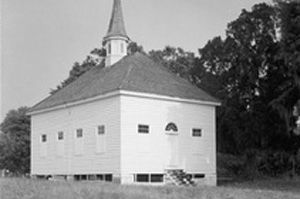
- 'The churchyard was brick-hard clay, as was the cemetery beside it... with crumbling tombstones' - poverty, all the same as it was all they could afford, can't repair, long-living, held generations of unanswered prayers
- 'newer ones were outlined with bright colored glass and broken Coca-Cola bottles' - positive celebration in culture, make most of experience as opportunity to do so is few; poverty; Coca-Cola = american dream
- 'It was a happy cemetry' - oxymoron = shared community; hope; death not necessarily a bad thing, better than present
- 'warm bittersweet smell of clean Negro' - life of black person; 'bitter' = inferiority; 'sweet' = hope, community; 'clean' = compliment, contradictory to what most white people expect, assumption of dirt leads to awe, condescension
- 'the men stepped back and took of their hats...They parted and made a small pathway to the church door for us' - respectful, men to children even though they're older as they're inferior, segregation upheld within church
- 'they got their church, we got our'n' - Jim Crows laws that Scout and Jem were breaking; forced segregation integrated into everyone's minds
- 'It's the same God, ain't it?' - religion disregards race and is a unifying force
- 'First Purchase was unceiled and unpainted within...its walls unlighted kerosene lamps hung' - bare minimum, dull, simple, modest vs 'the familiar ecclesiastical impendimenta', make do, no need to show faith with materials; attempts of adornment not sustained, no money, no light = no hope, integration is far from reach
- 'God Is Love' - 3 simple words explain everything the black people have + live with to cope with their lives
- 'Miraculously on pitch, a hundred voices sang out Zeebo's words.' - exemplifies the strong community, stronger than the white community even with problems
- CH9: Finch's Landing
- foreshadows Atticus' lack of reaction to Bob Ewell's spitting; lack of violence
- insight into Scout's family
- gender discrimination - fighting is not 'lady-like'; hypocrisy (southern etiquette not followed by Francis as a man)
- southern identity - Finches return to Landing at Christmas, heritage, where Atticus is from (own pathway made, left landing to sister)
- CH7: Jem's Trousers
Images and files in the map

Information
- Description
- GCSE English Mind Map on To Kill A Mockingbird, created by T Mason on 05/03/2016.
- Created by
- T Mason
- Views
- 2
- Rating