
Flashcards
Chapter 2 flash Cards

Flashcards do conjunto (58)
- 1Neurosis"an emotional disturbance (pg. 29)"
- 2Hysteria"an illness in which there were physical symptoms but no physiological basis -today known as conversation disorders
(pg. 30)" - 3Catharsis"emotional release
(pg.31) "
- 4Unconscious Process"forces of which a person is unaware
(pg. 31)" - 5Wishes"Ideas of thoughts that would be repressed unconsciously
(pg. 32)" - 6Repression"the blocking of a wish or desire from consciousness (pg. 32)"
- 7Free Association"when a patient is asked verbalize whatever come to mind no matter what (pg. 32)"
- 8Slips" bungled acts; a slip of the tongue, slip of the pen... (pg. 33)"
- 9Overdetermined"having more than one meaning or explanation (pg. 33)"
- 10Dreams" the royal road to the unconscious
(pg. 34)" - 11Manifest Dream" the dream as it is remembered the next morning (pg.34)"
- 12Latent Dream" the meaning or motive underlying the manifest dream (pg. 34)"
- 13Libido" the emotional and psychic energy derived from the biological drive sexuality testifies to this shift in this thought (pg. 36)"
- 14Drive" a psychological character of mental process is
- 15Source"a feature of drive; the bodily stimulus or need (pg. 36)"
- 16Impetus"a feature of drive; the amount of energy or intensity of the need (pg.36)"
- 17Object"a feature of drive; the person or object in the environment through which the aim may be satisfied (pg. 36)"
- 18Aim"a feature of drive; its goal and purpose (pg. 36)"
- 19Psychosexuality"used to indicate the totality of elements included in the sexual drive (pg.36)"
- 20polymorphous perverse"a child who actively seeks pleasure from many areas of the body (pg. 37)"
- 21autoerotic"sexual activity of children; they seek pleasure from their own bodies rather than another body (pg.37)"
- 22erogenous zones"areas of the body that provide pleasure (pg. 38)"
- 23psychosexual stages" when different erogenous zones are important, children move from autoeroticism to reproduce sexuality and develop their adult personalities (pg. 37)"
- 24Oral stage" the first stage which lasts from birth to the approximately age one; during this time the major source of pleasure and potential conflict is the mouth (pg.38)"
- 25Anal stage" the second stage which occurs in the second year of life; all major sources of pleasure and potential conflict is activities involving the anus (pg.38)"
- 26Phallic stage"the fourth stage which occurs between ages 3- 6; pleasurable and conflicting feelings associated with the genital organs (pg.39)"
- 27Castration anxiety"fearing the physical retaliation from a person in particular by losing a penis (pg.40)"
- 28Electra complexthe same thing as castration anxiety just for females (pg. 41)
- 29Penis envy" the disappointment and shame that they feel a man feels upon viewing the 'superior' penis (pg. 41)"
- 30Latency Period"the fifth stage in which there is a period of comparative sexual calm from 7 until puberty; psychic forces develop that inhibit the sexual drive and narrow its direction (pg. 41)"
- 31Genital Stage"the sixth stage in which this stage emerge at adolescences when the genital organs mature (pg. 41)"
- 32Id"the core of out being; the oldest and original function of the personality and the the basis of the ego and superego (pg. 43)"
- 33Pleasure Principle"refers to seeking immediate tension reduction (pg. 43)"
- 34Primary Processes" a way in which the id seeks to reduce tension (pg. 44)"
- 35wish fulfillment" present in newborns, in our dreams, and in hallucinations of psychotics (pg. 44)"
- 36Ego"emerges in order to realistically meet the wishes and demands of the id in accordance with the outside world (pg. 44)"
- 37Reality principles" satisfying the id's impulses in an appropriate manner in the external world (pg. 44)"
- 38Secondary processes" the cognitive and perceptional skills that help and individual distinguish between fact and fantasy (pg. 44)"
- 39Superego" the innermost core (pg. 44)"
- 40Conscience"the capacity for self-evaluation, criticism, and reproach
- 41Ego- ideal" an ideal self- image consisting of approved and rewarded behaviors (pg. 44)"
- 42Reality anxiety"refers to the fear of a real danger in the external world (pg. 46)"
- 43Moral anxiety" the fear of the retributions of one's own conscience (pg. 46)"
- 44Defense mechanisms" procedures that ward off anxiety and prevent our conscious perception of it (pg.46)"
- 45Repression" blocking a wish or desire from expression so that is cannot be experience consciously or expressed directly in behavior (pg. 46)"
- 46Denial" refusing to acknowledge an unpleasant reality or fact of life
(pg. 47)."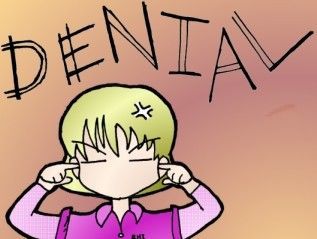
- 47Projection" the unconscious attribution of an attitude or behavior onto someone or something
else in the environment (pg. 47). " - 48Reaction Formation"express an impulse by its opposite
(pg. 47)." - 49Regression" the person moves backward in time to a stage that was less anxious and had fewer responsibility (p. 48)."
- 50Rationalization" involves dealing with an emotion impulse analytically and intellectually in order to avoid feeling it (pg. 48)."
- 51Identification"reduces anxiety by modeling our behavior on that of someone else (pg. 48)."
- 52Displacement" a shift in our impulse onto another object (pg. 48)"
- 53sublimation" re-channeling an unacceptable impulse into a more socially desirable outlet
(pg. 48)." - 54Transference" a process whereby the patient transfer to the analyst emotional attitudes felt as a child toward important persons (pg. 49)."
- 55Positive Transference"friendly affectionate feelings toward the physician(pg. 49)."
- 56Negative Transference" the expression of two hostile, angry feeling (pg. 49)."
- 57Unconscious" unable to verbalized (pg. 52)."
- 58neuropsychoanalytic research" combines neurological objective study of the brain with psychoanalytical introspective study of the mind (pg. 53)."
Informações
- Descrição
- Psychology FlashCards sobre Chapter 2 flash Cards, criado por Natalie Gayles em 18-01-2017.
- Criado por
- Natalie Gayles
- Visualizações
- 3
- Avaliação