
Mapa mental
C1
Conteúdo do mapa
C1
The Evolution of the Atmosphere
- Phase 1
- 1. The earths surface was moulton,so the atmosphere boiled away
- 2. The earth cooled down a bit - thin crust formed
- 3. Volcanoes erupted and gave out gases including CO2, water vapour and nitrogen (atmosphere - formed)
- 4. Oceans where formed when the water condensed when the Earth cooled
- Phase 2
- 1. Green plants evolved
- 2. CO dissolved into the oceans, plants took in the CO2 and produced Oxygen through photosynthesis
- Phase 3
- 1. The oxygen levels increased and killed off organisms that could not evolve - created more complex organisms
- Phase 1
The Atmosphere today
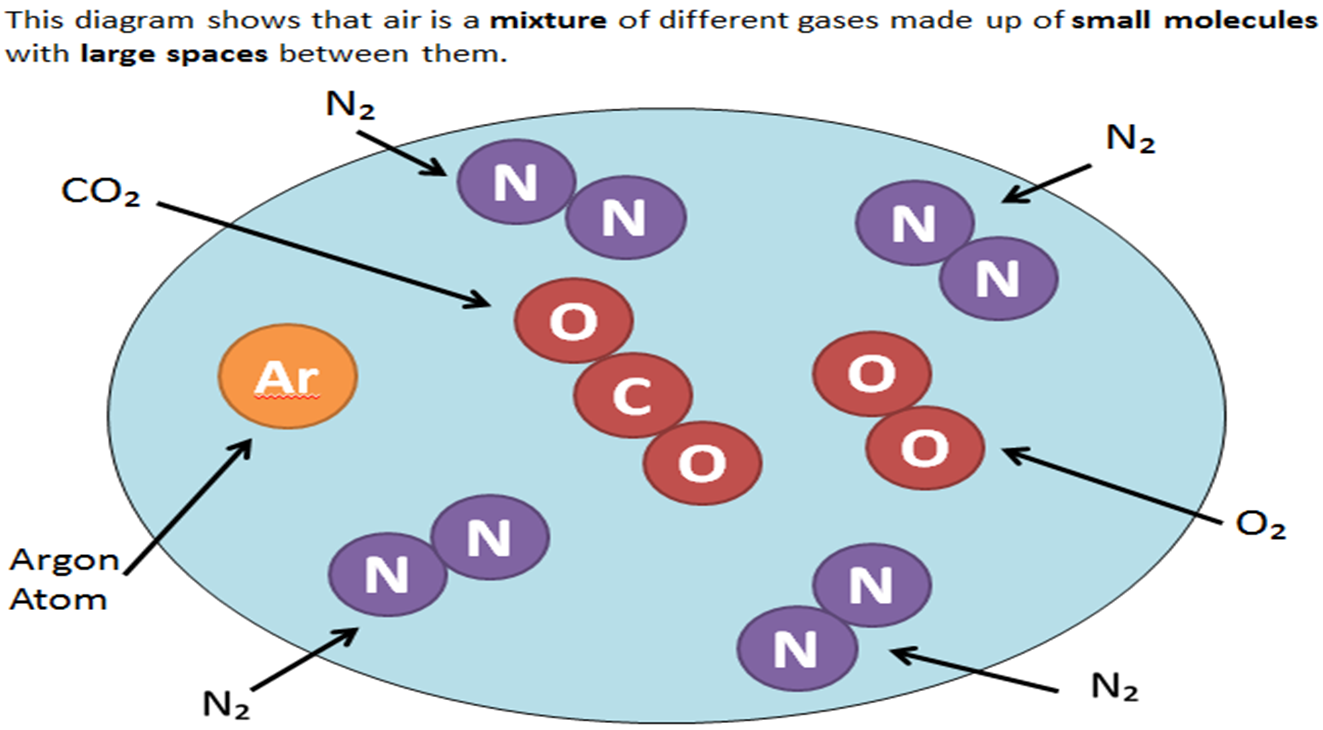
- Nitrogen -78% Oxygen- 21% Argon-1%
- Human activicty adds pollutats to the atmosphere
- Directly harmful
- e.g - carbon monoxide which creates flu like symptoms and eventually death
- Indirectly harmful
- e.g- acid rain - kills fish - people eat
- Directly harmful
Chemical Reactions
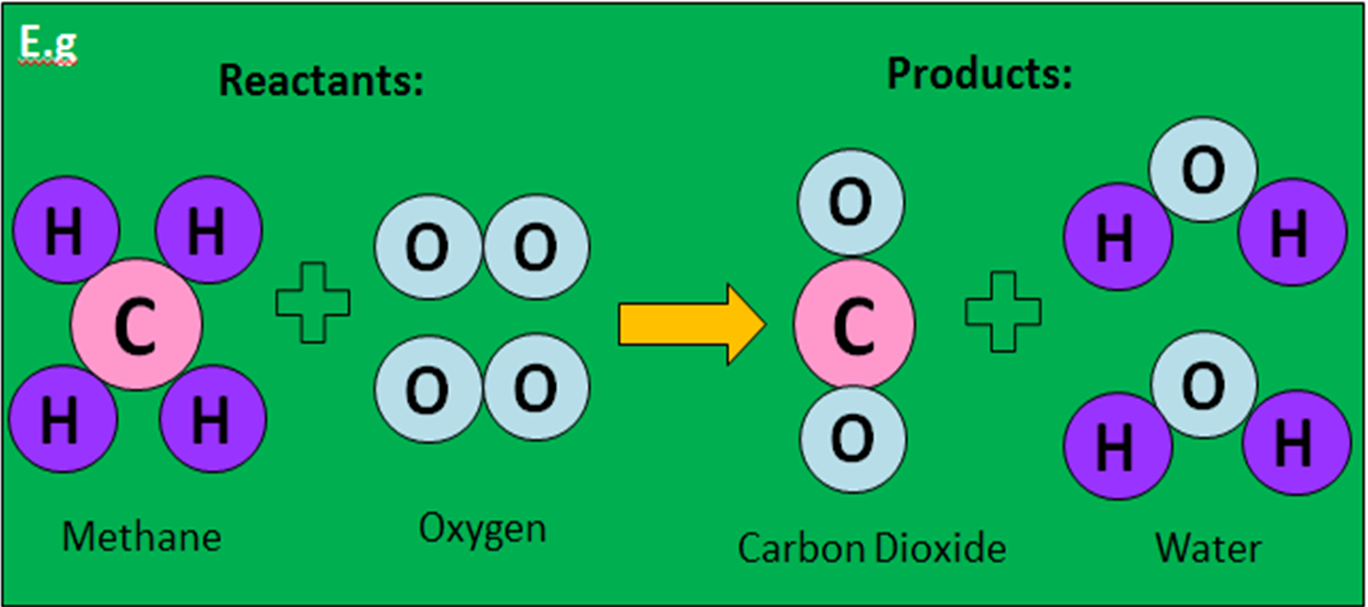
- Diagrams can represent molecules
- Chemical reactions happen when Atoms are Rearranged
- Chemical reactions involve atoms changing places
- No atoms disappear
- No mass is lost
- The mass of the reactants = mass of products
Fossil Fuels
- Hydrocarbons
- Most fuels are hydrocarbons - carbon+hydrogen=hydrocarbons (a compound)
- Many hydrocarbons are fossil fuels
- Burning fuels
- e.g- when hydrocarbon burns, hydrocarbon atoms in the fuel combine with oxygen atoms in the air to make hydrogen oxide
- Reaction where oxygen is added is an oxidation reaction e.g combustion
- Reaction where oxygen is lost are called reduction reactions
- Oxygen is needed to burn hydrocarbons - can come from air or pure oxygen
- Hydrocarbons burn more rapidly in pure oxygen than they do in air
- Hydrocarbons
Air Pollution
- Carbon
- Carbon Dioxide
- Stays into the atmosphere till removed
- Removed naturally by photosynthesis
- Increases Carbon Dioxide increases the greenhouse effect, warming the earth
- Carbon Monoxide
- The molecule has 1 oxygen atom
- Produced by incomplete burning - not enough oxygen when fuels burn
- Poisonous
- Particulate Carbon
- Produced when fuels burn incompletely
- When they escape to the atmosphere they float around and fall to the ground eventually as soot
- Carbon Dioxide
- Sulfur
- Sulfur pollution comes from impurities in fuels
- fuels contain impurities from when they are extracted
- Most are harmless but some have sulfur
- When the fuel is burned sulfur burns too
- Sulfur + oxygen = sulfur dioxide
- fuels contain impurities from when they are extracted
- Sulfur pollution - Acid Rain
- 1. Stays in atmosphere
- 2. Leaves in the form of acid rain
- 3. Sulfur dioxide reacts with cloud moisture - dilute sulfuric acid is formed
- 4. Falls as acid rain
- 5. Causes lakes to become acidic - kills animals & plants, damages buildings and status and kills trees
- Sulfur pollution comes from impurities in fuels
- Nitrogen
- Nitrogen pollution comes from nitrogen in the air when a fuel is burnt
- 1. fossil fuels burn at high temps so nearby atoms in the air react with each other
- 2. Nitrogen + oxygen = Nitrogen Oxides (nitrogen monoxide/dioxide)
- 3. Happens in car engines
- 4. Put into the atmosphere
- Nitrogen monoxide
- NO
- Forms when nitrogen and oxygen in the air are exposed to high temps
- Nitrogen Dioxide
- NO₂
- Formed when Nitrogen monoxide reacts with more oxygen
- Nitrogen pollution comes from nitrogen in the air when a fuel is burnt
- Carbon
Reducing Pollution
- Power Stations
- Use less electricity
- Less fossil fuels - less pollution
- 1.Take sulfur out from natural gas and fuel oil - not so much sulfur dioxide
- 2.When coal is burnt, sulfur dioxide and particulates can be removed from flue (chimney) gases
- Sulfuric acid can be removed from flue gases by reacting with alkali - wet scrubbing
- 1. Seawater - sulfur dioxide dissolved in seawater, produces C02, H20 and dissolved sulfate
- 2. Alkaline Slurry - Slurry is sprayed onto the gases and the sulfur dioxide reacts with calcium oxide. Calcium sulfate is formed.
- Sulfuric acid can be removed from flue gases by reacting with alkali - wet scrubbing
- Use less electricity
- Cars
- More efficient engines
- Catalytic converters, convert nitrogen monoxide into nitrogen and oxygen . Reduction reaction - nitrogen loses oxygen
- Also convert toxic gas Carbon Monoxide into C02 by adding oxygen - oxidation reaction
- There's a legal limit on how much polluting emissions can be given out from cars (MOT checks)
- Use car less
- Other options to power cars other than fuel
- Burn biofuels
- Electric batteries
- Power Stations
Imagens e arquivos do mapa
Informações
- Descrição
- Mapa Mental sobre C1, criado por nicolej em 02-03-2014.
- Criado por
- nicolej
- Visualizações
- 15
- Avaliação