
Notas
Biology 1.6
Conteúdo das notas (1)
Página 1
Defence mechanisms
non-specific
do not distinguish between pathogens
-barriers like skin
-phagocytosis
specific
unique response to each pathogen
-cell-mediated response
-humoral response
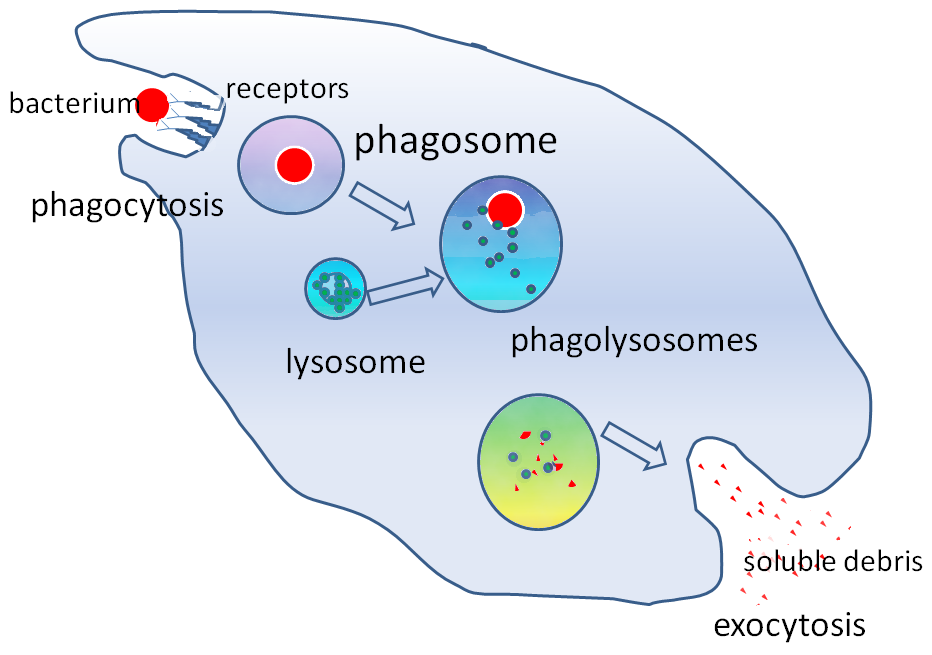
Phagocytosis
Chemical products of pathogen act as attractants
Phagocytes attach to pathogen
Phagocyte engulfs pathogen and forms a phagosome
Lysosomes fuse with phagosome
Lysosomes release lytic enzymes which break down pathogen
soluble products are absorbed into cytoplasm
Insoluble products released out of the cell by endocytosis
https://www.youtube.com/watch?v=7VQU28itVVw (Incorporar)
T cells and Cell-mediated Immunity
-Phagocytes that have engulfed pathogens show the pathogen's antigens on their surface
-Infected body cells show antigens
-Cancer cells show antigens
1.Receptors on T helper cells fit onto antigens
2.This activates other T cells to divide by mitosis
3.The T cells ...
develop into memory cells
stimulate phagocytosis
stimulate B cells to divide
kill infected cells by making pores in membrane
B cell and Humoral Immunity
1.Surface antigens of pathogen are taken up by B cells.
2.B cells present antigens on their surface.
3.T helper cells attach to B cells and activate them.
4.The B cells are activated to divide by mitosis into plasma cells and memory cells.
Plasma cells
Secrete antibodies
Only survive for a few days
Antibodies attach to antigens and cause agglutination or lysis of pathogens.
Memory cells
Survive for decades
Stay in the blood stream and stimulate a secondary immune response which involves fewer processes so is more rapid.
T cells are lymphocytes that mature in the Thymus gland.
It is called cell-mediated immunity because it is stimulated by the antigens on the surface of body cells not pathogens
Antigenic variability
Antigens are always changing. Therefore Immunity is not possible.
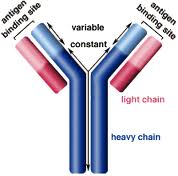
Antibodies
Four polypeptide chains
Two heavy chains (longer)
Two light chains (shorter)
A region which is the same in all antibodies(constant)
A region which is unique(variable)
Monoclonal Antibodies
A single type of antibody that is extracted and cloned.
-Separating a chemical from a mixture
-calculating amount substance in a mixture
-cancer treatment
-transplant surgery
Passive Immunity
Introduction of antibodies into
individuals. Antibodies are not manufactured by that individual. Immunity is temporary.
Active Immunity
Antibodies are produced by the individual so immunity is permanent.
A successful vaccine
Economically available in large quantities
Few side-effects if any
Means of producing,storing and transporting
Means of administering vaccine properly
Possible to vaccinate the vast majority
Why vaccination may not work
Fails to induce immunity in some
Individuals may develop disease immediately after vaccine
Pathogen may mutate frequently
Too many varieties of one pathogen
Certain pathogens 'hide' from body in cells or in small intestine
Individuals may have objections to a vaccine
Problems with cholera
Cholera is an intestinal disease and not easily reached by immune system
Antigenic variability
Mobile populations
Problems with Tuberculosis
HIV lead to many people with defective immune systems
Mobile populations who have poor accommodation
Larger proportion of elderly people
Phagocytosis
Specific defence
Immunity
Informações
- Descrição
- A level Biology (Unit 1) Notas sobre Biology 1.6, criado por Olivia22 em 12-04-2013.
- Criado por
- Olivia22
- Visualizações
- 711
- Tags
- Avaliação