
Notas
Eyewitness Testimony (EWT) - created from Mind Map
Conteúdo das notas (1)
Página 1
3 Stages
Encodes into LTM details of event
Witness retains information for a period of time. Memories may be lost or modified
Witness retrieves memory from storage
Accuracy
Loftus and Palmer (1974)
To see if leading questions affected accuracy
Estimated speed was correlational to the severity of the adjective
'Critical question'
Factors that influence accuracy
Anxiety
Age of witness
Weapon focus
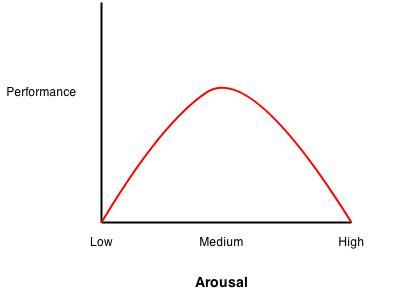
High and low levels of anxiety impact EWT badly
Curvilinear relationship
Yerkes-Dodson Law (1908)
Arousal may focus the witness on more central details than peripheral details
Loftus et al (1987)
Suggested that the weapon distracted attention from the person holding it
Explains why some EWT have poor recall for violent crimes
Age differences
Own age bias
Parker and Carranza (1989)
Yarmey (1993)
Memon et al (2003)
Compared primary students and college students
Task was to identify target in a mock crime
Kids had higher rate of choosing, but were more likely to make errors
Stopped 651 adults and asked them to recall a young women
Found no significant difference between age
Studied accuracy between 16-33 and 60-82
When the delay was short 35mins) there was no difference
When the delay was longer (2weeks) the older witnesses were much less accurate
Superior memory for faces within age group
Anastasi and Rhodes (2006) used 3 age groups (18-25, 35-45, 55-78)
All age groups were most accurate with identifying their own
Shown photographs that'd fit within each age group
Eyewitness Testimony (EWT)
Informações
- Descrição
- A Levels Psychology Notas sobre Eyewitness Testimony (EWT) - created from Mind Map, criado por kati.lombardi em 13-05-2014.
- Criado por
- kati.lombardi · mai 2014
- Atualizado
- 31 out 2016
- Visualizações
- 130
- Histórico
-
- Criado por kati.lombardi · 13 mai 2014
- Copiado para Nota por kati.lombardi · 13 mai 2014
- Avaliação