
enzymes
Slides in this set (5)
-
-
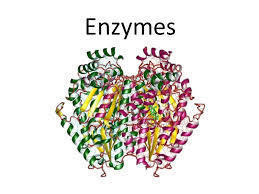
- Enzymes are CATALYSTS produced by living things
- A catalyst to remind you, is a substance that increases the chemical rate of reaction without making any change to itself
- These reactions can be sped up more by applying heat, therefore changing the conditions that they can react in
- If the temperature goes to high however, they will start to denature (basically melting but don't say that in the exam, use the fancy biology word)
- Ill explain that bit more further on
-
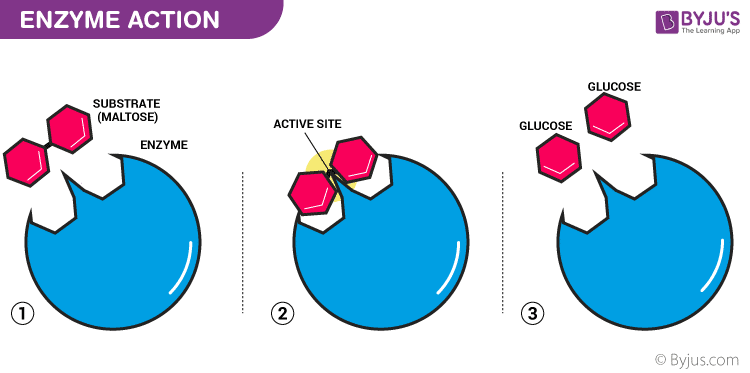
- Enzymes break down larger molecules into smaller molecules.
- For example AMYLASE takes a starch chain, and breaks it down into sugars
- this is how it happens:
- A substrate will enter the active site of an enzyme
- the reaction will then cut the substrate in half,
- therefore creating smaller molecule
- Its almost like a key in a lock
-
Temperatures effect upon an enzyme
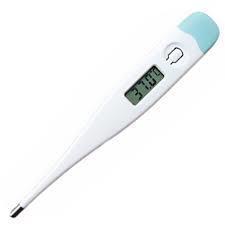
- Changing the temperature can have a positive and negative effect upon enzymes
- If you apply enough temperature to get it to the perfect heat of 37.5 degrees, The enzymes will work a lot faster (like a catalyst)
- If you apply to much heat and push it too far, the enzymes will begin to denature and break down, causing the reaction speed to drop
-
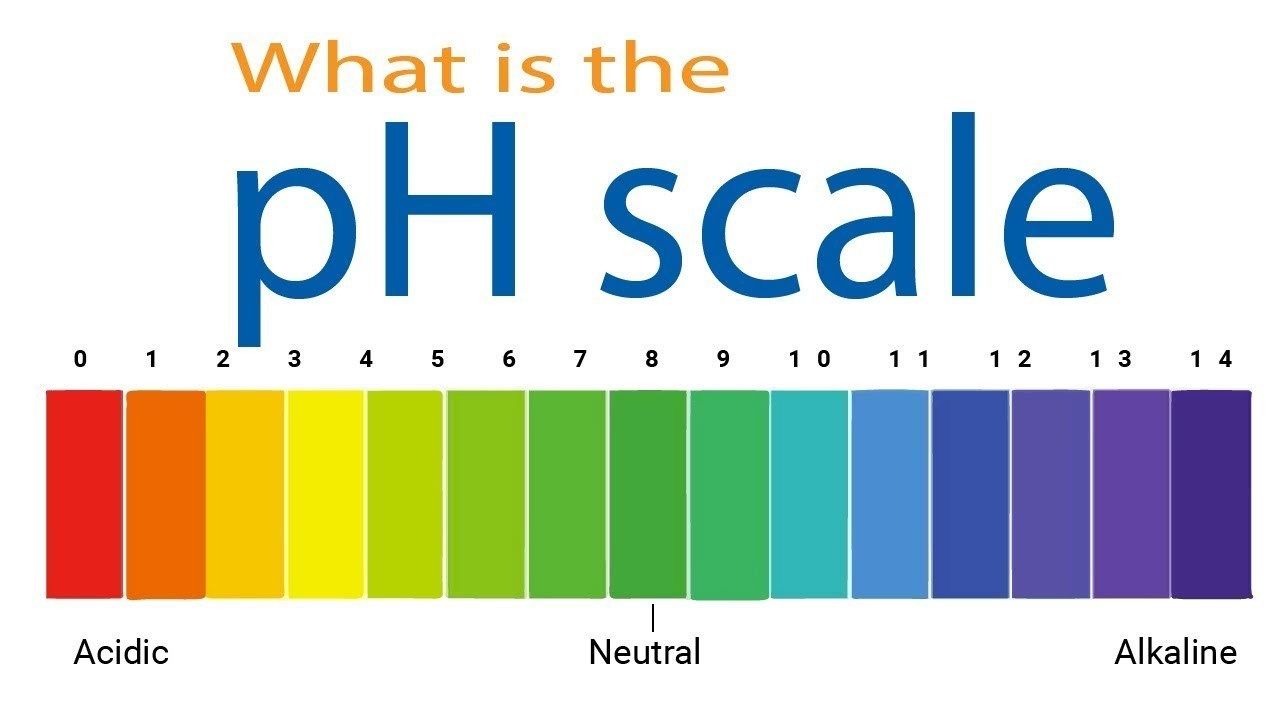
- pH can also change the effect of enzymes
- If it is too high or too low, the pH messes with the bonds holding the enzymes together.
- This again denatures the active site of the enzyme, meaning it can't carry out its function any more
- The optimum pH for enzymes is neutral 7, but not all the time
Information
- Description
- Biology Slide Set on enzymes , created by Finn Noble on 24/03/2019.
- Created by
- Finn Noble
- Views
- 0
- Rating