
Natural Selection
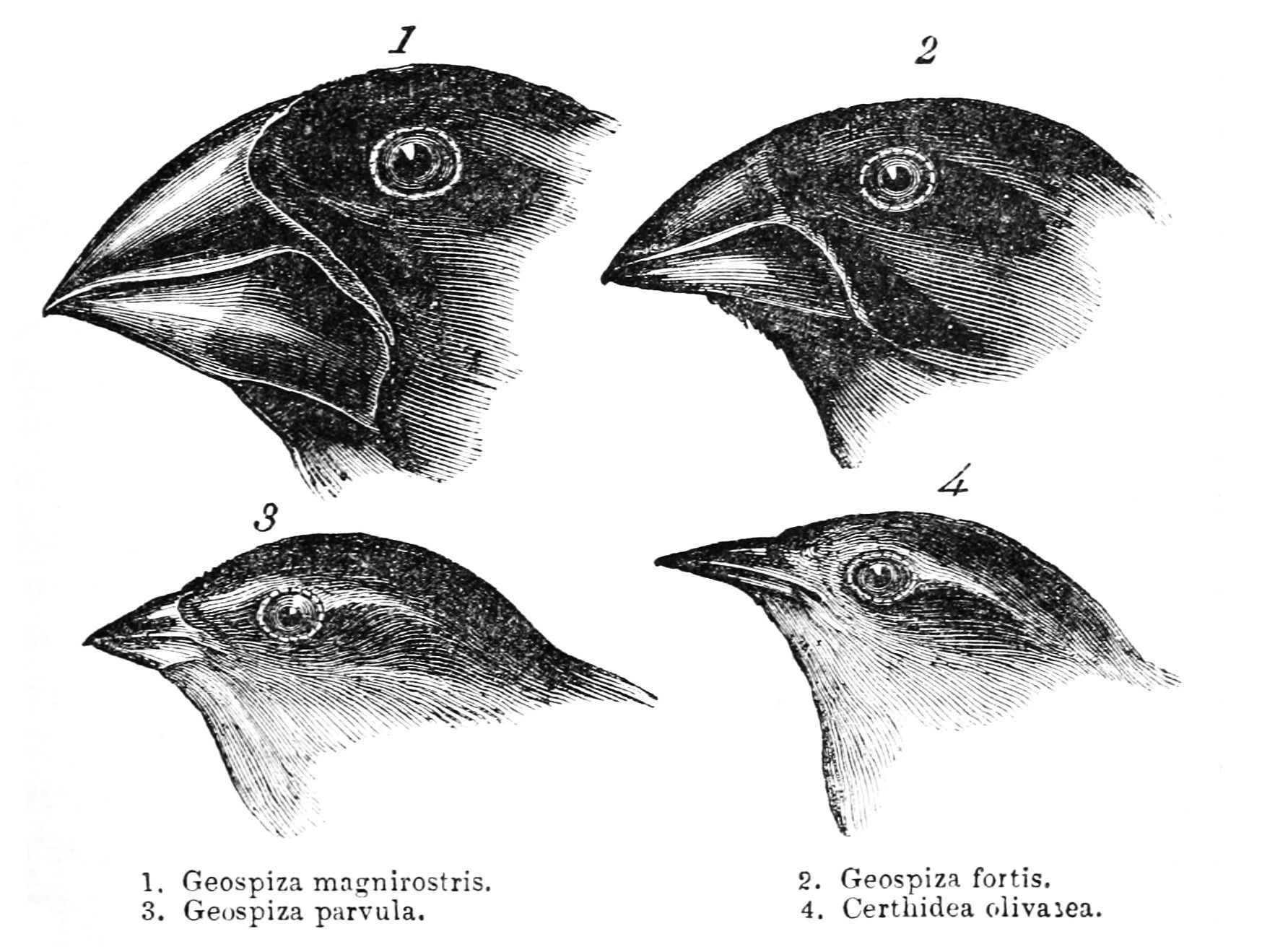
Slides in this set (4)
-
- For most species (and for our own species in many places and for most of its history) the chances of surviving to repordce are small. Usually, only those organism best adapted (suited) to their environment (surroundings) survive long enough to reproduce.
- How well the organism is adapted to its environment is largely determined by its genes, or better, by the particular alleles of genes it possesses. And because of the above point about survival, only those alleles which make their organism well-adapted will get passed on to the next generation during reproduction. It follows that, over the course of generations, the percentage of these alleles in a population will increase, other alleles will decrease, and the population will become better adapted to its environment.
- This process is called natural selection and it was used by Charles Darwin to explain evolution: the change in species over time.
-
- Evolution is the change, or development, of species over time. The fossil record shows us that evolution has occurred over the millions of years for which there has been life on our planet. Fossols preserve a record of plants and animals which were alive in the distant past. Many of those (most famously the dinosaurs) are now extinct, while others, including our own group the mammals, have appeared relatively recently. So clearly life has changed over time: it has evolved.
-
- The naturalist Charles Darwin (1809-1882) did not invent the idea of evolution. By the time he began his research in the 1830s, most biologists already realized that evolution was happening. Darwin's genius was to hit upon natural selection as the mechanism whereby evolution occurs.
- When Darwin entered the fray with his book The Origin of Species in 1859, most biologists accepted the mechanism for evolution proposed by the French naturalist, Jean-Baptiste Lamarck (1744-1829). Lamarck believed that improvements to an organism developed during its life were passed on to its offspring. So, for example, if a person trains very hard as an athlete during their teens and twenties, their improved athleticism will be passed on to their children, who will be naturally better athletes.
- Darwin denied this. He claimed that only the genes get passed on, not the effect of the training. In the above example: he believed that children would only be naturally better athletes if they inherited a good set of athletic genes from their parents. How hard their parents had trained is irrelevant.
- Many investigations have since proved Darwin right and Lamarck wrong.
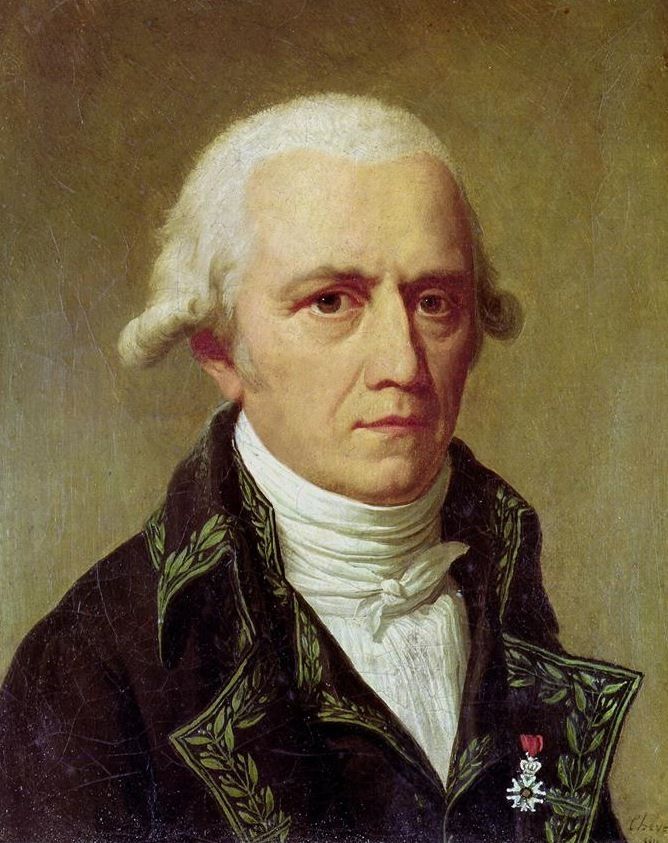
- Caption: Jean-Baptiste Lamarck (circa 1802)
-
- Darwin's successful theory is best called "evolution by natural selection". He put it like this:
- Organisms always produce far more offspring than are needed just to replace the previous generation. This leads to fierce competition between the offspring for scarce resources: a struggle for existence.
- As a result of random changes (which we now trace to mutation of the genes to produce new alleles) these offspring differ from each other: they show variation.
- Only the best-adapted offspring survive long enough to reproduce: the survival of the fittest. We say they have a selective advantage.
- So only the best-adapted features are passed on to the next generation, who on average will be better adapted to the environment than the preceding one.
- This theory can be used to explain three puzzling things about species:
- A species will automatically become well-adapted to the environment in which it finds itself, and will remain so.
- If the environment changes, producing a change in selection pressure, the species will automatically evolve (change) to suit the new conditions.
- If a species gets split into two sections where the environment is different, the two sections will evolve differently and eventually become two separate species. This process is called speciation.
- Biologists think that these three mechanisms have between them been responsible for the evolution and diversification of life from the first primitive organism to the rich variety of life we have on earth today.
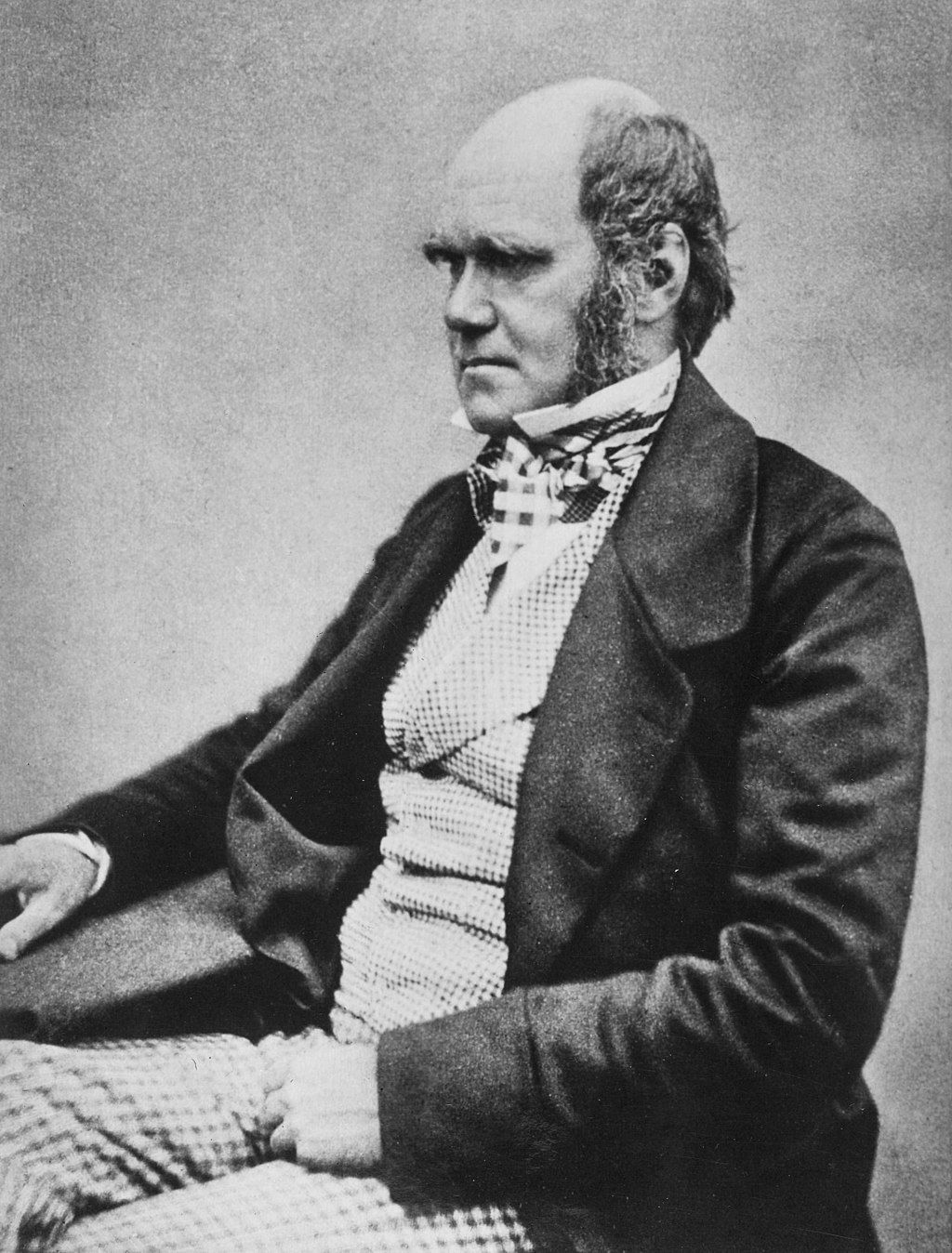
- Caption: Charles Darwin (circa 1854)
Information
- Description
- Year 10 Biology Slide Set on Natural Selection, created by William Sowden on 11/01/2021.
- Created by
- William Sowden
- Views
- 1
- Rating