
Mindmap
Approaches & Methods for language acquisition
Inhalt der Mindmap
Approaches & Methods for language acquisition
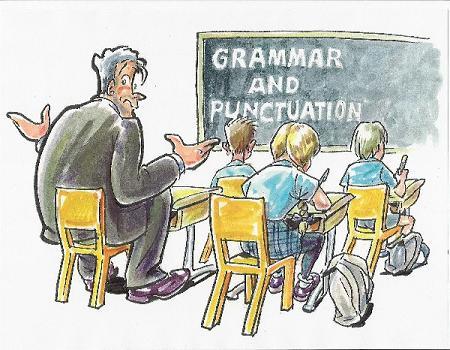
Grammatical Approach
- Grammar- Translation Method
- Focused on language rules
- Memorization of vocabulary
- Application of language rules & exception to vocabulary to translate written text
- Isolated sentences
- Complex texts
- Not for meaning
- Focus was on grammatical accuracy
- Students native language is not used
- Focused on knowing about a language instead of emphasizing how to use the language for intended purpose, communication.
- Thought that students first language "interferes" with new language acquisition and that both languages are structured differently; syntax rules can cause confusion
- Memorization of language rules & sentence patterns
- Nouns
- Verbs
- Conjuctions
- Adjectives
- Pronouns
- Possessive
- curriculum is sequenced and methodical
- Instruction is isolated from meaningful context
- Drills & practice focus on sentence structure
- Agreement rule
- Idiomatic usage
- Does not provide comprehensible input
- Strategies: Drills & practice Rote memorization
- Techniques: Dialogue, Repetition, Mnemonics, Kinetics
- Memorization of language rules & sentence patterns
- Thought that students first language "interferes" with new language acquisition and that both languages are structured differently; syntax rules can cause confusion
- Direct Method
- Replaced Grammatical- Translation Method
- Less focus on grammar rules & structure
- Focus on repetition & memorization of L2 patterns
- Vocabulary is taught in context through dialog and choral response
- Inferred grammar through exposure of carefully sequenced, guided instruction of L2
- Teacher models & student practices language patterns
- The goal is to internalize grammatical patterns
- Teacher models & student practices language patterns
- Students native language is not used
- Translation is discouraged
- Objects, photos, diagrams,& drawings used to help comprehension
- Replaced Grammatical- Translation Method
- Audiolingual Method
- Material presented though dialogue
- Consistent teacher feedback
- Acquisition is "habit" formed
- Thought that second language would become a habit through drills and dialogue which would develope language structures
- Language acquisition through memorization & recall of L2 language patterns
- Thought that second language would become a habit through drills and dialogue which would develope language structures
- Grammatical structures & vocabulary are taught in a highly sequential manner
- Skills are sequenced- listening, speaking, reading, & writing
- Use of L1 is permitted by teacher only
- Material presented though dialogue
- Grammar- Translation Method
Communicative Approach
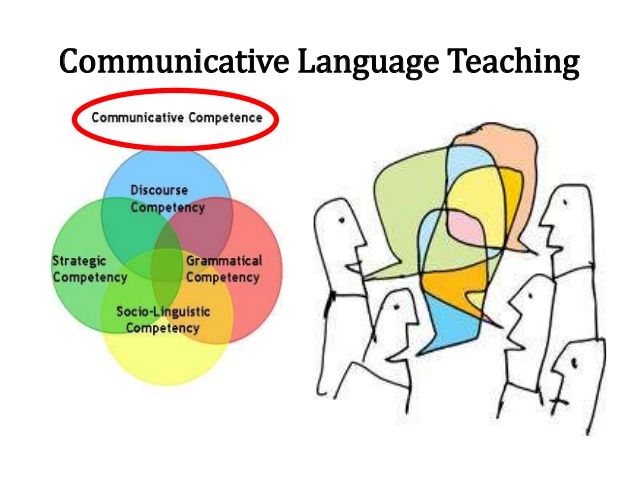
- Focus on learning second language through communication & for communication
- Communication for purpose
- language embedded in social contexts
- Provides context for authentic communication
- Language occurs when comprehensible input is received
- language rich environment
- Student creates & tests language hypotheses through interactions in authentic, language-rich, low-anxiety language acquisition environments
- student centered/ teacher facilitated language instruction
- Strategies: Scaffolding, Gaurded Vocabulary, Cooperative learning, Hands-on activities
- Techniques: Reduced use of idioms, Manipulatives & realia, Simulations/ Big books, Heterogeneous grouping
- Strategies: Scaffolding, Gaurded Vocabulary, Cooperative learning, Hands-on activities
- student centered/ teacher facilitated language instruction
- fosters second language acquisition methods & strategies that mirrored the way the first language was learned
- focus on communication rather than rules
- Silent Way Method
- Student observes: What did you witness?
- Teacher silence is suppose to encourage student initiative, language production, & linguistic interaction
- L1 not used
- Focus on pronunciation & word flow
- Listening, speaking, correction
- Student observes: What did you witness?
- Natural Way or Natural Approach
- Comprehension precedes production
- Natural progression leads to production in stages
- Goals guide instruction
- Speaking, reading, & writing
- Activities designed to lower affective filter
- Teacher creates meaningful communication
- Teacher modifies the language to language learners comprehension level
- Teacher creates meaningful communication
- Suggestopedia Method
- Emphasis on learner personality & motivation to knowledge
- What can be learned intuitively & spontaneously
- Create relaxing, stress-free learning environment
- Music playing in background
- Visual aids to suppprt meaning of text
- Student can use L1
- Translation of text in L1- then reread text in L2
- Converse, retell, & role play
- Translation of text in L1- then reread text in L2
- integrated Content-Based Method
- Collaborative planning, thematic units
- Emphasis on content & language objectives across curriculum
- integration of content & language objectives into one lesson
- Sheltered Instruction Method
- Hands on application
- social interaction
- Cooperative learning
- Gaurded vocabulary
- Visual support
- Integrate content & language objectives into the same lesson
- Grade level content/ teacher scaffolds instruction
- Provides comprehensible language input & modified grade level instruction
- Grade level content/ teacher scaffolds instruction
- Hands on application
Cognitive Approach
- Discovering, recognizing, conceiving, judging, reasoning, & reflecting
- Active learning process
- Social interaction
- Active learning process
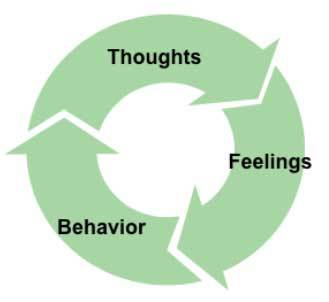
- Focus on student thought process
- Metacognition (thinking about thinking)
- Reflection of knowledge
- Access background knowledge
- Calaboration with parents
- Emphasis on background, interactions, memory, knowledge, thinking, process, as foundations for language acquisition success in the academic context
- Scaffolding Instruction
- Meaningful & relevant language instruction
- Strategies: Cooperative learning, Explicit LS instruction, Maximizing content & language objectives
- Techniques: KWL, Questioning, Word wall, Outlines
- Strategies: Cooperative learning, Explicit LS instruction, Maximizing content & language objectives
- Meaningful & relevant language instruction
- Scaffolding Instruction
- CALLA Method
- Enrich the language that CLD student uses for academic communication
- Focus on topics from the major content areas, development of academic language skills, & explicit instruction in learning strategies
- Listening, speaking, reading, & writing
- Intentional focus on CALP development in L1 & L2 as related to content areas
- Focus on prior knowledge
- Intentional focus on CALP development in L1 & L2 as related to content areas
- Strategies emphasized on cognitive, metacognitive, & social/ affected strategies
- Active learning
- Discovering, recognizing, conceiving, judging, reasoning, & reflecting
Bilder und Dateien der Mindmap
Informationen
- Beschreibung
- Approaches & Methods for EBs
- Erstellt von
- mtyler12008
- Aufrufe
- 88
- Tags
- Bewertung