
Mind map
Methods, Approaches, and Strategies for EB Students
Map content
Methods, Approaches, and Strategies for EB Students
Metacognitive strategies
- learners follow steps while learning to self regulate: - plan/organize - monitor/identify problems - evaluate tasks - manage learning
- Example: Completing a STEM activity using a graphic organizer to follow the steps listed above (click page icon to see example)
- https://docs.google.com/document/d/1_J5rikQ55qInynzKfPje1YtzK5sx8KHWQ5OU4Mmmo-Y/edit?usp=sharing
- Example: Completing a STEM activity using a graphic organizer to follow the steps listed above (click page icon to see example)
- learners follow steps while learning to self regulate: - plan/organize - monitor/identify problems - evaluate tasks - manage learning
Task Based Strategies
- cognitive, affective, memory, social, and sensory strategies are all apart of this strategy using CALLA method
- Students use prior knowledge and senses to complete activities depending on the learner's preference
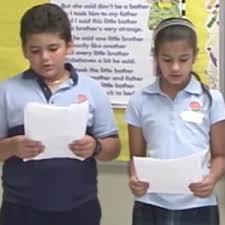
- Example: Using Reader's Theatre to read a passage; making a flow chart of organized information; using prior knowledge and inquiry to learn more about a topic using KWL charts
- Example: Using Reader's Theatre to read a passage; making a flow chart of organized information; using prior knowledge and inquiry to learn more about a topic using KWL charts
- Students use prior knowledge and senses to complete activities depending on the learner's preference
- cognitive, affective, memory, social, and sensory strategies are all apart of this strategy using CALLA method
5 Principles of Go-To Strategies
- Principle 1: Focus on academic language, literacy, and vocab
- Principle 2: Link prior knowledge and culture
- Principle 3: Increase comprehensible input and output
- Principle 4: Promote classroom interaction
- Principle 5: Stimulate higher order thinking & learning strategy use
- using teacher scaffolding to promote critical thinking skills among learners and allows students to use skills learned to apply it to their learning independently
- Example: Allowing students to use the expert and novice activity: https://docs.google.com/document/d/1S1cb2hGh-B-NX7d4mDLX1BaQ9pUVaJyHMMEx0p-aZL8/edit?usp=sharing
- using teacher scaffolding to promote critical thinking skills among learners and allows students to use skills learned to apply it to their learning independently
- the use of different interaction activities, games, etc. that allow students to practice speaking and listening
- Example: the use of strategies such as chat stations: https://www.cultofpedagogy.com/chat-stations/
- Principle 5: Stimulate higher order thinking & learning strategy use
- ensuring that the language and information is comprehensible through the use of modeling, guiding, pictures, and graphic organizers and allowing student ample time and opportunities to practice language
- Example: Teach! Teach! Activity: https://docs.google.com/document/d/1hekP30YSwG-5poUIU3c1Un6PBHH66enYPNYeXEMHjWc/edit?usp=sharing
- Principle 4: Promote classroom interaction
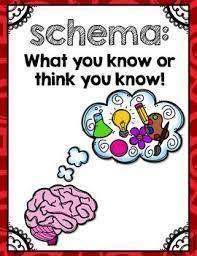
- activating student's schema prior to, during, and after lessons to enhance student understanding through the use of KWL charts, T charts, mind maps, picture walks, etc.
- Example: using the detective strategy seen here: https://docs.google.com/document/d/1QJ_rbSUcuWoeGOvReDnVO6eqxDSPm54xz4MLZNUZ87A/edit?usp=sharing
- Principle 3: Increase comprehensible input and output
- using graphic organizers, teacher modeled behavior, peer assistance and other supports to enhance student understanding of academic language
- Example: using a graphic organizer to clarify and organize information: https://docs.google.com/document/d/1VAc6ENpLFVYZLWVyCzKkz8a_aG0FIMoXotsP60YuhIc/edit?usp=sharing
- Principle 2: Link prior knowledge and culture
- Principle 1: Focus on academic language, literacy, and vocab
Integrated Content-Based Method
- this method of instruction typically uses a thematic unit and addresses content standards beyond one subject. It incorporates academic language as well as conversational language
- Example: A lesson on Black History Month that incorporates KWL charts, reading non fiction text, creating a graphic organizer, collaborating with peers, etc.
- Example: A lesson on Black History Month that incorporates KWL charts, reading non fiction text, creating a graphic organizer, collaborating with peers, etc.
- this method of instruction typically uses a thematic unit and addresses content standards beyond one subject. It incorporates academic language as well as conversational language
Sheltered Instruction Method
- this method uses multiple strategies and techniques to deliver instruction in a manner that is comprehensible for all learners
- SIOP uses hands on, visuals, guarded vocabulary, and cooperative learning within each lesson
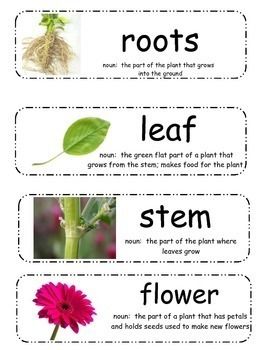
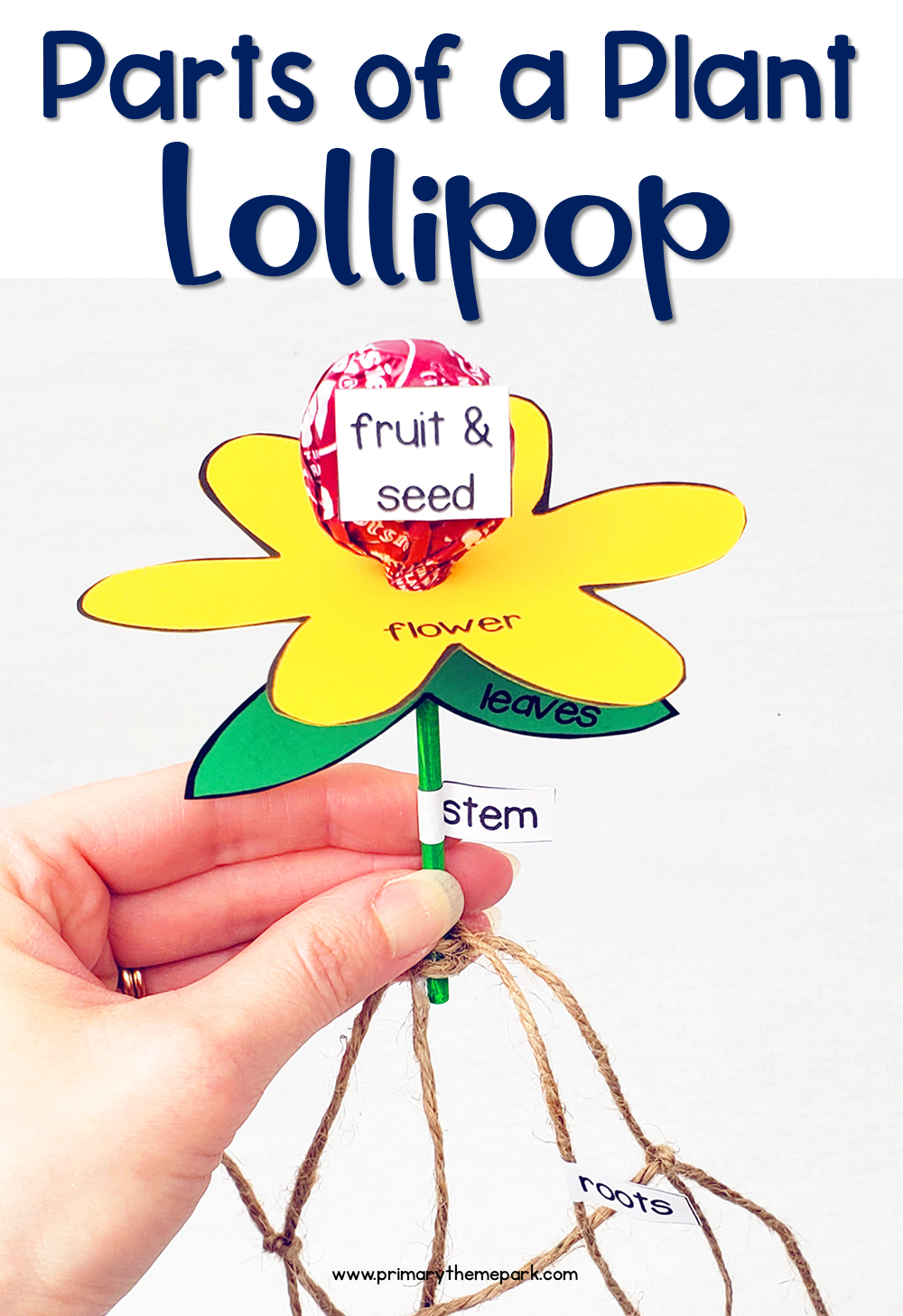
- Example: Identifying parts of a plant - pre teaching vocabulary using images - finding a hook activity to interest students - allowing students to work together to create a product
- Example: Identifying parts of a plant - pre teaching vocabulary using images - finding a hook activity to interest students - allowing students to work together to create a product
- SIOP uses hands on, visuals, guarded vocabulary, and cooperative learning within each lesson
- this method uses multiple strategies and techniques to deliver instruction in a manner that is comprehensible for all learners
Cognitive Academic Language Learning Approach
- this approach uses explicit instruction by a teacher to teach content material using cognitive strategies and allows learners to apply strategies on their own to achieve success and understanding in academic content
Images and files in the map

Information
- Description
- Mind Map on Methods, Approaches, and Strategies for EB Students, created by Allison Clement on 10/03/2022.
- Created by
- Allison Clement
- Views
- 4
- Tags
- Rating