
Flashcards
History GCSE- Germany 1871-1945 Key Dates
Cards in this deck (136)
- 1History GCSE Germany 1871-1945 Key Events and Dates
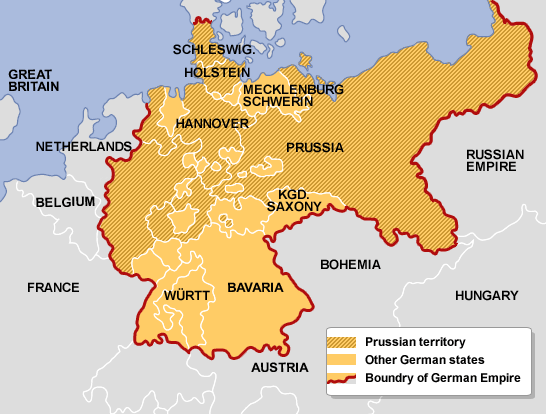
- 2Unification of Germany1871
- 3Wilhelm I introduces the Restrictment Laws (Ant-Socialist Laws)1878-1888
(Closed 45 newspapers, expands powers of police, bans meetings where social-democratic values are shared) - 4Kaiser Wilhelm I End of Reign9 March 1888
- 5Kaiser Friedrich III Reign(99 day rule)
9 March 1888 - 15 June 1888 - 6Kaiser Wilhelm II Reign15 June 1888 - 9 November 1918
- 7Otto von Bismarck Resignation20 March 1890
- 8Social Law Workers' Protection Act1891
- 9The Kiel Canal is opened1895
- 10The Kaiser begins Weltpolitik to grow the German Empire and match/exceed the success of Britain's1897
- 11Admiral Alfred von Tirpitz (head of the Imperial Navy) advised that Germany should have a strong navy that would protect their overseas empire and would rival the British Navy1897
- 12First Naval Law introduced 7 new battleships1898
- 13Second Naval Law introduced, increasing the navy to 38 battleships1900
- 14The amount of time a worker could claim off work increased in an attempt by the Kaiser to appease the unhappy working class1900
- 15Industrial Courts set up to settle disputes between employers and employees (compulsory in urban areas with 20 000 people or more)1901
- 16Health Insurance was expanded to try and compensate for the dangerous working conditions caused by urbanisation1903
- 17Entente Cordiale (Britain, Germany, France) was signed1904
- 18The Third Naval Law expanded the navy by 6 more battleships in a response to the British Navy's introducing the Dreadnought1906
- 19The Triple Entente was signed (Britain, France, Russia)1907
- 20Urbanisation- 60% of Germany's population lived in urban zones1910
Berlin's population doubled between 1975 and 1910 - 21The SPD had the most seats in the Reichstag1912
By 1913, 1/3rd of the population voted for them (~20 million) - 22The Fifth and last Naval Law1912
- 23Germany's State Debt had risen to 490 billion marks from the Navy's Expansion1913
- 24Germany equals Britain's coal output and surpasses their iron and steel production, they become the leading country in the new industries such as electrical goods, chemical products and automobilesBy 1914
- 25Archduke Franz Ferdinand is assassinated28th June 1914
- 26World War One starts28th July 1914- initially, Germans were supportive of the war, a way to demonstrate the power of the German Empire thinking the war would end swiftly
- 27Industrial Output fell by 33%-40+%1914-1918
- 28The Naval BlockadeAugust 1914
- 29Forbidden to drive a car, lack of raw materials, factories produced guns and weaponry for the front line and not to make money, run by poorly experienced workers as many had gone to war1915
- 30German protesters demanded an end to the war. Demonstrations increased from 500 (women) to 10 000 people (workers). War weariness increased whilst German soldiers were worn down by bombs, gas and artillery fire1915-16
- 3135% of all trade was organised illegally on the black market due to lack of food, medicine and clothing. When the potato crop failed, the government were forced to introduce rationing and many lived off turnips. This was known as the Turnip Winter. Food shortages lead to around 750 000 deaths1916-17
- 32Flu epidemic struck Germany killing many starving Germans1918
- 33Army General Ludendorff stated 'Victory was Impossible', advising the Kaiser to make the Germany more democratic to soften the punishment of the winning Allies, which, the Kaiser obliged, giving more power to the Reichstag and freeing political prisoners, but many were unsatisfiedOctober 1918
- 34Kiel Mutiny- the loss of support from the military Kiel Mutiny continued- the sailor's revolt spread throughout towns and cities and workers and soldiers joined forces, taking over and governing cities across Germany28th October 1918
3rd-9th November 1918 - 35The Kaiser loses support from his advisors and is forced to abdicate and fled to the Netherlands9th November 1918
- 36Philip Scheidemann (SPD member) declares that Germany had now become the German Republic10th November 1918
- 37Friedrich Ebert stepped in as a temporary leader (he lead the SPD prior to the Kaiser's abdication) and promised elections would be held in January 19199th November 1918
- 38Germany surrendered, World War One is over The Armistice signers became known, by German Extreme Nationalists, as the 'November Criminals'11th November 1918
- 39The Spartacists Revolt in Berlin Confrontation with the Free Corps Free Corps and a Democratic victory over Communism6th-9th January 1919
- 40The proposed elections by Ebert are held19th January 1919
- 41The newly elected government meet in a small town named Weimar (due to Berlin being seen as more susceptible to riots) and established the Constitution that would form the Weimar Republic11th February 1919
- 42Hitler is tasked by the army to oversee the German's Workers Party (DAP). On ____, the Chairmen, Anton Drexler, is impressed by Hitler's oral skills and requests him to join as member 555. Hitler's superiors agree as he could provide feedback on what suspicious acts they didMay 1919
12 September 1919 - 43The Treaty of Versailles is signed DIKTAT28th June 1919
- 44The Bauhaus School is established leading to a renaissance in art, showcasing expressionism and the everyday struggles of life1919
- 45Women in Weimar Voting (21) Pay equal to men University Lawyers/Doctors <1M births1920s - 1933
- 46Hitler becomes a prominent member of the DAP, tasked as their public ambassador to spread their anti-semetic, nationalist and anti-republic views. He changes the name to the Nationalist Socialist German's Workers Party (NSDAP/Nazi Party) and uses the swastika as their sign1920
- 47Kapp Putsch involving the Free Corps (Right-Wing)13th March 1920
- 48Red Rising (Left-Wing)March 1920
(In response to the Kapp Putsch) - 49Matthias Erzberger (the man who signed the Armistice) is fatally shot by a right-wing groupAugust 1921
Over 340 political murders occurred in Germany, between 1912-22, many by right-wing extremists: Foreign Minister Walter Rathenau was killed and Philipp Scheidemann (the proclaimer of the German Republic) had acid thrown at him - 50Hitler replaces Dexler as the leader of the Nazi Party29th July 1921
He sets up a private gang- the Stormtroopers (SA) who disrupted political opponents
The Growth of the NSDAP: 1919~ 60 members, 1920-21~ 2000-3000, January 1923~ 20 000 - 51The Reparation cost is set at £6.6 billion to be paid in yearly installments for 66 years1921
The first installment consisted of 2 billion gold marks given to France and Belgium. Though some of it was gold, most was in goods such as coal, iron and wood - 52Hitler establishes his Hitler Youth OrganisationMarch 1922
- 53Germany declared in 1922 that they couldn't afford the next installment. France and Belgium didn't believe them and in ____, 60 000 soldiers stormed into the Ruhr, controlling the industrial areas and shops, arresting any who protestedJanuary 1923
- 54Hyperinflation is at its peak in GermanyNovember 1923
Bread in 1918: 0.6 marks
Bread in Sept 1923: 1.5 million marks
Brad in Nov 1923: 201 billion marks - 55Munich Putsch involving Hitler and Ludendorff (the General who stated that victory was impossible)8th-9th November 1923
- 56Mein Kampf is writtenNovember 1923
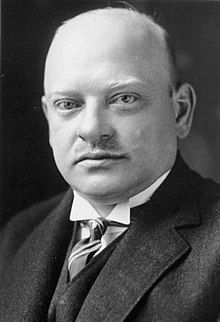
- 57The Rentenmark is officially introduced by Gustav Stresemann, to replace the worthless notes as a temporary currency15th October 1923
In 1924, this was replaced with the Reichsmark after the Rentenmark stabilised the economy - 58Gustav Stresemann Chancellor- 1923 Foreign Minister- 1923 - 1924 Nobel Peace Prize- 1926Widely credited to have been the main contributor to the recovery and temporary success of the Weimar Republic- the Golden Age (1924-29)
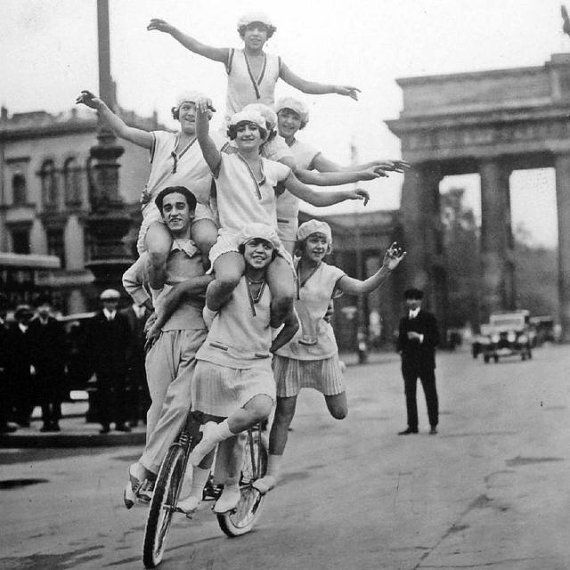
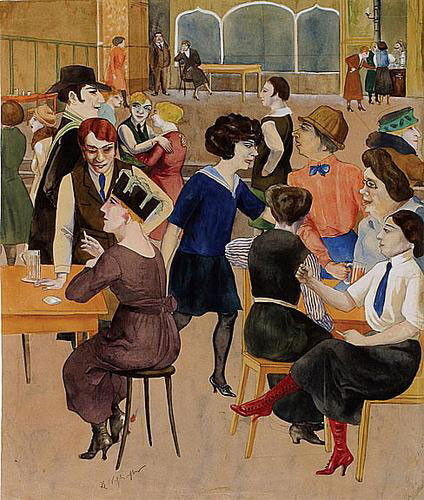
- 59The Stresemann Era The Golden Age of Weimar The Recovery of the Weimar Republic 1924 - 1929Uncensored - Cinema: Metropolis, Fritz Lang, Marlene Dietrich - 90% women used their new power to vote - Article 109- gender quality, women found new jobs, strayed away from traditional values, leisure - Nightlife, Jazz, Nightclubs - All Quiet on the Western Front - Expressionism, Bauhaus
- 60The Dawes Plan proposed by Stresemann begins and Germany starts repaying its reparations (which were temporarily lowered to £50 million/year) using the 800 million marks loaned by America1924
The money was also used to build new factories, houses, schools and roads creating more jobs and houses - 61Exports rose by 40% Around 100 000 homes are built for workers (though there are still housing shortages)1925-29
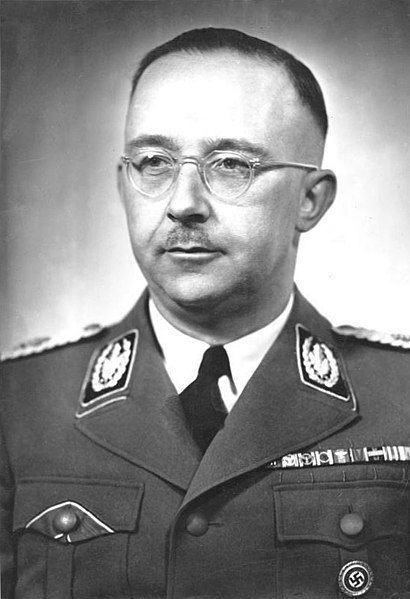
- 62Heinrich Himmler Head of the SS Loyal Nazi Oversaw the Final SolutionThe SS was set up in 1925
- 63The Locarno Pact between Britain, France, Belgium, Italy, and Germany is signed, promising never to invade each other (by Stresemann)1925
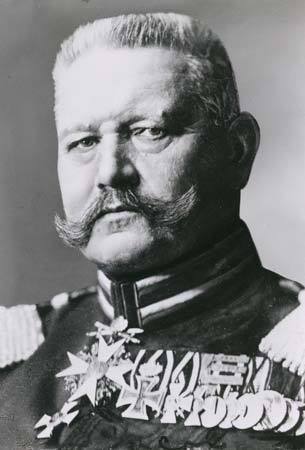
- 64Hindenburg is elected President of GermanyFebruary 1925
- 65Germany joins the League of Nations after being banned from it when it was initially set up (under Stresemann)1926
- 66The Weimar Republic sets up numerous pension, health, and unemployment schemes to aid the German society1927
- 67The Kellogg-Briand (think KELLOGG BRAND) Pact is signed (under the influence of Stresemann), stating the participants were to never go to war, unless for defence1928
By this time, industrial production was even higher than they were at 1913 - 68German unemployment rises from 2.5 million to 4 million, the Golden Age of the Weimar Republic was dwindling. Hitler capitalises on their woes and promises to provide jobs and food- more than what the current government are doing1928-30
- 69Stresemann negotiates the Young Plan, an act, where the total reparation amount was reduced from £6.6 billion to £2 billion1929
- 70The Wall Street Crash hits the USA, American banks and companies are out of business and millions lose their jobs. Consequently, American banks withdraw their loans to Germany, goods sold in America were not bought and German factories closed. Many homeless and turned to extreme political groupsOctober 1929
Prior to this, the Nazis had gained 12 seats in the 1928 election, but by 1930, they had 107
Similarly, the Communist Party had 77 seats from 54 - 71Unemployment numbers peak to just under 6 million. Over half of all Germans aged 16-30 were unemployed- 60% of graduates could not find a job. Farmers slipped further in debt (after continued struggles since 1925). 40% of all factory workers were unemployed, the government cut benefits to save moneyThe 1930s (1932-33)
- 72Elections are held and (as per usual), no parties won a majority, and thus, a coalition is formed. The Nazi Party are surprised at having won 107 seats, behind the declining SPD at 143. Heinrich Brüning became Chancellor and cut unemployment pay and increased taxesSeptember 1930
After the elections, the Nazi Party attempted to spread their views further by using propaganda and utilising their SA to disrupt Communist meetings - 736 million Germans are now unemployed from the combined effects of the War and the Great Depression. Over half of Germans aged 16-30 are unemployed. 60% of graduates fail to get a job. Farmers slip further in debt (after continuous struggles). 40% of factory workers unemployedBy the 1930s (1932-33)
The government cut unemployment benefits - 74Brüning resigns as Chancellor, Hindenburg appoints Zentrum member Franz von Papen, who calls for another election due to little support. The new election results showed the Nazi Party as the largest. With this, Hitler demands the role of Chancellor but Hindenburg denies seeing him as unfit using Article 48July 1932
Results:
Nazi Party- 230
SPD- 133
Centre Party- 97
Communist Party- 89 - 75Von Papen calls for another election, and though the Nazis garner fewer votes, they are still the largest party. The Zentrum Party gains even fewer seats as well, so Von Papen resigns. Hindenburg, unwilling to give the position of Chancellor to Hitler, appoints his friend Kurt von Schleicher but he resignsNovember 1932
- 76Half a million homeless people, beggars, and alcoholics are sent to concentration camps. Many are worked to death. Thousands of prostitutes, homosexuals and 'problem' families are sent too1933
- 77All youth groups other than the Hitler Youth Organisation are banned. Of 7.5 million members, 2.3 million were aged 10-181933
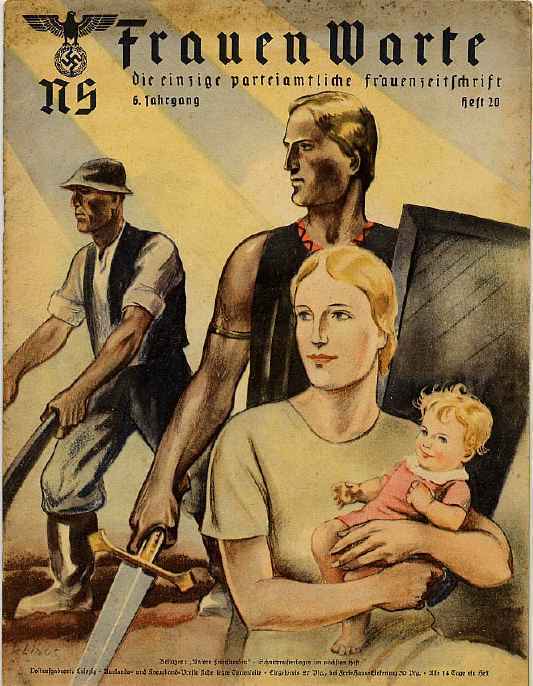
- 78Nazi Women 'Duty' to stay at home, have lots of children, support husband Three Ks1933 - 1939
Birth rate increased due to propaganda
970 000 - 1 413 000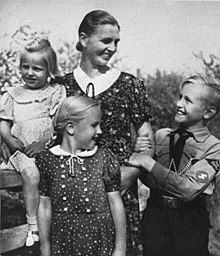
- 79Joseph Goebbels Head of Propaganda and the Chamber of Culture Powerful speaker Good at his job1933-45
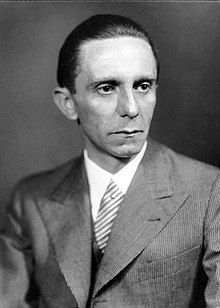
- 80Hitler seemingly cooperates with the Catholic leaders. An agreement with the Pope states they will not interfere with each other1933
This doesn't last, however, Catholic priests were harassed and arrested and Catholic youth clubs and schools were closed down - 81Reich Entailed Farm Law- protected thousands of small farms from competition (from Hitler's promise to helping neglected farmers). Farmland of 30+ acres could not be split and must be inherited. Only 35% of total farms were covered however1933
- 82Germany is a 'police state' The Nazis control the police and law courts Crimes committed by Nazis are ignored Gestapo set up to spy secretly on others SS- arrest for any reason, army, camps Sent to camps for any reason1933- as soon as Hitler took power
Created an atmosphere of fear, alongside propaganda, they were used to control the German people - 83Hitler finally is appointed Chancellor after successive denials from Hindenburg, though Hindenburg appoints Von Papen as Vice-Chancellor in a bid to restrict Hitler's new powers and allowign only 2 other Nazis in cabinet30th January 1933
Hindenburg and his advisors believed they could contain and control Hitler
With these new powers, Hitler calls for another election scheduled for March 1933 in February hoping to gain a majority. - 84The Reichstag is burnt down- Marinus van der Lubbe is accused27th February 1933
Hitler exploited this by blaming and thus spreading fear on Communism, expelling Communist parties from Parliament. Hindenburg used Article 48, seeing it as a state of emergeny. Phone calls and letters were monitored - 85Hitler requests Hindenburg to pass a 'Protection Law', allowing Hitler to deal with Germany's problems. Hindenburg agrees28th February 1933
The constitution is suspended, newspapers closed, police can search without a warrant, property confiscated, detained without trial, and all non-Nazi political meetings are banned - 86The Decree for the Protection of the People and the State bans Communist parties from taking part in the next election. 4000 communists are jailed and their newspapers are banned. Hitler gets more votes than before, but still no majorityMarch 1933
- 87All Jewish lawyers and judges are sackedMarch 1933
From March 1933 onwards, many more jobs were made unobtainable from a Jewish perspective (April 1933- teachers, July 1938- doctors) - 88The Centre Party joins with the Nazi Party giving Hitler the majority. Many of the new members are bullied into passing the Enabling Act- a law where Hitler can make laws without the approval of the Reichstag23rd March 1933
- 89All Jews are banned from any sports clubs.April 1933
- 90Nazis are put in charge of all local government, councils, and police. The Gestapo is formed. The first concentration camp for political prisoners is set up in Dachau7th April 1933
- 91German Labour Front (DAF)- following the ban of all Trade Unions, each worker was now a member of the same Trade Union (DAF). Strikes were now illegal, and permission was needed to leave work. Wages and working hours were frozen and increased and they were promised their rights and conditions were protectedMay 1933
- 92All Trade Unions are banned as he believes they support socialism and communism. He takes their money and arrests their leaders. Now workers have nowhere to appeal for better working environments and standards of living2nd May 1933
- 93The largest book burning event takes place where 25 000 books are burned in a celebratory fashion due to them being 'Un-German' (only Pro-Nazi books survived)10th May 1933
- 94Hitler orders the construction of more autobahns in a bid to link cities and towns together. This creates work for nearly 100 000 peopleJune 1933
More Public Work Schemes gave new schools and hospitals, providing more jobs and reducing the unemployment numbers - 95Germany becomes a one-party state- all parties, except the Nazi Party, are banned. The Law Against the Formation of New Parties forbid any new ones to be created14th July 1933
- 96Ludwig Müller Leader of pro-Nazi Protestants (German Christians)September 1933
Became the first 'Reich Bishop' of the German Christians
'the swastika on our chests and the Cross in our hearts'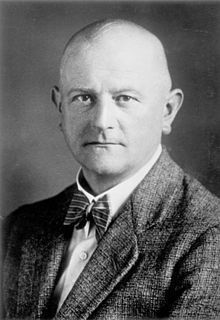
- 97'Eugenics' is introduced into schoolsSeptember 1933
- 98The Chamber of S̶e̶c̶r̶e̶t̶s̶ Culture All musicians, artists, writers, and actors are part of it(or else they are jobless), but Jews are denied regardless Pro-Nazi messages, traditional (e.g. not Jazz), not written by Jews, anti-Weimar22nd September 1933
2500 writers left Germany between
1933-45 - 99Strength Through Joy (KDF)- organised leisure activities to encourage hard work. Rewards such as cheap holidays, theatre trips, and football match tickets. Allowed the government to control the working class better28th November 1933
- 100All Jewish shops are marked with a yellow Star of David or with the word Juden. Soldiers stand outside shops to deter people from enteringJanuary 1934
- 101Night of the Long Knives 77 or more SA leaders are killed as Hitler views them as a serious threat (though they helped Hitler rise to power originally). Ernest Rohm's army had more members than the German army and wanted to unite the two, much to the fear of Hitler29th-30th June 1934
Hitler used the SS (Schutzstaffel), led by Heinrich Himmler, to carry out the killing, which Hitler openly admitted, stating it was fine for Hitler to murder if it was for the good of Germany. The SS and the Gestapo now formed the 'police state' - 102Hindenburg dies, immediately Hitler announces he is President as well as Chancellor. He forces the army to sign an oath of loyalty to himself (not to the country) and labels himself Der Führer2nd August 1934
- 103Beauty of Labour (SDA)- tried to improve the workplace by installing better lighting, safety equipment, new washrooms, low-cost canteens, and sports facilities in a bid to encourage work, working towards Autarky1934-45
- 104Rearmament- people built tanks, ships, planes, and guns putting more people at work. Factory owners made fortunes. Conscription is introduced making it mandatory for men aged 18-25 to join the army for a min. 2 years1935
Within 5 years, the army grew from
100 000, to 1 400 000 - 105National Labour Service (RAD)- all men between 18 and 25 had to spend six months in the RAD, planting forests, mending hedges and digging draining ditches on farms. They were given uniforms and lived in camps, but were given free meals and classed as 'working'26th June 1935
- 106—15th September 1935
The Nuremberg Laws
Jews are not allowed to vote. Inter-religious marriages are banned. German citizenship is removed
Reich Citizenship / Law for the Protection of German Blood and German Honour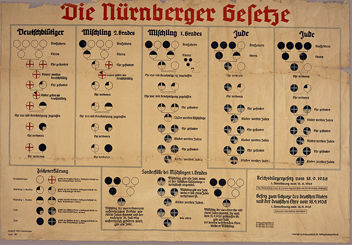
- 107The Berlin Olympic Games gives a massive propaganda opportunity to show the world the superiority of the German 'Aryan' race. They use advanced German technology to showcase their advancements in technology. They topped the medal table and temporarily removed anti-semetic signs to show tolerance1936
(Image shows Leni Riefenstahl, a famous German filmmaker, using her advanced slow-motion tracking)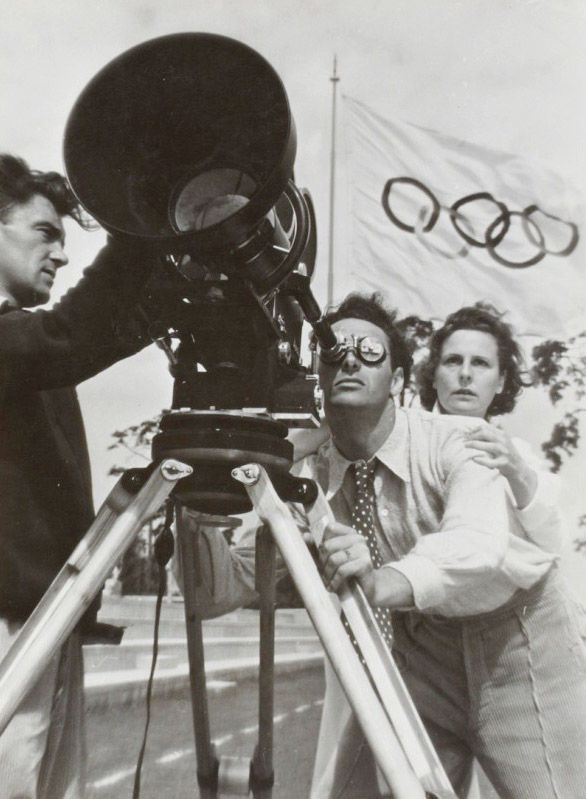
- 108The 'Law for its Incorporation of German Youth' is passed, making attendance to the Hitler Youth just as important as attending school1936
- 109Hjalmar Schacht (who was appointed Minister of Economics in 1934) is sacked for slow (yet working) progress1936
Hermann Goering is appointed new minister and proposes the Four Year Plan
Autarky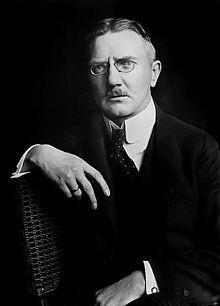
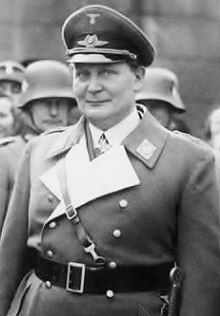
- 110The Nazis publically burn 5000 expressionistic/Weimar/'perverted' forms of art1936
- 111No Jew is allowed to own any electrical equipment, bicycles, typewriters or music recordsJanuary 1936
- 112The Nazis open two exhibitions showcasing two different types of art- one being unacceptable art that had been vandalised by the Nazis to make it unappealing, the other showcasing heroic, healthy, 'pure' figures, families and Hitler- approved paintings1937
- 113Pope issues his 'With Burning Anxiety' statement, read out across Catholica churches, declaring the Nazis were 'hostile to Christ and his Church'1937
This did not deter the Nazis from their continued persecutions of the Catholic priests - 114Dietrich Bonhoeffer Formed the Confessional Church Preached against the Nazis Helped Jews escapeOpened the Church to oppose the Reich Church alongside Pastor Martin Niemöller (arrested 1938-45 in camp)
Bonhoeffer stopped in 1937 but continued to secretly oppose the Nazis
1942- communicated with the Allies
October 1942- arrested, hanged April 1945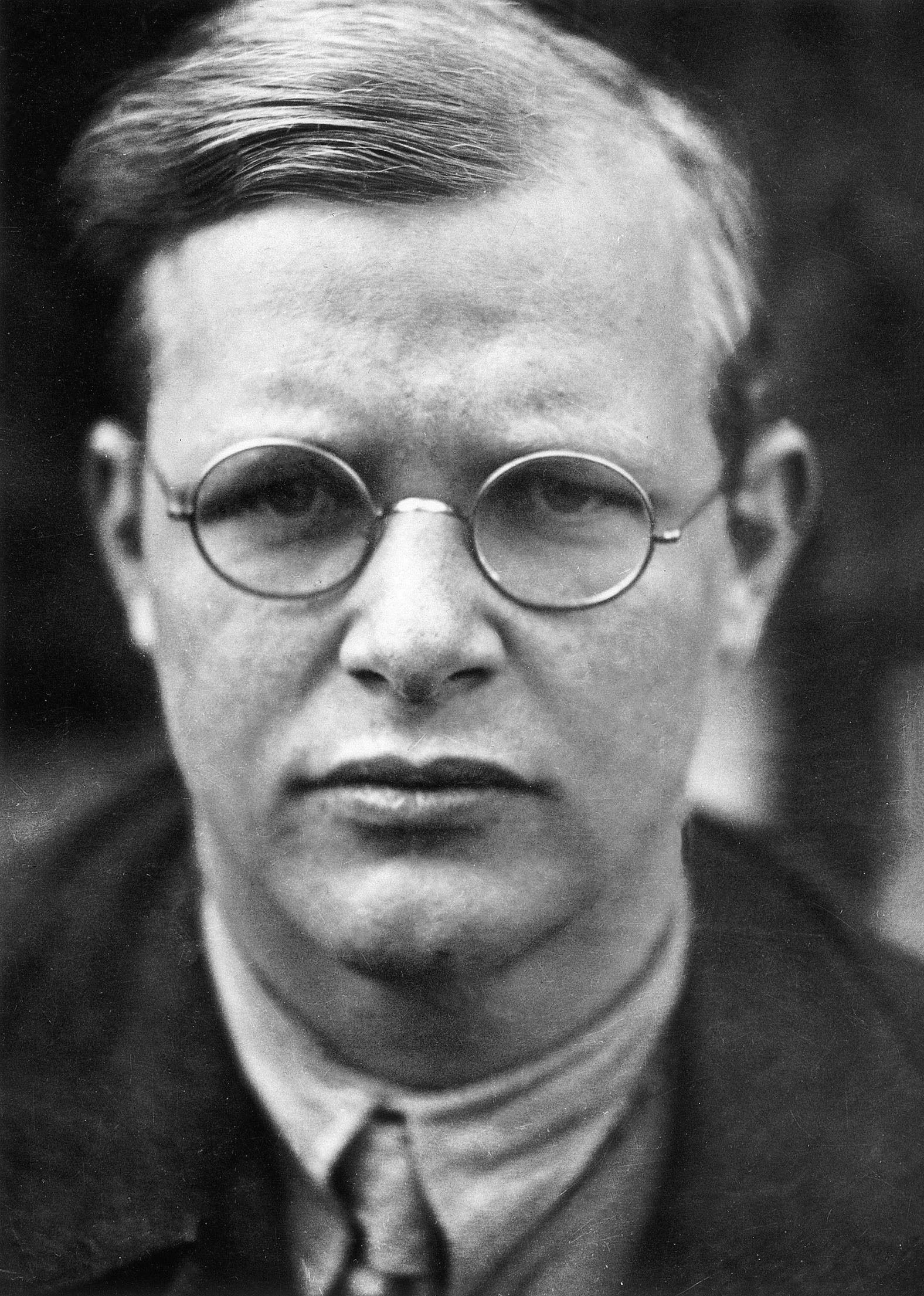
- 115Male Jews must now add the name 'Israel' and female Jews must add the name 'Sara' to their first names for easy identificationAugust 1938
- 116Night of the Broken Glass (Kristallnacht) Jewish children are banned from schools. Jewish homes, synagogues, and businesses are attacked throughout Germany and Austria. 100 Jews are killed, 20 000 sent to concentration campsNovember 1938
- 117Jewish and non-Jewish children are forbidden to play with each other and they are banned from using swimming poolsDecember 1938
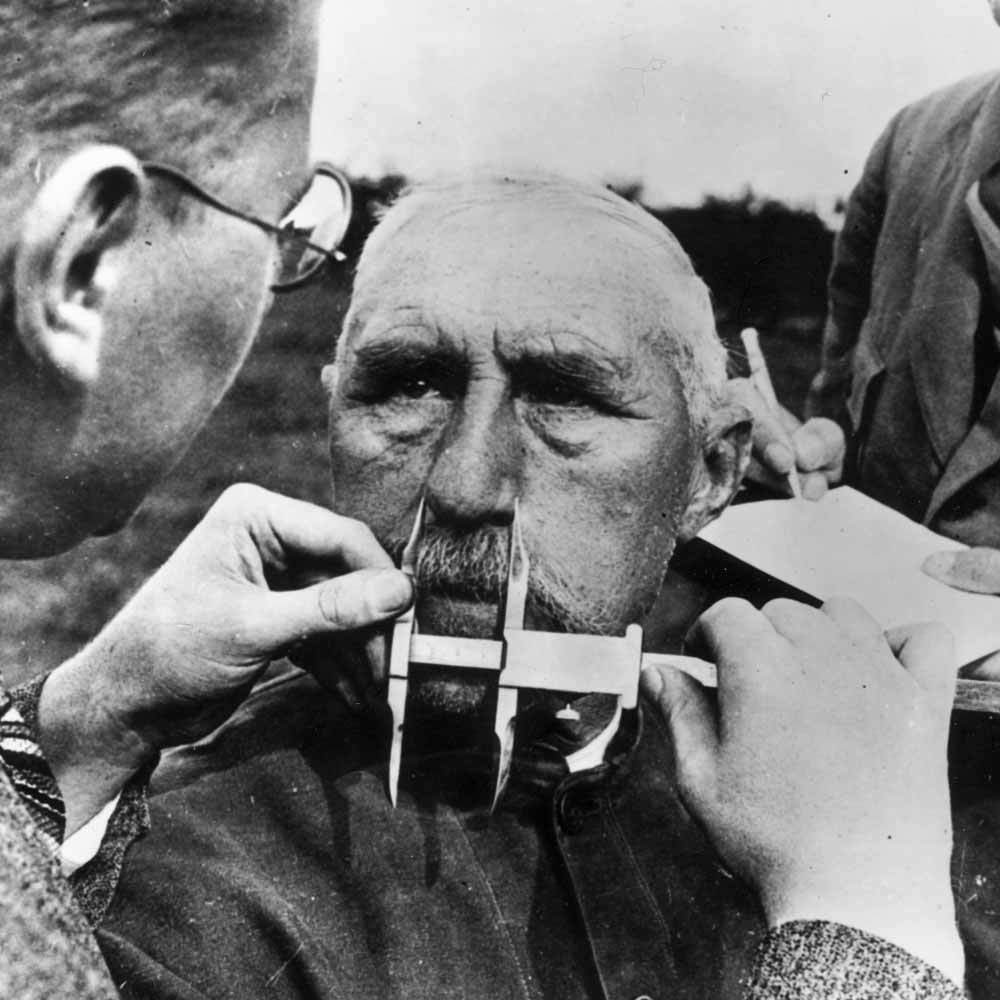
- 118The Undesirables 350 000 disabled people sterilised 200 000 (5000 children) killed in 'nursing homes'1939
- 119Membership to the Hitler Youth Organisation is made mandatory. Of 8.8 million members, 7.2 million are aged 10-18. This is all to do with Indoctrination, making youths into a mindless Nazi1939
- 120Jews can be evicted from their homes without any specified reasonsApril 1939
- 121Jews are no longer allowed outside of their homes between 8:00pm and 6:00amSeptember 1939
- 122World War Two begins as Germany invades Poland1 September 1939 - 2nd September 1945
Initial effects were good for Germany- they pushed forward using the Blitzkrieg tactics and took Poland in 1939, and Holland, Belgium, Lexembourg, Denmark, Norway and France in 1940. No civilian effects and used enemy land for resources - 123The persecution of the Jews intensifies. They are rounded up and are forced to live in ghettos or work in labour camps. Execution squads go out into the countryside to shoot and gas Jews1939- after the breakout of war
- 124Supplies are needed for the soldiers. Initially, it is beneficial as it provides a more balanced lifestyle, but soon food and clothing are rationed. Limitations meant one egg per week and hot water per two weeksNovember 1939
Black markets were set up to compensate for the lack of necessities and comfort items e.g. soap, toilet paper - 125Catholic Archbishop Galen (a widely-known German figure), openly criticises and leads a popular protest against the Nazis, and as a result, was put under house arrest until the conclusion of World War Two, though the Nazis did cease temporarilyAugust 1941
- 126Swing Youth Jazz/Swing lovers Resisted Nazi law Listened to jazz and had Jewish friends Influenced othersActive: 1930s
18th August 1941- 300 killed/arrested
Other punishments included cutting hair, sending them back to school under supervision, leaders deported to camps (aged 14-21)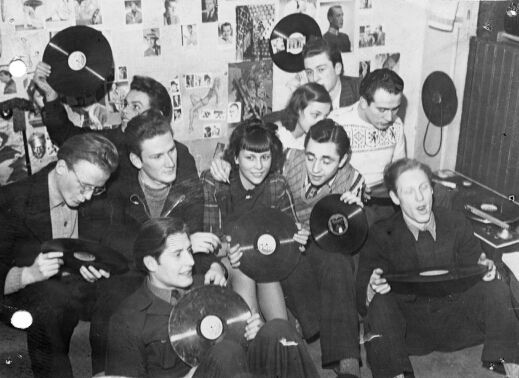
- 127The Allies sends multiple bombardments upon Germany and Berlin- the government try to move children from Berlin but these are unsuccessful25th August 1940 - 21st April 1945
September 1940
No electricity, transport and water mains in the cities
Thousands lost their homes and thousands fled as refugees - 128Albert Speer is made Armaments Minister- prepares Germany for Total War, where everything focused on war1942
Anything that didn't contribute was stopped
Beer Halls and Sweet Shops closed
Letter Boxes boardered up
Factories stayed open for longer mass producing weapons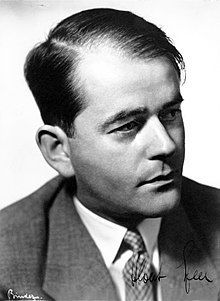
- 129At the Wannsee Conference, a plan is devised as the 'Final Solution'- the mass murder of every Jew in Nazi territory From this, six camps are builtJanuary 1942
- 130The White Rose Hans/Sophie Scholl Against the harsh treatment towards minorities Anti-Nazi leafletsActive: Summer 1942 - February 1943
Arrested 22nd February 1943
Sentenced to death on the same day (usually 99 days after)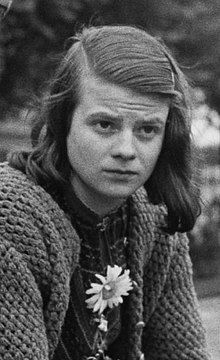
- 131Two major rebellions occur: The Warsaw Ghetto Uprising lasted 43 days The Treblinka Camp's rebellion killed 15 guards and 150 prisoners escaped1943
- 132Nazis try to fill the deficit of labour left by the workers at war by using propaganda to force 3 million women aged 17-45 to work but only 1 million obliges. Foreign labour (coming from conquered countries) made up 21% of the workforce (~7 million)1943-44
- 133Kreisau Circle Army Generals School Professors Aristocrats Leader- Helmut von Moltke Plotted to kill HitlerActive: 1943 - 1945
July Bomb Plot 1944
Met in secret discussing assassinations of Hitler
Released their 'Base Principles for the New Order', Germany without the Nazis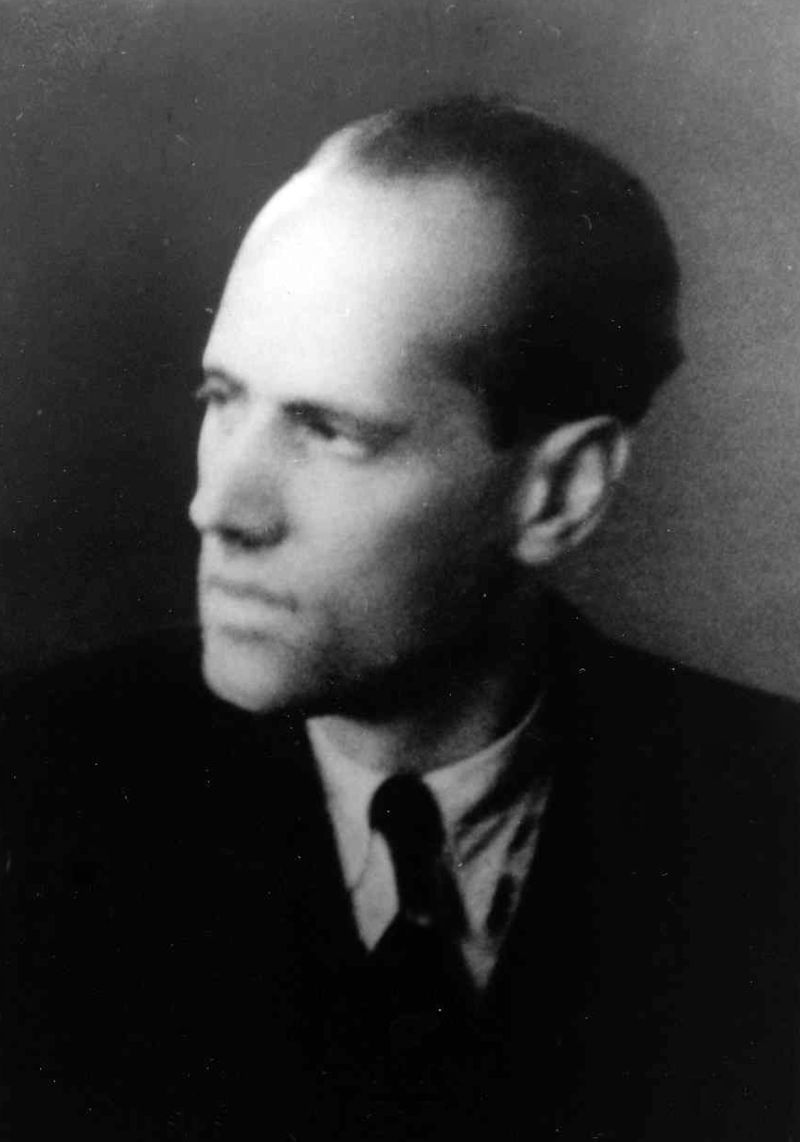
- 134The July Bomb Plot Orchestrated by the Beck-Goerdeler group and Kreisau Circle (?). Army officer Colonel Claus von Stauffenberg plants a bomb in Hitler's headquarters. It kills 4 people and injures Hitler but fails20th July 1944
All plotters executed (19 Generals, 26 Colonels)
Hitler killed other opponents- 5000 people died, most Kreisau members - 135Edelweiss Pirates Working Class Youth Group Refused Hitler Youth Beat up Nazi Youths Helped army desertersActive: 1930s
Gestapo investigated
Members beat, but too young for severe punishments- heads shaved
After further incidents (Cologne), leaders rounded up and 12 publically hanged in November 1944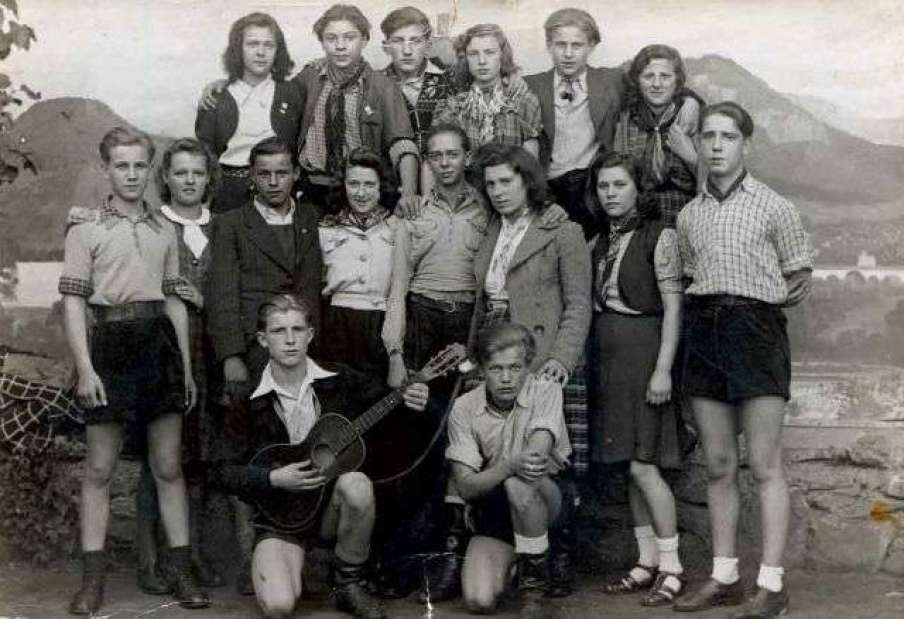
- 136Over half a million Roma and over six million Jews died in death camps- 1945
'Inferior'
Hitler said he was 'cleansing' Germany
Information
- Description
- A set of Flashcards detailing key events from the unification of Germany to the start of WWII
- Created by
- Nathan Chan
- Views
- 376
- Tags
- Rating