
Mind map
1.1 Introduction to cells
Map content
1.1 Introduction to cells
Cell theory
- Cells are the smallest unit of life
- All living things consist of cells
- Cells come from pre-existing cells
Function of life
- Homeostasis
- Organism's metabolic activities are in a state of balance
- Ex : Body temperature
- Organism's metabolic activities are in a state of balance
- Nutrition
- process- living things take in materials from its environment for growth and repair
- Growth
- Increase in cell size and volume
- Reproduction
- living things produce offsrping
- 2 types
- asexual reproduction--one parent and the offspring are identical to the parent
- sexual reproduction--two parents and the offspring is a combination of both parents
- 2 types
- living things produce offsrping
- Response
- Action or movement- application of a stimulus.
- Metabolism
- chemical reactions involved in maintaining the living state of the cells and the organism
- Excretion
- Removal of waste products
- Homeostasis
Surface area : volume ratio
- Smaller the cells
- High surface area to volume ratio
- Limit cell size
- High ratio
- Function of life - better
- Smaller the cells
Differentiation
- A less specialized cell develops or matures to become more distinct in form and function.
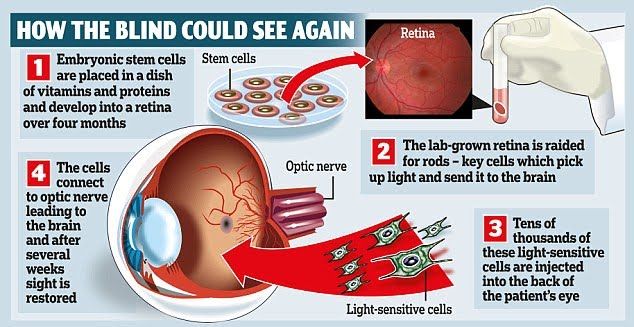
- Stem cells
- Produce cells- pluripotent
- Affecting cells, organs or tissues.
- The capacity of stem cells to divide and differentiate along different pathways is necessary in embryonic development and also makes stem cells suitable for therapeutic uses.
- Therapeutic use of stem cells from specially created embryos, from the umbilical cord blood of a new-born baby and from an adult’s own tissues.
- Produce cells- pluripotent
multicellular organisms show emergent properties
- Example: cells form tissues, tissues form organs, organs form organ systems and organ systems form multicellular organisms. Greater than the composition of its parts.
- For example your lungs are made of cells. Not much use. Many cells working as a unit that allow the lungs to perform their function.
- Example: cells form tissues, tissues form organs, organs form organ systems and organ systems form multicellular organisms. Greater than the composition of its parts.
Calculation
- Magnification
- Size of drawing / size of specimen
- Actual size
- Magnification
Images and files in the map
Information
- Description
- Mind Map on 1.1 Introduction to cells, created by Andrea Tomatis on 24/07/2015.
- Created by
- Andrea Tomatis
- Views
- 27
- Tags
- Rating