
Mind map
3.4 Eukaryotic Cell Structure
Map content
3.4 Eukaryotic Cell Structure
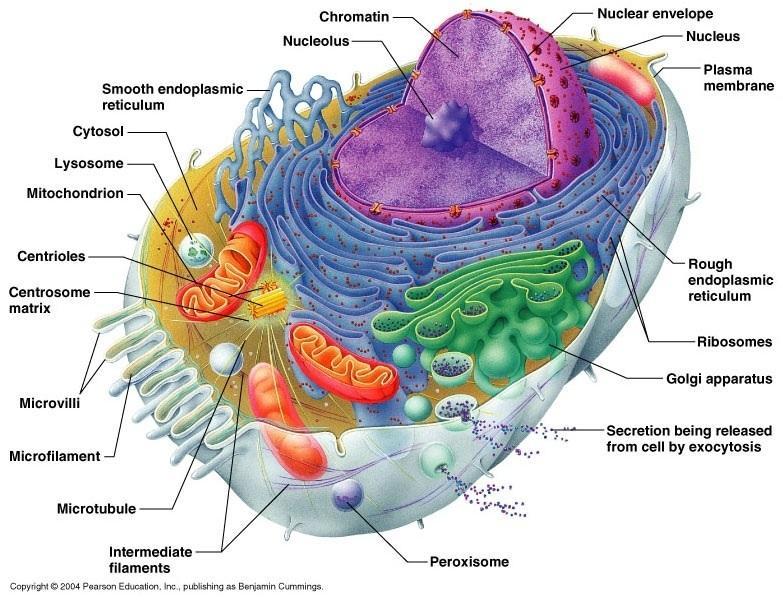
Animal Cells
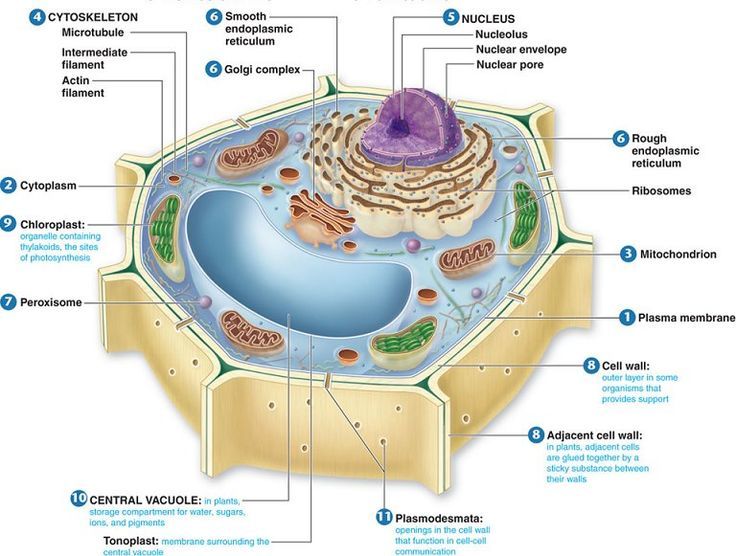
Plant Cells
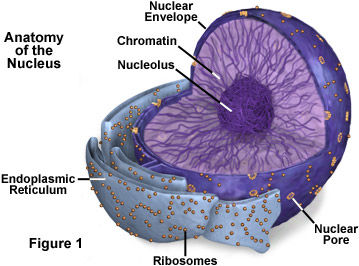
Nucleus
- Surrounded by nuclear envelope
- contains nuclear pores
- Allows substances (e.g RNA) to move between the nucleus and cytoplasm
- contains nuclear pores
- contains chromosomes
- contains nucleolus
- Makes ribosomes
- Controls the cells activities
- Surrounded by nuclear envelope
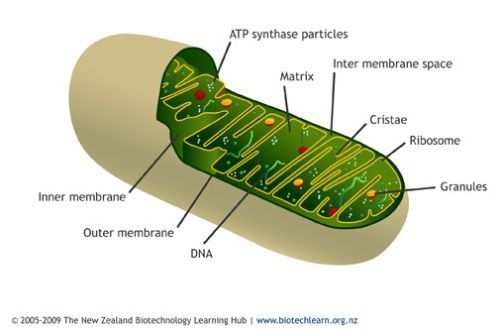
Mitochondrion
- Double membrane
- Inner layer folded to form cristae.
- Inside is the matrix
- Site of Aerobic respiration where ATP is produced
- Double membrane
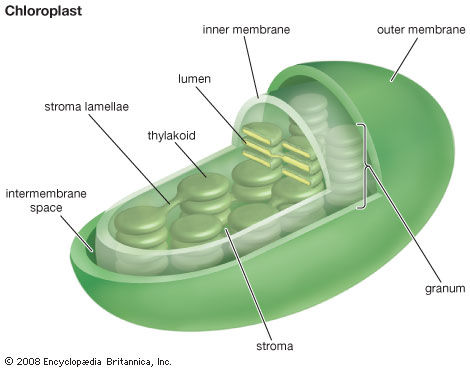
Chloroplast
- Found in plant cells
- Surrounded by a double membrane
- Has membranes inside called thylakoid membranes
- Stacked up to form grana
- Grana connected by lamellae - think, flat pieces of thlakoid membrane
- Large S.A for attachment of chlorophyll, electron carriers and enzymes that carry out the 1st stage of photosynthesis (light absorption).
- Contain a photosynthetic pigment called chlorophyll
- Stacked up to form grana
- Site where photosynthesis takes place
- Stroma (a fluid-filled matrix found in chloroplasts)
- contains the enzymes needed for 2nd stage of photosynthesis - synthesis of sugars
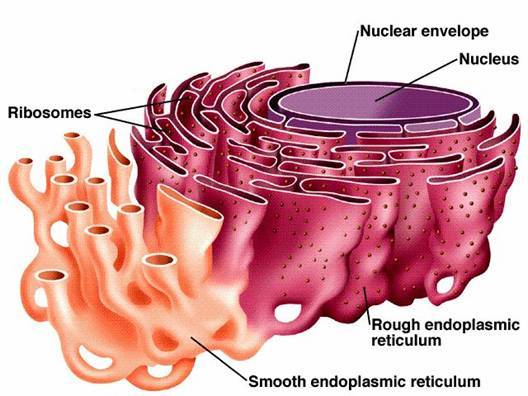
Endoplasmic Reticulum (ER)
- Cells that manufacture and store large quantities of Carbs, proteins and lipids have a very expensive ER. Such cells include liver and secretory cell, for example the epithelial cells that line the intestine. :)
- Rough ER (RER)
- A system of membranes enclosing a fluid-filled space. The surface is covered with ribosomes
- Provides a large surface area for the synthesis of proteins and glycoproteins
- Provide a pathway for the transport of materials, especially proteins, throughout the cell
- A system of membranes enclosing a fluid-filled space. The surface is covered with ribosomes
- Smooth ER (SER)
- Similar to the RER but with no ribosomes
- Synthesis, store and transport Lipids and carbohydates
- Similar to the RER but with no ribosomes
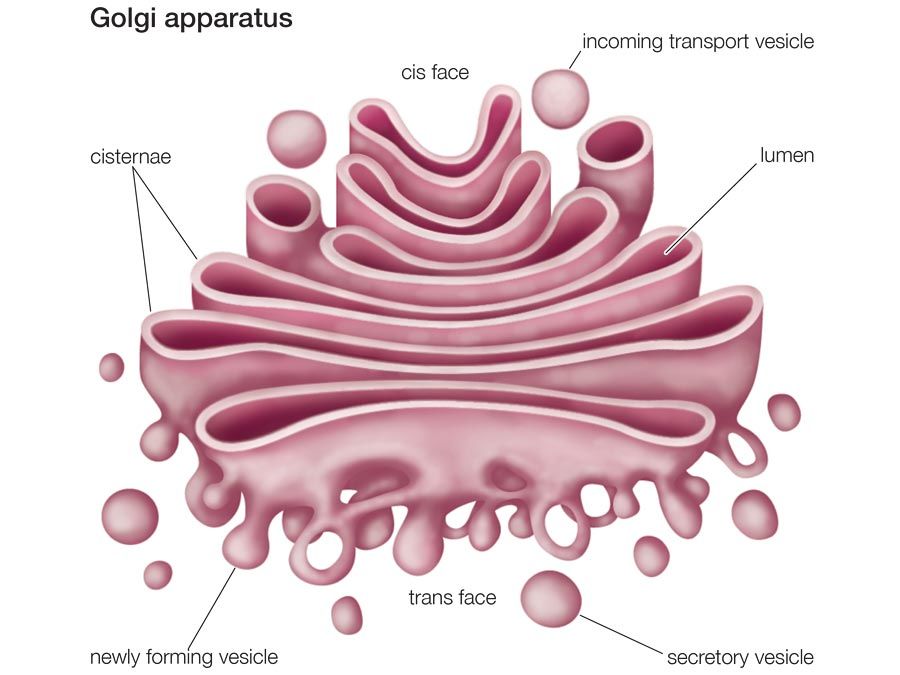
Golgi Apparatus
- Consists of a stack of membranes that make up flattened sacs, or CISTERNAE.
- Closely in contact with VESICLES. Small rounded hollow structures.
- Add Carbohydrate to proteins to form glycoproteins
- Produces secretory enzymes, such as those secreted by the pancreas
- Secretes carbohydrates such as cellulose
- Transports, modifies and stores lipids
- Forms lysosomes
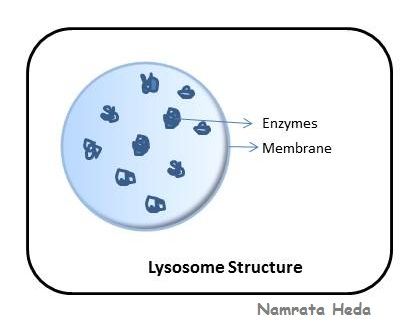
Lysosomes
- Formed when the vesicles produced by the golgi apparatus contain enzymes such as proteases and lipases
- A round organelles, surrounded by a membrane with no clear internal structure
- Its basically a type of Golgi vesicle that releases lysozymes
- Hydrolyse material ingested by phagocytic cells such as white blood cells and bacteria
- Contains digestive enzymes called lysozymes
- Release enzymes outside of cell in order to destroy material outside of the cell
- Completely break down cells after they have died (autolysis)
- Abundant in phagocytic cells and epithelial cells
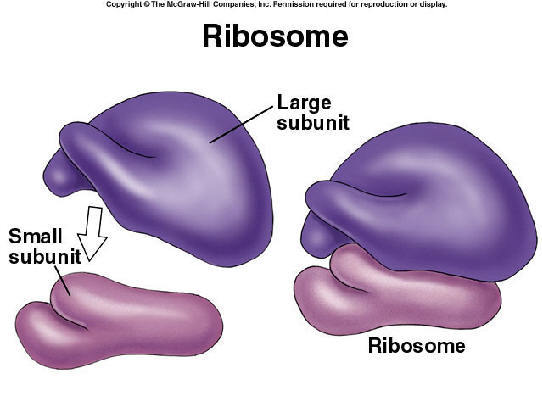
Ribosomes
- Small cytoplasmic granules found in all cells
- They can float freely in the cytoplasm, or are attached to the Rough ER
- 2 types depending on where they are found: 80S - found in eukaryotic cells, around 25nm in diametre and 70S - found in prokryotic cells, mitochondria and chloroplasts, these are slightly smaller
- Site of Protein Synthesis
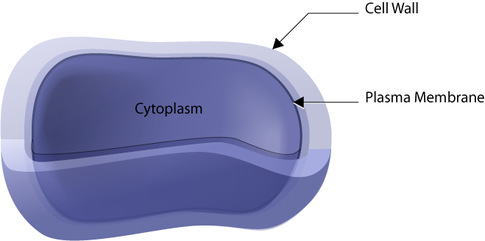
Cell Wall
- A ridgid structure that surrounds cells in plants, algae and fungi
- Consists of microfibrils of th epolysaccharide cellulose, embedded in a matrix
- Thin layer called the middle lamella which marks the boundary between adjacent cell walls and cements adjacent cells togeher
- Provides mechanical strength in order to prevent cell lysis
- Give mechanical strength to the plant as a whole
- Allow water to pass along it and so contribute to the movement of water through the plant
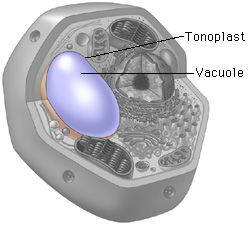
Vacuoles
- A fluid-filled sac bounded by a single membrane
- Single membrane called the TONOPLAST
- A plant vacuole contains a solution of mineral salts, sugars, amino acids, wastes and sometimes pigments
- Support herbaceous plants by making cells turgid
- The sugars and amino acids may act as a temporary food store
- The pigments may colour petals to attract pollinating insects
- A fluid-filled sac bounded by a single membrane
Images and files in the map
Information
- Description
- AS - Level Biology (3 - Cell Structure) Mind Map on 3.4 Eukaryotic Cell Structure, created by Bee Brittain on 31/03/2016.
- Created by
- Bee Brittain
- Views
- 1,087
- Tags
- Rating