
Mind map
Cells
Map content
Cells
Tyoes of cells
- Eukaryotic Cells
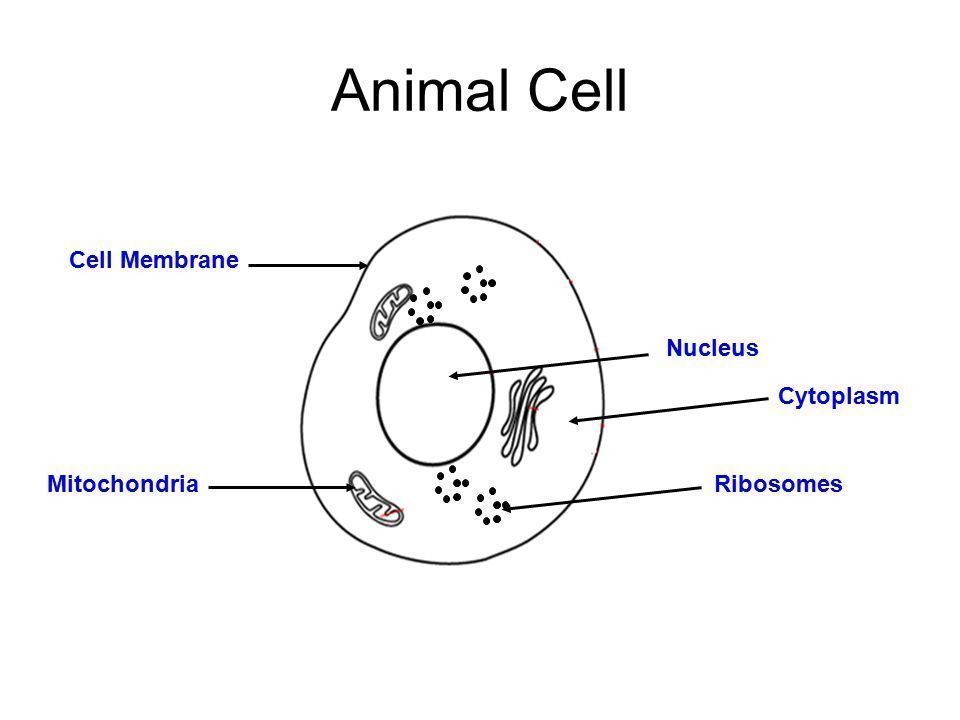
- Animal Cells
- Nucleus
- Contains genetic material that controls the activites of the cell
- Cytoplasm
- Gel-like substance where most of the chemical reactions occur. It contains enzymes that control these chemical reactions
- Mithochondria
- Where most of the reactions for aerobic respiration takes place
- Respiration transfers energy that the cell needs to work
- Where most of the reactions for aerobic respiration takes place
- Ribosomes
- Where the proteins are made in the cell
- Cell membrane
- Hold the cell together and control what goes in and out of the cell
- Nucleus
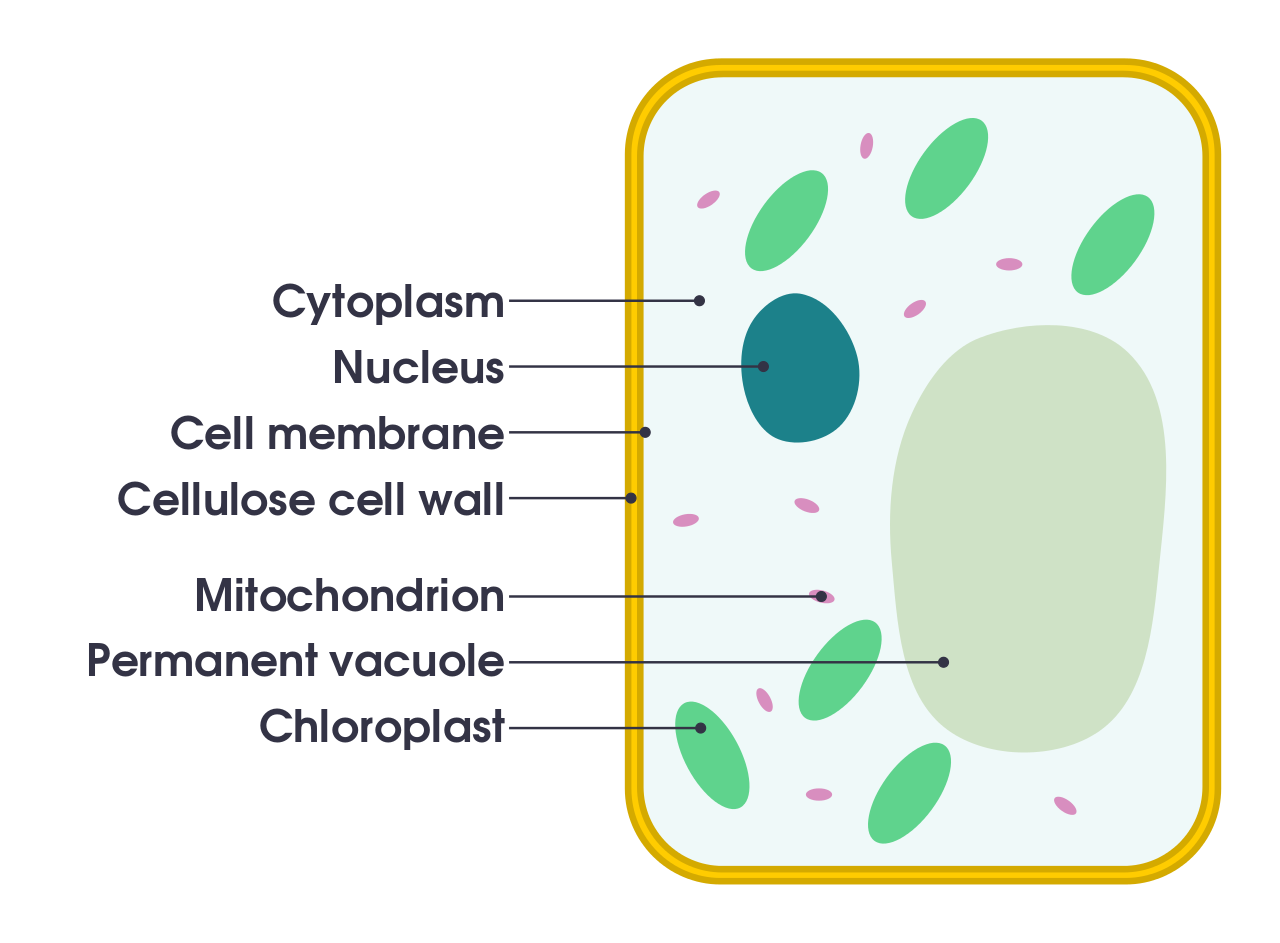
- Plant Cells
- Rigid cell wall
- Made out of cellulose. It supports the cell and strengthens it
- Permanent vacuole
- Contains cell sap - a weak solution of sugar and salts
- Chloroplasts
- Where photosynthesis takes places - makes 'food' for the plant. It contains a green substace called chlorophyll, which absorbs the sunlight
- Rigid cell wall
- Animal Cells
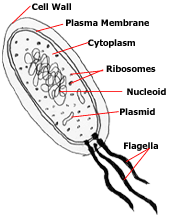
- Prokaryotic cells
- Bacteria
- Don't have a true nucleus - instead they have a single circular thread of DNA that floats freely in the cytoplasm
- May contain one or more small rins of DNA called plasmids
- No chloroplasts or mitochondria
- Bacteria
- Eukaryotic Cells
Differentiation and specialisation
- Differentiation is the process by which a cell changes to become specialised for a job. As a cell specialises, the sub-celluar structures change and turn into different types of cells.
- This allows them to carry out specific funtions.
- Most differentiation occurs as an organism develops.
- In animals cells the ability to differentiate is lost at an early stage but plant cells do not lose this ability.
- Cells that differentiate in mature animals are mainly used for repairing or replacing cells, such as skin or blood cells.
- Undifferentiated cells are called stem cells.
- Examples of specialised cells
- Sperm cells
- Specialised for reproduction - long tail and streamlined head to help it swim to the egg.
- Lots of mitochondria to provide energy.
- Enzymes to digest through the egg cel membrane.
- Nerve cells
- Specialises for rapid signalling.
- Carry electical signals from one part of the body to another.
- Long and branched connections at their end to connect to other onerve cells and form a network throughout the body.
- Muscle cells
- Specialised for contraction.
- Long and contain lots of mitochondria to generate the energy needed for contraction.
- Phloem and xylem
- Specialised for transporting substances.
- These cells form phloem and xylem tubes which transport substances such as food and water around plants.
- The cells are long and joined at the end to form tubes
- Xylem tubes are hollow in the centre and phloem have very few sub-celluar structures so that substances can flow through them.
- Root hair cells
- Specialised for absorbing water and minerals.
- They are on the surface of plant roots, which grow into long "hairs" that stick out into the soil.
- This gives the plant a large surface area for absorbing water and mineral ions from the soil.
- Sperm cells
- Differentiation is the process by which a cell changes to become specialised for a job. As a cell specialises, the sub-celluar structures change and turn into different types of cells.
Images and files in the map
Information
- Description
- GCSE cells revision mindmap (unfinished)
- Created by
- Poke Maniac
- Views
- 11
- Rating