
Notes
Cell Structure
Content of the notes (3)
Page 1
All living things are made up of cells.
An organelle is a specialised structure inside a cell that performs a particular function.
The different parts of a cell are called subcellular structure.
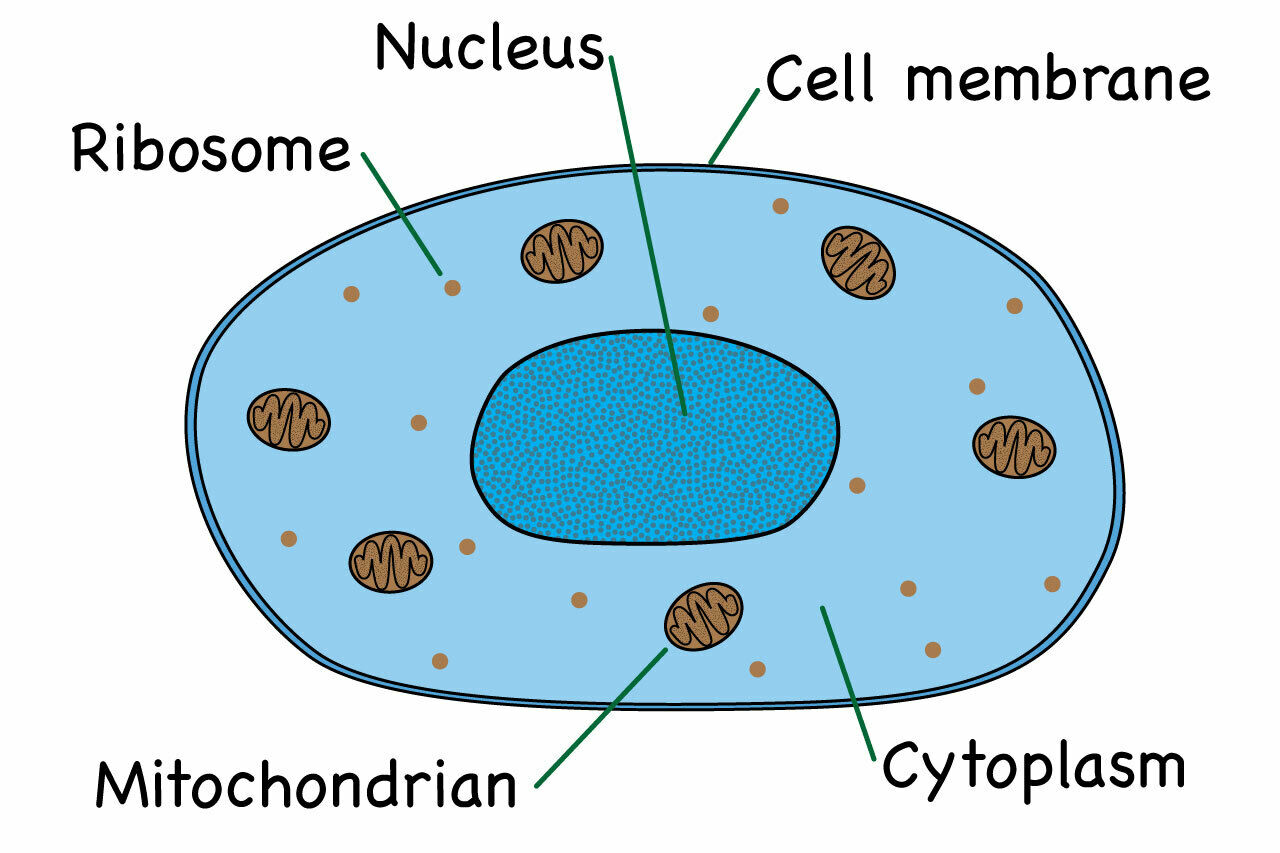
Animal Cells-
Nucleus- contains genetic material that controls the activities of the cell
Cytoplasm- gel-like substance where most of the chemical reactions happen and it contains enzymes that control these reactions
Cell Membrane- holds the cell together and controls the entry and exit of substances in the cell - semi- permeable
Mitochondria- here sugar and oxygen react together to release energy that the cells need to work by the process of aerobic respiration.
Ribosomes- these are where proteins are made in the cell
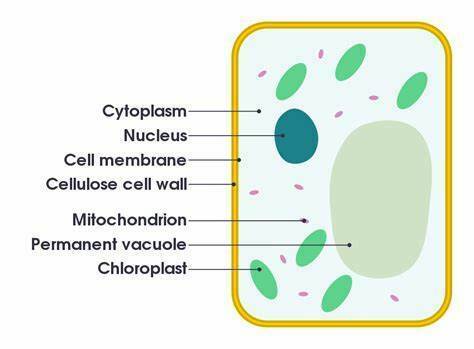
Plant Cells-
Plant cells usually have all the organelles that animal cells have, plus a few extra ones:
Rigid Cell Wall- made of cellulose and supports and strengthens the cell
Permanent Vacuole- contains cell sap, a weak solution of sugar and salts
Chloroplasts- these contain a green substance called chlorophyll, which absorbs light needed for photosynthesis needed to make food for the plant
Cells can be either prokaryote or eukaryote. Eukaryotes (plants and animals) have a nucleus around them with a membrane around it to hold the genetic information inside.
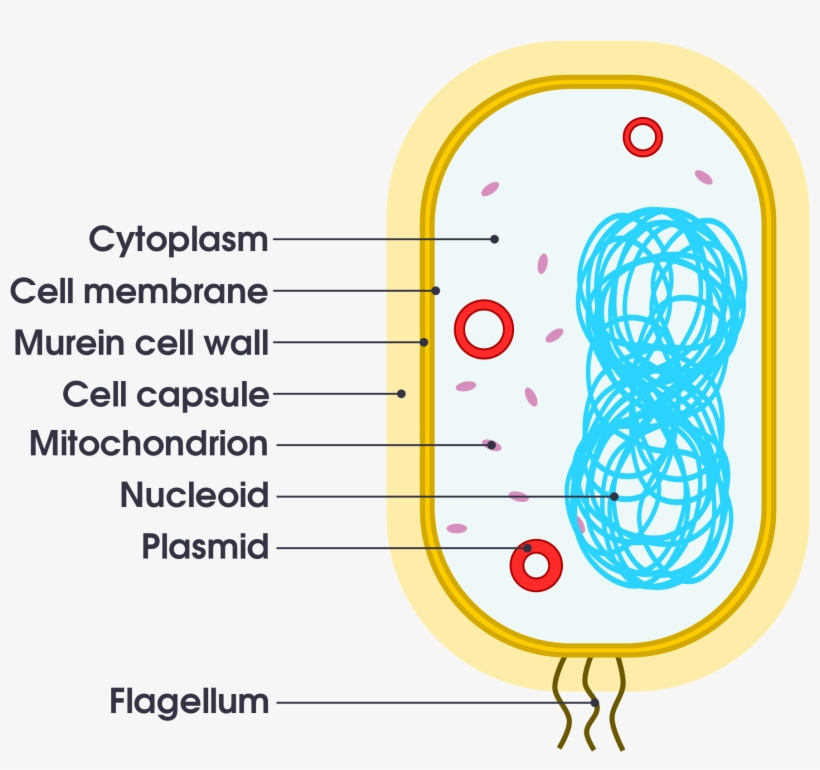
Bacterial Cells-
Prokaryotes such as bacteria and algae are single-celled organisms.
Bacteria don't have chloroplasts or mitochondria
They don't have a true 'nucleus'- instead they have a single circular strand of DNA that float freely in the cytoplasm
They also may contain one or more small rings of DNA called plasmids.
Prokaryotic cells are smaller than eukaryotic cells
Page 2
Cell Differentiation:
Differentiation is the process which a cell changes o become specialised for its job
As cells change, they develop different subcellular structures and turn into different types of cell. This allows them to carry out specific functions.
Most differentiation occurs as an organism develops. In most animal cells, the ability to differentiate is lost at an early age, after they become specialised. However, a lot of plants never lose this ability.
The cells that differentiate are mainly used for repairing and replacing cells, such as skin or blood cells.
Specialised Cells: A cell that has been adapted to have special features to perform a particular function.
Animal/Plant Function Adaptation
Sperm- Animal to fertilise an egg cell long tail and streamlined head to swim easily towards the egg, lots of mitochondria for energy, carries enzymes in its head to digest through the egg cell membrane
Nerve Animal carry electrical impulses from these cells are long (to cover more distance) one part of the body to another branched connections at their ends to connect to other cells and form a network throughout the body
Muscle- Animal contact quickly to allow movement these cells are long (space to contract), lots of mitochondria to release energy needed for contraction
Red blood- Animal transport oxygen around the body no nucleus so more haemoglobin, bi-concave shape- larger surface area so more oxygen can be transported
White blood- Animal protect body from pathogens nucleus changes shape to engulf bacteria, lots of ribosomes to make enzymes and antibodies to destroy pathogen
Palisade Leaf -Plant carry out photosynthesis absorb more light: 1) lots of chloroplasts 2) tightly packed together 3) near the upper surface of the cell
stomata- for efficient diffusion of oxygen and carbon dioxide
Root hair- Plant absorbing water and minerals long hairs that stick into the soil giving the plant a large surface for absorbing water and mineral ions more effeciently
Xylem transport water and mineral ions from the roots cells are essentially dead to allow free passage of water no walls in between to form continuous hollow tubes so the substances can flow through
Page 3
Information
- Description
- Key Stage 3 Biology Note on Cell Structure, created by Pahal Sharma on 07/02/2024.
- Created by
- Pahal Sharma · Feb 2024
- Updated
- Feb 9, 2024
- Views
- 4
- Rating