
health and diet
Slides in this set (13)
-
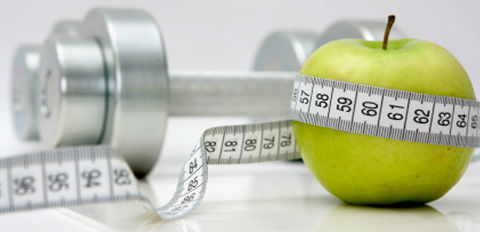
- what is a healthy diet?
- the right balance of the different foods you need and the right amount of energy
- what is it called when you dont have a balanced diet?
- if you dont have a balanced diet, you are said to be malnourished
- SO What Are The Different Types Of Things You Need In Your Diet? ....
-
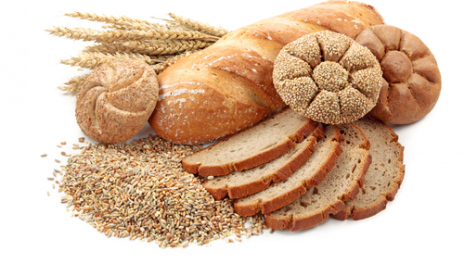
- Carbohydrates are needed to release energy
-
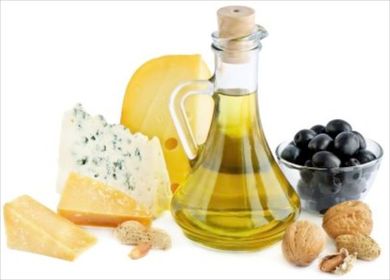
- Fats are needed to keep warm and to release energy
-
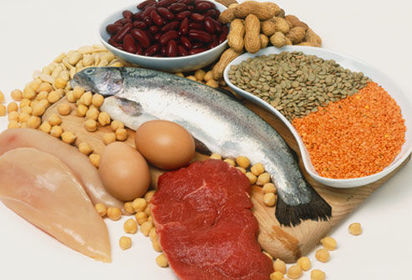
- Protein is needed for growth, cell repair and cell replacement.
-
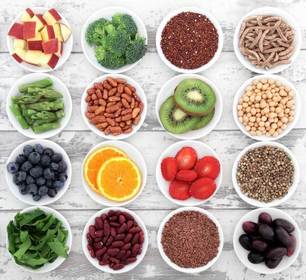
- Fibre is needed to keep everything moving smoothly through your digestive system
-
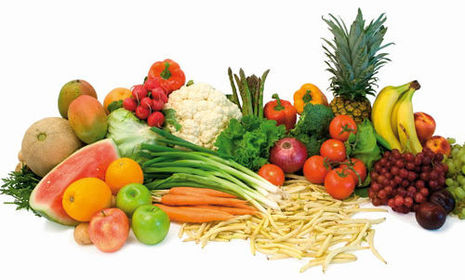
- Tiny amounts of various vitamins and mineral ions are needed to keep your skin bones blood and everything else generally healthy.
-
- People you need energy to fuel the chemical reactions in the body that keep you alive.
- These reactions are called your metabolism and the rate at which they occur is your metabolic rate.
- There are slight variations in the resting metabolic rate of different people
- for example, muscle needs more energy than fatty tissue which means (all other things being equal) people with a higher proportion of muscle to fat in their bodies will have a higher metabolic rate
- another factor is how physically big you are, the bigger you are, the more cells you have so therefore the mrs energy you need.
- men tend to have a higher rate than women because they tend to be bigger and have a higher proportion of muscle
- regular exercise can boost your metabolic rate because it builds muscle
-
What happens if your diet is not balanced?
- People whose diet is badly out of balance are said to be malnourished - malnourished people can be fat or thin or unhealthy in another way
- Eating too much:
- excess carbohydrate or fat in the diet can lead to obesity
- obesity is a common disorder in developed countries - its defined as being : 20% or more over maximum recommended body mass
- hormonal problems can lead to obesity although the usual cause is a bad diet, overeating and a lack of exercise.
- health problems that can arise as a result of obesity include : arthritis (inflammation of the joints), type 2 diabetes (inability to control blood sugar level), high blood pressure and heart disease, it is also a risk factor for some kinds of cancer.
- too much saturated fat in your diet can increase your blood cholesterol level
- eating too much salt can cause high blood pressure and heart problems
-
- eating too little:
- some people suffer from lack of food, particularly in developing countries
- the effets of malnutrition vary depending on what foods are missing from the diet. but problems commonly include slow growth in children, fatigue, poor resistance to infection and irregular periods in women
- defiiency diseases are caused by lack of vitamins or minerals. for example, a lack of vitamin c causes scurvy
- eating too little:
-

- exercise is important as well as diet- people who exercise regularly are usually healthier than those who dont
- exercise increases the amount of energy used by the body and decreases the amount sited as fat. it also builds muscle so it helps to boost your metabolic rate. so people who exercise are less likely to suffer from health problems such as obesity
- however, sometimes people can beg fit but not healthy. e.g. you can be physically fit and slim but malnourished at the same time because your diet isn't balanced
-
- its not just about what you eat and how much exercise you do - your health can depend on inherited factors too
- some prop;le may inherit factors that affect their metabolic rate e.g. an under active thyroid gland which can lower the metabolic rate and caue obesity
- other people may inherit factors that affect their blood cholesterol level
- cholesterol is a fatty substance thats essential for good health - it is found in every cell in the body. some inherited factors increase blood cholesterol lebel which increases the risk of heart disease
-
- people ose mass when the amount of energy they take in is less than the amount of energy they use up
- exercise increases the amount of energy expended by the body
-
- there are loads of slimming claims that aren't scientifically proven.
- look out for these things:
- is the report a scientific study, published in a reputable journal
- was it written by a qualified person
- was the sample of people asked or tested large enough to give reliable results
- have there been other studies which found similar results
- really all you need to do to lose weight is to take in less energy than you use so diets and slimming products only work if you:
- eat less fat or carbohydrate (so you take in less energy) or
- do more exercise so you use more energy
- some claims may be true but a little misleading e.g. low fat bars might be low in fat but eating them without changing the rest of your diet doesn't necessarily mean that you'll lose weight - you could still be taking in too much energy
Information
- Description
- GCSE Biology (unit 1) Slide Set on health and diet, created by janey.efen on 28/02/2016.
- Created by
- janey.efen · Feb 2016
- Updated
- Aug 25, 2017
- Views
- 471
- Tags
- Rating