
Notes
Polymers
Content of the notes (5)
Page 1
Making plastics
Polymer: A substance which has very long molecules made up of many small molecules joined together
Plastic: Any synthetic or semi-synthetic organic polymer. There are two types of plastic:
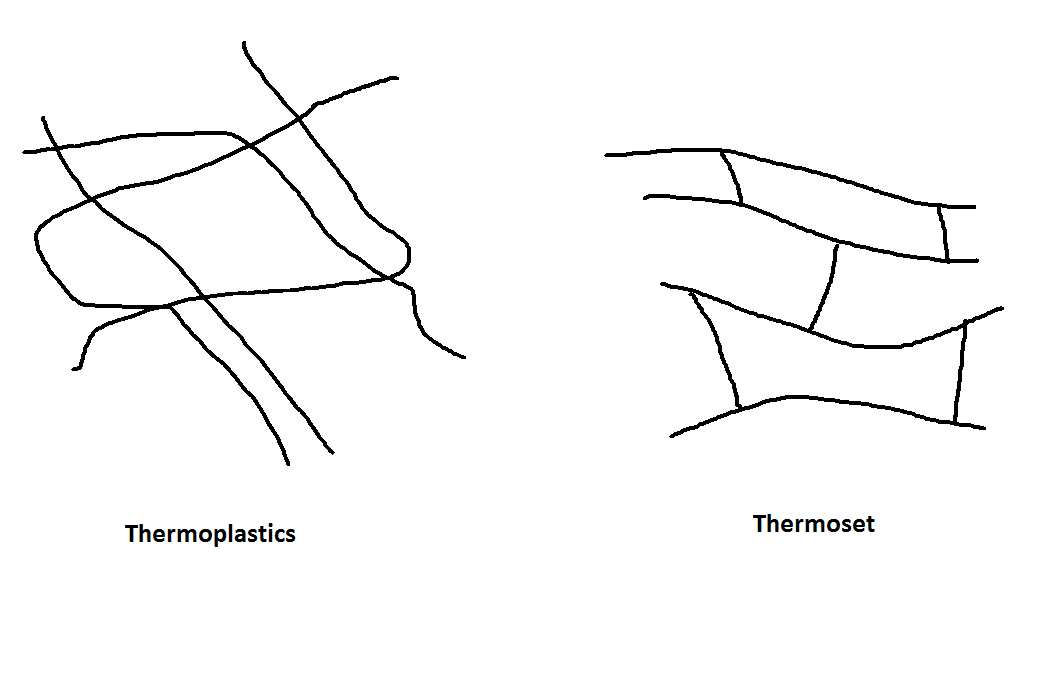
Thermoplastics:
Plastics that soften when heated
Used in bowls, buckets, packaging
Made up of polymer chains that are not linked up and so can slide over each other
Thermosets:
Resistant to heat and do not soften when heated
Used in electric light fittings, saucepan handles
Strong cross linkages hold the structure together and makes them resistant to heat
Made in a liquid form, then placed in a mould and allowed to set
Page 2
Polymerisation
Monomers: The small molecules used to form polymers
Addition polymers: Made from only one type of monomer
Condensation polymers: Made from two or more different types of polymer
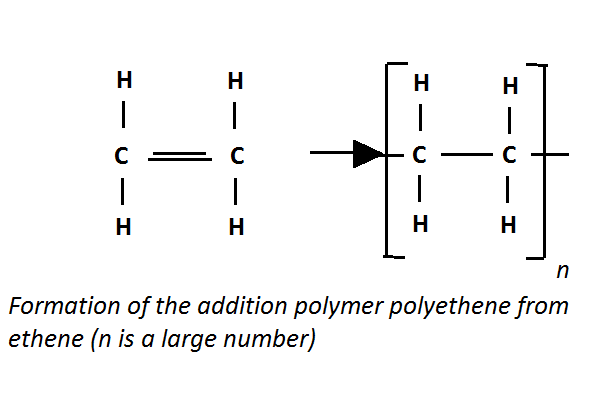
Polyethene is made by heating ethene under pressure. It is very strong and is commonly used in plastic carrier bags
The properties of polymers depend on what they are made from and the conditions under which they are made. For example, low density
(LD) and high density (HD) poly(ethene) are produced using different catalysts and reaction conditions.
Page 3
Different types of polymers
Nylon is tough, lightweight, keeps water out and keeps UV light out but does not let water vapour through it which means that sweat condenses on the inside of clothes made out of nylon.
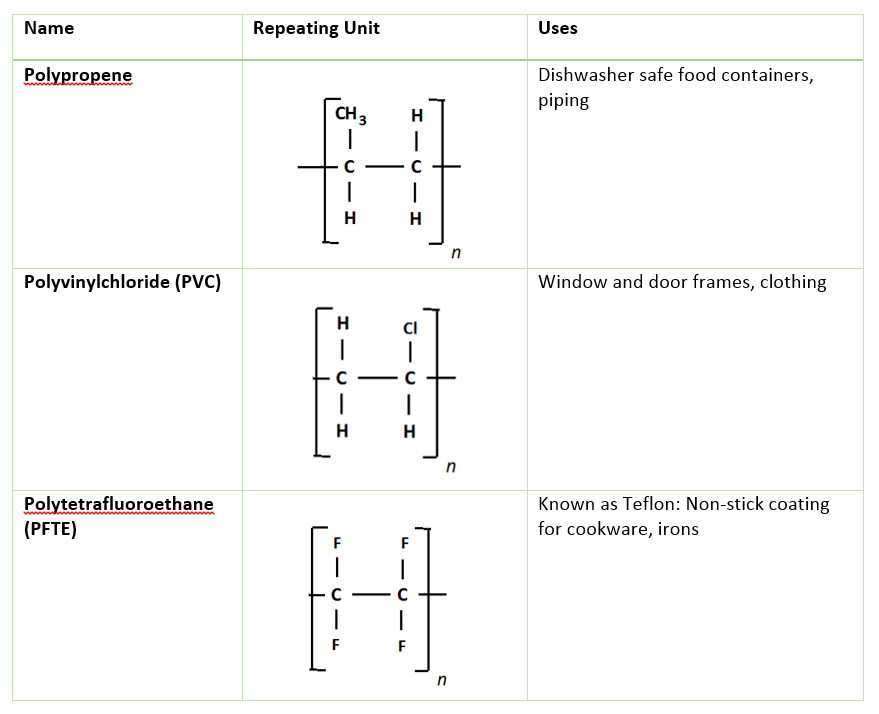
GORE-TEX material is made by coating nylon with a PFTE membrane. The holes in membrane are too small for water to
pass through but are big enough for water vapour to pass through. Therefore, GORE-TEX materials have all the positives of nylon but they are also breathable.
Factors that affect polymer properties:
1. Chain length: Longer chains get tangled with and stick to each other, making them harder to separate. This means polymers with longer chains have a higher melting point, strength and toughness
2. Cross-linking: Cross linking permanently attaches the chains to each other, increasing the rigidity, strength and hardness
3. Plasticizers: Plasticizers block the formation of intermolecular bonds by sitting between chains. This leads to the formation of a weak but flexible polymer.
4. Crystallinity: When a polymer is crystalline, it will be tightly packed with the chains parallel to each other. This leads to strong intermolecular forces between the chians, causing increases in strength and melting point.
Page 4
Plastics and the environment
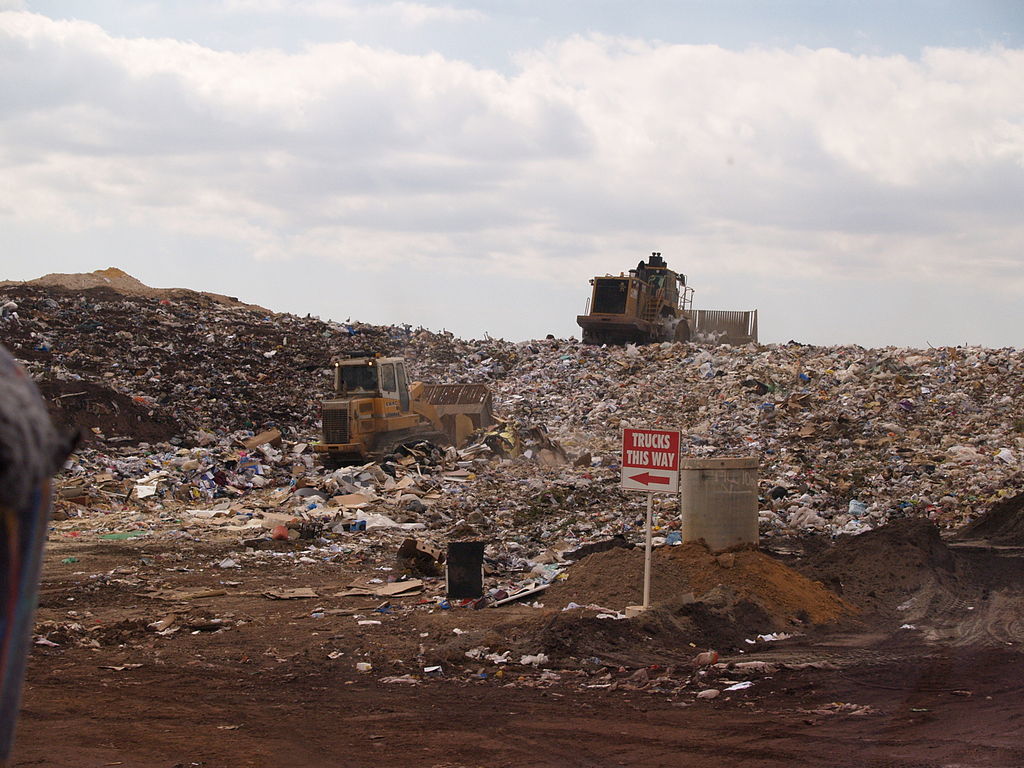
Nearly all plastics are nonbiodegradable (do not rot)
Because they do not rot away, plastics fill up landfill sites meaning new landfill sites need to be found
Advantages of recycling waste plastic:
Current landfill sites can be used for longer
Less oil used for plastic production
Less energy consumed
Page 5
Biological polymers
DNA is a polymer made from four different monomers called nucleotides
Starch is a polymer based on sugars
Proteins are polymers based on amino acids
Polyesters
Some polymers are made via condensation reactions.
Each time a condensation reaction occurs, a molecule of water is formed.
Polyester is formed in this way when a molecule containing two alcohol groups and a molecule containing two carboxylic acids combine.
Information
- Description
- User has deleted their subject information Note on Polymers, created by Deleted user on 06/07/2017.
- Created by
- Deleted user · Jul 2017
- Updated
- Jul 6, 2017
- Views
- 46
- History
-
- Created by Niamh Ryan · Jul 3, 2017
- Copied by Niamh Ryan · Jul 6, 2017
- Rating