
Ethics, Social Responsibility and Sustainability
5 resources created by 5 users
This GoConqr page gathers over 130 community-made resources on Ethics, Social Responsibility and Sustainability: quizzes, mind maps, flashcards and notes to revise and practise with.
Top Ethics, Social Responsibility and Sustainability resources
Mind maps
Flashcards
More Marketing, advertising and sales topics
About Ethics, Social Responsibility and Sustainability
GoConqr OriginalWhat the page covers
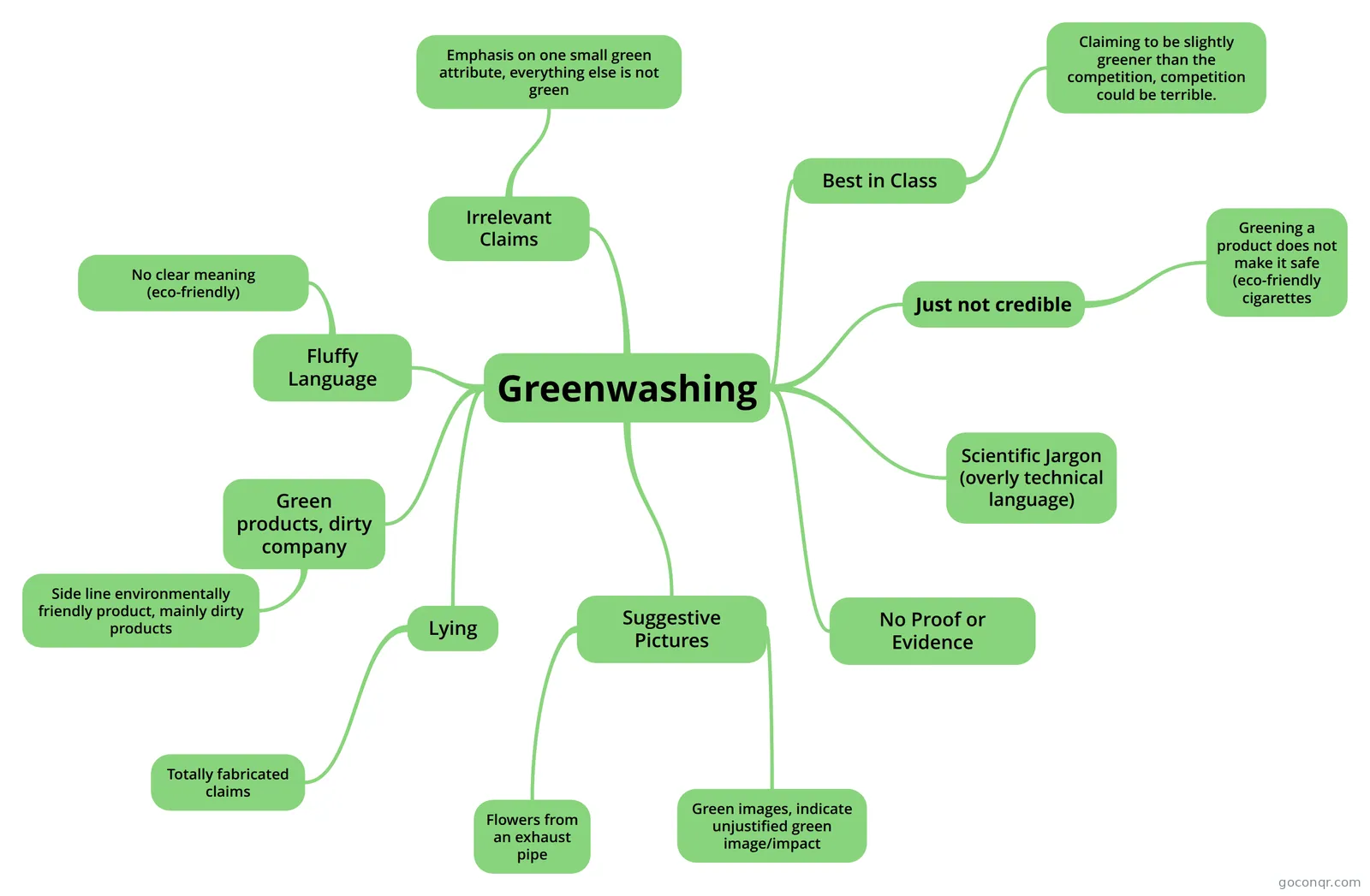
The unit looks at how marketing meets society. Many of the resources are mind maps, and they move from big ideas to specific cases. The Greenwashing map breaks down warning signs such as no proof or evidence, overly technical language, irrelevant claims and stressing one small green attribute. The Chapter 20 map on social responsibility and ethics sets out sustainable marketing and four marketing concepts, including the societal marketing concept.
Where to start
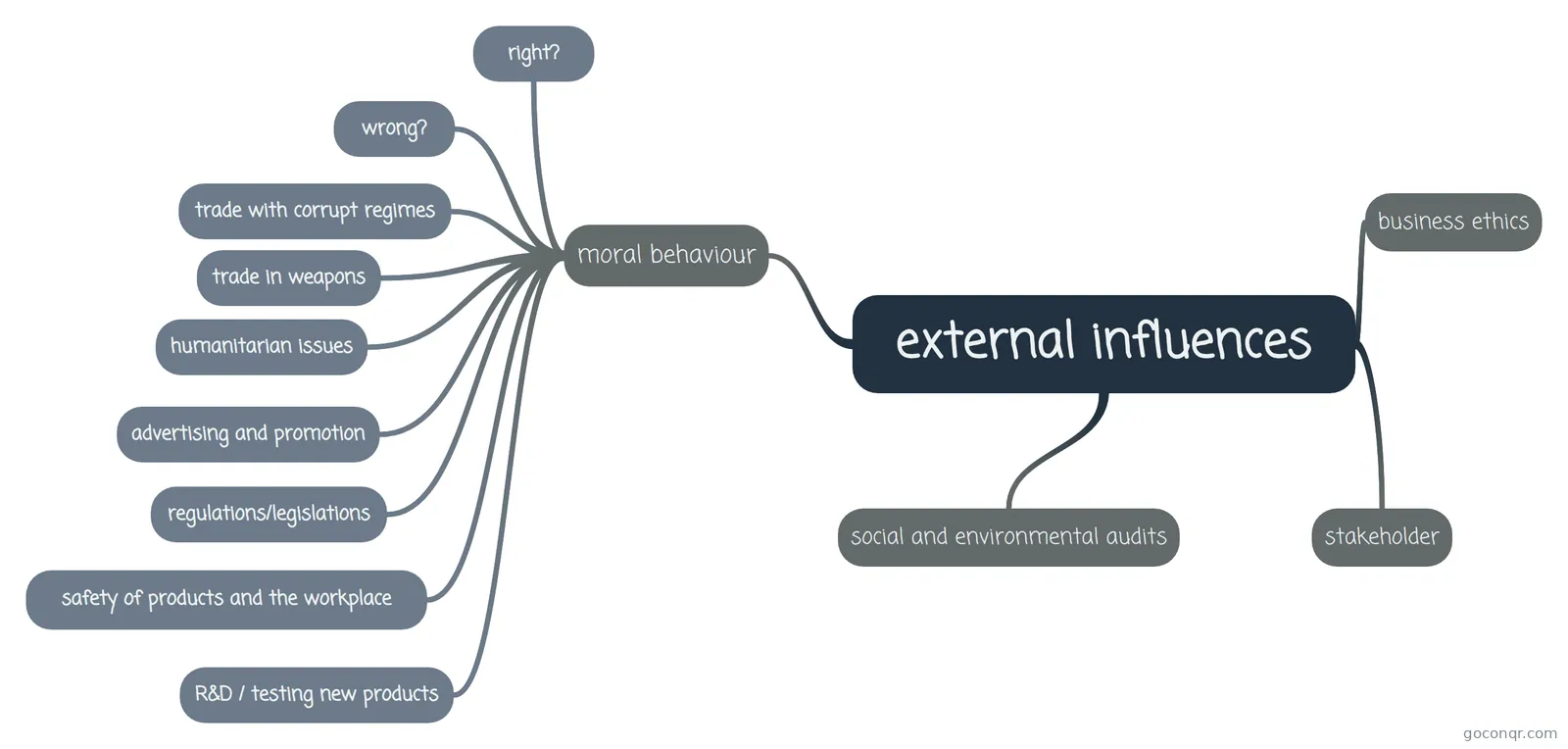
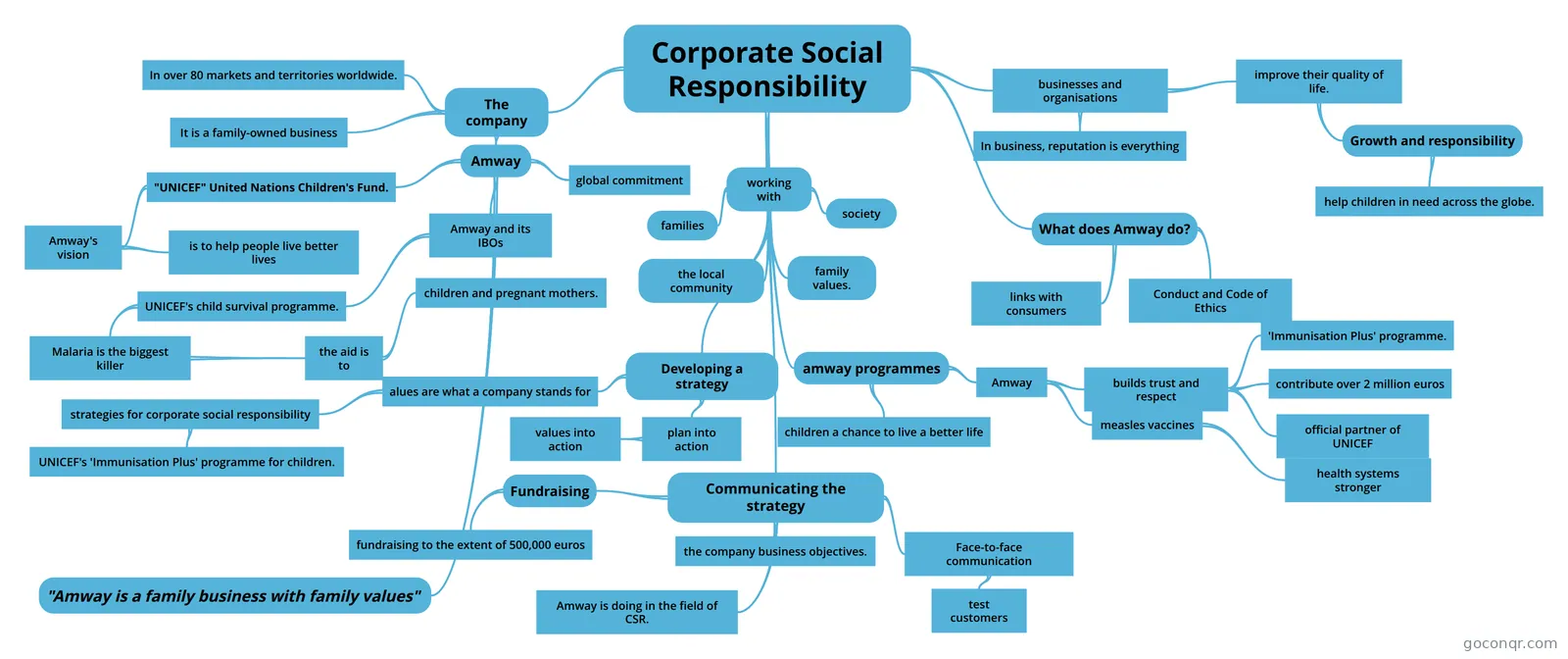
Begin with the foundations. The note called Ethics gives a definition, and the Ethics mind map lays out individual and situational influences, moral framing and moral intensity. Then move to the CSR mind map, which lists types of activity such as community support, diversity, employee support, environment and product.
- Read the Ethics note and map.
- Move to CSR and Sustainable marketing.
- Look at cases, then take a quiz.
Cases and examples
Cases make the theory easier to remember. The Ben and Jerry's Sustainable Marketing Techniques map covers community involvement and activism, fairtrade, and cage-free and free range eggs. You will also find a NIKE case study, a Kellogg's case flowchart, and maps on Natura & co and Crepes & Waffles. Try explaining each company's approach in your own words.
Using quizzes and maps together
Read a map first, then take a quiz such as Marketing Man Lecture 10 Sustainability and Ethics. Note the questions you miss and go back to the matching branch of the map. The flashcard decks, including Marketing Ethics and Greenwashing, are handy for definitions such as utilitarianism or the three types of corporate social responsibility. Teachers can use the maps as starting points for discussion or set a quiz as a quick check.
Where it fits
This unit sits in the strand Marketing Contexts and Society, within Marketing, advertising and sales. Pick a map that matches your current topic, then try a quiz or build your own flashcards from what you read.
Frequently asked questions
Which resource should I open first?
Start with the Ethics note for a definition, then the Ethics mind map for the influences on ethical decisions. After that, the CSR mind map shows the main types of social responsibility activity. These give you the vocabulary you need before moving on to cases.
What do the greenwashing resources cover?
The Greenwashing mind map lists warning signs, including no proof or evidence, overly technical language, irrelevant claims, and emphasis on one small green attribute. There is also a Greenwashing flashcard deck, so you can check your recall of the same ideas after reading the map.
Are there real company examples?
Yes. You can open the Ben and Jerry's Sustainable Marketing Techniques map, the NIKE case study, the Kellogg's case flowchart, and maps on Natura & co and Crepes & Waffles. They are useful for practising how to apply ideas to a real business.
Are the resources free, and who made them?
Every resource on this page is free to open, study and take, with no account needed. They were made by GoConqr users, not by GoConqr itself. A free account lets you save quiz scores and create your own maps, flashcards, quizzes and notes.
Which levels do these resources suit?
Most of the material is at university level, with a smaller share suited to school students. University students can use the chapter maps and quizzes, while school students can begin with the ethics note and the simpler definitions in the flashcard decks.
What if I cannot find my topic?
Look through the related maps, since topics such as social marketing, green marketing and cause-related marketing have their own resources. If your topic is still missing, make your own mind map or flashcards from your course notes and keep them for revision.