
Programming Languages, Paradigms and Translators mind maps
542 mind maps by 442 users · Page 1 of 14
This GoConqr page gathers mind maps on programming languages, translators, formal languages and Haskell. School students and university students can use them to review these topics, while teachers can explore ready-made material. There are over 500 maps by more than 400 users, spanning school and university level. Pick a map to begin.
Select topic
- History of Programming Languages11
- Programming Language Types and Generations106
- Comparing and Choosing Programming Languages13
- Programming Paradigms23
- Variables, Functions and Scope9
- Functional Programming and Haskell38
- Haskell Modules and Libraries48
- Data Types and Typeclasses43
- Compilers, Interpreters and Assemblers81
- Stages of Compilation33
- Integrated Development Environments90
- Formal Languages and Grammars8
- Automata and Computability25
Mind maps
-
Formal Languages
-
Unit 2.5 - Translators and Facilities of Programs My Unit 2.5 OCR Computing Mind Map...
-
 2.5 Translators and facilities of languages
-
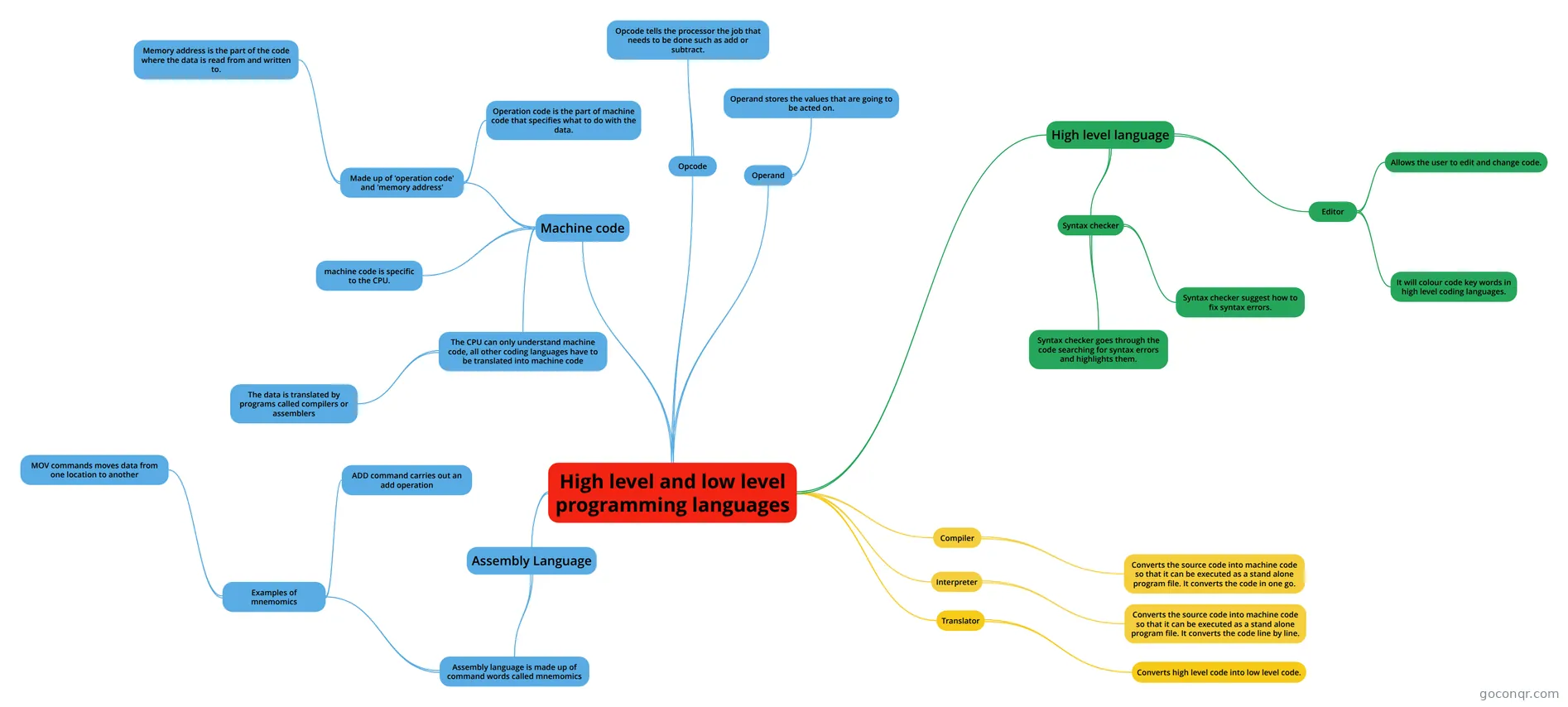 High level and low level programming languages
-
Python Andrea Toscana
-
Programming Languages
-
Programming Languages
-
Types and Typeclasses - Haskell
-
Haskell Modules Haskell Modules
-
3.3.6 High level programming paradigms Mind map for A2 Computing Master Mind Map *FINISHED*
-
3.3.6 Programming language paradigms
-
Cap 2 : Starting Out
-
Programming Lanuages
-
High and low-level languages
-
Programming Languages and Program Development Tools
-
Computer Science - Languages
-
Theory of computation
-
Programming Languages
-
Lenguajes de programación
-
SEMANTIC ANALYSIS
-
Modules
-
Making our own types and typeclass
-
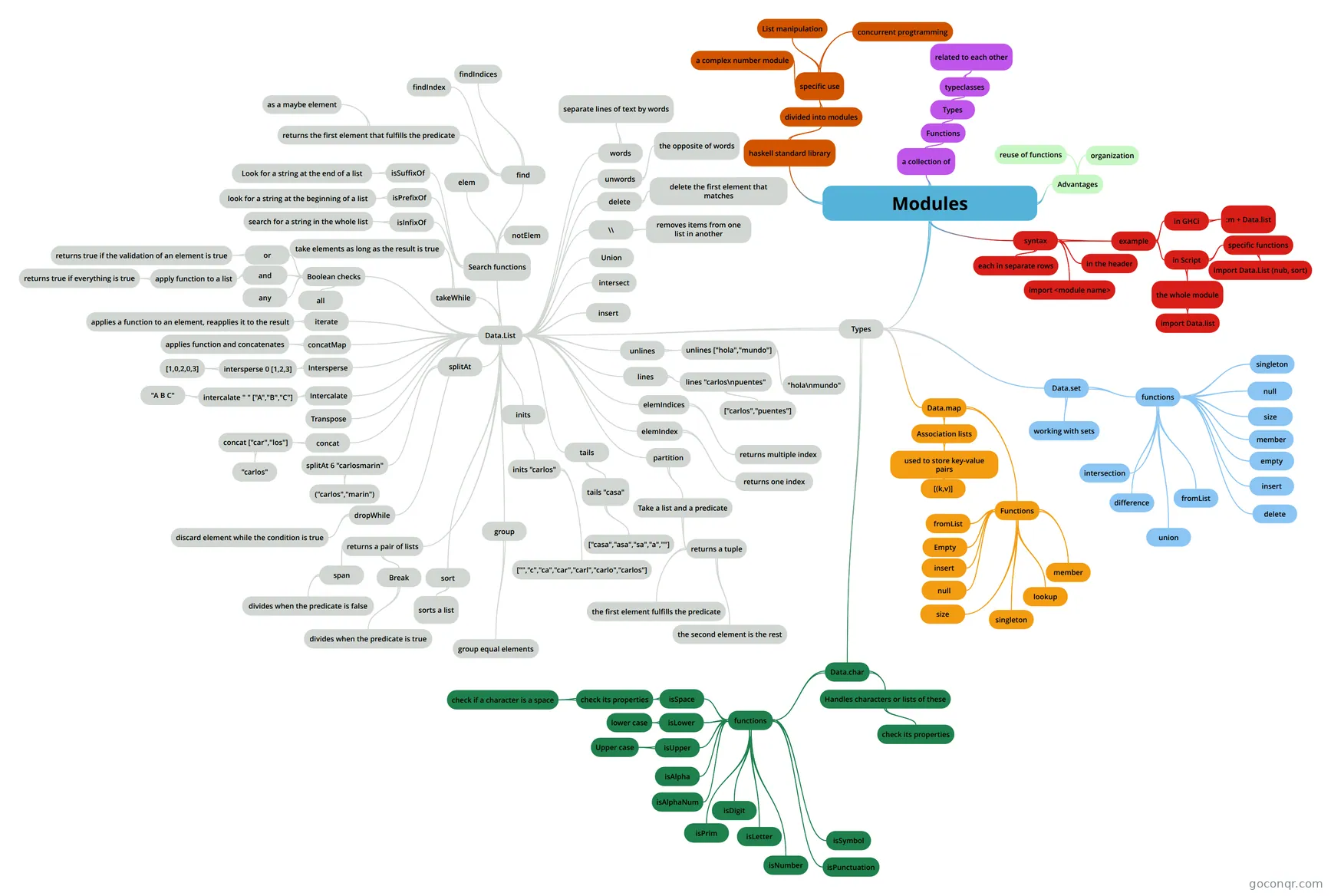 Modules
-
MODULES
-
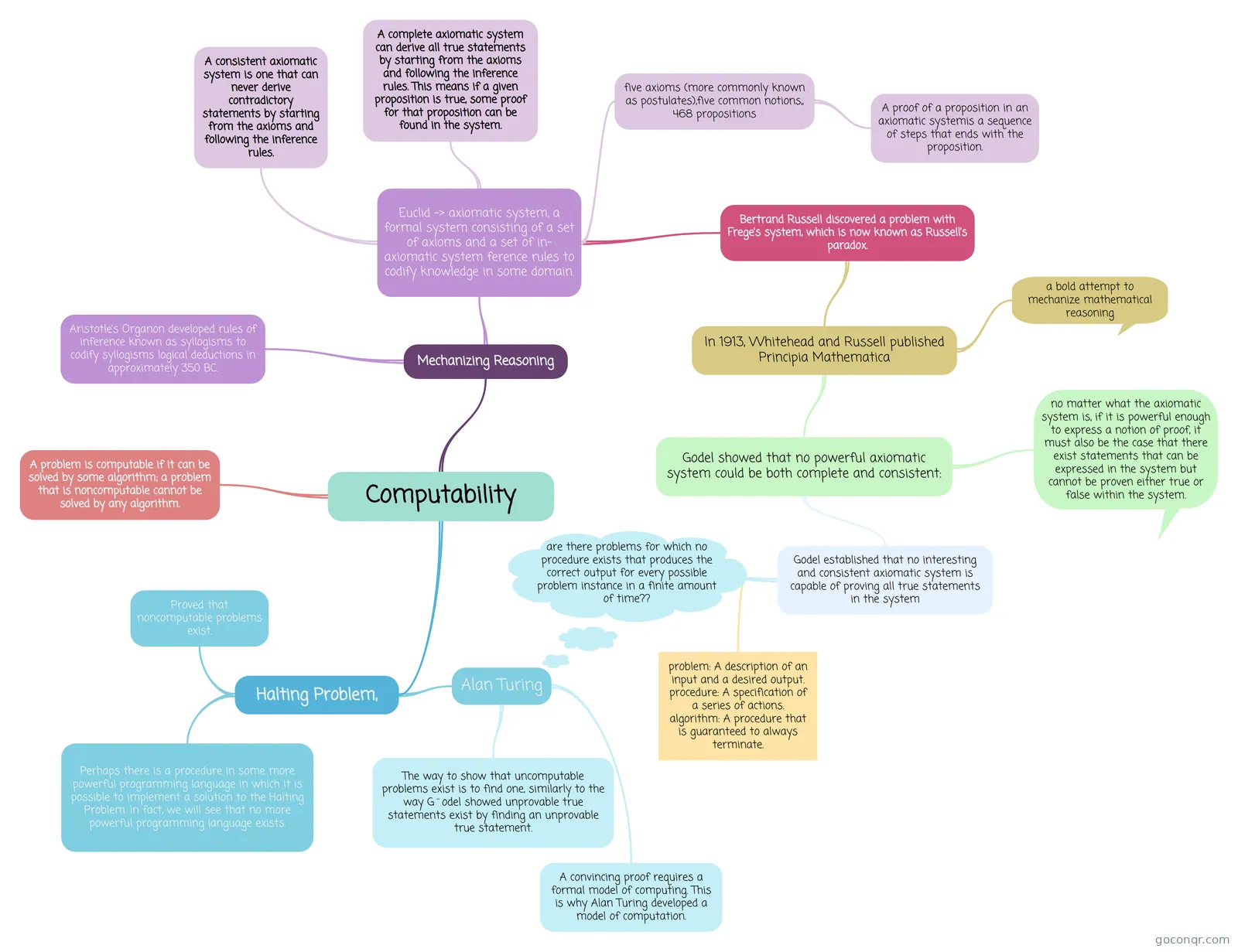 Computability Lectura
-
Process Oriented Programming (POP)
-
Software
-
Computer languages
-
Higher order functions
-
Introduce el texto aquí
-
Object Orientated Programming
-
Modules
-
COMPILER
-
COMPILER
-
Ciencia y Tecnología
-
Programming
-
What is programming language? Why python? What is programming language?
-
2.5 Translators and facilities of languages
-
Programming Languages
-
Creating Software
More Programming Languages, Paradigms and Translators resources
About programming languages, paradigms and translators mind maps
GoConqr OriginalProgramming Languages, Paradigms and Translators mind maps
These maps connect ideas across the unit. High level and low level programming languages covers assembly language and machine code, while Programming Languages includes translators and integrated development environments. For a different focus, Types and Typeclasses - Haskell maps out types and data.
Using the maps to revise
Start with the high-level and low-level languages map if you want to compare types of code. Follow its branches, then try recalling the main distinctions without looking. If you are studying language theory, Formal Languages brings grammars, regular expressions and automata together in one map.
Return to a branch when you need to check a term or see how ideas connect. For a change of practice, switch to a quiz on the unit page; flashcards there offer another way to revisit terms. Choose a topic and follow a map through its branches.
Frequently asked questions
Which mind map should I start with?
Try the map on high-level and low-level programming languages if you want to compare types of code. It includes assembly language and machine code. If you are looking for language theory instead, Formal Languages covers grammars, regular expressions and automata.
Are these mind maps free to use?
Yes. Every map listed here is free to open and study without an account. The resources were made by GoConqr users. A free account also lets you make your own mind maps, quizzes, flashcards and notes, and saves your quiz scores.
What levels do the maps suit?
The collection spans school and university level. School students can review topics such as high-level and low-level languages and translators, while university students can explore maps on formal languages and Haskell. Teachers can browse the user-made maps for material on these topics.