
Separating Mixtures mind maps
459 mind maps by 408 users · Page 1 of 12
This GoConqr page gathers over 440 Separating Mixtures mind maps, covering topics from solutions and filtration to chromatography and distillation. School students can use them to revise separation methods, while teachers can find material for lessons. Pick a map and start exploring.
Mind maps
-
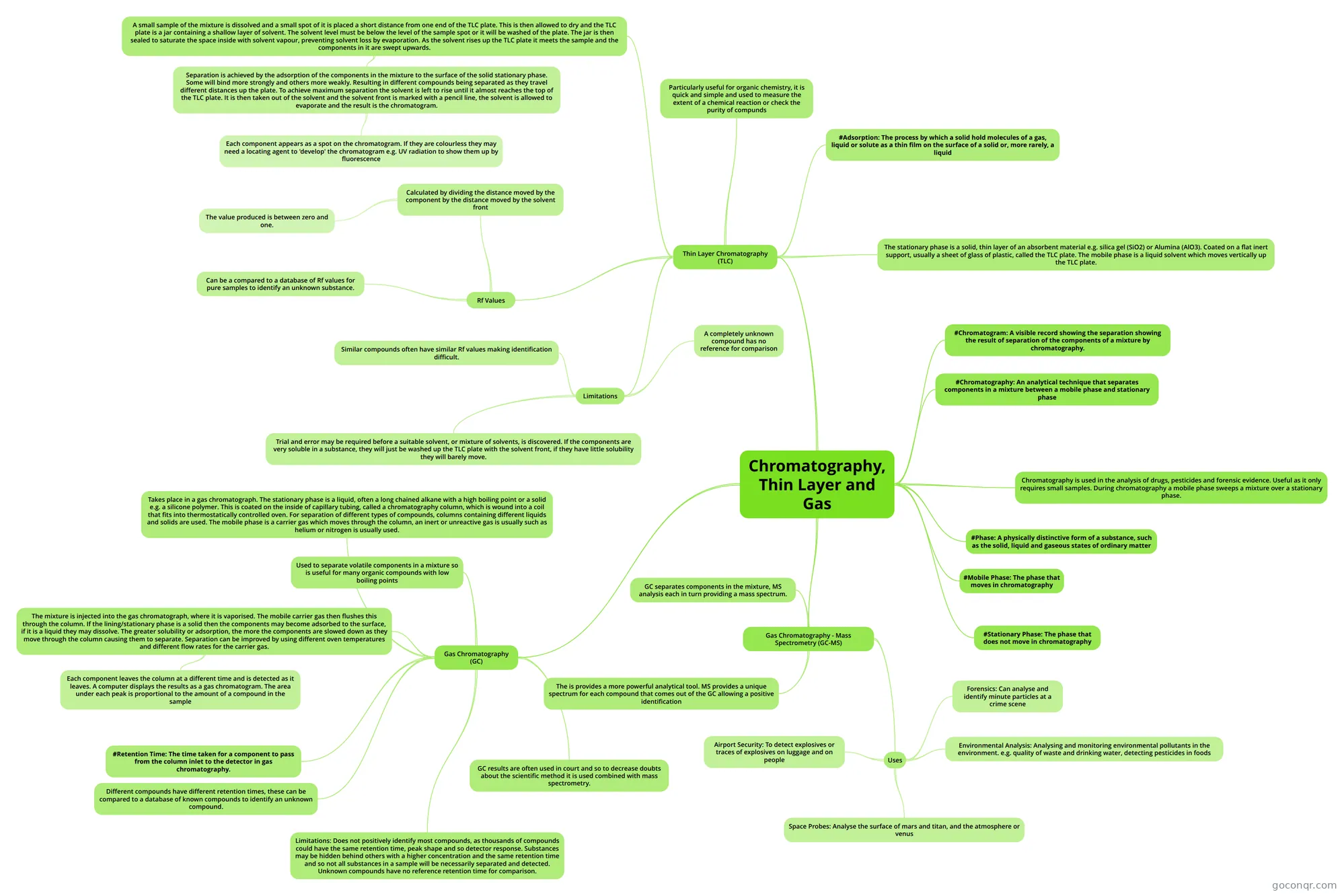 Chromatography, Thin Layer and Gas
-
Chromatography A complete mind map with information about chromatography using filter paper and gas to separate substances.
-
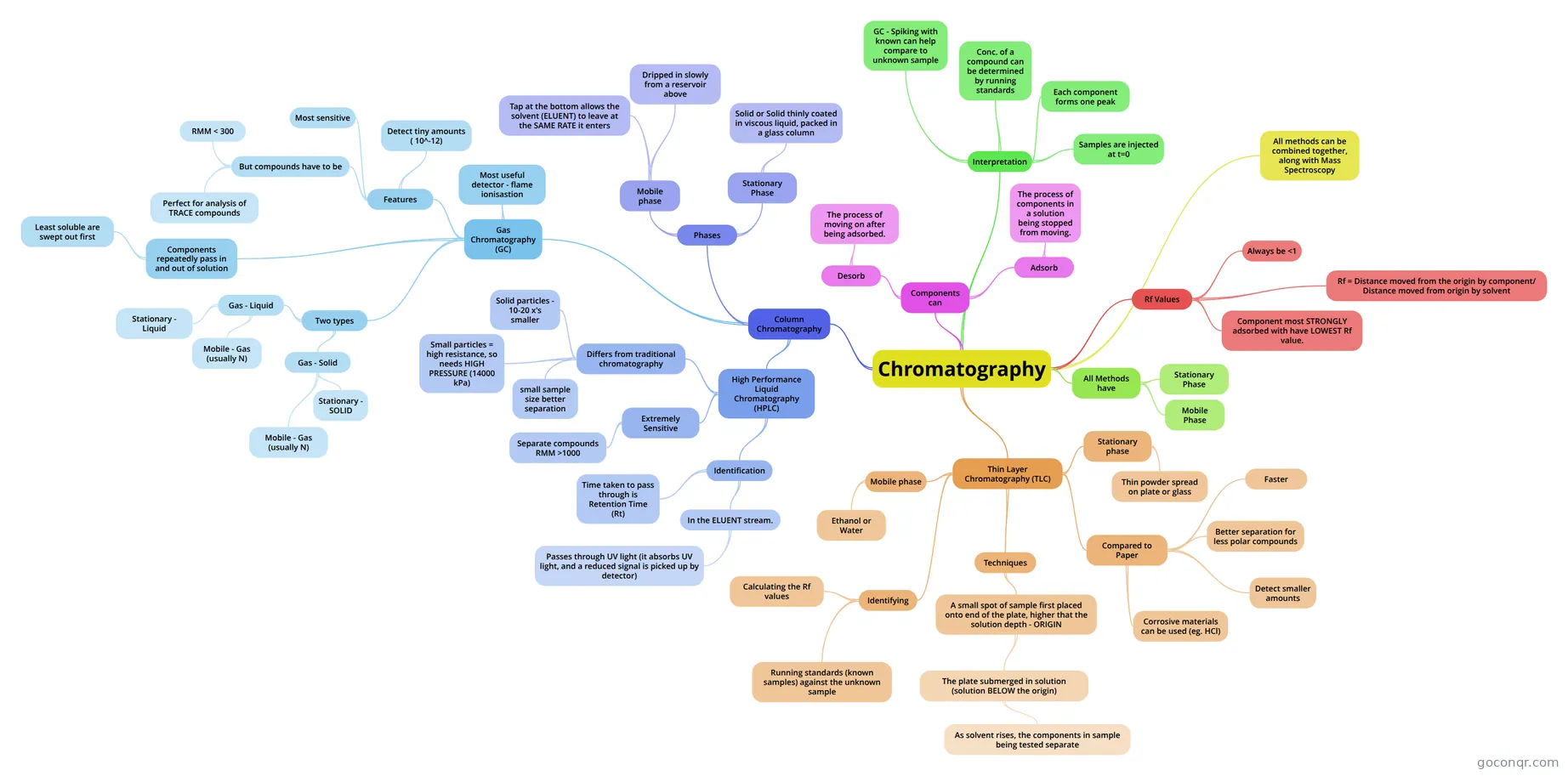 Chromatography
-
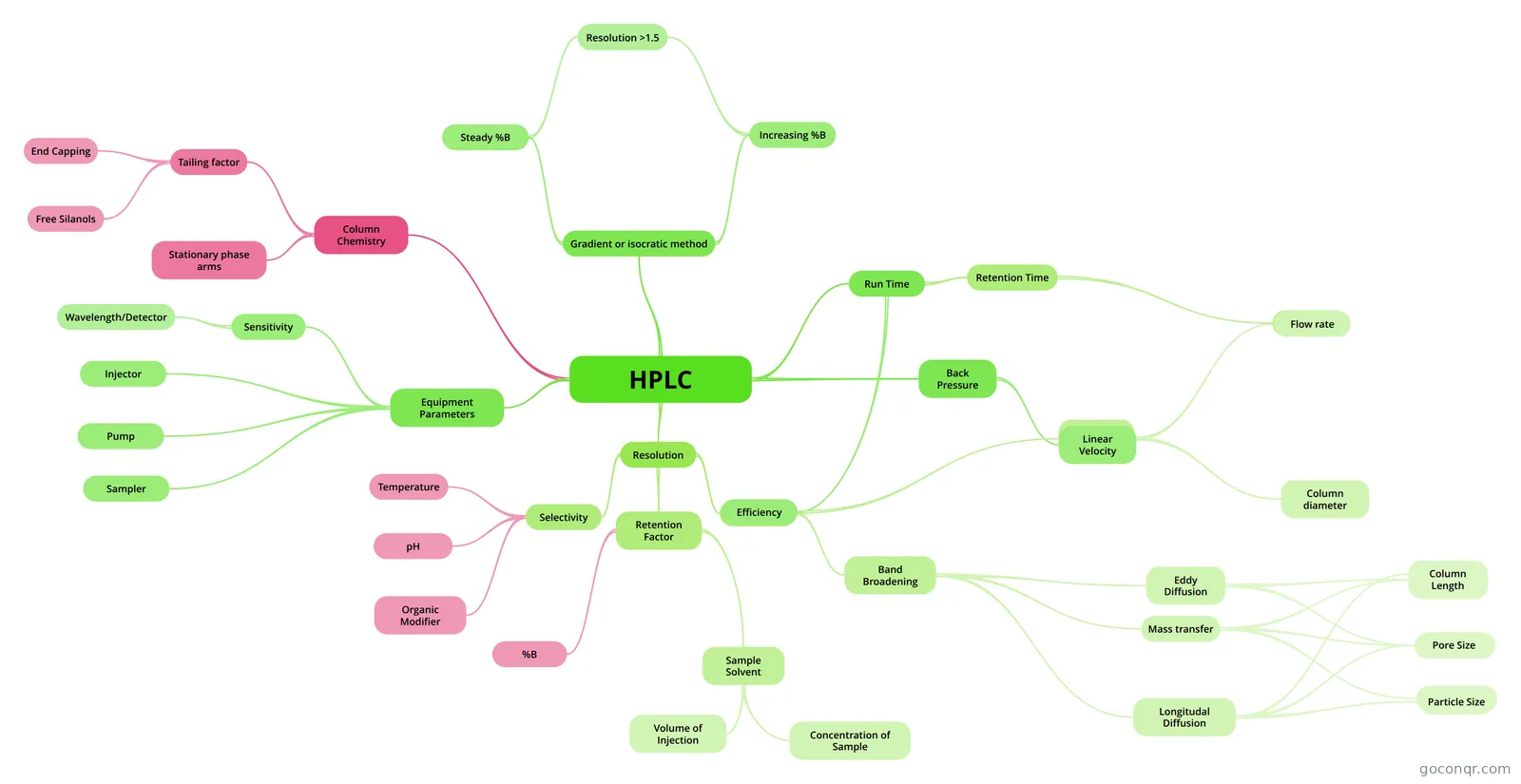 HPLC
-
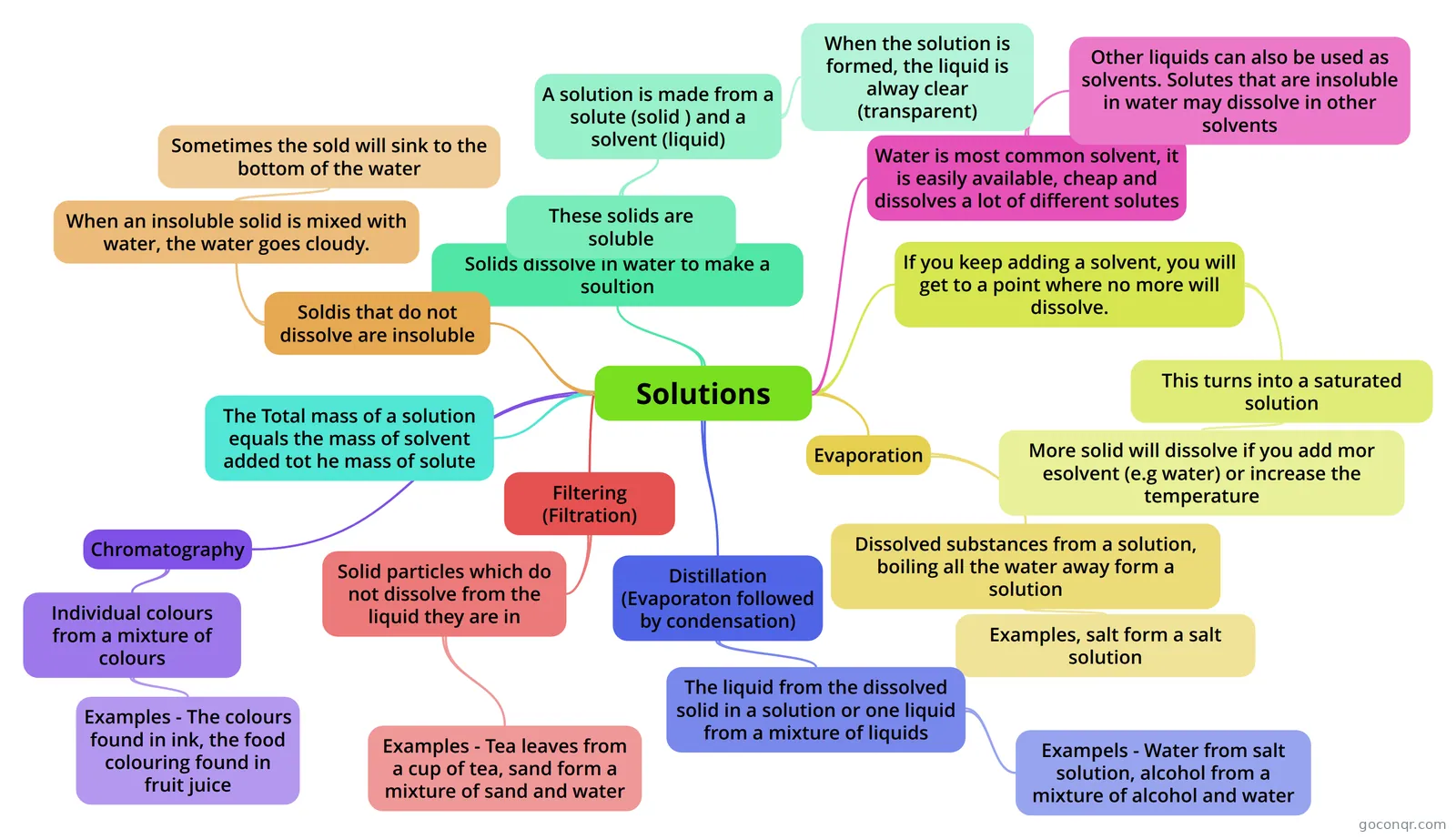 Solutions
-
Separating Substances
-
Separating Techniques
-
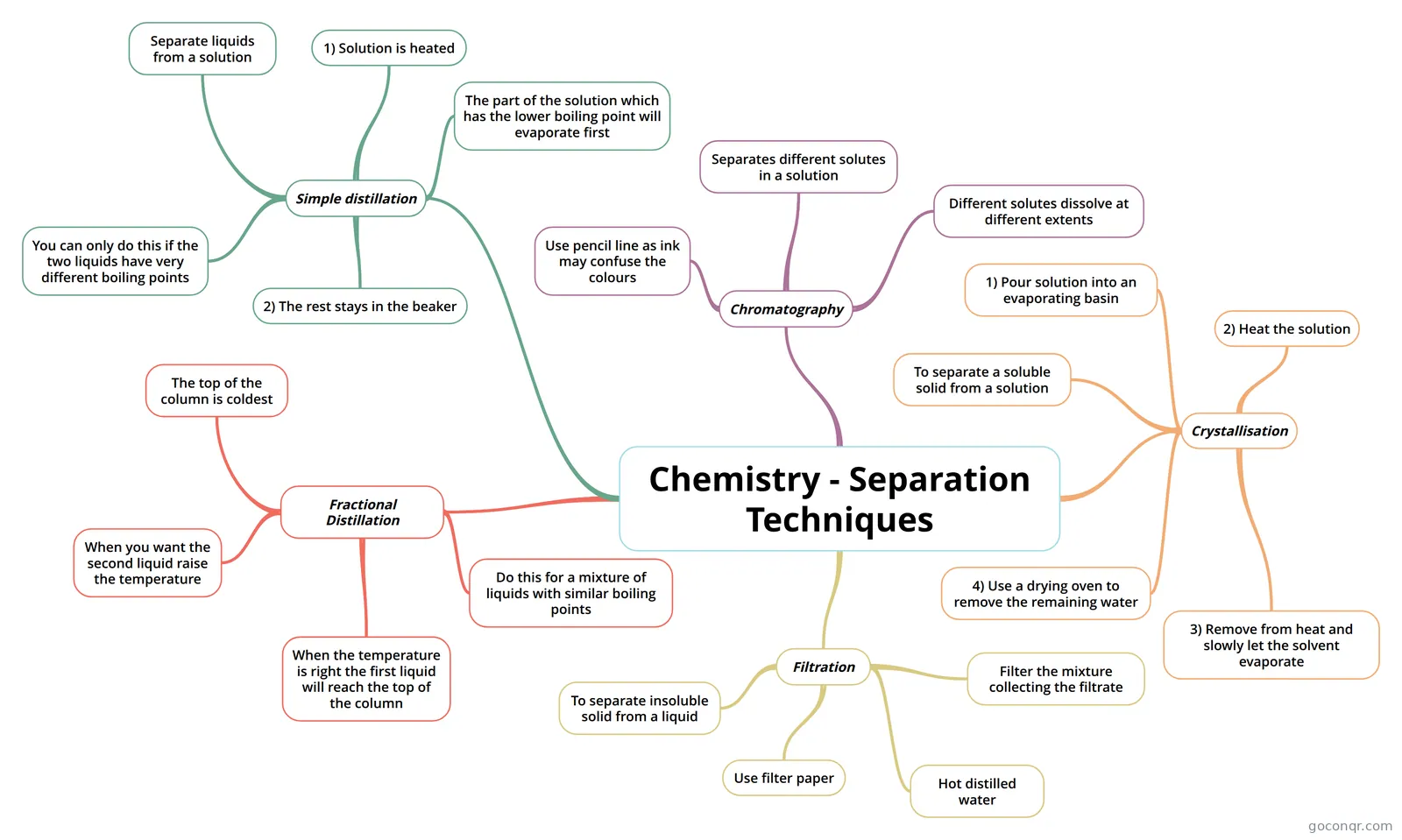 Chemistry - Separation Techniques
-
DISTILLATION
-
FILTRATION AND CRYSTALLISATION
-
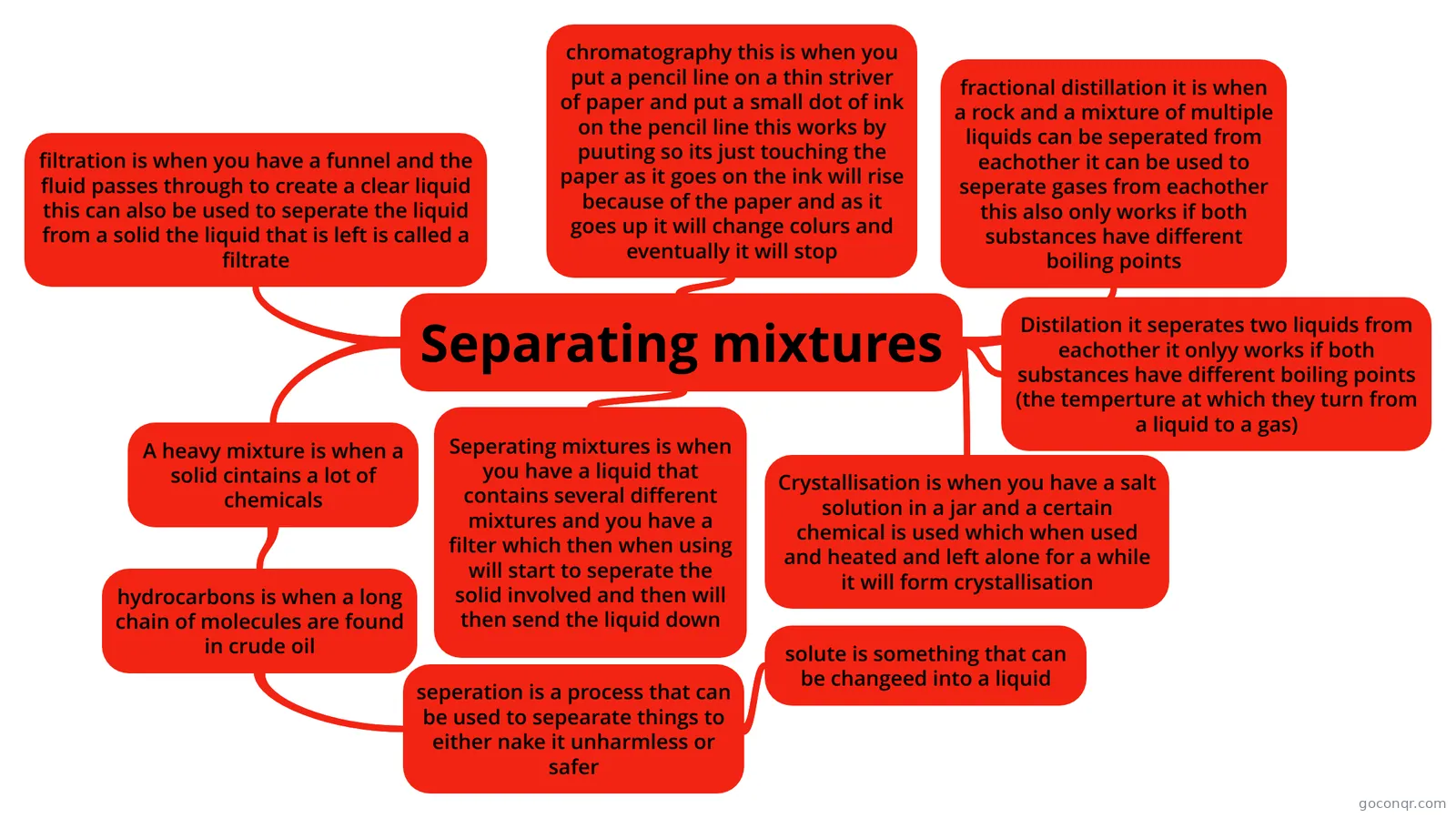 Separating mixtures revision
-
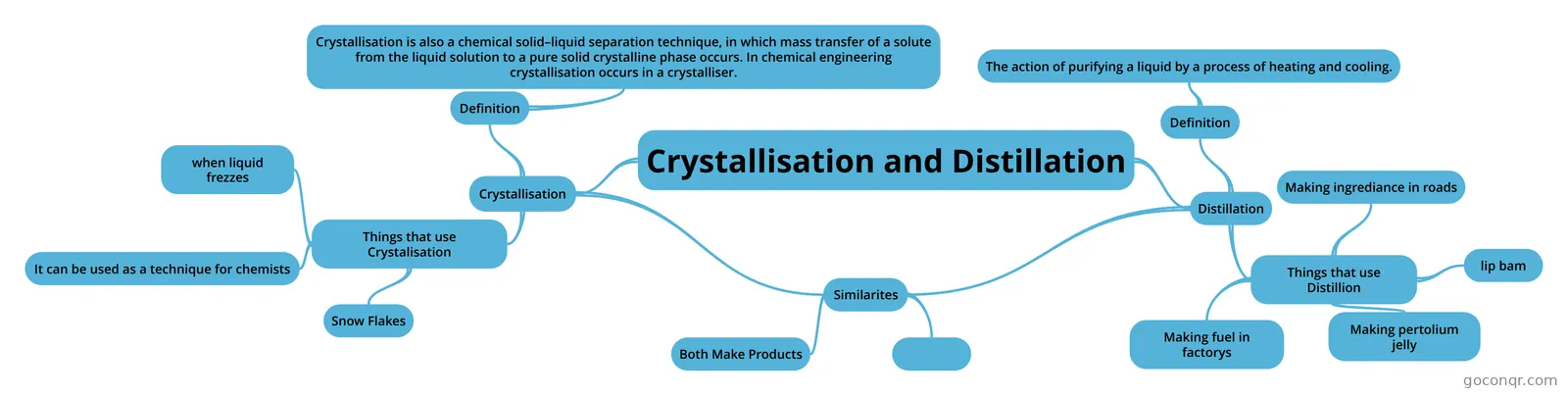 Crystallisation and Distillation Luke and Kyra's Science
-
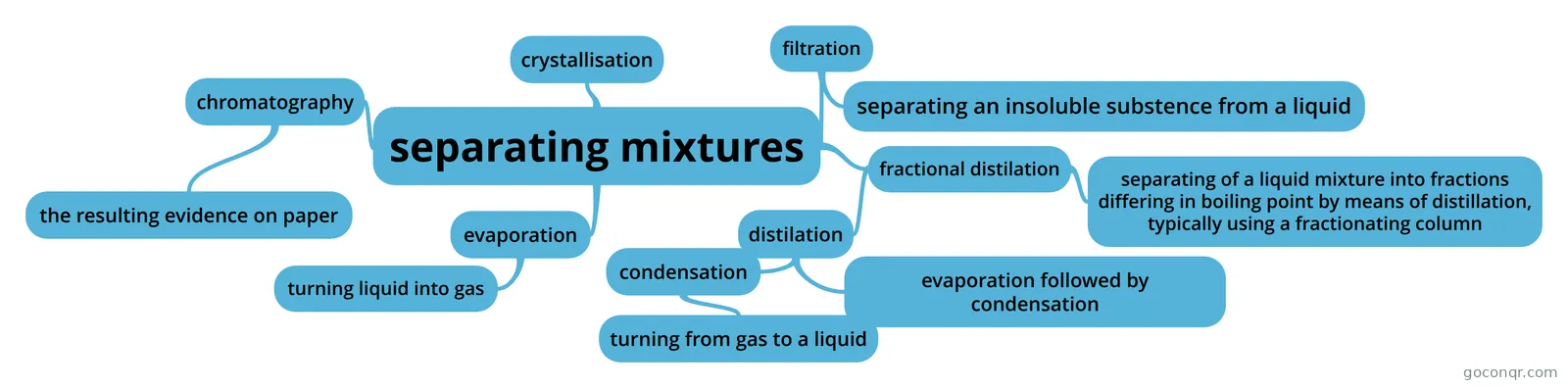 separating mixtures revison for chemistry
-
Chromatography
-
Paper Chromatography
-
Purification Methods (Making Pure Substances)
-
Atoms 2
-
Enzyme pstdergraduate degree analytical chemistry Mind Map on HPLC summary, created by Abdullah Gul Rayan on 25/06...
-
HPLC
-
Separating mixtures
-
Separating Mixtures
-
CAPILLARY ELECTROPHORESIS
-
C#2.2 2022
-
Chemistry
-
Chromatography (1)
-
Chemistry
-
SEPARATION TECHNIQUES
-
HPLC
-
Chromatography
-
How can water and free fatty acid present in used cooking oils be separated from the oil content?
-
Mechanisms of Separation
-
Chromatography
-
Chemistry- Separation Techniques
-
Separating a mixture
-
C1 Revision
-
Purification Techniques
-
Chromatography A complete mind map with information about chromatography using filter paper and gas to separate substances.
-
CHROMATOGRAPHY
-
Chromatography_1
-
Separation Techniques
More Separating Mixtures resources
About separating mixtures mind maps
GoConqr OriginalSeparating Mixtures mind maps
These maps put methods and related ideas into branches. Separating Techniques brings together distillation, chromatography, filtration and evaporation. The Solutions map covers solutes and solvents, while Chromatography, Thin Layer and Gas focuses on chromatography.
How to use the maps
Start with Separating Techniques if you want to see several methods together. Follow its branches and note the terms attached to each method. Then choose a more focused map: Chromatography introduces stationary and mobile phases, while HPLC includes terms such as resolution and selectivity.
After reading a map, try recalling its branches without looking. Reopen it to check what you missed. When you want to practise in a different way, switch to a quiz or flashcards on the unit page. Choose a method and follow its branches.
Frequently asked questions
Which mind map is a good place to start?
Start with Separating Techniques if you want an overview of several methods. Its branches include filtration, evaporation, distillation and chromatography. You can then move to a map on a particular method, such as Chromatography, Thin Layer and Gas, for a more focused look.
What chromatography topics do the maps cover?
The Chromatography maps include stationary and mobile phases, and gas chromatography. Chromatography, Thin Layer and Gas brings thin-layer and gas chromatography together. The HPLC map covers terms including resolution, selectivity and retention factor, so there are several directions to explore.
Are these mind maps free to use?
Yes. Every resource listed here is free to open and study, with no account needed. A free account also lets you save quiz scores and make your own quizzes, mind maps, flashcards and notes. The listed resources were made by GoConqr users.