
Separating Mixtures
852 resources created by 740 users
This Chemistry page on GoConqr gathers community-made mind maps, flashcards, quizzes, notes, slides and flowcharts on Separating Mixtures, from filtration and crystallisation to distillation, chromatography and HPLC. It's built for school students revising a topic and teachers after ready-made material. There are over 800 resources here, including more than 30 quizzes and over 400 mind maps, mostly at secondary level. Pick a technique, try a quiz to find your gaps, then build your own revision set.
Top Separating Mixtures resources
-
11 cardsScience -chapter 23(separating mixtures)
-
6 questionsIGCSE CIE CHEMISTRY PURIFYING AND SEPARATING SOLUTIONS When would you use diffusion?
-
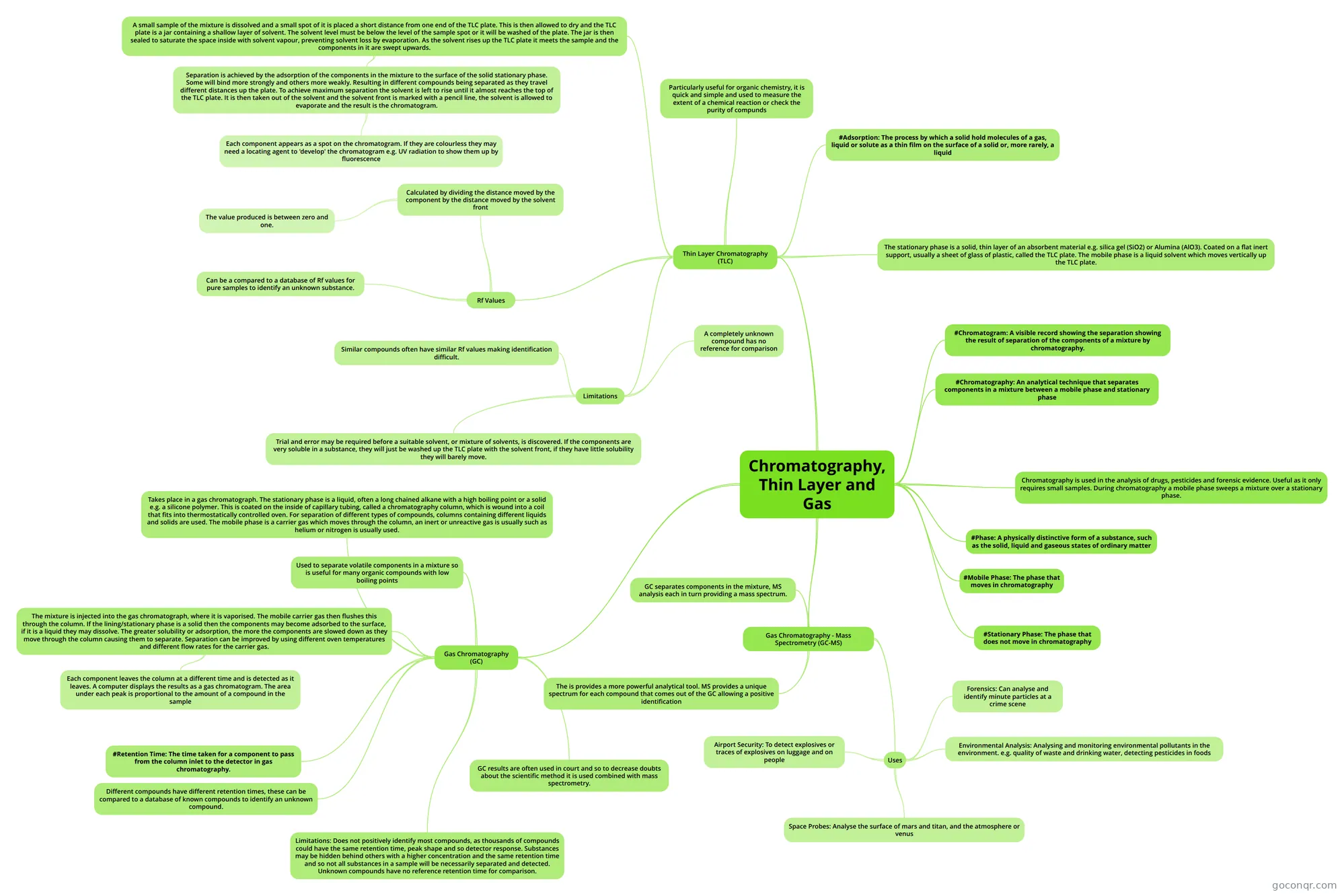 Mind map Chromatography, Thin Layer and Gas
-
9 cardsSeparating mixtures flashcards SIEVING technique for separating particles of different sizes. Substances you can separate with it: flour, ...
-
Mind map Chromatography A complete mind map with information about chromatography using filter paper and gas to separate substances.
-
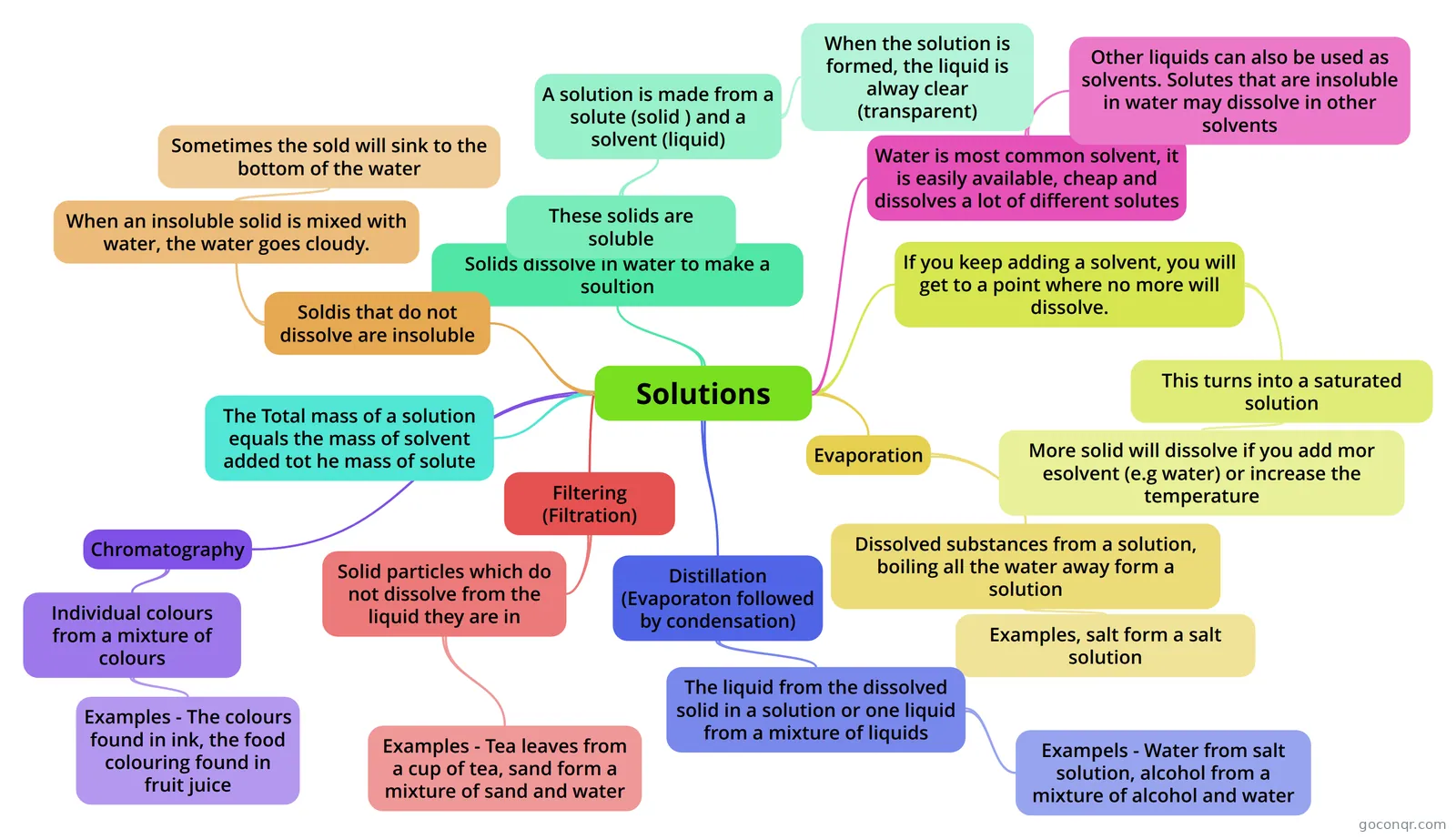
5 questionsSolutions What is the correct definition of a solution?
-
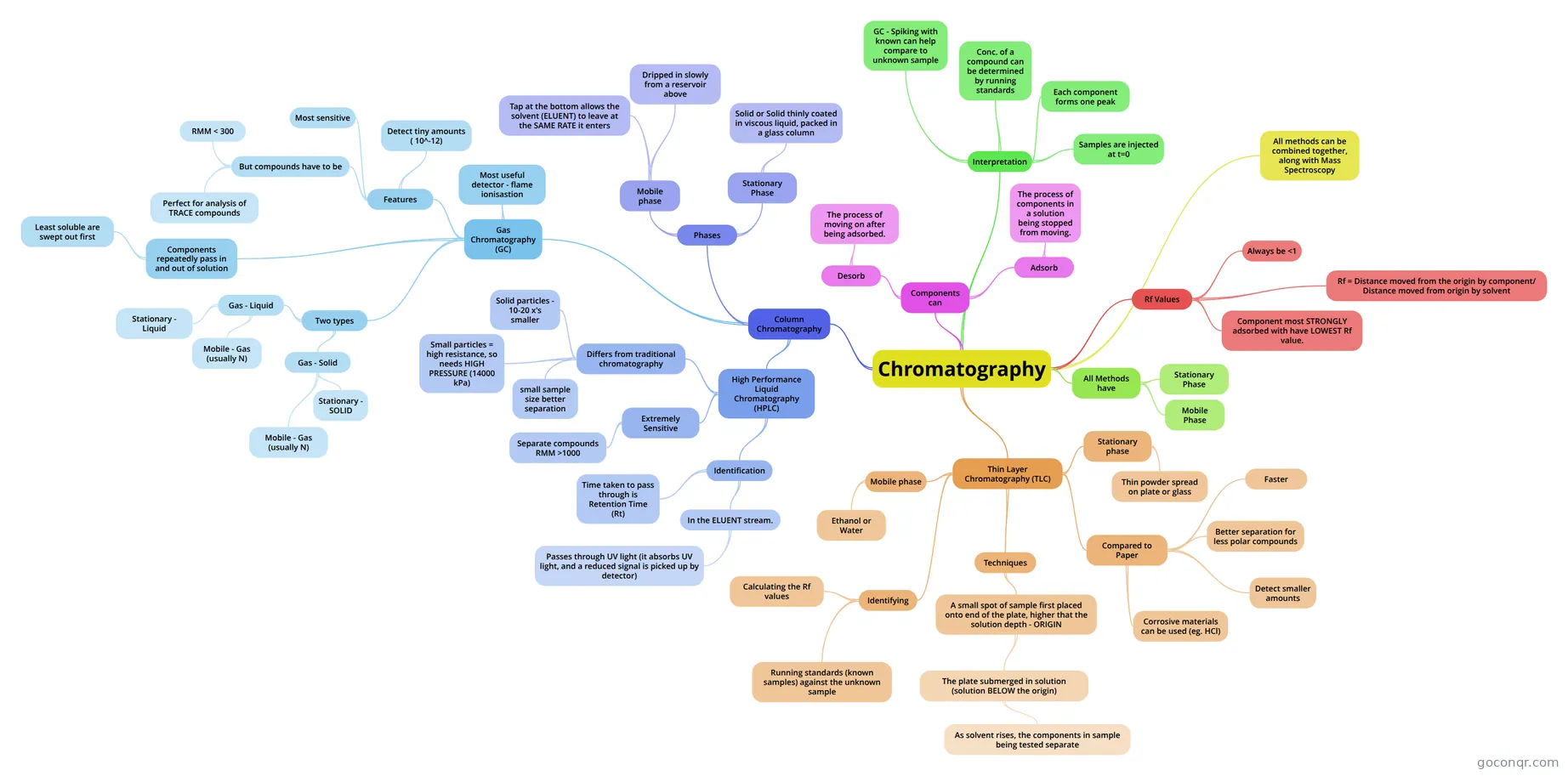 Mind map Chromatography
-
14 cardsDistillation
Quizzes
See all 41 quizzes-
6 questionsIGCSE CIE CHEMISTRY PURIFYING AND SEPARATING SOLUTIONS When would you use diffusion?
-
5 questionsSolutions What is the correct definition of a solution?
-
11 questionsKS3 Reversible and Irreversible Changes Quiz Which of these is a reversible change?
-
3 questionsSABIS CHEMISTRY TERM 1 WEEK 3
-
13 questionsJCS15 Quiz There are various techniques used for separating mixtures. What is the definition of a mixture?
-
14 questions6: Chromatography and Mass Spectrometry A group of techniques used to separate complex mixtures on the basis of different physical interactions. Co...
-
12 questionsUntitled Chromatography cannot be used to separate delicate products
-
8 questionsSeparation Techniques A mixture is made up of lots of substances that are chemically joined together.
Mind maps
See all 459 mind maps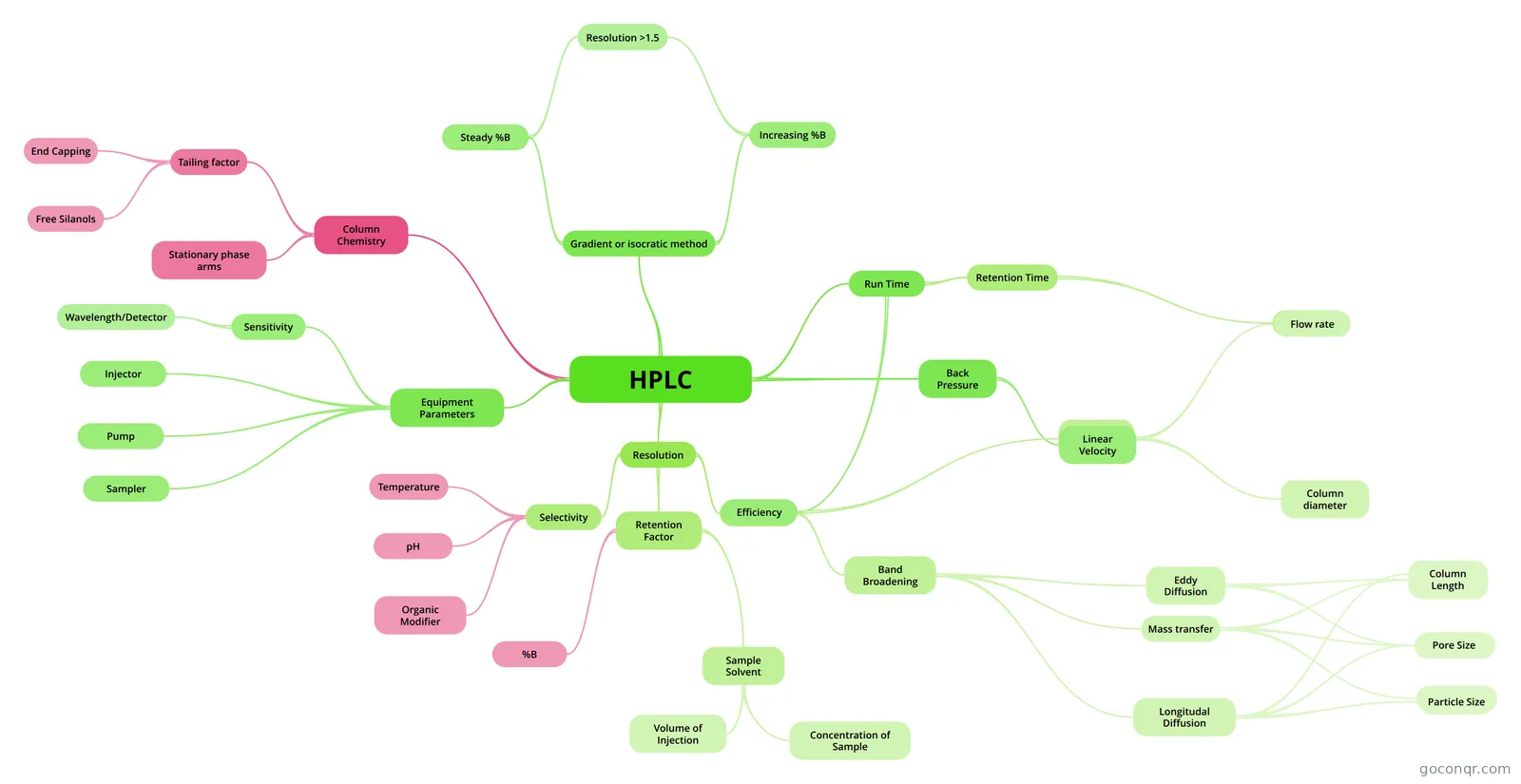
Flashcards
See all 280 flashcards-
11 cardsScience -chapter 23(separating mixtures)
-
9 cardsSeparating mixtures flashcards SIEVING technique for separating particles of different sizes. Substances you can separate with it: flour, ...
-
14 cardsDistillation
-
10 cardsFiltration under reduced pressure What is the purpose of this type of separation?
-
12 cardsChemistry Definitions - Separating Mixtures Definition flash cards for separating mixtures
-
8 cardsSeparating mixtures-C2
-
8 cardsBen: Separating Mixures What method would you use to separate the salt from sea water? (not keeping the water)
-
107 cardsModule 6: Chromatographic and Electrophoretic Methods what are some limitations with simple separations ?
Flowcharts
See all 22 flowchartsNotes
See all 35 notes-
Rf Values Rf ValuesChromatography can be used to separate mixtures of coloured compounds – mixtures that are suitable for separation by chromatography include inks, dyes and colouring agents in food… Simple chromatography is ca...
-
Chromatography Chromatography is good for separating and identifying thingsChromotography is used to separate stuff in a mixture - once it's separated out, you can often identify the components. There are quite a few different types...
-
U4 Chemistry Particle theory Key words Distillation: Impure solvent - what is put in at the beginning of distillation Leibig condenser - condenser in distillation Filtration Residue &n...
-
Separating and Analysing SIMPLE DISTILLATION: E.G. pure water from salt water Substance boils and is condensed back again to liquid by condenser Unwanted substance remains in flask Whether to use simple or fractional depends on differences be...
-
Separation Techniques Simple Distillation Used to separate a liquid and a solid that are in solution Liquid is collected E.g: Obtaining pure water from salty water Fractional Distillation Used to separate liquids with different b...
-
Separation Techniques Chromatography: Used to separate mixtures of liquid/gases in dissolved substances. We can use chromatography to separate and identify different coloured components in dyes/inks. The more soluble the dye, the further i...
-
Untitled Chromatography: Used to separate mixtures of liquid/gases in dissolved substances. We can use chromatography to separate and identify different coloured components in dyes/inks. The more soluble the dye, the further i...
-
chapter 3 - separation LIQUID IS SOLVENT , SOLUTE ARE SOLIDS THAT DISSOLVE IN SOLVENT Filtration - separate a liquid from an insoluble solid residue - insoluble solid filtrate - the liquid passes through pores decanting - careful pouring of...
Slides
See all 15 slidesTopics in Separating Mixtures
More Chemistry topics
About Separating Mixtures
GoConqr OriginalWhat this unit covers
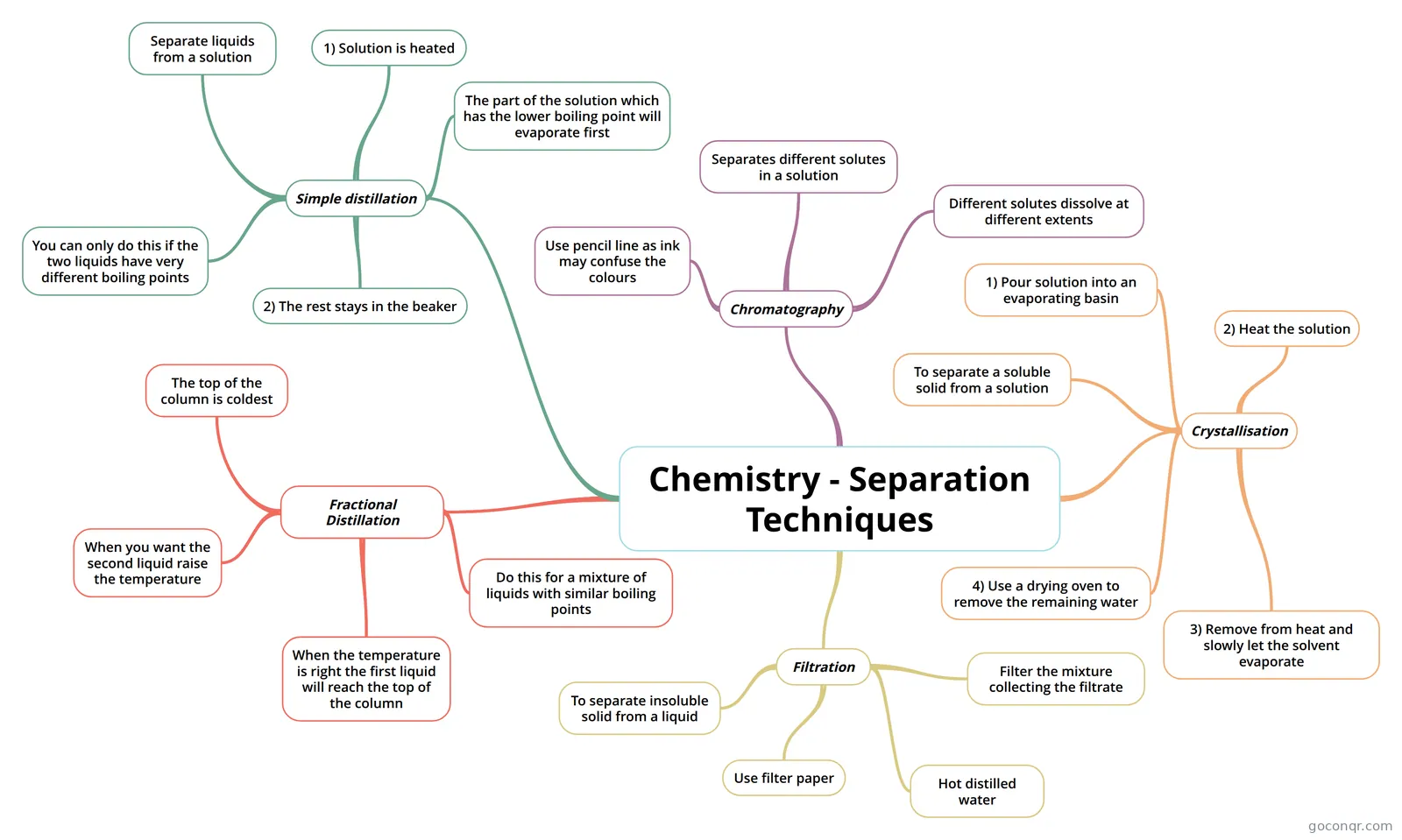
The resources follow the usual toolkit for splitting mixtures. The mind map Chemistry - Separation Techniques starts with filtration, which separates an insoluble solid from a liquid, and moves on to crystallisation. The DISTILLATION mind map sets out simple and fractional distillation and explains how the part of a solution with the lowest boiling point comes off first. Chromatography has the biggest cluster, with maps, notes, flashcards and slides.
Where to start
Begin with an overview, then narrow down.
- Open Chemistry - Separation Techniques to see the main methods side by side.
- Move to the Separating mixtures flashcards, which cover sieving and evaporation, among others.
- Look at the Chromatography mind map for the stationary phase, the mobile phase, and how components adsorb and desorb.
- Use the notes on Rf values when you are ready to work with results.
Using quizzes and maps together
Read a mind map first, then test yourself. The KS3 Reversible and Irreversible Changes Quiz is a gentle way in for younger secondary students. The IGCSE quiz on purifying and separating solutions suits those preparing for IGCSE Chemistry. Wrong answers show you which map to reopen. Flashcards such as Filtration under reduced pressure help you rehearse the steps of a method until you can draw and describe it.
Going further
Some resources reach beyond the basics. The HPLC mind map looks at resolution, selectivity and column length, and a gas chromatography slide set goes into instrumentation. These are handy for A-level Chemistry students stretching themselves, and for teachers who want extra material. The listed resources also mention GCSE Chemistry, MCAT and KS3.
Where it fits
This unit sits in the Matter and Its Properties strand of Chemistry. Pair it with the resources on solutions, solutes and solvents, since many separations depend on what is dissolved in what.
Ready to begin? Choose a method, work through its map, then make your own flashcards from what you learn.
Frequently asked questions
Which resource should I open first?
Start with the mind map Chemistry - Separation Techniques. It gives a quick tour of filtration, crystallisation and other methods. After that, pick the DISTILLATION or Chromatography mind map for the technique you need, and follow up with a quiz to check what stuck.
What do the chromatography resources cover?
They range from basics to advanced work. The main mind map explains the stationary and mobile phases and how components adsorb and desorb. Other items cover paper and thin layer chromatography, Rf values, gas chromatography, HPLC and capillary electrophoresis.
Are the resources free to use?
Yes. Every resource listed here is free to open, study and take, with no account needed. They were made by GoConqr users rather than by GoConqr itself, so styles and depth vary from one resource to the next.
Which levels and exams do these suit?
Most of the material is secondary level, so it suits school students revising for GCSE Chemistry, IGCSE Chemistry or A-level Chemistry, plus KS3 science. A smaller share goes deeper, and the resources also mention the MCAT. Teachers can use them as ready-made material.
Can I check my knowledge with quizzes?
Yes. There are more than 30 quizzes, including ones on solutions, fractionating columns, gas chromatography and separation techniques in general. Try one after reading a mind map, then revisit the topics where you slipped.
What if I can't find what I need?
Make it yourself. A free account lets you build your own quizzes, mind maps, flashcards and notes, and saves your quiz scores. You could base a set on a method from this page, such as crystallisation, and tailor it to your course.