
Shakespeare: Life, Sonnets and Criticism
42 resources created by 42 users
This Shakespeare: Life, Sonnets and Criticism page on GoConqr gathers community-made mind maps, flashcards, quizzes, notes and slide sets, from Shakespeare's life and the Globe Theatre to Sonnet 116 and critical approaches. It's built for school students revising a topic, with teachers after ready-made material, and a few university students filling gaps. There are over 400 resources here, including more than 20 quizzes and over 300 mind maps, mostly at secondary level and useful for GCSE English Literature. Pick a resource, test yourself, then make your own.
Top Shakespeare: Life, Sonnets and Criticism resources
-
15 cardsSonnet 116 - William Shakespeare
-
29 questionsElizabethan Shakespeare Key Terms Quiz A quiz of the key terms related to the study of Elizabethan Shakespeare's plays.
-
46 cardsShakespeare Vocabulary
-
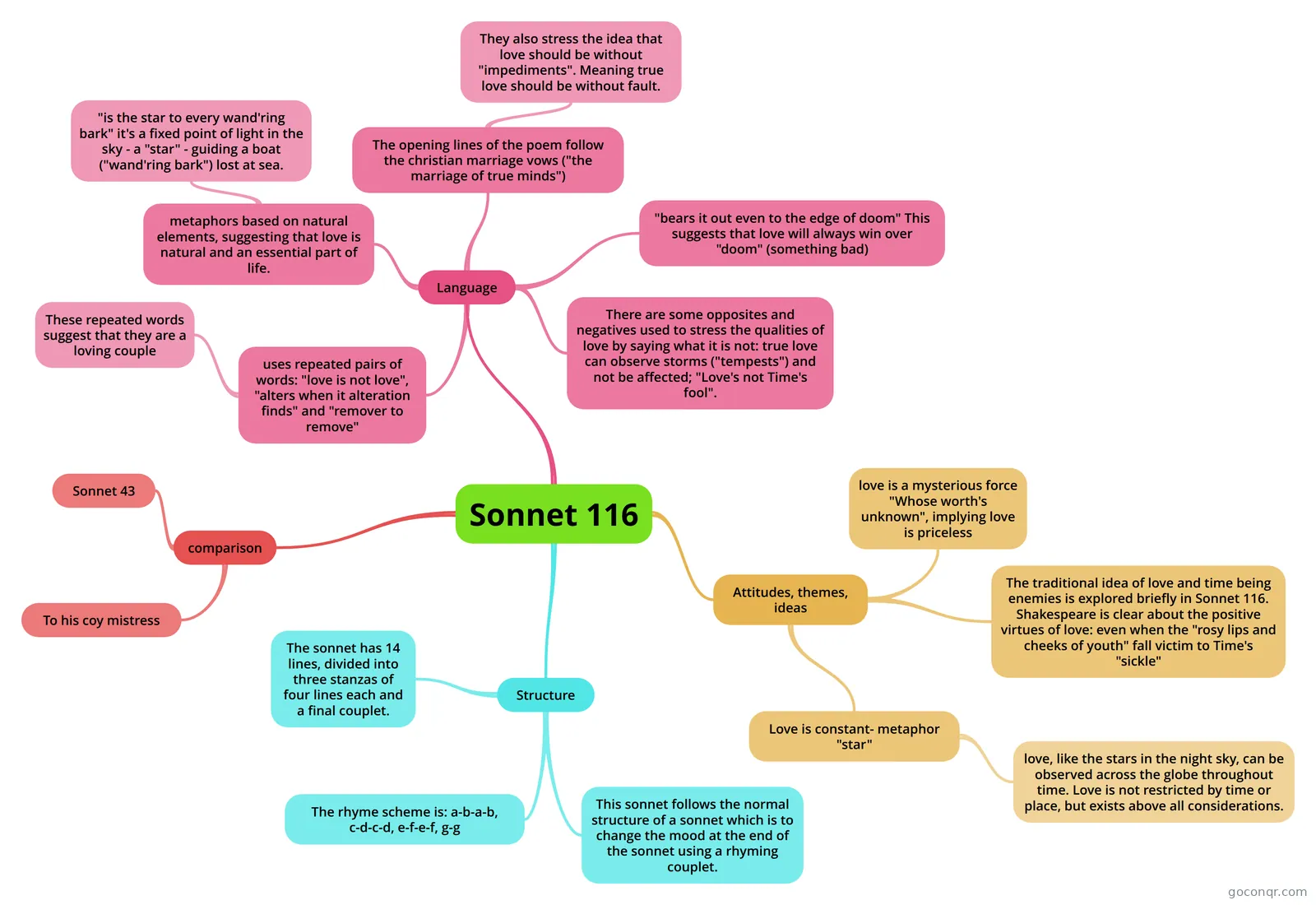 Mind map Sonnet 116
-
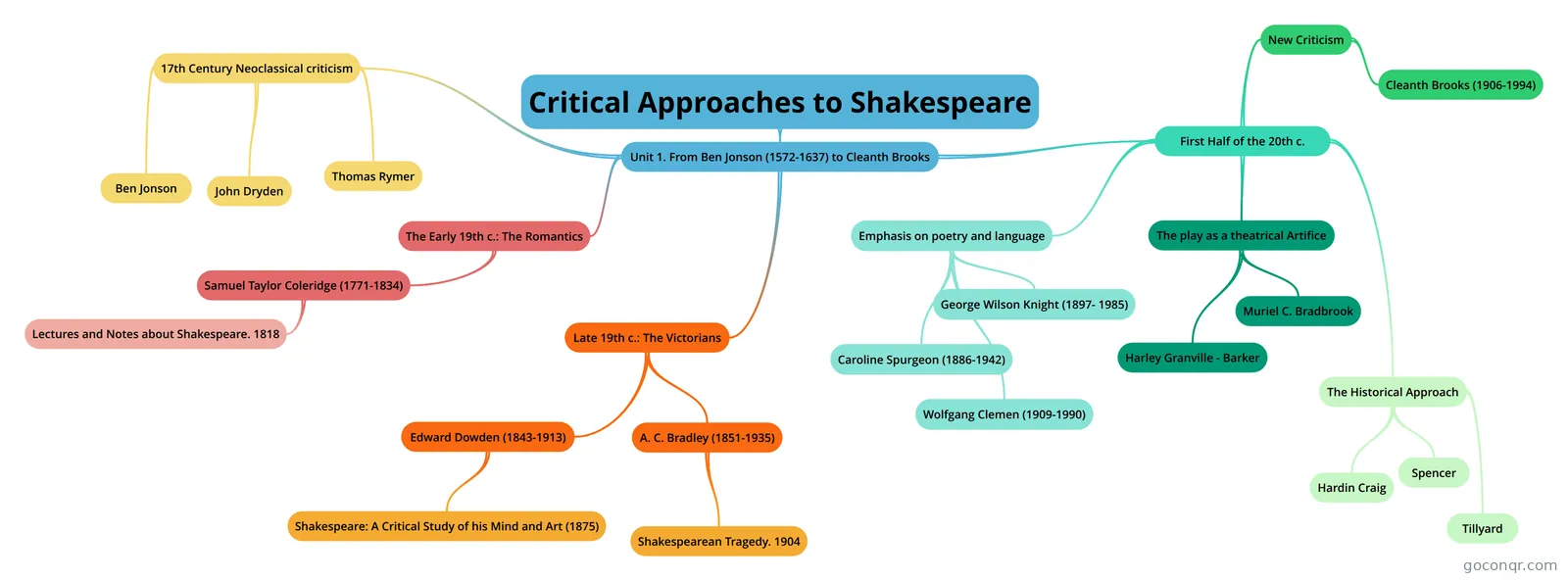 Mind map Critical Approaches to Shakespeare
-
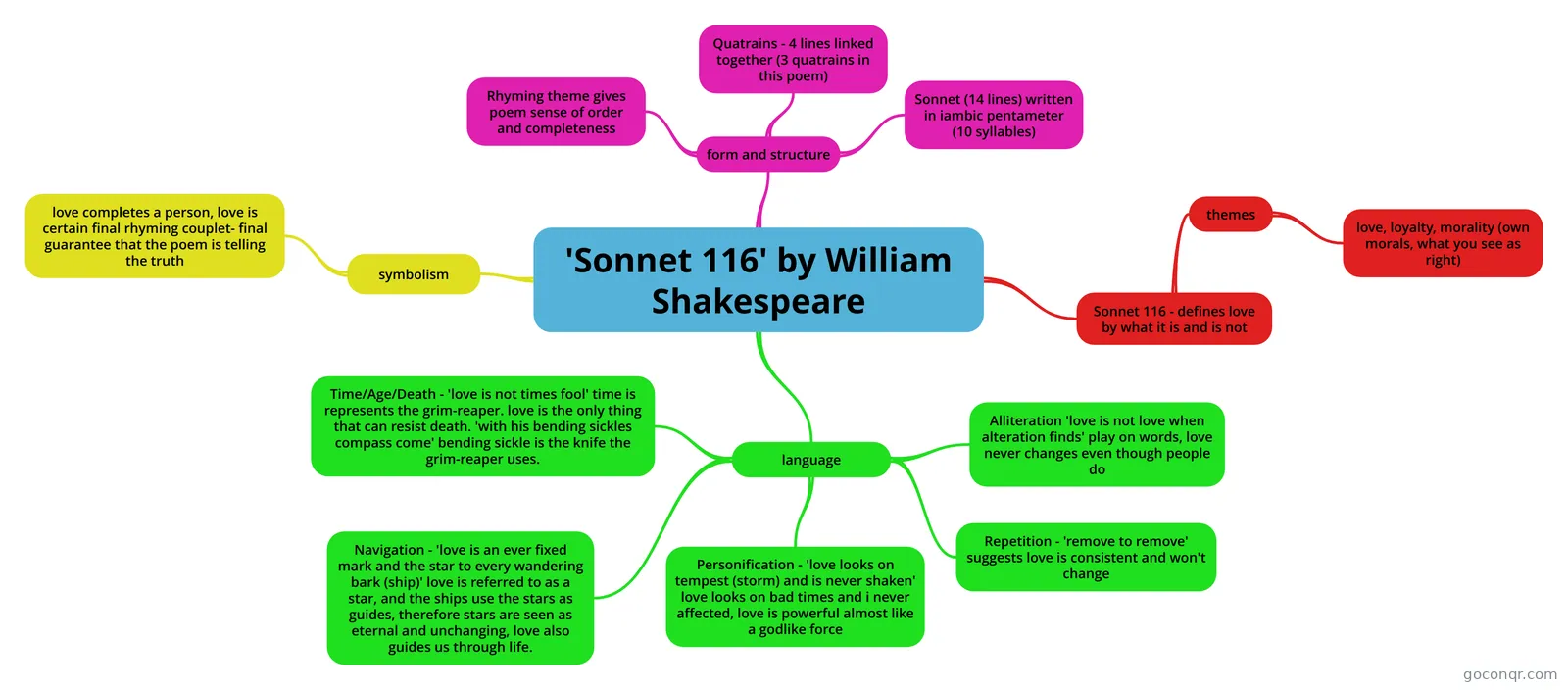 Mind map 'Sonnet 116' by William Shakespeare
-
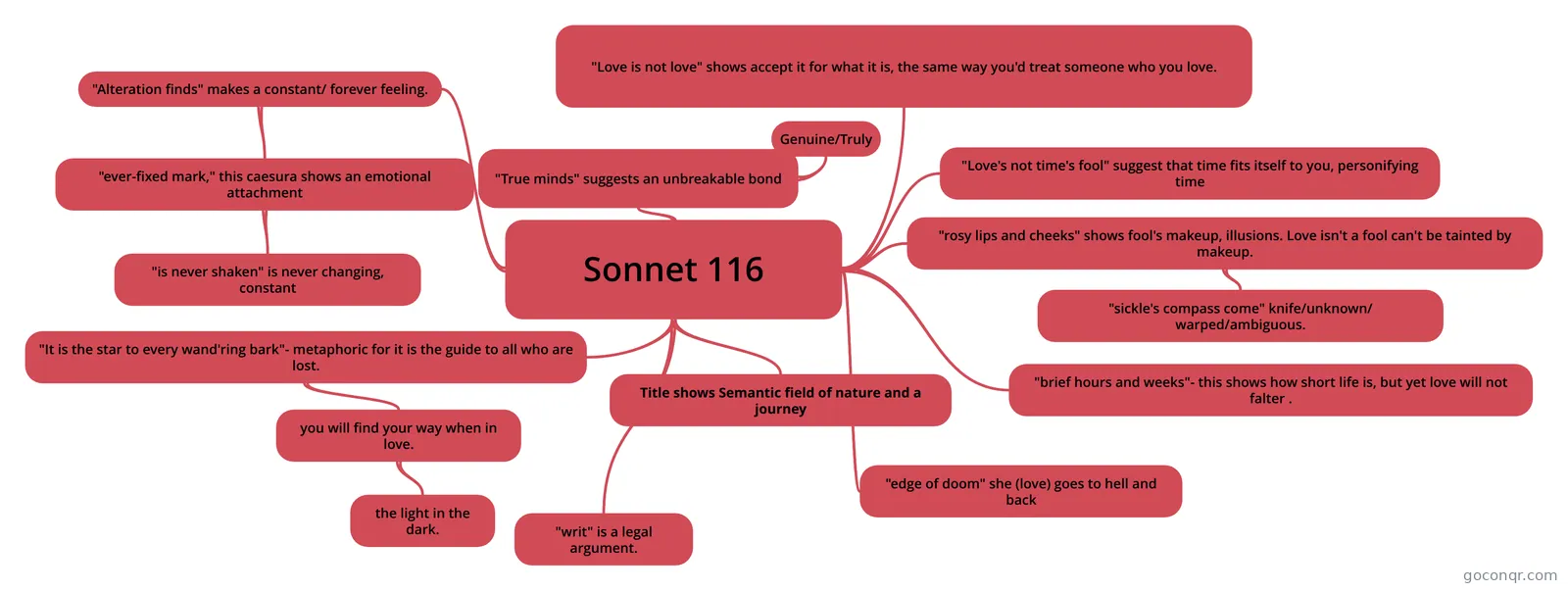 Mind map Sonnet 116 My take on analysis of sonnet 116 of Shakespeare.
-
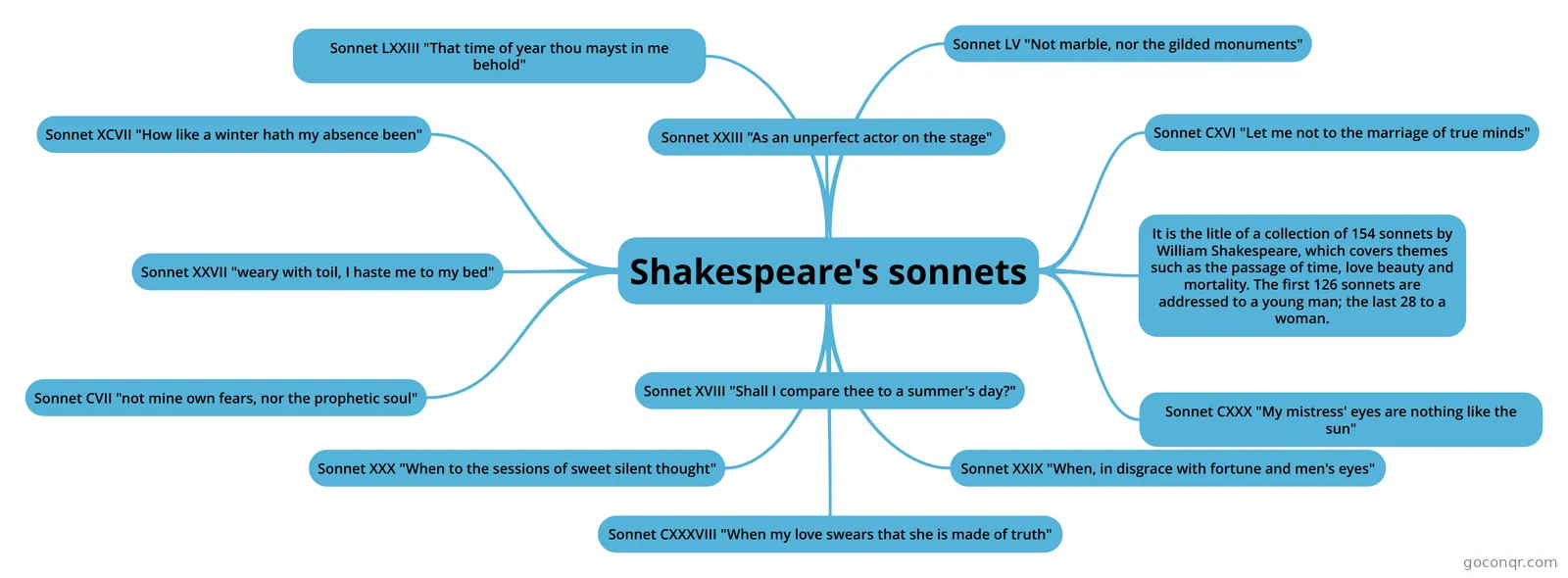 Mind map Shakespeare's sonnets a
Quizzes
See all 10 quizzes-
29 questionsElizabethan Shakespeare Key Terms Quiz A quiz of the key terms related to the study of Elizabethan Shakespeare's plays.
-
9 questions9 Days of Before Shakespeare: Christmas Quiz v.2018 On the first day of Christmas, my noblemen's troupes beguiled me... In 1582, two troops played at court who...
-
10 questionsHow much do you know about Shakespeare? What was the first name of Shakespeare?
-
10 questionsThe Rose Shakespeare Quiz Which one of these Shakespeare plays has NOT been performed at Rose Theatre Kingston?
-
10 questionsshakespeare trivia mcqs
-
14 questionsShakepeare quiz 1. What was Shakespeare?
-
11 questionsContext in Shakespeare Shakespeare was born in which year?
-
7 questionsAuthority Choose three of the aspects of Authority in King Lear
Mind maps
See all 24 mind maps-
Sonnet 116
-
Critical Approaches to Shakespeare
-
'Sonnet 116' by William Shakespeare
-
Sonnet 116 My take on analysis of sonnet 116 of Shakespeare.
-
Shakespeare's sonnets a
-
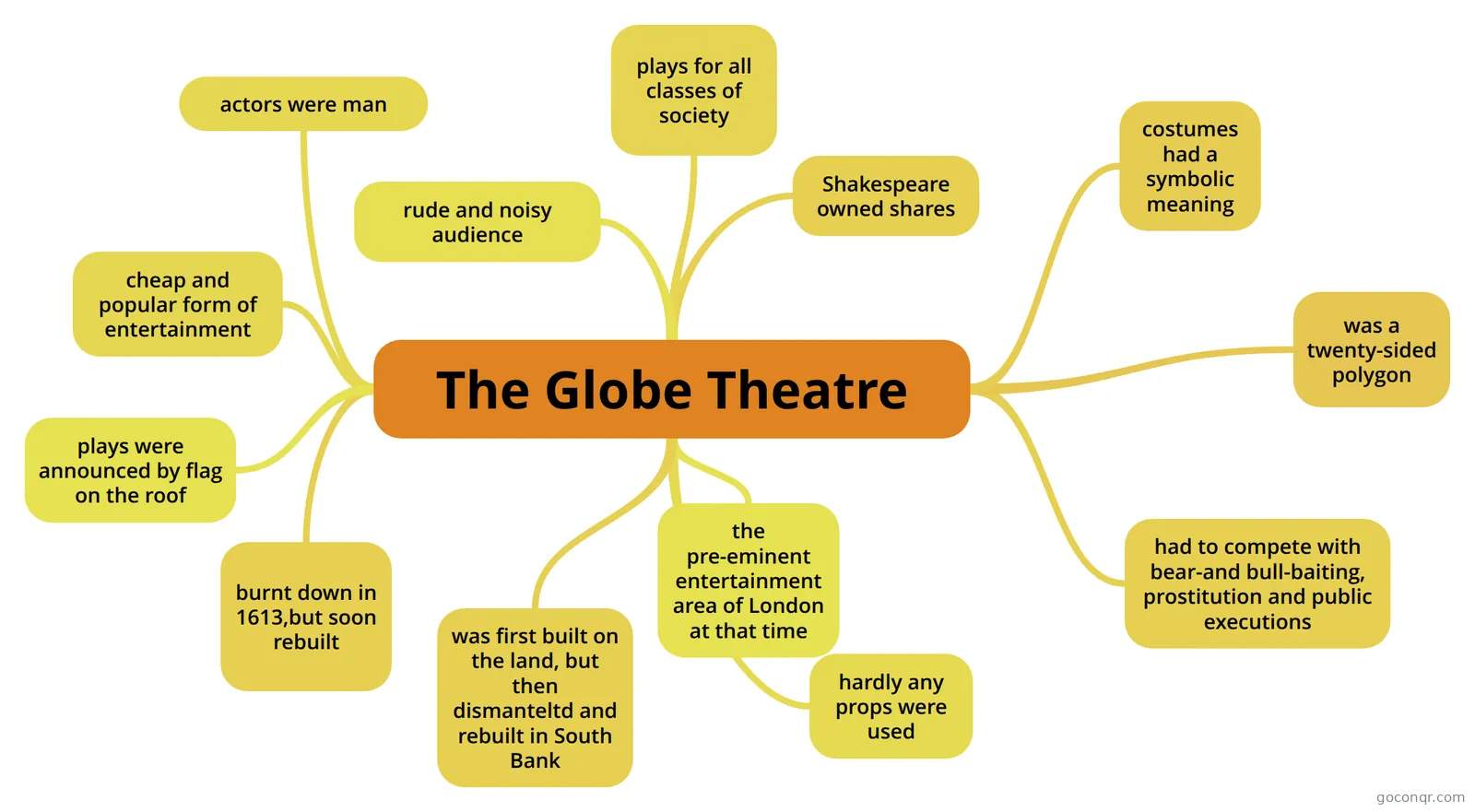 The Globe Theatre
-
William Shakespeare autor incognito
-
Shakespeare This is a map of some select plays of William Shakespeare. The plays in yellow are the comedies while the o...
Flashcards
-
15 cardsSonnet 116 - William Shakespeare
-
46 cardsShakespeare Vocabulary
-
11 cardsShakespeare's Life & Times What are the dates of Shakespeare's birth and death?
-
16 cardsShakespeare's Information 15-33 Shakespeare as a Sonneteer
-
5 cardsQuotes "When sorrows come, they come not in single spies, but in battalions."
Notes
-
Shakespeare Shakespeare and the Drama Overview Shakespeare’s family, early marriage and obscurity.First mentioned as a London player and playwright at the age of 28, he came in on the crest of a wave of new poetic drama. Kyd and ...
-
Shakespeare In the First Folio, the plays of William Shakespeare were grouped into three categories: comedies, histories, and tragedies. The histories help define the genre of history plays, along with other contemporary rennaiss...
Slides
More Literature topics
About Shakespeare: Life, Sonnets and Criticism
GoConqr OriginalWhat this unit covers
The unit brings together three strands of study: the writer's life, the sonnets, and ways of reading his work. Most of the material is in mind map form, so it is quick to scan and easy to revise from.
Life and theatre
The flowchart Shakespeare Life and Legacy is a good first stop. It covers his birth and death dates, his schooling at King's New School, where he learnt Latin, and the legacy he left. The mind map The Globe Theatre explains how the theatre was rebuilt on the South Bank and how plays were announced by a flag on the roof. The notes titled Shakespeare look at his family, his early marriage and his arrival in London as a player and playwright.
The sonnets
Start with the mind map Shakespeare's sonnets. It introduces the collection of sonnets and its themes: the passage of time, love, beauty and mortality. Then move to Sonnet 116, which has the most material on the page. The mind maps look at its structure of three quatrains and a couplet, its rhyme scheme, its language and its themes of love, loyalty and morality. The flashcard deck Sonnet 116 - William Shakespeare helps you learn key lines, and there is also a quiz on the poem. For comparison, look at the mind maps on Sonnet 18 and Sonnet 29.
Criticism and key terms
The mind map Critical Approaches to Shakespeare is the place to begin on criticism. The Elizabethan Shakespeare Key Terms Quiz tests words such as anaphora, oxymoron, paradox and satire, which are useful when you write about language.
How to study with it
- Read a mind map to get the overview.
- Learn the details with flashcards.
- Take a quiz to see what you remember.
- Go back to the map for anything you missed.
This page sits in the Shakespeare strand of Literature. Choose one sonnet or one topic and work through it in that order, then try building a set of your own.
Frequently asked questions
Where should I start on this page?
Begin with the mind map Shakespeare's sonnets for an overview of the collection and its themes, or the flowchart Shakespeare Life and Legacy if you need the biography first. Then move on to the Sonnet 116 mind maps and flashcards, and finish with a quiz to check what you remember.
Which poems are covered?
Sonnet 116 has the most material, with several mind maps, a flashcard deck, a quiz and an analysis deck. There are also mind maps on Sonnet 18, which begins 'Shall I compare thee to a summer's day?', and notes on Sonnet 29, plus general sonnet notes and slide sets.
Are the resources free to use?
Yes. Every resource listed here is free to open, study and take, with no account needed. A free account also saves your quiz scores and lets you make your own quizzes, mind maps, flashcards and notes. All resources were made by GoConqr users, not by GoConqr itself.
Which levels and exams do they suit?
Most of the resources are at secondary level, and the exam they mention is GCSE English Literature. A small share is aimed at university study. Teachers can use the maps, quizzes and slide sets as ready-made material for lessons or revision.
What can I use to learn key terms?
Try the Elizabethan Shakespeare Key Terms Quiz, which covers terms such as anaphora, oxymoron, paradox, satire and anachronism. There are also flashcard decks titled Shakespeare Vocabulary, plus a deck on Shakespeare, Sonnets, Iambic Pentameter, and More.
What if I cannot find what I need?
Browse the other formats on the page, as the same topic often appears as a map, a deck and a quiz. You can also make your own notes, flashcards or mind map on the missing topic and use it alongside the community resources.