
The Scientific Method mind maps
315 mind maps by 304 users · Page 1 of 8
This page gathers mind maps on the scientific method, from observations and variables to data and reporting. School students, university students and professional candidates can use them to revise these topics, while teachers can find material for lessons. The collection spans school and university-level study, with over 300 mind maps made by GoConqr users. Choose a map to explore.
Mind maps
-
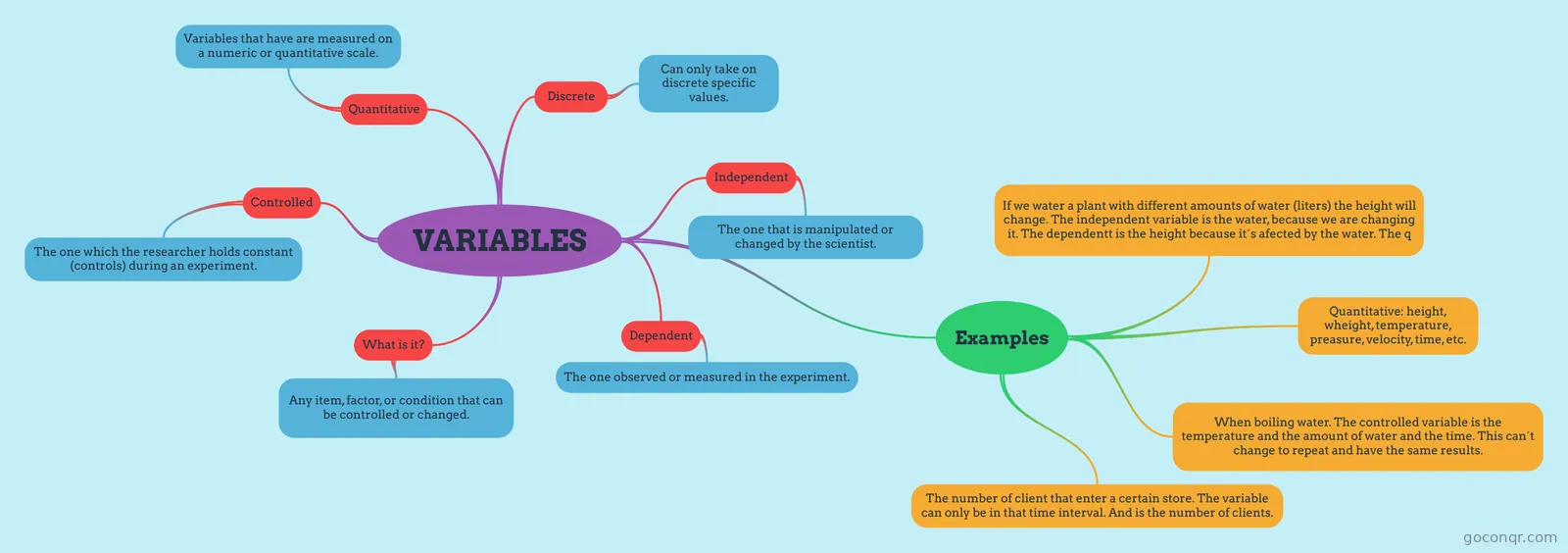 VARIABLES Types of variables
-
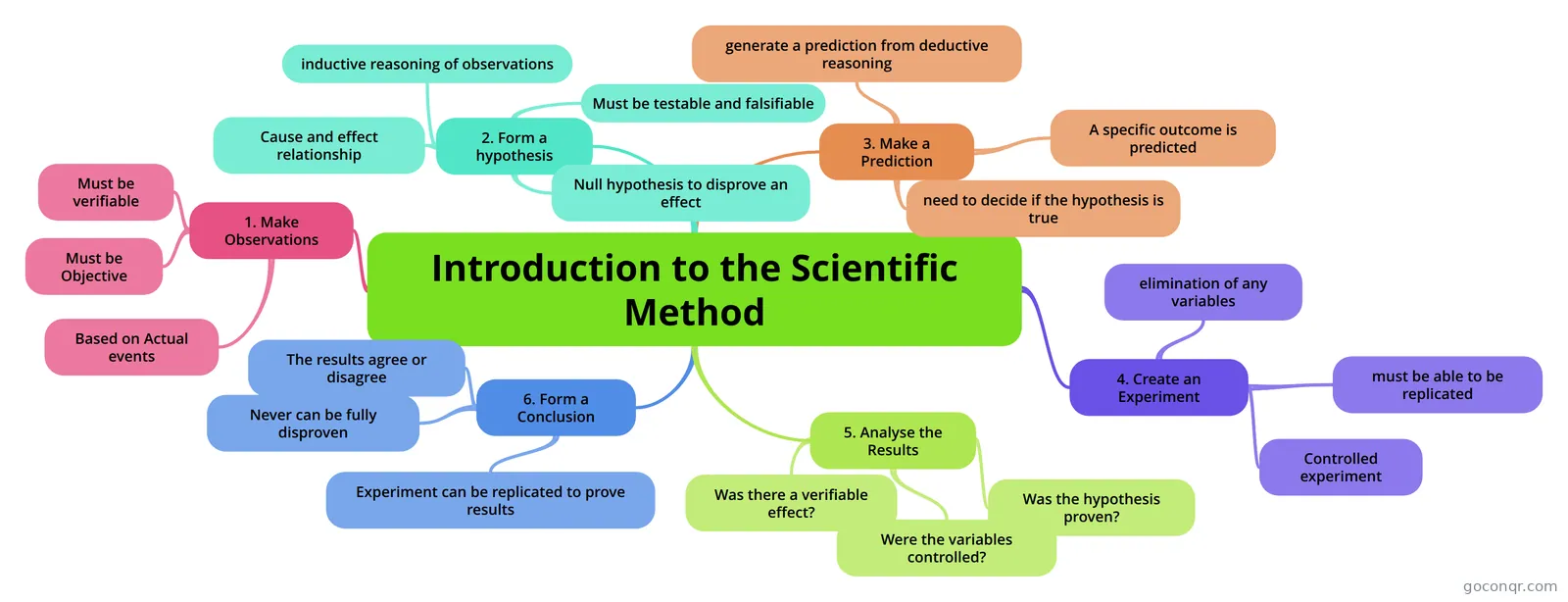 Introduction to the Scientific Method An introduction to the scientific method used in any scientific study
-
The Scientific Method
-
Processes of Science and Scientific Inquiry
-
Bad Science
-
The Scientific Method& Communications and Issues created by science.
-
Key ideas- Bad Science
-
“Historical Devolopment of the Scientific Method”
-
Stage 3: The Scientific Method in Experimental Sciences
-
How science works
-
Ch. 5: Variables and Hypotheses
-
Section 1. The Scientific Method: How Do You Do Science?
-
SCIENTIFIC METHOD
-
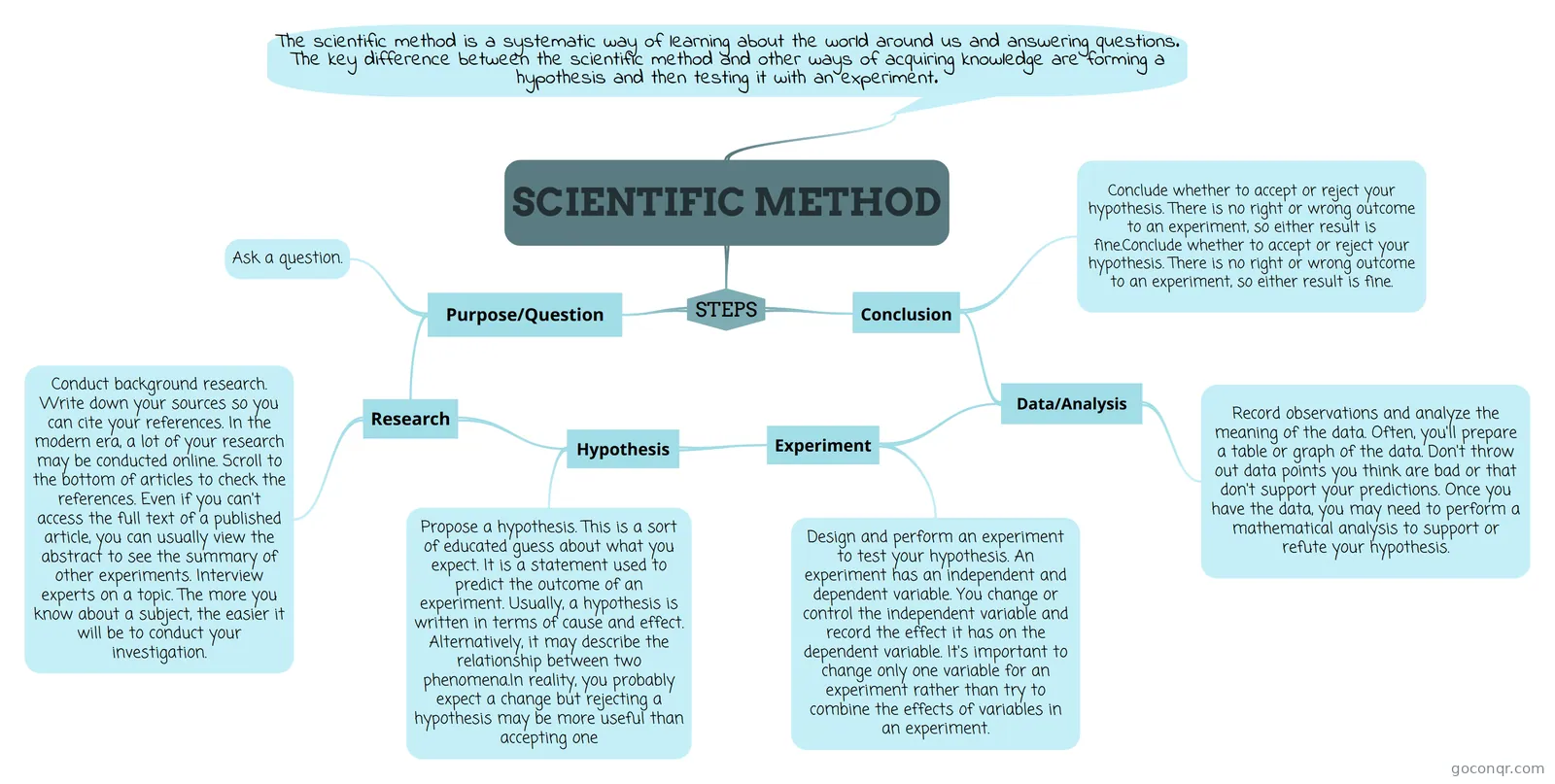 SCIENTIFIC METHOD Definition and steps of the scientific method
-
Scientific Method
-
KNOWLEDGE KNOWLEDGE scientific method
-
The Beginning of the History of the Scientific Method
-
The Beginning of the History of the Scientific Method
-
AQA GCSE ISA SECTION 1 GUIDE
-
How do we know?
-
Scientific method
-
Scientific method
-
How to Structure a Scientific Research Article?
-
The Nature of Scientific Knowledge
-
Step-by-Step Lab Report
-
Scientific method
-
scientific method
-
Scientific Method
-
About science study stool;;;;
-
Theories and Evidence
-
The Scientific Method
-
Scientific method
-
ISA- section 2
-
Scientific Methot
-
Nature of Scientific Inquiry
-
The scientific method.
-
Scientific Method
-
Research
-
Written Report
-
SCIENTIFIC THINKING
More The Scientific Method resources
About the scientific method mind maps
GoConqr OriginalExplore the scientific method mind maps
These maps offer different ways into the unit. Introduction to the Scientific Method begins with observation and hypotheses. Other maps cover variables, data tables, scientific inquiry and reporting. One map called The Scientific Method also connects correlation with confounding variables and other research concepts.
Choose a route through the maps
For an overview, start with the introduction map and follow its branches. If you are working on an investigation, look at Data Tables & Data for observations and measurements, then Scientific Reporting for sections such as the aim, method and results.
To revise, cover the branches and try to recall the ideas before checking the map. Return to the parts you missed, or compare them with another map on the same topic. When you want to test your recall, switch to a quiz on the unit page. Try a map that fits your current topic.
Frequently asked questions
Which mind map should I start with?
Try Introduction to the Scientific Method if you want a starting point for the process. It begins with observations and hypotheses. For a more specific task, Data Tables & Data covers observations and measurements, while Scientific Reporting sets out sections used in a report.
Are the mind maps free to use?
Yes. Every resource listed here is free to open and study without an account. GoConqr users made the maps, so you can explore different approaches to the same topic, including observations, variables, data and reporting, and choose the one that suits your work.
Who are these mind maps for?
The collection includes resources for school students, university students and professional candidates revising the scientific method, as well as teachers looking for material. It includes a GCSE Science guide and maps on topics such as confounding variables, so you can choose according to your current work.