
Flashcards
WYNTK
Cards in this deck (99)
- 1AmendmentAn amendment is an addition or change to a document (US Constitution).
The 13th, 14th, and 15th Amendments had to do with slavery, and the 19th Amendment gave women the right to vote. - 2AssimilateTo assimilate means to become like something else by adapting to or taking in new qualities, ideas, etc.
- 3BiasBias means to be in favor of one thing over the other and show it.
- 4BicameralBicameral means to have two parts. In legislature, it would be Congress having two houses: House of Representatives and the Senate.
- 5BlockadeA blockade is preventing supplies from entering or leaving somewhere. During the Civil War, the north used blockades as a war tactic to stop the south from trading raw materials for money through the Mississippi River.
- 6BoomtownBoomtowns are towns that rapidly grown in population and/or economic ways. An example of a boomtown would be New York City, especially during the industrial revolution.
- 7CapitalismCapitalism is an economic and political system where profit from product and trade goes to the individual rather than the government. The opposite of capitalism would be communism.
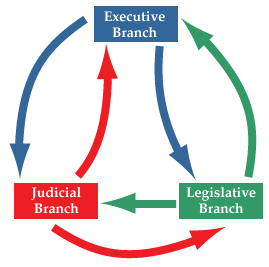
- 8Checks and BalancesChecks and Balances is a system used to make sure that one branch doesn't become more powerful over another branch. The Executive branch can propose and veto laws (Legislative) and appoint federal judges and grant pardons to federal offenders (Judicial). The Legislative branch overrides president's veto and impeach the president (Executive), and impeach and improve federal judges (Judicial). The Judicial branch can declare acts of the Executive branch and Congress unconstitutional.
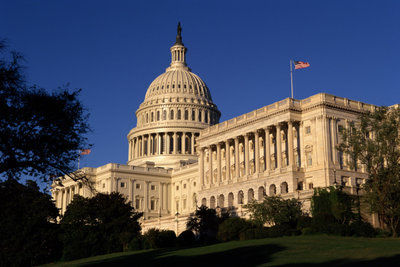
- 9CongressCongress is the legislative branch in the US government. Their job is to create laws. Congress consists of two houses-- House of Representatives (number of representatives based on population) and Senate (2 representatives per state).
- 10Due process of lawDue process gives those accused fair treatment and full legal rights. It provides the right to remain silent, double jeopardy, and eminent domain.
- 11EconomicsEconomics concern production, consumption, and wealth, usually in the government.
- 12Emancipationto be freed of someone or something's restrictions, power, or control. American slaves were emancipated in 1865.
- 13EnfranchiseEnfranchise means to give someone the right to vote. The 15th Amendment enfranchised black males and the 19th Amendment enfranchised women.
- 14Enumeratedto point out numbers individually as if to count
- 15FederalismGovernmental power is divided between state and national government.
- 16Forty-ninersIn 1949, the California Gold Rush broke out. Immigrants from all over the world (China, Ireland, Mexico, etc.) were referred to as forty-niners.
- 17Free EnterpriseA system where private businesses can freely compete without great government involvement.
- 18Habeas CorpusHabeas Corpus gives those accused the right to be tried in court. During the Civil War, Abraham Lincoln took it away so that copperheads couldn't encourage northern citizens to not fight for the northern cause.
- 19IndustryThe process of making and trading raw materials, or a product by using machinery. The south's farming industry created an ever-increasing need for slaves.
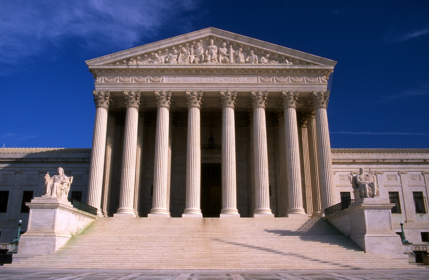
- 20JudicialThe highest court in the Judicial branch is the Supreme court. It's 9 judges are appointed by the Executive branch and it's job is to interpret laws and decide whether an action is unconstitutional.
- 21Ku Klux KlanThe KKK was a racist terrorist group founded after the Civil War who's main goal was to reassert white supremacy. The Ku Klux Klan act of 1871 was passed by Ulysses S. Grant in response to violent reports in the south.
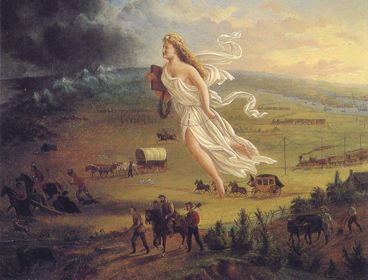
- 22Manifest DestinyManifest Destiny was the belief that the US should expand westward and own all of it's land from coast to coast.
- 23MartyrA person who is killed because of their beliefs
- 24MonopolyA monopoly is a business or person that has complete control over trade of goods or a business.
- 25NomadicMoving around from place to place in no specific pattern.
- 26OverrideIn means of government, to reject. For example, if the president veto's a bill, Congress can override (or reject) the veto with a 2/3 majority vote.
- 27Popular SovereigntyIn a democracy, people are the source of the government's power. Bills have to be voted on by either representatives or the people.
- 28RatifyTo approve
ex: The president ratifies a bill passed by Congress and it becomes a law. - 29RadicalDrastic or extreme views, especially concerning change (political).
- 30RepublicanismRepublicanism is when people elect their representatives to vote for them.
- 31Robber BaronBusinessmen who were persistent when it came to getting rich quick. They treated their workers poorly (unfair wages and hours).
- 32RuralA rural area was farmland and not heavily populated. During the Industrial Revolution, people moved from rural areas to urban areas to work in factories.
- 33Separation of PowersSeparation of Powers is how there are three branches in the government that each have their own responsibilities.
Executive- Enforce Laws
Judicial- Interpret Laws
Legislative- Create Laws - 34Social DarwinismDarwin created the theory of natural selection relating to evolution in nature. Social Darwinism relates to capitalism, meaning that the smartest, etc. will be the most successful in work.
- 35SuffrageSuffrage is the right to vote in elections. Leading women's suffragists were Elizabeth Cady Stanton and Susan B. Anthony.
- 36Supreme Courtthe highest court in a nation; there are nine justices and their job is to determine whether a law or action is constitutional.
- 37Tariffto bill, cost, or charge; list made by government concerning in/exports
- 38Taxation Without RepresentationBefore the Revolutionary War, Britain was over-taxing the colonists on tea, sugar, paper, etc. without their say. The common phrase in protest became "No Taxation Without Representation"
- 39Trade UnionDuring the Industrial Revolution, robber barons weren't giving the workers fair hours or wages. For this reason, workers made trade unions to go on strike in order to get fairer hours and wages. Employers made them sign Yellow-dog contracts stating that they wouldn't join one.
- 40UrbanUrban is the opposite of rural. During the Industrial Revolution, people would move from farmlands to the city (urban) to work in factories.
- 41Vetoto reject; the president can veto bills from Congress and they'll have to pass through again with a majority in order to become a law.
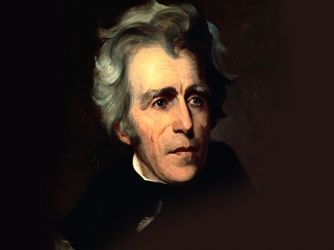
- 42Andrew JacksonHe was the 7th president and was voted for by common people because of his real life rags to riches story. He authorized the Indian Removal Act (10,000 ish Indians to Oklahoma). Jackson was a large part of the War of 1812, and he helped get Florida territory for America (went against military orders to capture runaways).
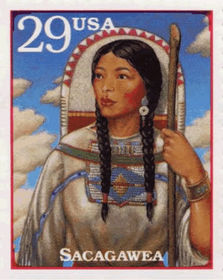
- 43Sacagawea1788- Sacagawea was a Native American (Shoshone) woman with a son, Pompy. She led Lewis and Clark on the Corps of Discovery Expedition and helped negotiate peace with other natives (translations). Her husband was a French-Canadian trader.
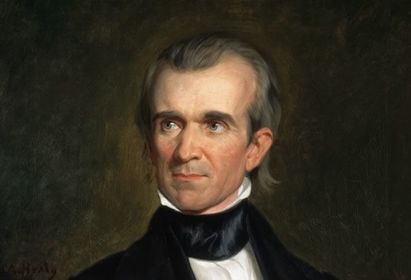
- 44James K PolkPolk was the 11th president. He reformed the National Banking System and reduced tariffs. He helped achieve the idea of Manifest Destiny by getting Oregon (boundary dispute with Britain), part of California (Mexican-American War), and most of the Southwest.
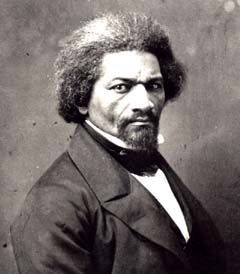
- 45Frederick DouglassDouglass was born a slave, but escaped at age 20. Despite laws prohibiting it, he had lerned to read and write while in slavery and later wrote several influential autobiographies. He wrote for the Liberator, an abolitionist newspaper, before continuing on as a black and women's rights activist.
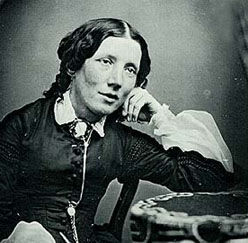
- 46Harriet Beecher StoweStowe grew up in a religious, social justice seeking family. She lost her child at a young age and this gave her more sympathy towards slaves who lost their children, too. Her anti-slavery novel, Uncle Tom's Cabin, was highly influential to northerners and sparked a need for abolition in many readers. She was also apart of the Semi-Colon Club (organization of talented writers).
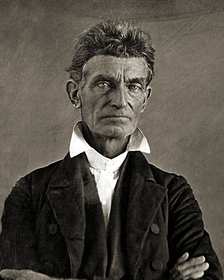
- 47John BrownJohn Brown was an extreme abolitionist from Kansas. He was arrested and hung for treason after his failed attempt to arm slaves in a rebellion at Harper's Ferry armory.
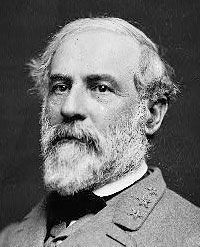
- 48Robert E LeeLee graduated from West Point, the highest military academy in the US. He fought in the Mexican-American War. Although he was offered to be Union general and he was opposed to slavery, he was loyal to Virginia and fought as the General of the Confederate Army of Virginia. Many famous Civil War battles were led by him, the "Grey Fox", but they were outnumbered and he surrendered.
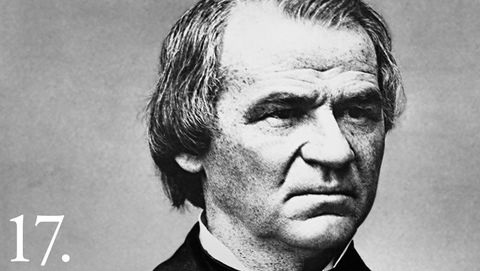
- 49Andrew JohnsonWhen Abraham Lincoln was assassinated, southern democrat Andrew Johnson became the 17th president. He stood in the way of Reconstruction by vetoing all bills passed by republicans ("Veto President") and letting confederate leaders off the hook with little punishment. He was a white supremacist.
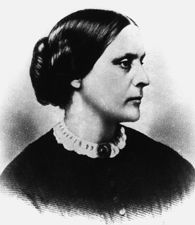
- 50Susan B AnthonyAnthony was a leading women's rights advocate. Her work paved the way to the 19th Amendment being passed. She was the president of the National American Woman Suffrage Association. One of the most famous conventions she spoke at was in Seneca Falls, and her main partner was Elizabeth Cady Stanton.
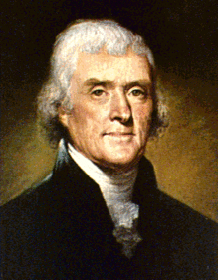
- 51Thomas JeffersonThomas Jefferson was the 3rd president of the United States. He also wrote the Declaration of Independence. During his terms, he made the Louisiana Purchase and got land in the midwest for America.
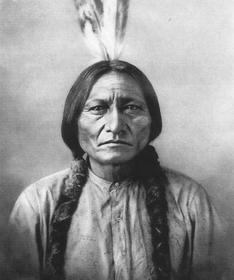
- 52Sitting BullSitting Bull was a Sioux Native American chief during the conflicts between them and US authorities. He was shot and killed by reservation officers while being arrested for leading Ghost Dances.
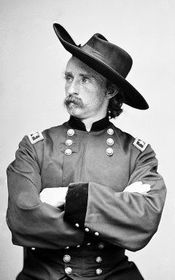
- 53George CusterCuster was a US calvary officer in the Civil War. His most famous battle, the Battle of Little Bighorn (nicknamed Custer's Last Stand), was famous because 200+ of his men died against the Plains Indians.
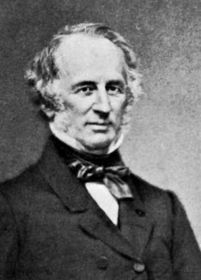
- 54Cornelius Vanderbilt"Commodore" Vanderbilt was a self-made millionaire. He started working as a steamboat captain, but transitioned into the railroad industry. He created the first interregional railroad system, which was much more convenient. Vanderbilt gave away portions of his fortune to education.
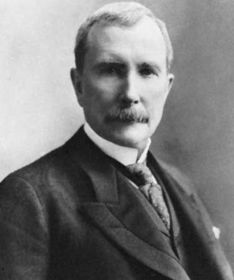
- 55John RockefellerJohn Rockefeller was mainly a robber baron, except for when he founded freemen's universities and donated money to the northern cause in the Civil War. His company, Standard Oil, was considered a monopoly because he bought out competitors. He also treated his workers unfairly.
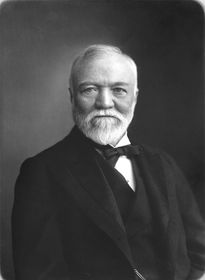
- 56Andrew CarnegieCarnegie started at the bottom before he mass produced steel (Pittsburgh Steelers, first manufacturer). He donated a ton of money to libraries, etc. One backfall on his rise was Homestead, where nine workers were killed during a strike.
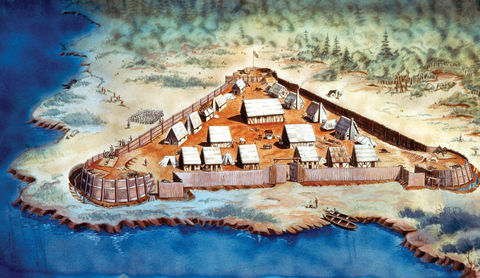
- 57Jamestown1607, first permanent English settlement in America, located in Virginia, came for wealth, poor survival skills and Indian relationship (ate corpses), tobacco
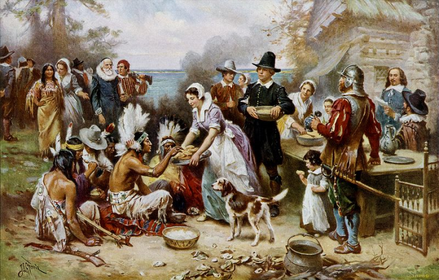
- 58Plymouth1620, Massachusetts, came for free religion, Thanksgiving, Native Americans helped them plant
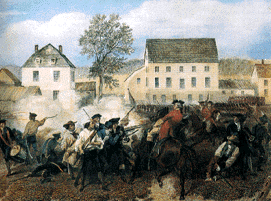
- 59Lexington and ConcordApril 19, 1775, redcoats march to take away minutemens' weapons, Paul Revere, kicks off Revolutionary war, British retreat
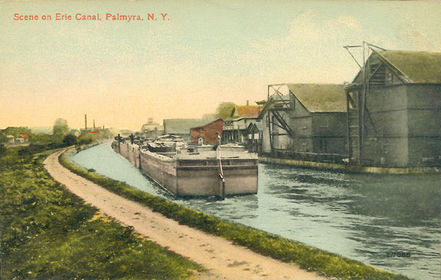
- 60Erie Canal1825, connects Great Lakes and Atlantic Ocean (Hudson River), cheaper to ship goods west, Clinton's Ditch
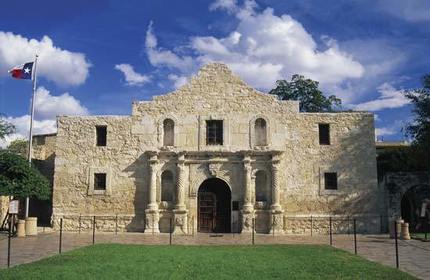
- 61The AlamoTexans fighting for independence from Mexico, leader Sam Houston, took over fort, Santa Anna orders no prisoners, 1/2 of Texans killed, Remember the Alamo
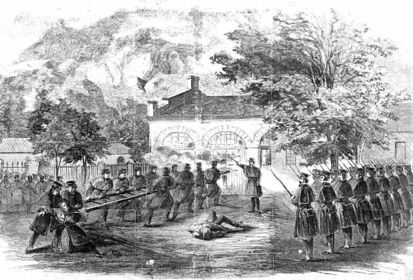
- 62Harper's Ferry1859, military arsenal, Virginia, John Brown, goal to free and arm slaves in a rebellion, JB captured and hung for treason
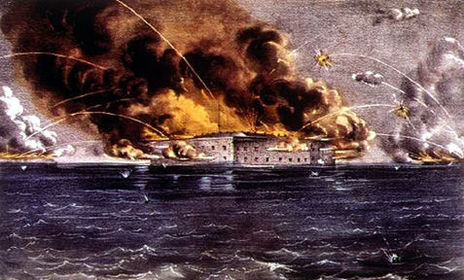
- 63Fort SumterApril 1861, South Carolina, Confederate win, first battle shows that Civil War will be longer than expected (people from DC have picnics while watching)
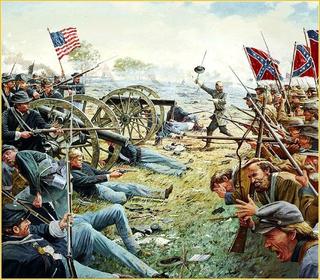
- 64GettysburgJuly 1863, General Lee, after Antietam, meet at crossroads, USA wins, Lee never invades again, Gettysburg Address (keep fighting, don't die in vain)
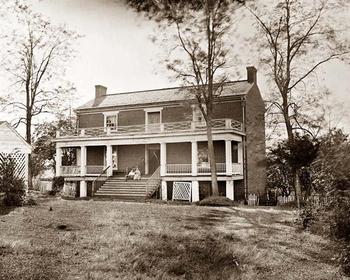
- 65Appomattox CourthouseApril 9, 1865, Robert E Lee surrenders to General Grant, effective end of the Civil War
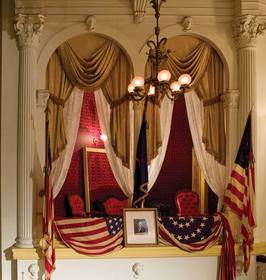
- 66Ford's TheaterWashington DC, Lincoln assassinated by John Wilkes Boothe, several days after Appomattox surrender, JWB yells "Thus always to tyrants", shut down and sold to government as a museum
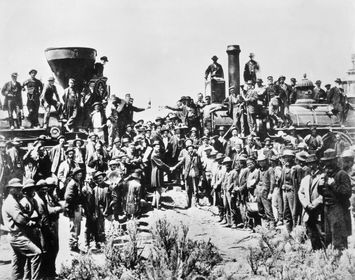
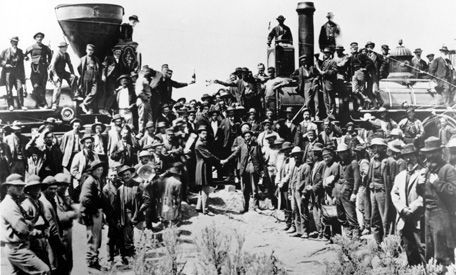
- 67Promontory Point, UtahThe point in the Transcontinental Railroad (after the completion) where the mayor of California cut the ribbon and the train went on it's first ride to Omaha.
- 68Ellis Island and Angel IslandELLIS: New York, immigrants from Europe, Statue of Liberty
ANGEL: Chinese immigrants, San Francisco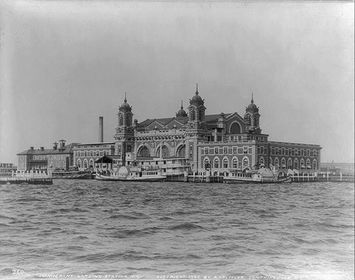
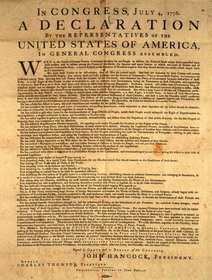
- 69Declaration of IndependenceJuly 4, 1776, John Hancock largest signature, Thomas Jefferson wrote it, declared the colonists' independence from Britain, led to the Revolutionary War
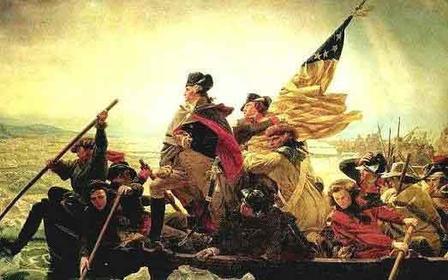
- 70Revolutionary War1775-83, The first battle was Lexington and Concord. The French helped the colonists who ended up winning their independence.
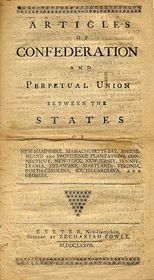
- 71Articles of Condeferationfirst US constitution, urgent, very weak, later replaced
- 72Great CompromiseSenate: 2 representatives per state, 100 total, equal for small states
House of Representatives: number of representatives based on population, 435 total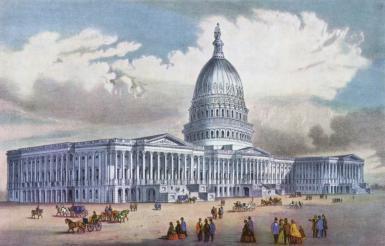
- 73Passing of the ConstitutionSome wanted the Constitution to be federally strong due to the failure of the Articles of Confederation, but some still wanted the people to have a lot of power so they wouldn't have an oppressive government. They settled on the Constitution with a later added Bill of Rights.
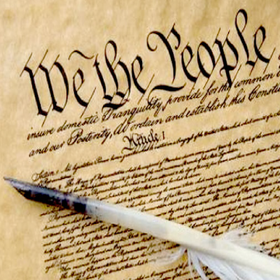
- 74Adding the Bill of RightsThe Bill of Rights was added to the Constitution 4 years after the Constitution was ratified. It was created to specifically protect the rights of citizens. The Bill of Rights was ratified with 10 amendments but more have been added over the years.
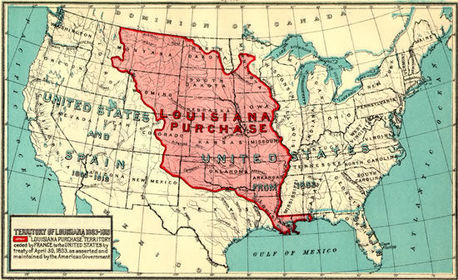
- 75Loisiana PurchaseThe Louisiana Territory was purchased by Thomas Jefferson in 1803. France had previously owned it, but Napoleon was in debt from a war so he sold it to the US for $15 million.
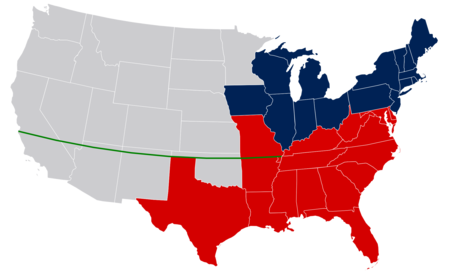
- 76Missouri Compromise1820, pro and anti-slavery supporters agreed on it, Missouri was more north than any other state that wanted slavery, created border where slavery could exist below but not above
- 77Indian Removal ActTrail of Tears, goal was to move all Natives to Oklahoma so Americans could move into their land, passed under Andrew Jackson
- 78Mexican-American War1846-48, first US conflict fought on foreign soil, border confusion from Texas gaining independence, James K Polk, Mexico loses 1/3 of their land
- 79California Gold Rush1849, brought many immigrants to America, population grows by 10x, over $2 billion in gold nuggets was mined
- 80Homestead ActAbraham Lincoln 1862, encouraged people to settle west for money given to the government. They had to live on the land for 5 years before it belonged to him.
- 81Industrial Revolutionmid 1700's- mid 1800's, people moved from rural to urban areas, more factory work and mass production of products
- 82Underground RailroadIt was mainly led by Harriet Tubman. Houses of abolitionists would leave out small signs (hung up blankets, etc) telling runaway slaves that it was a safe house to hide in during the day.
- 83Seneca Falls ConventionThe first US women's rights convention was held in New York with over 200 women showing up. Lucretia Mott and Elizabeth Cady Stanton organized it and Susan B Anthony is famous for speaking there.
- 84Compromise of 1850Henry Clay worked hard to put off a Civil War for as long as possible and this compromise satisfied both sides to an extent. For the northerners, the slave trade in Washington DC was abolished. For the southerners, the Fugitive Slave Act was introduced.
- 85Kansas-Nebraska ActThis act allowed popular sovereignty to take place in new states. This meant that they could choose whether they were a slave or free state. This led to Bleeding Kansas as settlers fought over the state's fate.
- 86Dred Scott v SanfordBefore the Civil War, former slave Dred Scott tried his previous owner in court, claiming that since he had lived freely for a long time he can't be put back into captivity. The Supreme Court ruled against him, saying that since he was black he did not have citizenship and couldn't go to court.
- 87Fugitive Slave ActThis stated that any runaway slaves need to be captured and returned to their owners. In addition, no one could interfere with the capture of runaways by law.
- 88Bleeding KansasBleeding Kansas was a period before the Civil War where Free-Staters and Border Ruffians fought for whether or not Kansas would be a slave or free state.
- 89Civil WarThe Civil War was fought over the conflict of slavery. The mainly-northern states fought against the southern "Confederate" states. It ended in a Union victory a few days before Lincoln was assassinated. The period following it was referred to as Reconstruction.
- 90Emancipation ProclamationReleased 3 years into the Civil War, the Emancipation Proclamation stated that all slaves in states or rebellion- the seceded states -would be freed.
- 91Civil War Draft RiotsThe north started drafting soldiers to fight in the war. Mostly only rich citizens could get out of the draft by paying $300 or buying a replacement.
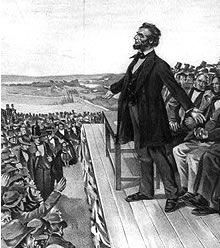
- 92Gettysburg AddressThe Gettysburg Address was delivered by President Lincoln in 1863 at the grave site. It's purpose was to give the northerners inspiration to keep fighting by connecting the events and what they were fighting for to the Constitution.
- 93ReconstructionThe goal was partly to gain social and political equality for blacks, and partly to restore the country. Obstacles included the KKK, Andrew Johnson, and the fact that southern states didn't trust the north. Other groups that impacted the era were the Freedmen's Bureau and Radical Republicans. The 13th, 14th, and 15th Amendments were passed during this time, too.
- 94Civil War AmendmentsThe Civil War Amendments were the 13th, 14th, and 15th.
13: abolished slavery
14: granted blacks citizenship
15: gave blacks suffrage - 95Completion of Transcontinental RailroadIt connected Omaha and Sacramento. Promontory Point, faster and easier to travel long distance
- 96Indian WarsThe Indian Wars were the last physical conflict between Natives and Americans. Tribes were performing Ghost Dances to get rid of Americans, and they saw it as a threat. They ended when Sitting Bull was killed.
- 97Gilded AgeThe Gilded Age was a time of monopolies and industrial success. There were robber barons who treated their workers poorly and/or ran monopolies, and there were also genius captains of industry who donated their money and helped people in their daily lives with their product.
Rockefeller: Standard Oil
Carnegie: steel
Vanderbilt: railroads
Morgan: banker - 98Populist PartyThe Populist Party was a people's party, instead of Republican or Democrat. The political part was founded to protect the people. It later merged with the Democratic party.
- 99Plessy v FergusonFerguson refused to sit on a Jim Crow bus because it violated his rights. The Supreme Court ruled against him because it did not conflict with the 13th and 14th Amendments.