
Mind map
theories of the stages of development.
Map content
theories of the stages of development.
Freudian theories
- Theory of the mind
- The Idea that we have motivations and desires unbeknownst to us, that are hidden away in our unconscious mind early on in our life cycle. Due to the thought that these desires and motivations are primitive, and socially unacceptable.
- Theory of the self
- The Idea that our personality is driven by three main driving factors.
- The Id
- The Id is the most primal and instinctual part of our personality we are born with it, unlike the ego and superego which are learned.
- The Ego
- This is the part of the self that deals with decision making and logical reasoning, the Ego helps us make compromises and to be practical.
- the Superego
- The Superego houses all of our moral and values of society, and is learned from our parents.
- Theory of the mind
Psychosexual Stages
- Oral Stage
- The Oral stage is the first part of development according to Freud, where everything that is good or bad. Is mainly discovered through the mouth. In this stage the Id is the only part of the self that exists yet.
- Anal Stage
- The Anal stage is where we learn more of a sense of self control, this is also where the Ego starts to be created.
- Genital stage
- This stage gives way to adolescent changes. and is characterized by hormonal urges, this is a time for the ego to be strengthened.
- Oral Stage
Historical views of child development
- Original sin
- The belief that everyone is born with the original sin of Adam and Eve, baptism can be used to cleanse the sin. But it is believed that the soul is still damaged, reinforcing the idea that there will always be a battle between good and evil within that person.
- Augustine of Hippo
- Augustine was born in 354CE and is an important christian church theologian and philosopher whose writings influenced western christianity and philosophy.
- Tabula Rasa
- The belief that children's personalities are shaped by their environment and personal experiences.
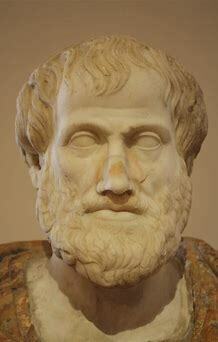
- Aristotle
- Aristotle was a prominent Greek Philosopher born in 384 BCE Chalcidice Greece.
- Innate Goodness
- The belief that children from infancy are born good natured, and that society corrupts them and makes them bad individuals.
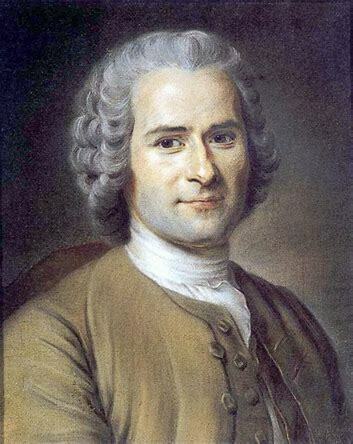
- Jean Jacques rousseau
- Jean Rousseau was born in Geneva Switzerland in 1712, he was the least academic of modern philosophers but was also in many ways the most influential.
- Original sin
Social Learning Theory
- A theory that Learning in childhood occurs through Observation, Imitation, and modeling.
- Albert Bandura
- Albert Bandura was a Canadian psychologist who was born in 1925, he is best known for his bobo doll experiment. He was also the lead contributor behind the social learning theory.
- Behavioral Theory and beyond
- Albert Bandura's theory was more than just about the behavioral theory established by Watson and Thorndike.
- Observation
- He believed that children learned through Observation both direct and indirect through external sources like media, while actions that were met with a positive response we be repeated. Punished actions would be avoided reminiscent of Freuds Id theory.
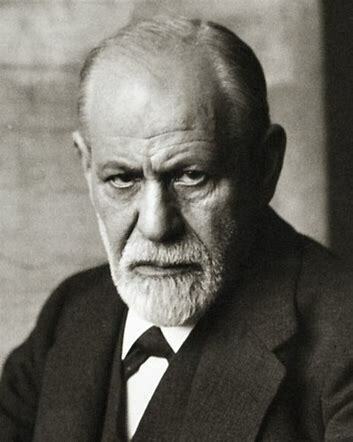
Sigmund Freud
- Sigmund Freud was an Austrian neurologist born in Vienna, he was also the father of psychoanalysis and overall a very famous and prominent figure in psychology.
Behavioral learning Theory
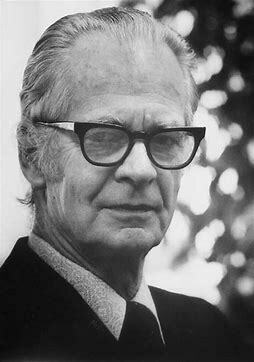
- Bf Skinner
- Skinner was Born 1904 in susquehanna pennsylvania, he was an influential part of behaviorism.
- Skinner's Theory
- Bf Skinner's theory on behaviorism expanded on Thorndike's ideas, and added that children and people learn best when their actions are reinforced in a positive manner. Furthermore he also believed that an action reinforced positively was likely to be repeated.
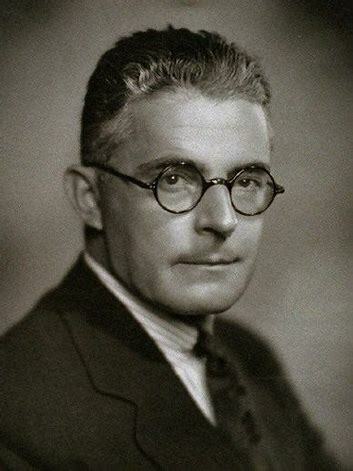
- John B Watson
- Watson's beliefs on behavioral learning was that, most of us are classically conditioned through association. He believed that through conditioning parents could achieve whatever outcomes they had hoped for their child, as long as they followed his example. He is best known for his controversial experiment with an infant known only as Little Albert, who he condition to associate a tiny white rat with fear.
- Personal life
- John B Watson was born in 1878, and set the stage for the study of behaviorism.
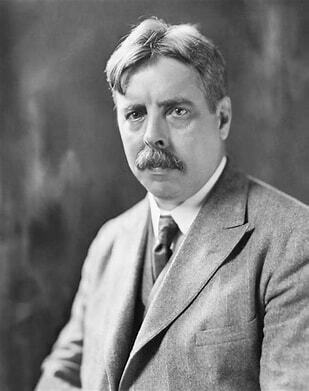
- Albert Thorndike
- Albert Thorndike was born 1874 in Williamsburg Massachusetts.
- Thorndike's Theory
- In the case of Thorndikes theory of behaviorism, he believed that people and children do things not out of just classic conditioning, but from conscious thought. He thought that children and people do the things they do to see what effect will occur in response, and that we repeat those actions due to a good effect taking place.
- Bf Skinner
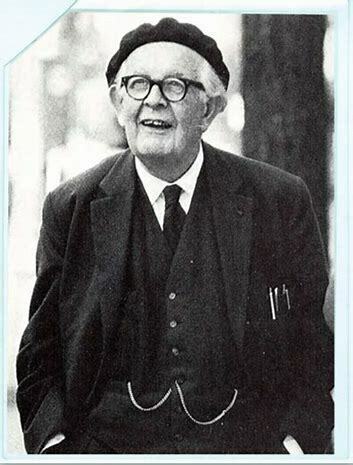
Jean Piaget
- Jean Piaget was a Swiss psychologist and genetic epistemologist, who became famous when he presented his theory of cognitive development in children.
- Theory of cognitive development
- Piaget's theory of cognitive development believed that children development through different stages, of brain development. That they are constantly learning and acquiring new information that they then add to what is previously known, and then adjust their thinking accordingly. He was also the one came up with the key term of the sensorimotor stage.
- Other theories of cognitive development
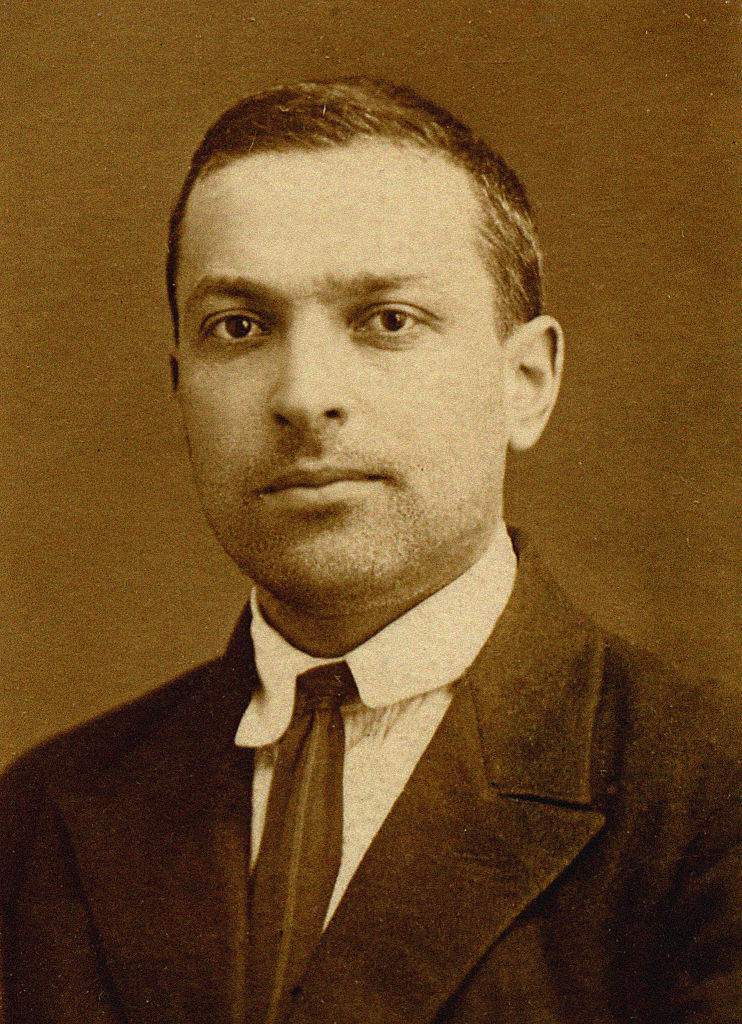
- Lev Vygotsky
- Lev Vygotsky was born in 1896 to a Jewish middle class family in Orsha, Russia. His upbringing being the main reason for most of his views and choices.
- Changes in thought through guidance
- Vygotsky's thoughts on child development differed vastly from that of Piaget's, instead of believing children developed over a set of particular stages and grew with each stage. He believed that children always had the ability to understand their reality, in a form of untapped potential that could be uncovered given the proper guidance.
- Lev Vygotsky
Images and files in the map


Information
- Description
- A mind map explaining and exploring the different psychological theories of the stages of development from infancy to adulthood.
- Created by
- Luke Puschert
- Views
- 31
- Tags
- Rating