Mind map
Assessments of ELs
Map content
Assessments of ELs
Authentic Assessment
- Reasons for Authentic Assessments
- Helps students learn to apply knowledge.
- Allow students to construct meaning using various demonstration possibilities.
- Integrates teaching, learning, and assessment.
- Steps to Creating an Authentic Assessment
- Identify what students need to know and can do by using standards.
- Develop a task for students to show they understand and can apply the standards.
- Determine what good performance looks like with the task.
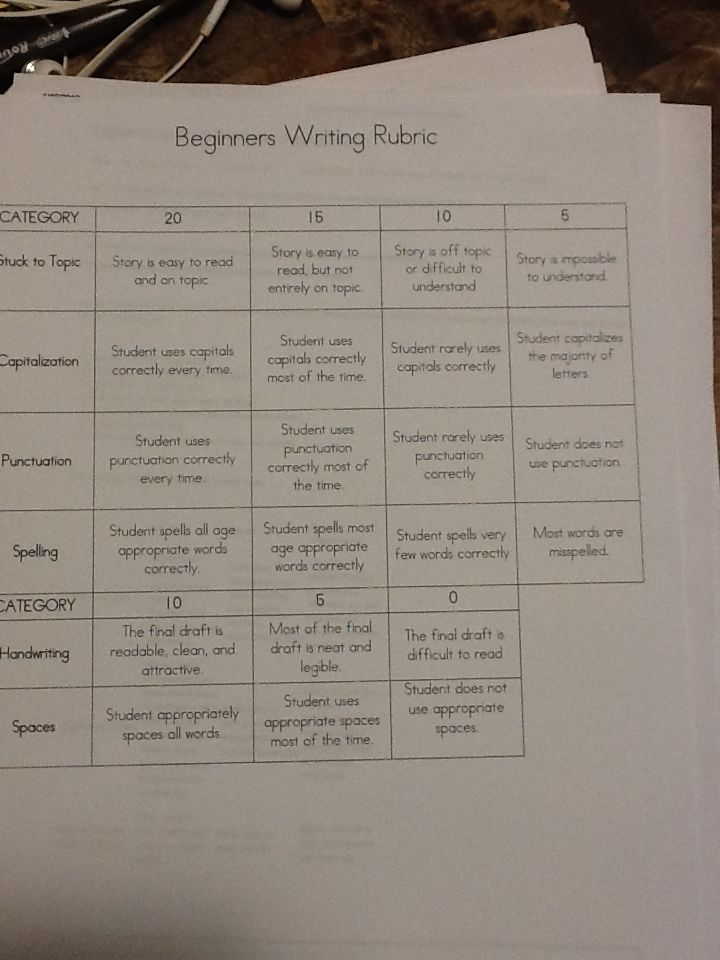
- Create a rubric to assess levels of performance.
- A task performed by a student to show understanding of content/skills.
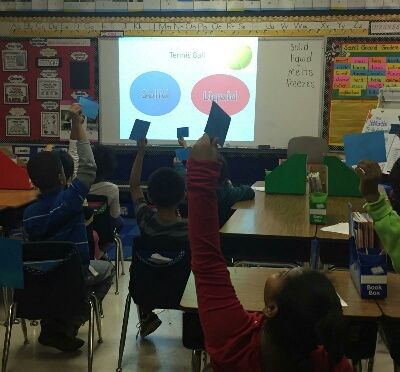
- My pictures include examples of authentic assessment. Students are being assessed on solids and liquids. When a picture is shown, students hold a blue card for liquids and a red card for solids.
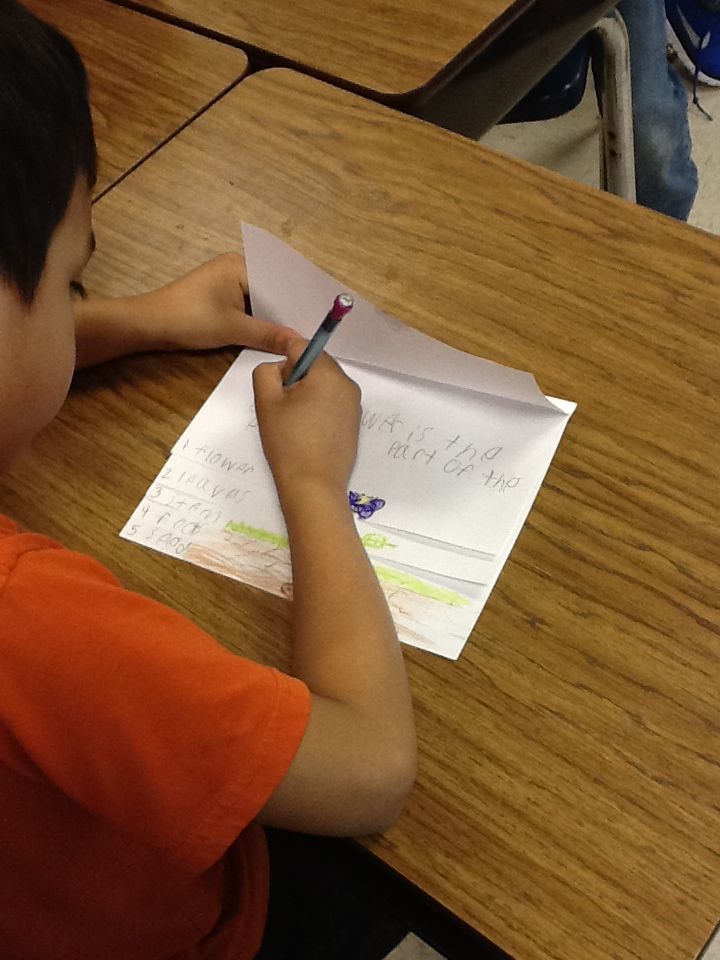
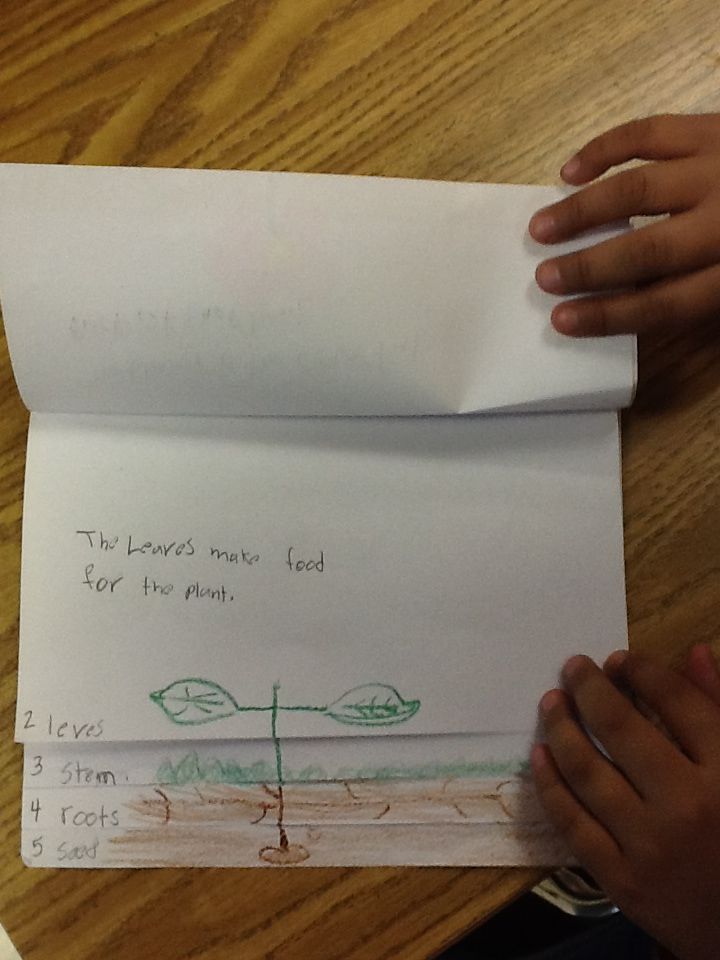
- Students also were assessed on plant parts by creating a flip book. Students labeled each plant part and wrote one fuction of each part.
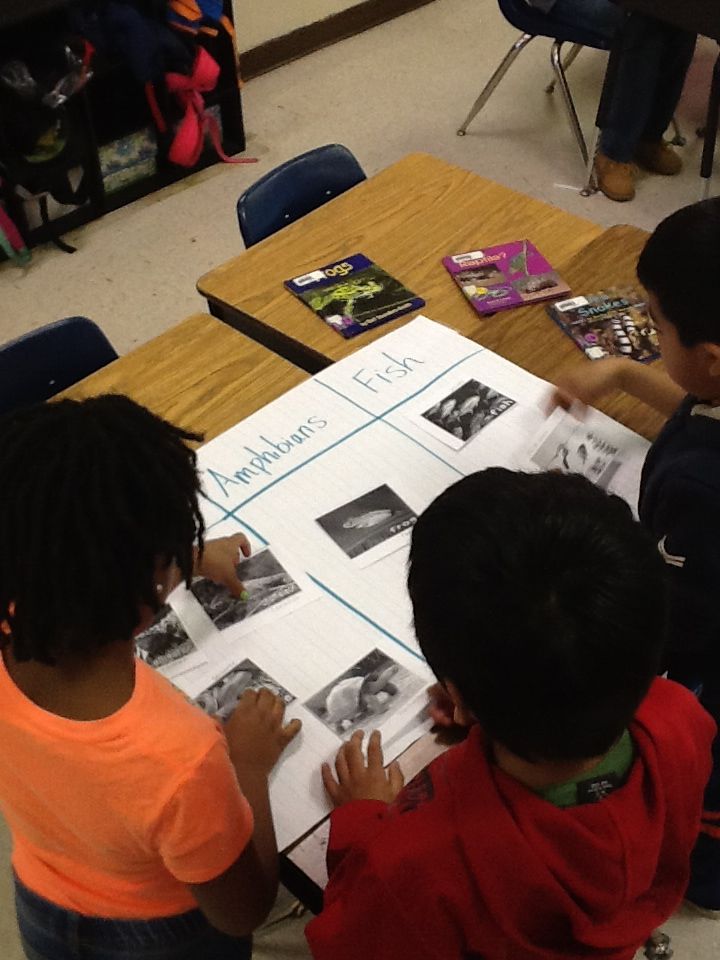
- After developing a lesson using standards, students were assessed by sorting animals based on classification.
- Reasons for Authentic Assessments
Performance-based Assessments
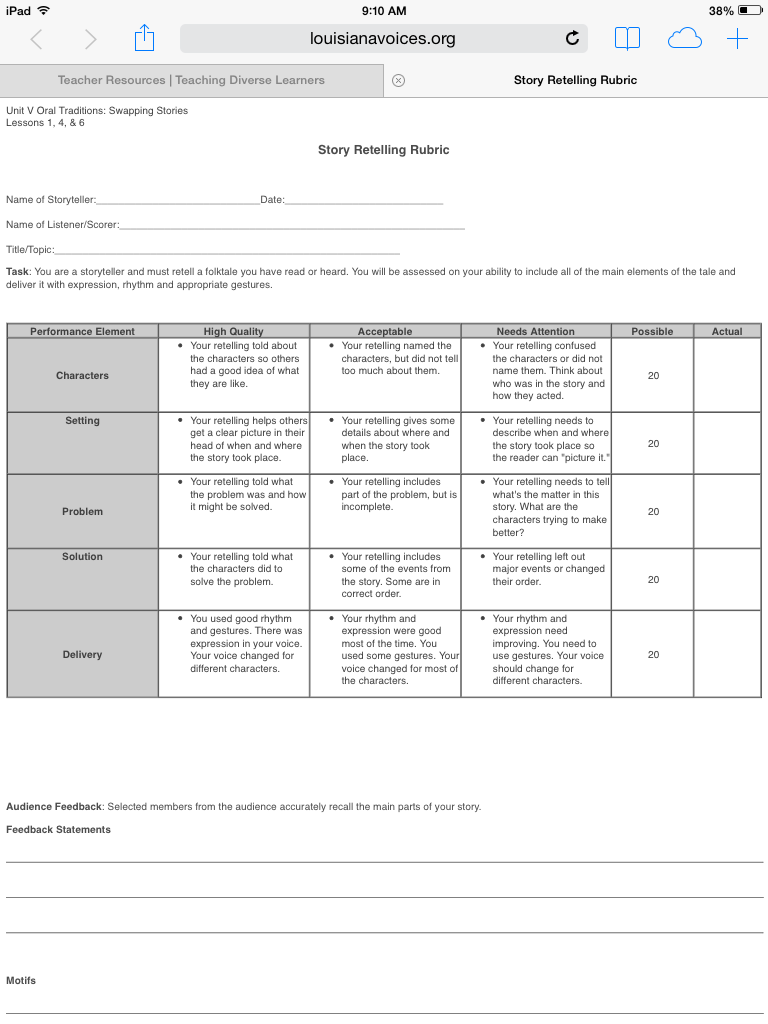
- Assessments created to assess language proficiency and academic performance.
- Examples: oral reports, presentations, demonstrations, written assignments.
- Read with a partner, retell a story, role play, give instructions using visuals, tell a story using sequence, debate, brainstorm, etc.
- Examples: oral reports, presentations, demonstrations, written assignments.
- Assessments created to assess language proficiency and academic performance.
Portfolio Assessments
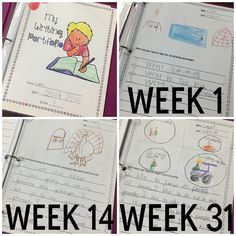
- Collection of student work over time that reflects growth of objectives and standards.
- Examples: samples of written work, drawings that show knowledge of content, tapes or videos of role play or presentations, teacher descriptions of performances, formal test data.
- Checklists and weekly meetings with students help set goals. Students can help create rubrics.
- Examples: samples of written work, drawings that show knowledge of content, tapes or videos of role play or presentations, teacher descriptions of performances, formal test data.
- Collection of student work over time that reflects growth of objectives and standards.
High-Stakes Testing
- Assessments designed to measure mastery of standards. Tests results allow students to promote grade levels, graduate, and/or be accepted into other programs.
- NCLB requires that 95% of the school population must participate in high-stakes testing.
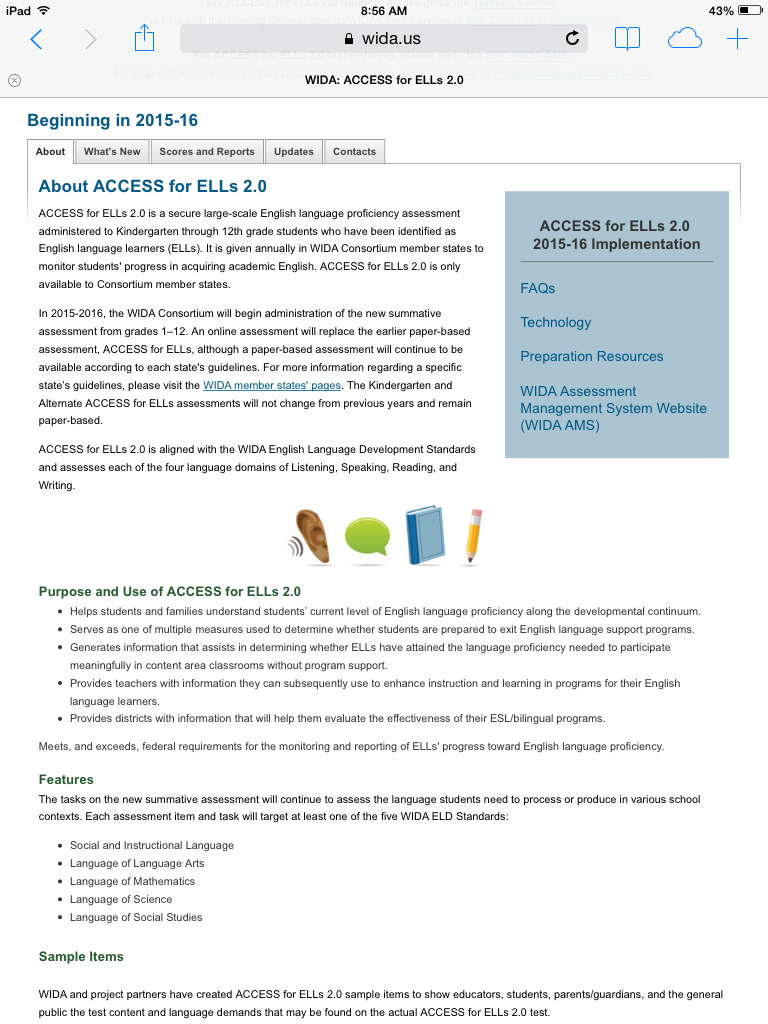
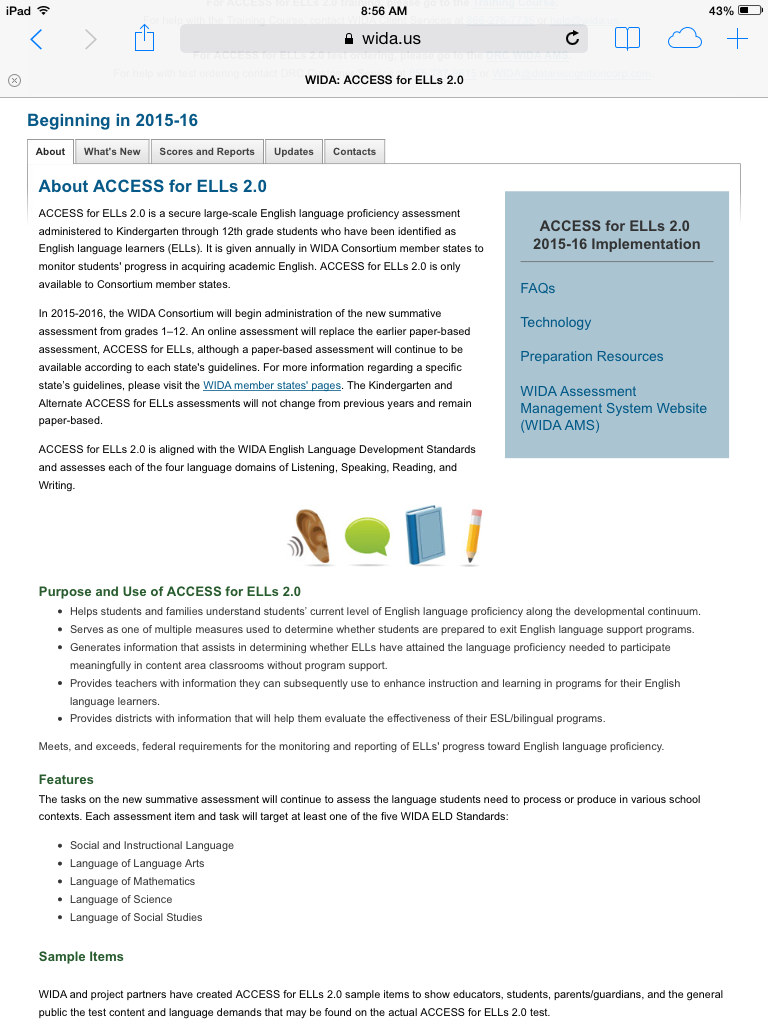
- Examples: ACT Aspire, ACCESS, Alabama High School Graduation Exam
Ongoing Assessments
- Assessments continuing over long periods of time, providing continuous feedback for students showing strengths and growth.
- Examples: portfolios, planned assessments such as chapter tests, unit tests, quizzes, writings, and informal observations.
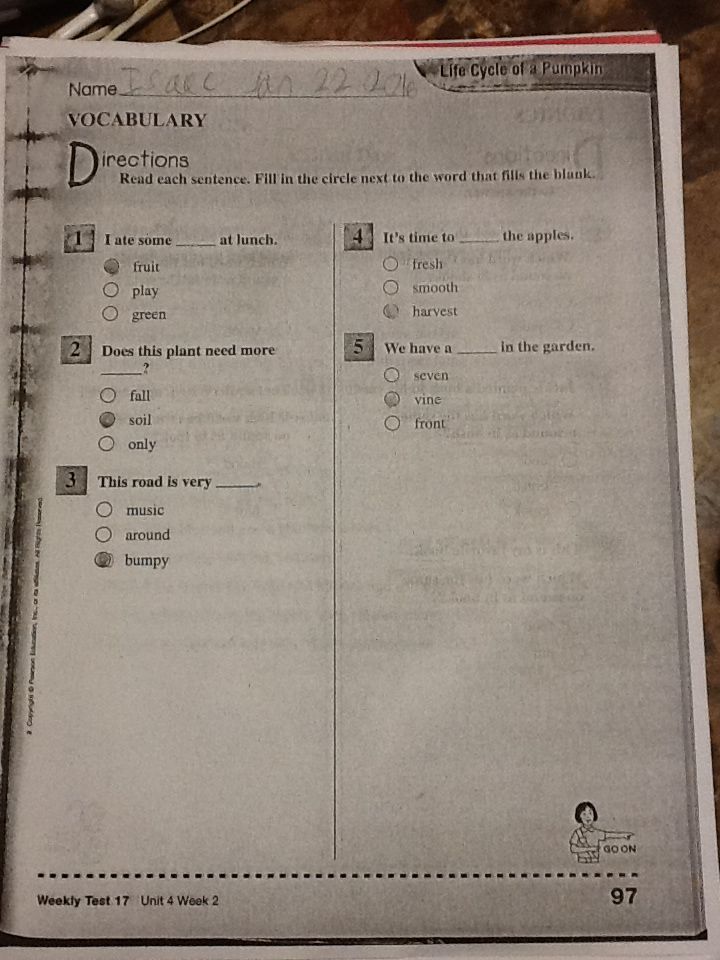
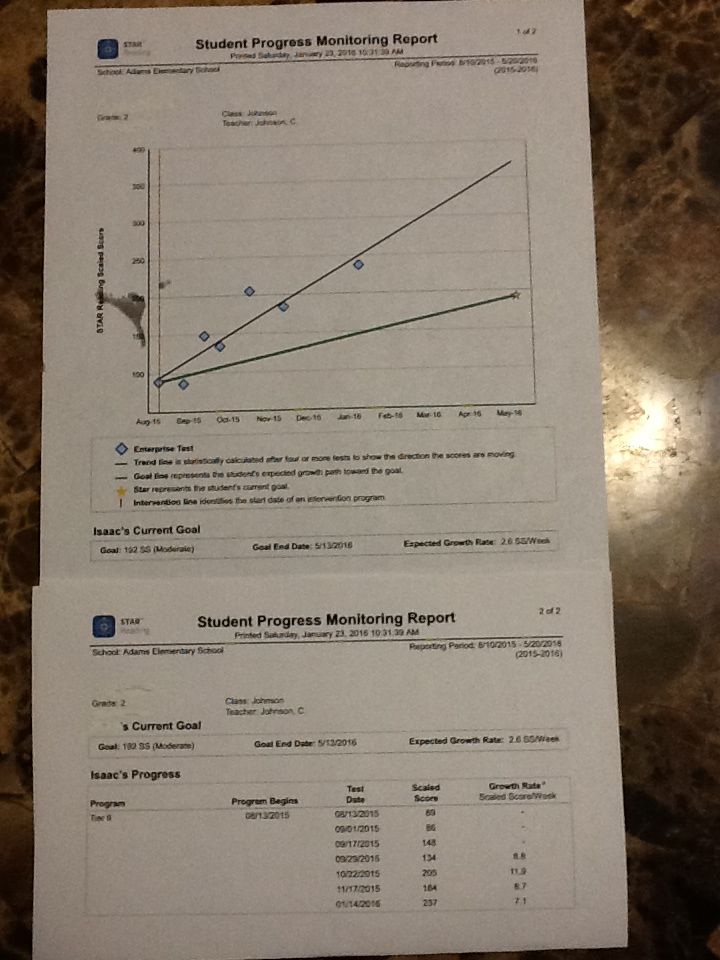
- Ongoing assessments with my students include STAR weekly and biweekly testing, weekly tests, unit tests, etc. My pictures include a STAR reading progress monitoring report, and a weekly reading assessment.
Initial Assessments
- EB/EL students are assessed when they enter school. Students should be assessed in their primary language. Assessments should be given by someone familiar with second language acqustion.
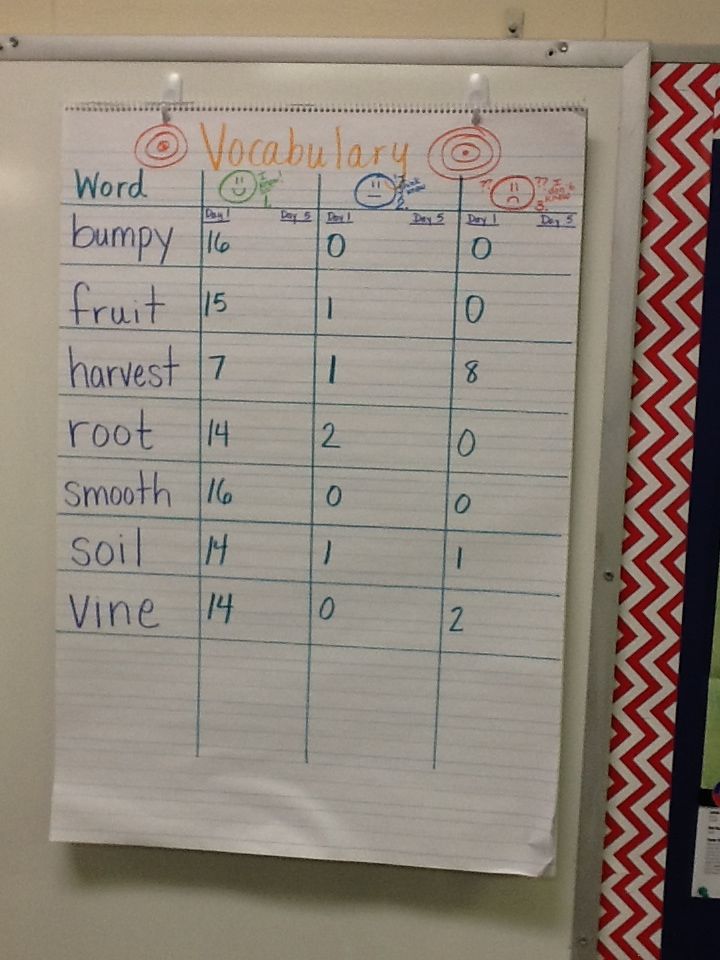
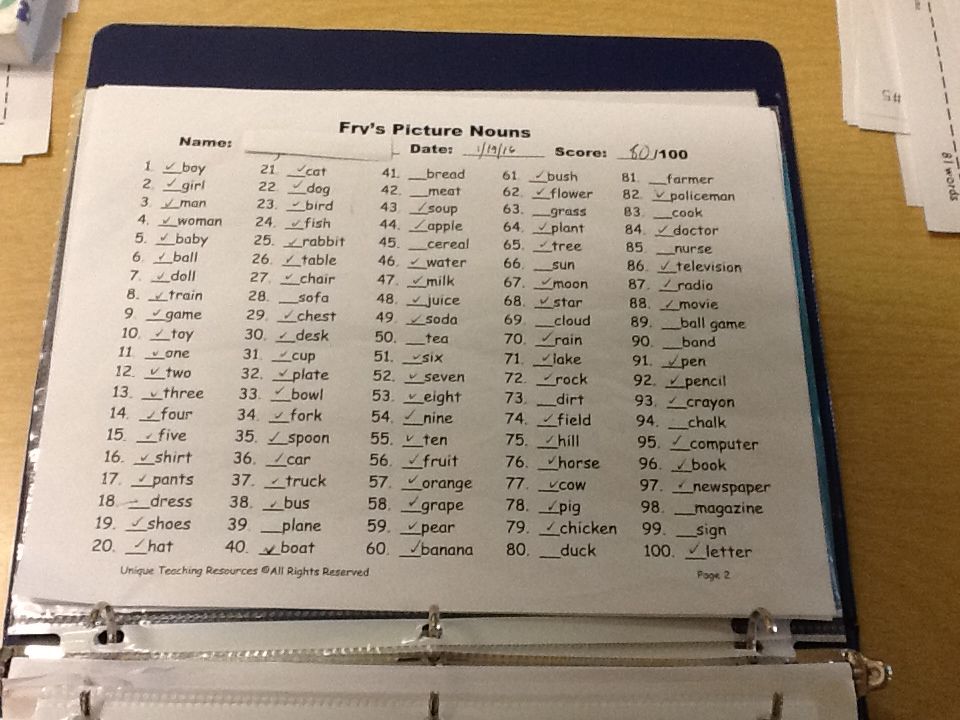
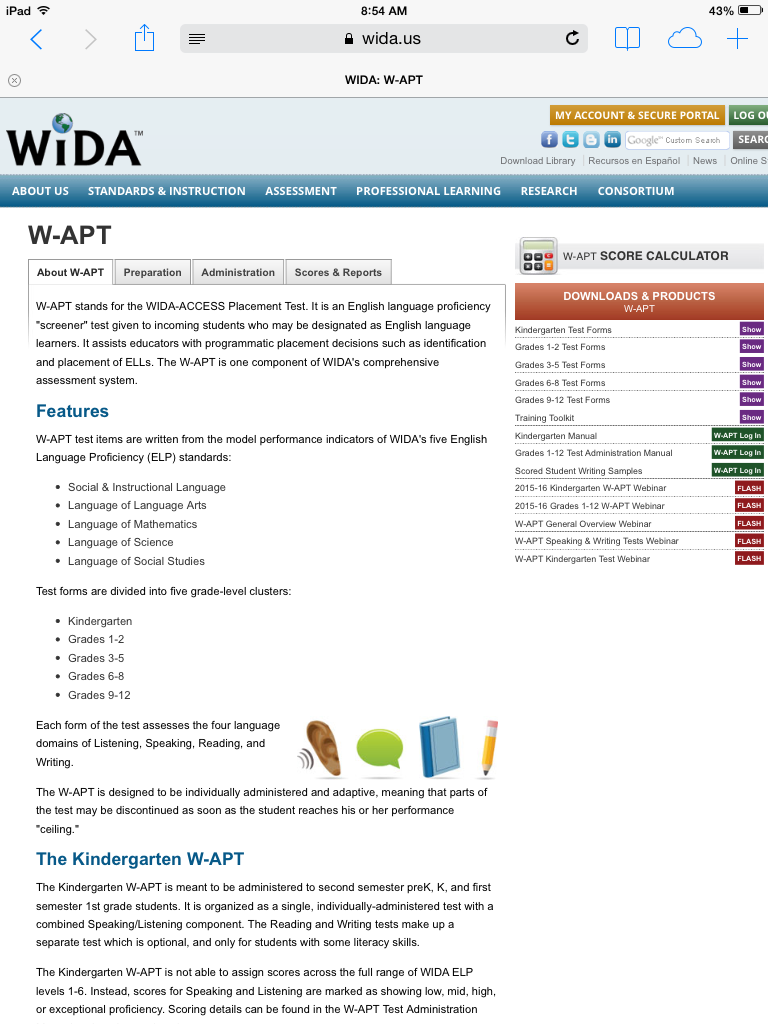
- Our students are initially assessed using the W-APT assessment. I also use informal initial assessments such as my vocabulary chart, and word reading lists. These assessments allow me to plan my instruction based on what they already know.
- Assesses language, content knowledge, and literacy.
- EB/EL students are assessed when they enter school. Students should be assessed in their primary language. Assessments should be given by someone familiar with second language acqustion.