
Mind map
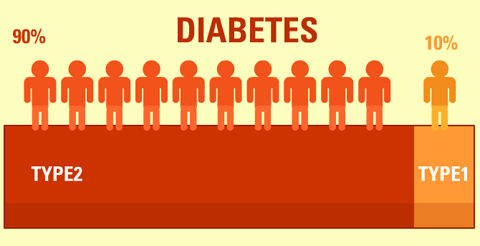
Diabetes Mellitus Type 2
Map content
Diabetes Mellitus Type 2
Symptoms and Diagnosis
- Symptoms and Presentation
- Acute
- Nausea
- Vomiting
- Abdominal Pain
- Dehydration
- Hyperosmolar Nonketotic State
- Infection
- Prolonged Wound Healing
- Subacute
- Fatigue
- Polydipsia
- Polyuria
- Weight Loss
- Polyphagia
- Asymptomatic
- Acute
- Diagnostic Tests
- Hemoglobin A1C Test
- Normal: <5.7% Pre-diabetes: 5.7%-6.4% Diabetes: >6.5%
- Fasting Plasma Glucose Level
- Normal: <100mg/dl Pre-diabetes: 100-125mg/dl Diabetes: >126mg/dl
- Random/Casual Plasma Glucose Measurement
- Normal: <115mg/dl Pre-diabetes: N/A Diabetes: >200mg/dl
- Two-hour OGTT Level
- Normal: <140mg/dl Pre-diabetes: 140-199mg/dl Diabetes: >200mg/dl
- Hemoglobin A1C Test
- Symptoms and Presentation
Treatment
- Mild Presentation
- Lifestyle modifications
- Diet
- Carbohydrates (Less than 10% of calorie intake)
- Fats (Less than 7% of calorie intake)
- Proteins (Limited to 15% of calorie intake)
- Exercise
- 30 minutes a day, 5 days a week
- Increases insulin receptor sites, lowers blood sugar
- 30 minutes a day, 5 days a week
- Diet
- Lifestyle modifications
- Moderate to Severe Presentation
- Medication in conjunction with lifestyle modifications
- Drugs
- First-line Medication
- Biguanides
- Increases insulin sensitivity, therefore increasing glucose transport into tissues
- Decreases glucagon, therefore reducing glucose production
- Can decrease A1C levels by 1%
- If blood glucose hasn't improved, add another medication
- Thiazolidinediones
- Increases insulin transport and sensitivity on cell receptors
- Improves insulin use at tissues
- Sulfonylureas
- Inhibits potassium channels on beta cells
- Influx of calcium in beta cells
- Releases insulin
- Influx of calcium in beta cells
- If blood glucose still hasn't improved, add insulin to treatment
- Insulin
- Issues with insulin therapy
- Hypoglycemia
- Could be caused by overdose of insulin
- Allergic Reaction
- Lipodystrophy
- Can result in areas of insulin if injection site is unchanged
- Somogyi Effect
- Rebound effect from too much insulin causing hypohlycemia
- Dawn Phenomenon
- Hyperglycemia when waking in the morning due to hormones that counter insulin during this time
- Hypoglycemia
- Issues with insulin therapy
- Insulin
- Inhibits potassium channels on beta cells
- Meglitinides
- Increases insulin production from beta cells in pancreas
- Alpha-Glucosidase Inhibitors
- Slows carbohydrate absorption
- Thiazolidinediones
- Biguanides
- First-line Medication
- Drugs
- Medication in conjunction with lifestyle modifications
- Mild Presentation
Nursing Care
- Assessment
- Patient's ability to perform ADL/iADL
- Community Dwelling Patients
- Assisted Living Facilities
- Hospitalized Inpatients
- Skilled Nursing Facility
- Nursing Facility (Long-term)
- mentally incompetent patients
- confused, cognitively dysfunctional, or delirious
- depression
- Past health history
- viral infections
- Respiratory Syncytial Virus (RSV) causes a change in the pathways that regulate insulin levels
- sudden increase in BG levels as the normal
- Respiratory Syncytial Virus (RSV) causes a change in the pathways that regulate insulin levels
- medications
- beta-blockers are not ideal medications for diabetic patients with HTN
- beta-blockers have been shown to increase ↑ TG, lower ↓ HDL cholesterol, heighten insulin resistance, induce systemic weight gain, and mask hypoglycemia.
- thiazolidinone
- acts synergistically with insulin causing arterial vasodilation, sodium reabsorption and eventually edema
- beta-blockers are not ideal medications for diabetic patients with HTN
- recent surgery
- eg. CABG surgery alters body glucose homeostasis and increases stress causing HHS
- viral infections
- identify daily basal rate and bolus doses
- obesity
- BMI > 30.0 is considered obese
- obese individuals are more likely to develop T2D than overweight or normal BMI individuals
- BMI > 30.0 is considered obese
- positive health history
- no known previous diseases or altered health statuses
- Patient's ability to perform ADL/iADL
- Planning
- actively engage patient to participate in lowering blood glucose levels
- prevent or delay T2D complications
- prevent or eliminate acute hyperglycemic emergencies or hypoglycemia
- maintain appropriate blood glucose levels according to patient profile
- adjust lifestyle management with minimal stress
- Implementation
- Patient Education
- Travel
- must continue medications as regular
- Self-Management
- consider mentally incompetent individuals require self-management assistance
- offer regular diet and preferred food items
- offer food substitutions if meal intake is <75%
- increase blood glucose monitoring during acute mental status or behaviour changes
- depression
- assess and treat depression
- encourage physical activity as possible
- encourage socialization, especially during meals
- consider physically incompetent individuals ranging from the ability to perform ADLs independently to ADL-dependent individuals, to successfully apply self-management skills
- for hospitalized patients who require temporary self-management assistance
- monitor BG levels as required based on patient complexity and avoid relying on A1C levels due to recent acute illness
- for rehab patients who require partial self-management assistance
- after discharge, patients need to be able to perform self-care skills and informed about self-adminstration skills for home management
- nursing staff monitor BG levels based on the patient complexity of T2D and risks of hypoglycemia and use caution when interpreting A1C levels as many conditions interfere with A1C levels.
- for chronically ill patients who require full or partial self-management assistance
- continuous nursing staff education to provide T2D management
- for community-dwelling patients who require no self-management assistance (are fully independent)
- educate the patient in preventing T2D complications and maintaining BG levels within normal ranges
- for hospitalized patients who require temporary self-management assistance
- consider mentally incompetent individuals require self-management assistance
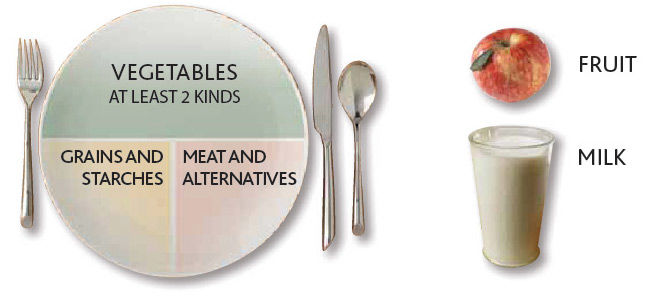
- Plate Method
- Travel
- to prevent or delay T2D and its complications
- encourage physical activity to minimize the T2D effects of overweight and obese individuals
- for overweight adults 45 YO and up, provide routine screening to monitor prognosis
- Diagnosed T2D Diabetic
- monitor BG levels according to patient complexity of regimen
- advise healthy eating habits and nutrition levels and help develop appropriate plate portions and meal plans following Canada's Food Guide
- advise risks of poor eating habits and diets
- can lead to T2D complications
- advise risks of poor eating habits and diets
- continue oral agents and insulin therapy as prescribed
- track daily basal rates and bolus doses to review progression
- inform patients of the risks of poor blood glucose control
- advocate, administer, and successfully maintain BG levels and avoid T2D complications for mentally incompetent patients
- Patient Education
- Evaluation
- follow-up with patient after discharge and evaluate outcomes of patient goals and treatments
- a study showing nursing staff who actively involve in patient therapy after discharge including initial individual meeting with an RN, attending a group class meeting for 1 to 2 h (with 4-10 participants) once per week for 4 weeks, and telephone follow-up calls for 1 year resulted in greater mean change in A1C and total cholesterol and LDL cholesterol
- review diet progression and connect with overall health benefits
- if diet has improved or if physical activity has improved, the risks of CVD would normally decrease
- absent of injuries
- poor blood glucose control can lead to the following:
- increased ↑ hospital complications
- increased ↑ risk of mortality upon 30-day admission to hospital
- microvascular conditions exacerbated
- increased ↑ platelet aggregation
- increased ↑ markers of vascular inflammation
- poor blood glucose control can lead to the following:
- follow-up with patient after discharge and evaluate outcomes of patient goals and treatments
- Assessment
Collaborative Care
- Dietician
- works with the patient, RN and the patient's health care team to develop meal plan, appropriate plating portion and guidelines to healthy eating habits - get ready for the yummy fruits and veggies!
- Chiropodist
- foot care specialist who is trained to trim toe nails of diabetic patient foot - I promise he won't bite!
- Diabetes Nurse Educator
- an RN with specialized training and education in teaching diabetic patients self-management goals and skills and diabetic complications on a case-by-case basis - unique to each individual.
- Diabetes Education Program
- an RN with specialized training and education in teaching diabetic patients self-management goals and skills and diabetic complications on a case-by-case basis - unique to each individual.
- Pharmacist
- provide more information on medications and interactions and alternatives
- Optometrist
- using various vision tests to check for and determine retinal blood vessel damage
- Community Organizations
- raise awareness and health promotion strategies to prevent or delay T2D and associating complications such as providing support and services leading to improved self-management goals and skills
- help arrange Diabetes Education Program for patients interested in receiving support for diabetes management
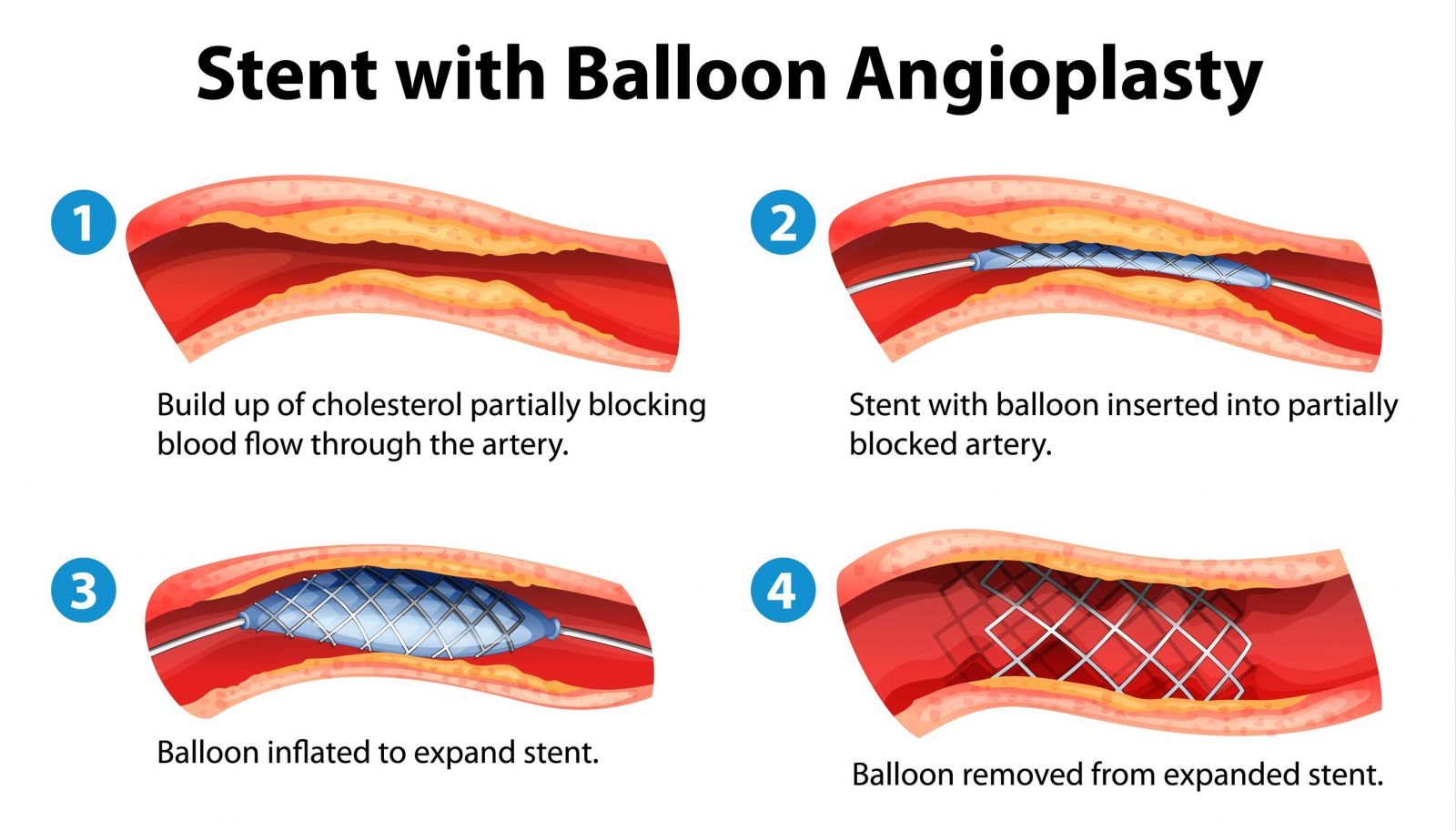
- Cardiologist and Cardiac Rehabilitation
- angioplasty or CABG procedures performed to restore heart function
- Cardiac Rehab provides counseling and training on exercise, education for heart-healthy living and stress management therapies
- Dietician
Pathophysiology
- Who could this affect?
- Over 35 years of age
- Risk increases with age
- Family history
- 80%-90% of patients are overweight
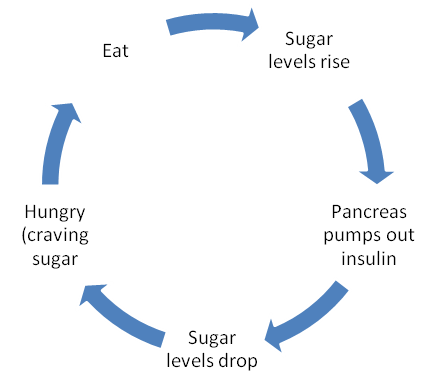
- Due to increase intake of food, insulin is constantly being produced
- Insulin receptors on cells become desensitized to insulin
- Due to increase intake of food, insulin is constantly being produced
- Aboriginal Hispanic South Asian Asian African
- Over 35 years of age
- What is Diabetes Mellitus Type 2?
- The body normally goes through the following cycle to maintain 4 to 6 mmol/L of glucose
- When you eat food, glucose begins building up in the blood
- Beta cells on Islets of Langerhans on the pancreas secrete insulin
- Insulin "unlocks" receptors on cells
- This step in the cycle is the main problem for patients with type 2 diabetes
- Insulin Resistance
- Insulin receptors on cells do not get "unlocked" by insulin due to receptors being unresponsive or loss of receptors entirely
- Glucose begins to build up in the bloodstream
- Results in hyperglycemia and Type 2 Diabetes
- Analogy: When you put on glasses for the first time, you become very aware that they're on your nose and ears. But over time, those sensations begin to dim until you forget that the glasses are even on your nose!
- Glucose begins to build up in the bloodstream
- Insulin receptors on cells do not get "unlocked" by insulin due to receptors being unresponsive or loss of receptors entirely
- Insulin Resistance
- Cells receive glucose to use for energy
- Lowers blood glucose levels as the glucose passes out of the bloodstream
- Alpha cells on liver secrete glucagon
- Abnormal glucose production from liver could aid in development of type 2 diabetes
- Promotes conversion of glycogen to glucose
- Alpha cells on liver secrete glucagon
- Lowers blood glucose levels as the glucose passes out of the bloodstream
- This step in the cycle is the main problem for patients with type 2 diabetes
- Pancreas still makes insulin, but could produce less because of fatigue
- Beta-cell mass loss
- Insulin "unlocks" receptors on cells
- Beta cells on Islets of Langerhans on the pancreas secrete insulin
- Analogy: This is just one of the components of the homeostatic elements that our body goes through. It very much works like a thermometer. It detects levels of glucose in the environment, and releases elements to counteract them if they become to rampant.
- When you eat food, glucose begins building up in the blood
- The body normally goes through the following cycle to maintain 4 to 6 mmol/L of glucose
- Who could this affect?
Complications
- Diabetic Ketoacidisis
- Hyperosmolar Hyperglycemic Syndrome
- BG levels rise immensely and leads to severe dehydration and very dark urine
- Hypoglycemia
- Macrovascular Angiopathy
- increased risk of heart diseases such as CAD and ACS which can lead to increased risk of mortality
- Microvascular Angiopathy
- Diabetic Neuropathy
- peripheral nerves damaged and increases susceptibility to injuries without awareness
- Lower extremity issues
- peripheral nerves damaged and increases susceptibility to injuries without awareness
- Diabetic Retinopathy
- retinal blood vessels are damaged and can cause impaired vision and/or blindness
- Diabetic Nephropathy
- glomerular arterioles damaged and increases the risk of kidney disease and excretion of proteins in urine
- more susceptible to skin lesions
- increased risk of Infection
- Diabetic Neuropathy
Images and files in the map









Information
- Description
- DM Mind Map on Diabetes Mellitus Type 2, created by E C on 15/03/2017.
- Created by
- E C · Mar 2017
- Updated
- Mar 15, 2017
- Views
- 0
- Tags
- History
-
- Created by Eugene Lee · Mar 12, 2017
- Copied by E C · Mar 15, 2017
- Rating