
Endocrine System and Disorders
908 resources created by 577 users
This Endocrine System and Disorders page on GoConqr gathers community-made mind maps, quizzes, flashcards, notes and flowcharts, from diabetes and thyroid tumours to adrenal, pituitary and parathyroid disorders. It's built for university students and professional candidates practising recall and exam-style questions, and for teachers after ready-made material. There are over 890 resources here, including more than 90 quizzes, over 500 mind maps and more than 230 flashcards. Pick a topic, try a quiz to find your gaps, then make your own revision sets.
Select topic
- Pituitary Disorders22
- Growth Hormone Disorders24
- Diabetes Insipidus and SIADH15
- Thyroid Gland and Thyroid Disorders68
- Hyperthyroidism and Graves' Disease76
- Hypothyroidism36
- Parathyroid and Calcium Disorders21
- Adrenal Gland Disorders31
- Cushing Syndrome67
- Adrenal Insufficiency and Addison's Disease26
- Diabetes Mellitus191
- Diabetes Complications and Hypoglycemia18
- Metabolic Syndrome and Obesity17
Top Endocrine System and Disorders resources
-
Mind map Endocrine Pathology
-
Mind map Type 1 Diabetes Mellitus
-
 Mind map Mindmap: Diabetic Ketoacidosis (DKA) - Elaina Pham and Charity Kate de Leon
-
Mind map Thyroid Tumors
-
161 questionsEndocrinology Exam Questions Which hormones regulate the levels of calcium in the blood?
-
15 questionsDM QUIZ endocrine 1- A 66-year-old Hispanic man with a history of myocardial infarction, dyslipidemia, and hypertension recei...
-
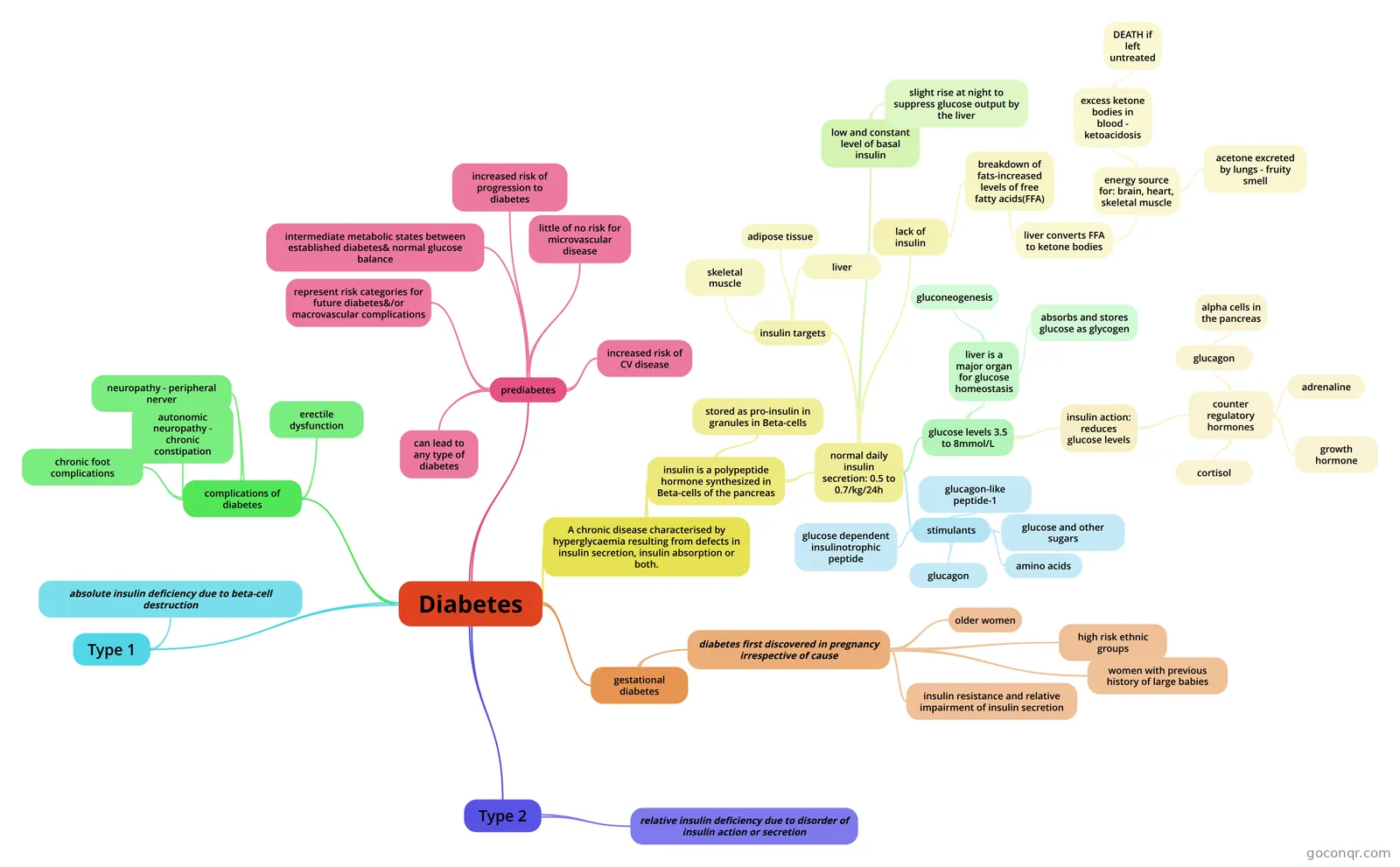 Mind map Diabetes
-
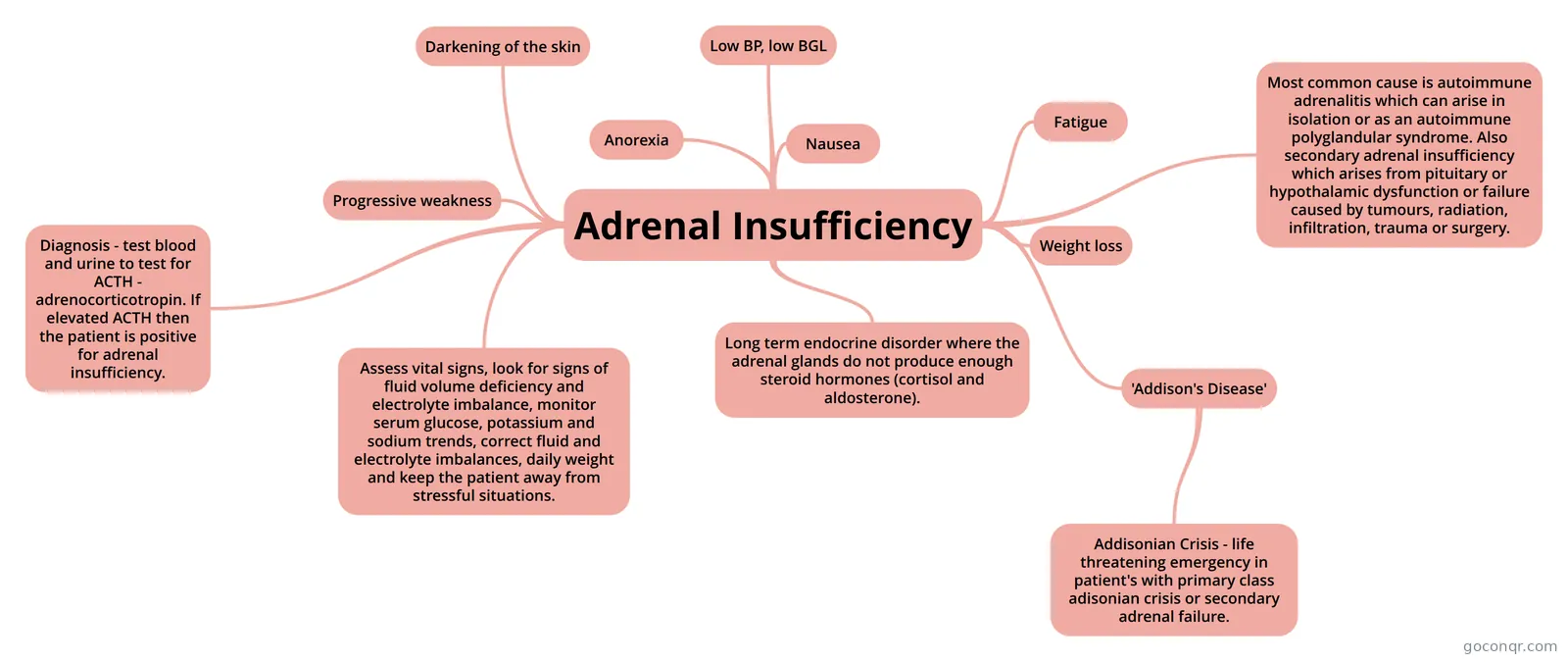 Mind map Adrenal Insufficiency
Quizzes
See all 99 quizzes-
161 questionsEndocrinology Exam Questions Which hormones regulate the levels of calcium in the blood?
-
15 questionsDM QUIZ endocrine 1- A 66-year-old Hispanic man with a history of myocardial infarction, dyslipidemia, and hypertension recei...
-
6 questionsMedSurg II Endocrine Practice Exam The client has developed iatrogenic Cushing's disease. Which statement is the scientific rationale for the ...
-
25 questionsEndocrino (2/2) 26. First choice treatment of pituitary tumors is surgery, except for:
-
20 questionsExemplar 12.6: Thyroid Disease Which of the following are risk factors for hyperthyroidism?
-
38 questionsDiabetes- guest lecturer Which type of diabetes is an autoimmune disease?
Mind maps
See all 531 mind maps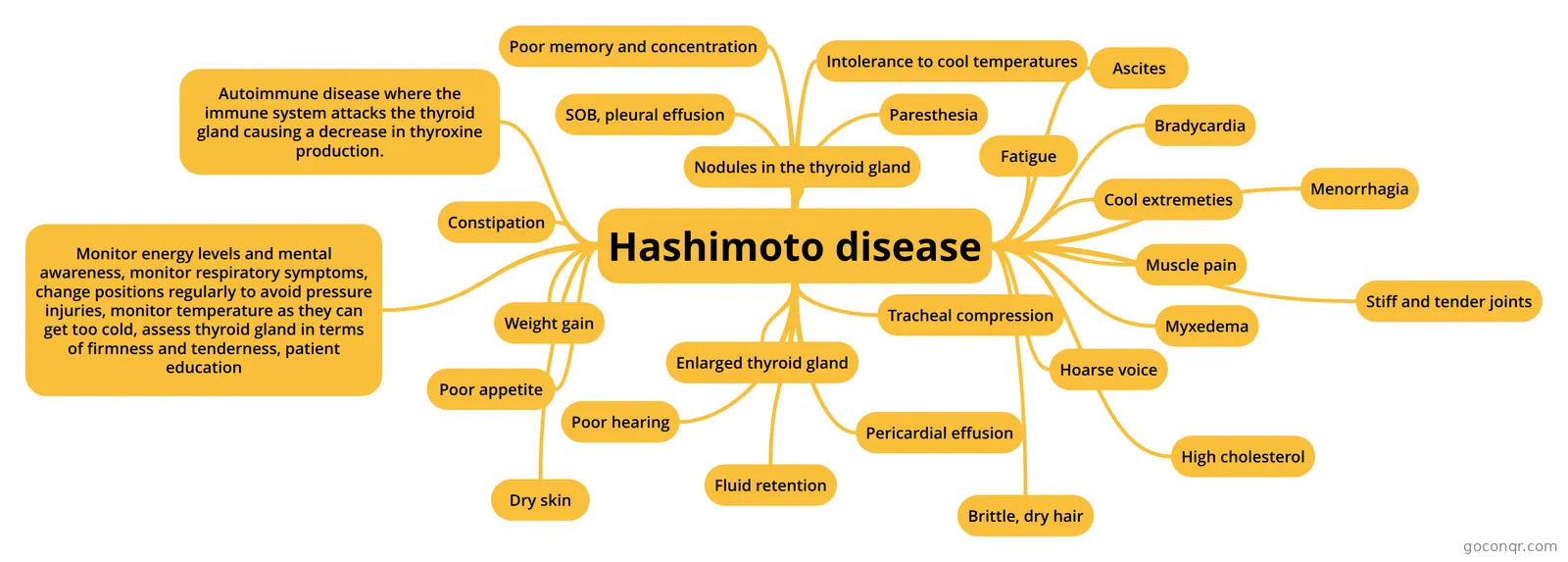
Flashcards
See all 239 flashcards-
187 cards1 - Diabetes how does diabetes affect life expectancy?
-
42 cardsThyroid/Endocrine Thyroid Cancer Risk Factors
-
27 cardsPRC - Lecture 21 What is Diabetes?
-
9 cardsEndocrinology: Goitre and Thyroid Tumours Give causes of a goitre.
-
35 cardsType 1 & 2 Diabetes Risk factors for diabetes mellitus
-
19 cardsEndocrine diseases Name condition What is it What hormone causes it/ what gland
-
24 cardsHyperthyroidism/Hypothyroidism What hormone does the hypothalamus secrete when thyroid levels drop too low?
-
22 cardsModule 10 - ST Diabetes Flashcards for Module 10
Flowcharts
See all 20 flowcharts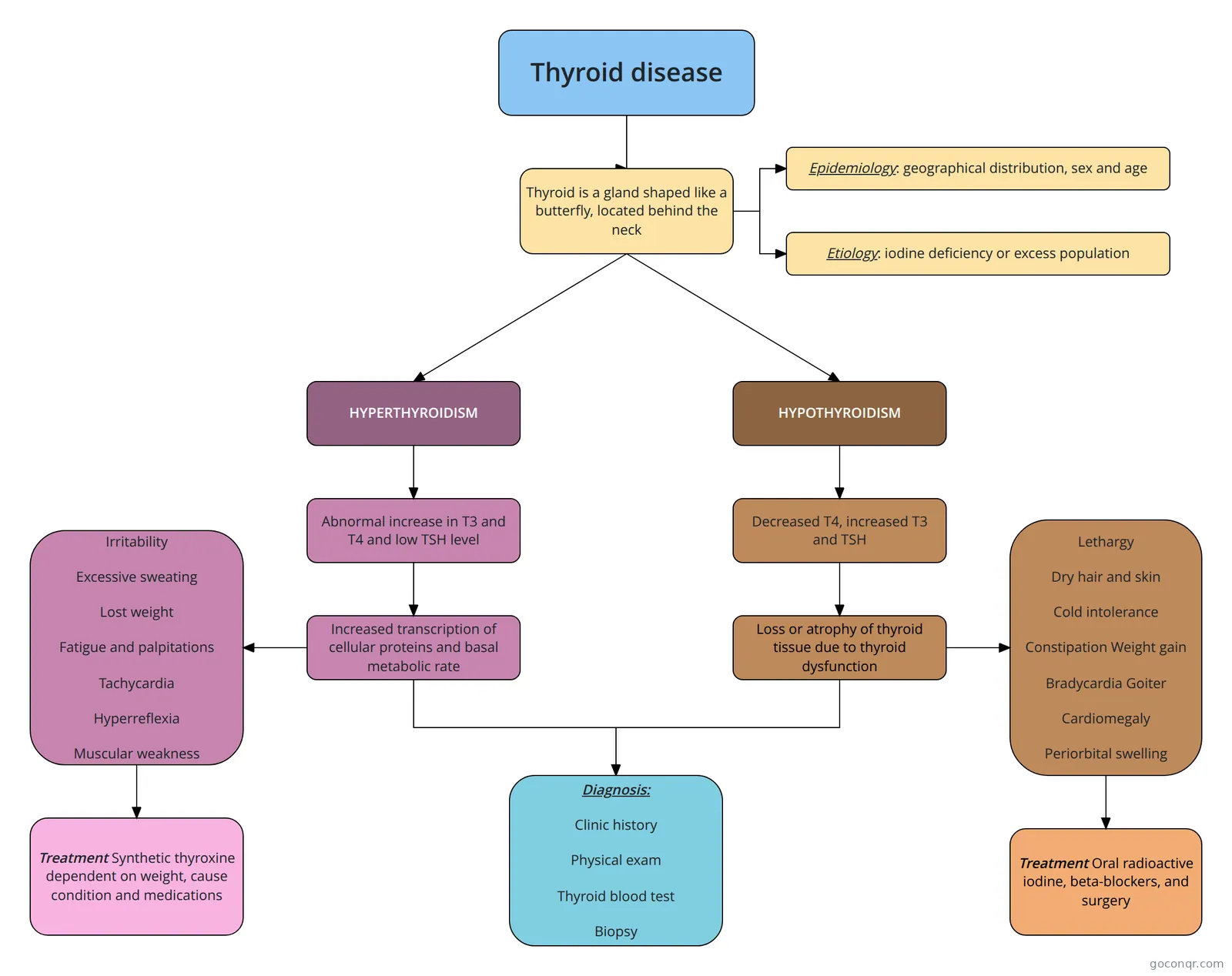
Notes
See all 16 notesSlides
Topics in Endocrine System and Disorders
More Internal medicine, pathology and clinical semiology topics
About Endocrine System and Disorders
GoConqr OriginalWhat the page covers
This unit sits in the Renal, Endocrine, Metabolic and Reproductive Medicine strand of Internal medicine, pathology and clinical semiology. Most of it is mind maps, with quizzes, flashcard decks, notes, slide sets and flowcharts alongside. Diabetes appears again and again, in several maps, decks and quizzes. Thyroid, adrenal, pituitary and parathyroid disorders are also well covered.
Where to start
For an overview, open the Endocrine Pathology mind map. It sorts disease into primary and secondary hypofunction and hyperfunction, which gives you a frame for everything else. Then move to a single gland.
- Thyroid: begin with the Thyroid Tumors mind map, which separates benign from malignant types, and the Hashimoto disease map. The Endocrinology note adds thyroid cancer types.
- Adrenal: read the Adrenal Insufficiency and Addison's Disease maps, then the Cushing's Disease map.
- Diabetes: the Type 1 Diabetes Mellitus map covers care goals and patient education, and the Diabetic Ketoacidosis map covers hyperglycaemia, ketonuria and metabolic acidosis.
Using maps and quizzes together
Read a map first, then test yourself. The DM QUIZ endocrine quiz uses a clinical case of a man with type 2 diabetes, so it asks you to apply what you know. The Endocrinology Exam Questions quiz and the MedSurg II Endocrine Practice Exam suit broader checks. Note the questions you miss, go back to the matching map, then try again.
Revising for exams
Some listed resources mention USMLE, ATI and MRCP. Flashcard decks such as Primary Hyperaldosteronism, Pituitary disease and Hypercalcaemia are handy for short sessions. Flowcharts on the anterior pituitary, the adrenal gland and the thyroid give a quick visual check of each system.
Teachers and next steps
Teachers can pick maps, quizzes or slide sets to use as they are. Choose one gland, work through its map and quiz, then build your own flashcards from the gaps you find.
Frequently asked questions
Which resource should I open first?
Start with the Endocrine Pathology mind map. It lays out primary and secondary hypofunction and hyperfunction, plus the mechanisms behind endocrine disease. Once that frame is clear, move on to a single gland, such as the thyroid or adrenal glands, and take a quiz on it.
What do the mind maps cover?
They cover diabetes in many forms, including type 1, type 2 and diabetic ketoacidosis, along with thyroid tumours, Hashimoto disease, thyrotoxicosis, adrenal insufficiency, Addison's Disease, Cushing's Disease, parathyroid disorders and pituitary pathology. Many list signs, causes and care goals.
Are the resources free to use?
Yes. Every resource on this page is free to open, study and take, with no account needed. They were made by GoConqr users, not by GoConqr itself, so styles and depth vary from one resource to the next.
Which exams do these resources suit?
The listed resources mention USMLE, ATI and MRCP. Most of the material is at university level, so it suits university students and professional candidates. Check each quiz or deck to see whether its questions match your own course or exam.
Can I save my quiz scores?
A free account saves your quiz scores. It also lets you make your own quizzes, mind maps, flashcards and notes, so you can turn the questions you miss into a revision set of your own.
What if my topic seems to be missing?
Try a nearby resource first. Male Hypogonadism, Hyperprolactinaemia, Puberty and it's Disorders and Dyslipidemia all sit under this page. If you still cannot find what you need, build your own map or flashcard deck for it.